



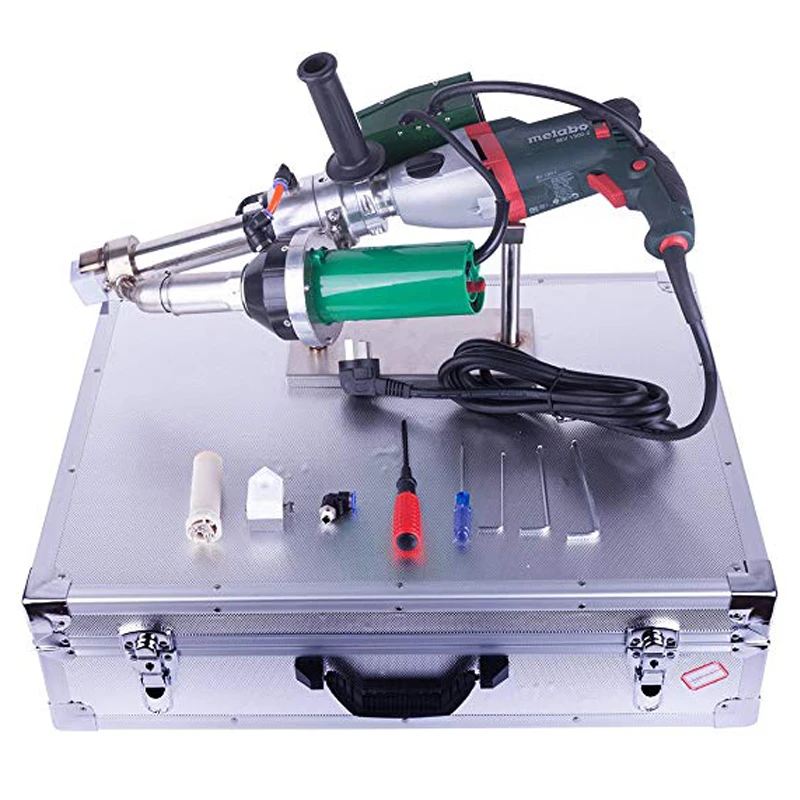
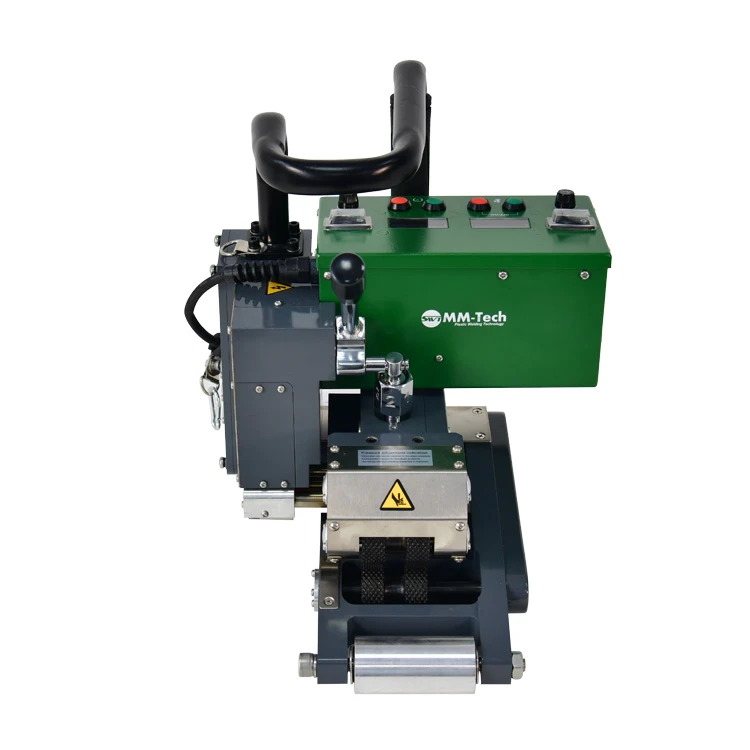
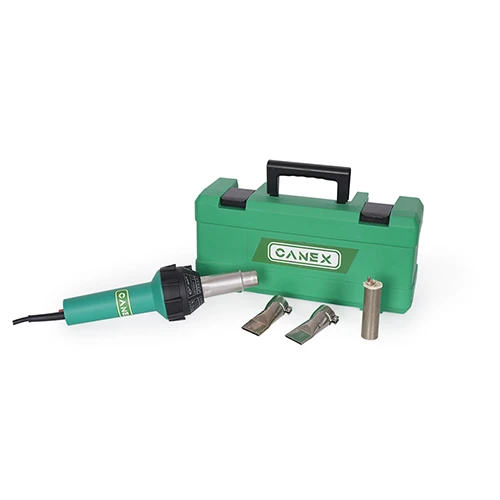
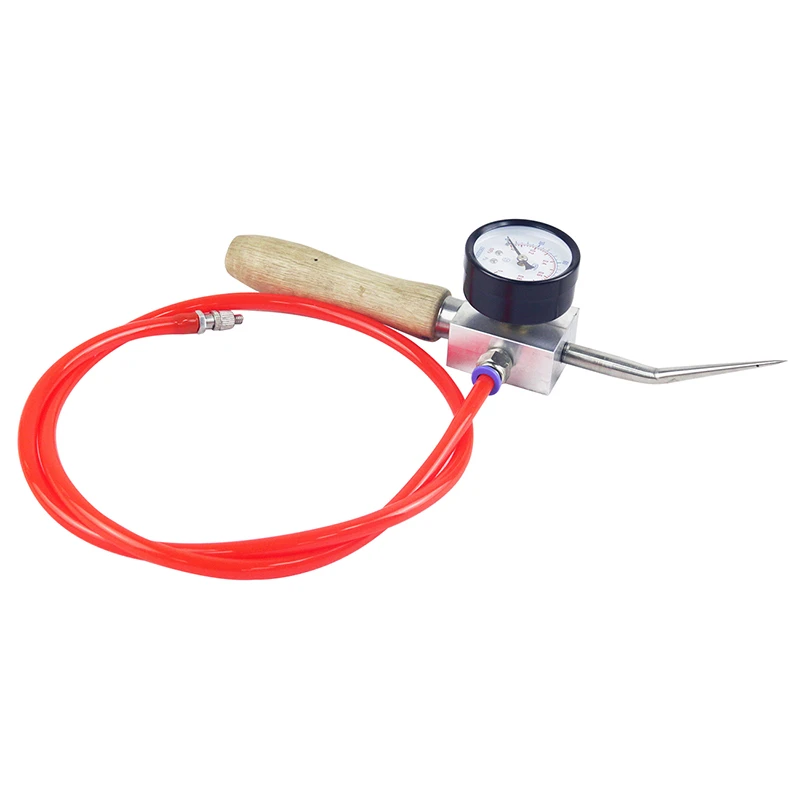
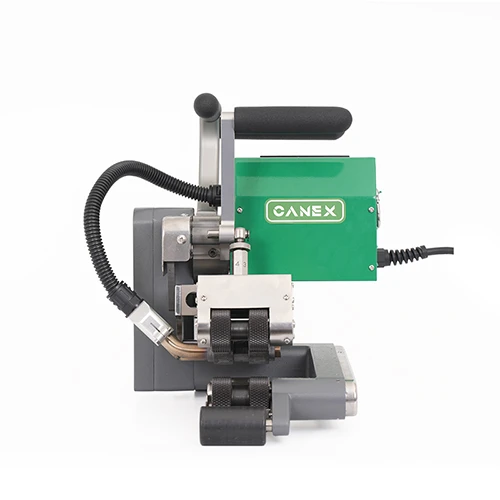
Turkey's strategic position as a bridge between Europe and Asia has led to a surge in large-scale infrastructure and environmental protection projects. The demand for a professional plastic welder has increased significantly due to the government's strict adherence to EU-aligned waste management and water conservation laws, requiring high-precision sealing of HDPE and TPO membranes.
The geographical diversity of Turkey, ranging from the humid Black Sea coast to the arid Central Anatolia plateau, poses unique challenges. Thermal expansion and contraction in these varying climates necessitate the use of a hot air plastic welding gun that can maintain consistent temperatures to prevent seam failure in extreme weather conditions.
Currently, the Turkish market is transitioning from manual welding techniques to automated, digitally controlled systems. The adoption of a plastic welding heat gun with precise PID controllers is becoming the standard for local contractors aiming to reduce material waste and increase the lifespan of environmental barriers.






 English