



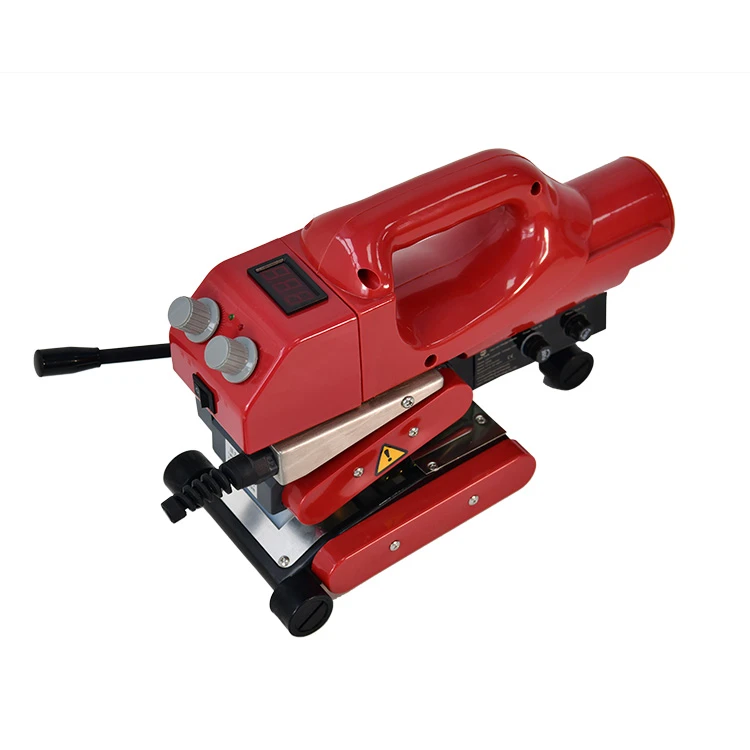
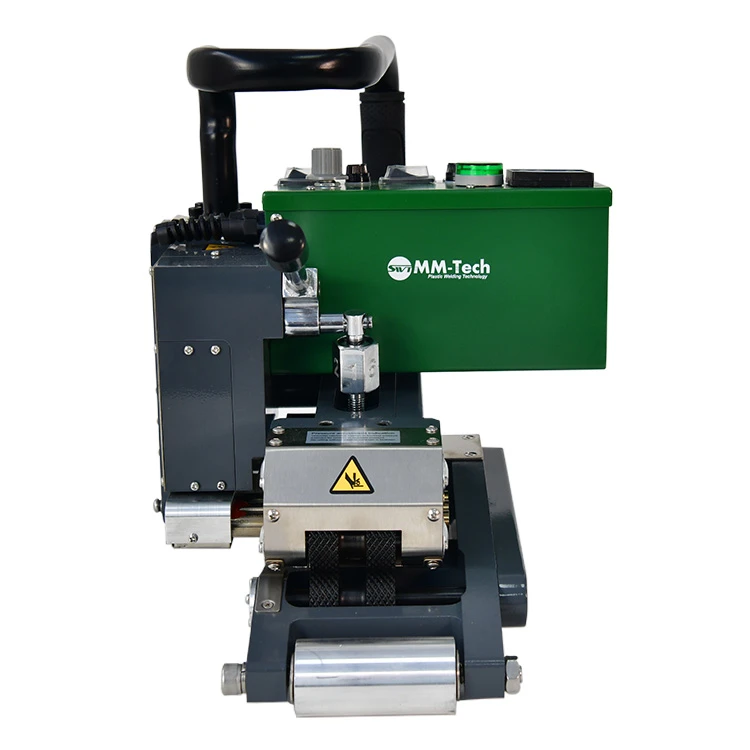
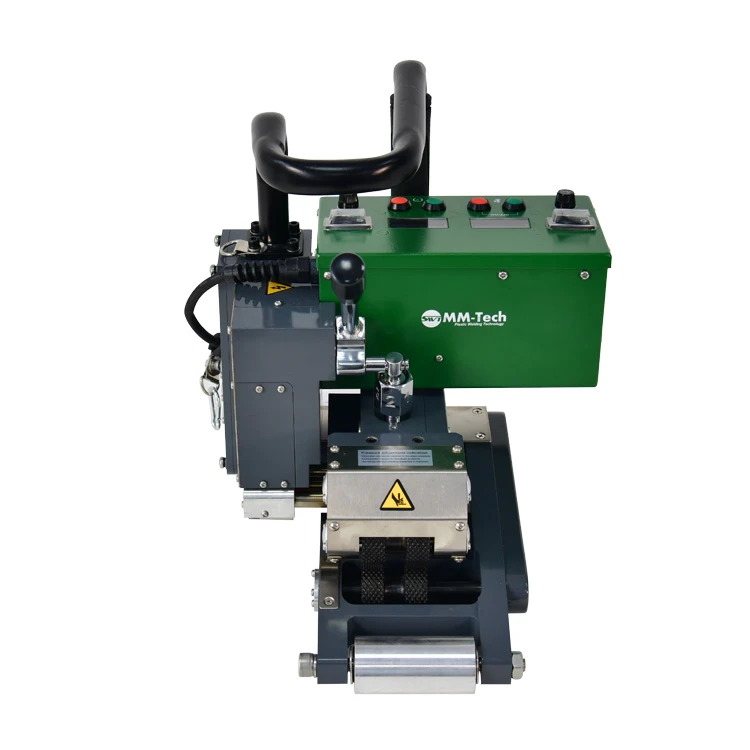
Zambia's manufacturing sector, particularly in mining and agriculture, faces significant challenges regarding wastewater containment and chemical leakage. The reliance on a professional plastic welder has become critical as the nation upgrades its tailings dams and irrigation liners to meet international environmental standards.
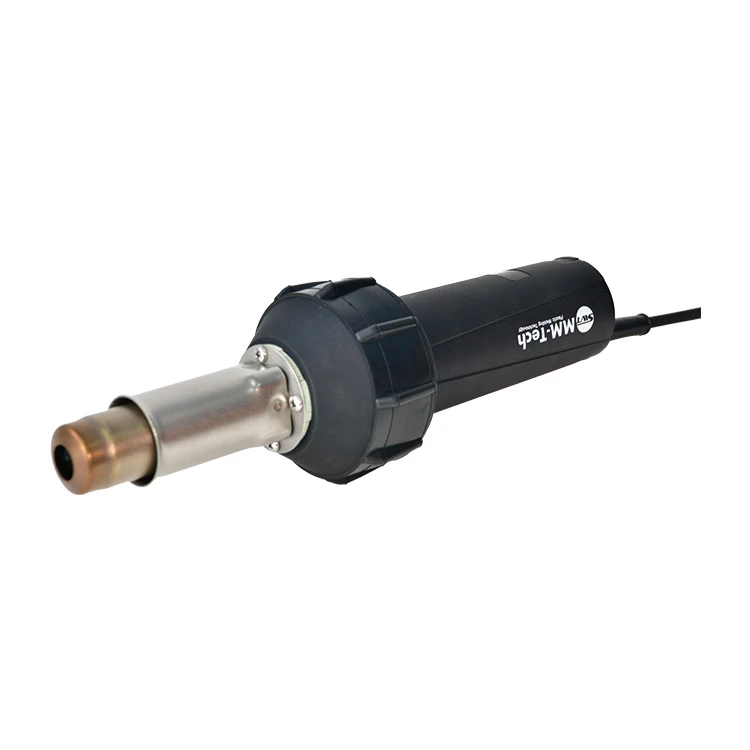
The tropical climate, characterized by intense UV radiation and heavy seasonal rainfall, puts immense stress on thermoplastic membranes. Consequently, the demand for a high-quality hot air plastic welding gun has surged to repair existing HDPE and PVC liners that degrade under harsh Zambian sunlight.
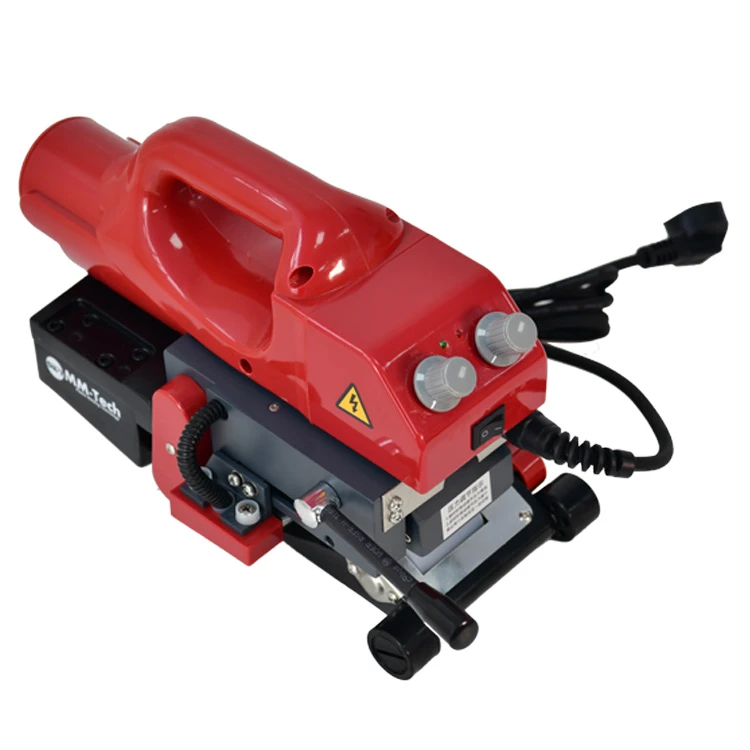
Economically, the shift toward sustainable infrastructure in Zambia is driving a transition from manual adhesive bonding to automated thermal welding. This ensures that critical environmental barriers are airtight and watertight, reducing the risk of groundwater contamination in ecologically sensitive areas.






 English