



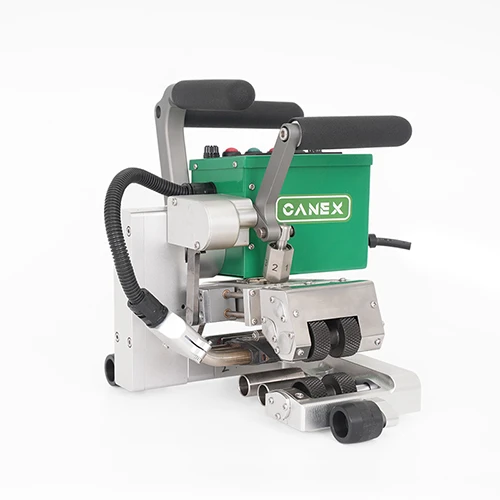
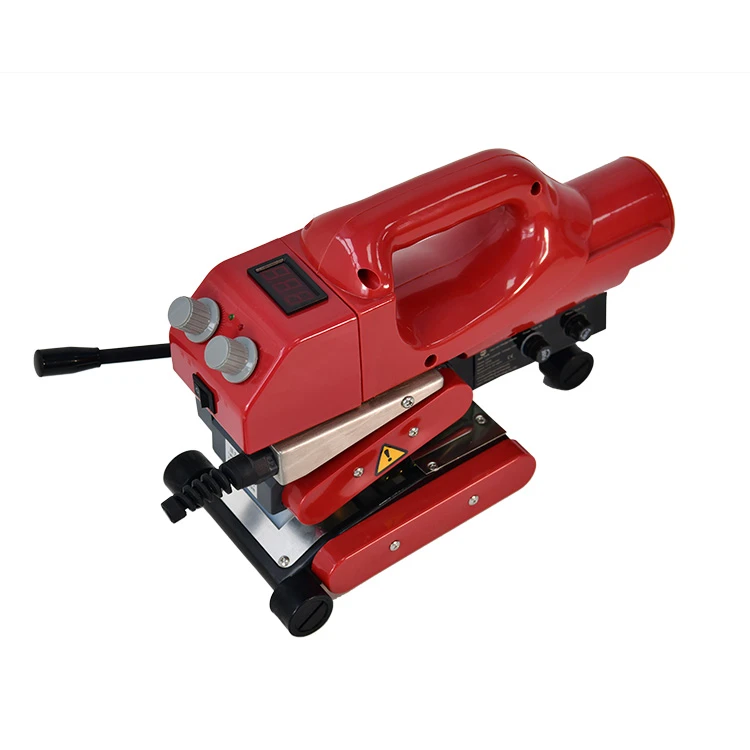
The Netherlands faces unique geographical challenges, with significant portions of the land lying below sea level. This necessitates an uncompromising approach to water management and soil protection, where a professional plastic welder is not just a tool, but a critical component in preventing groundwater contamination.
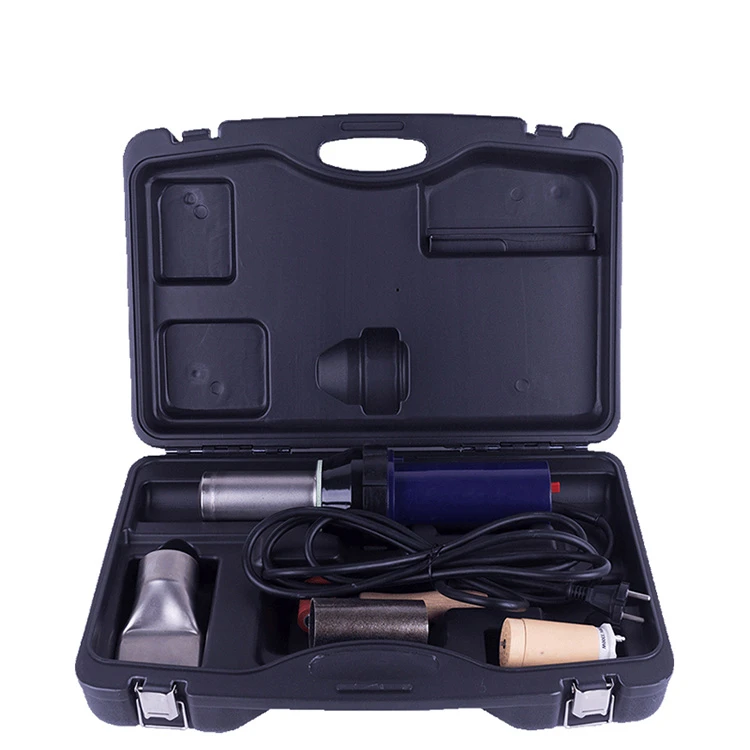
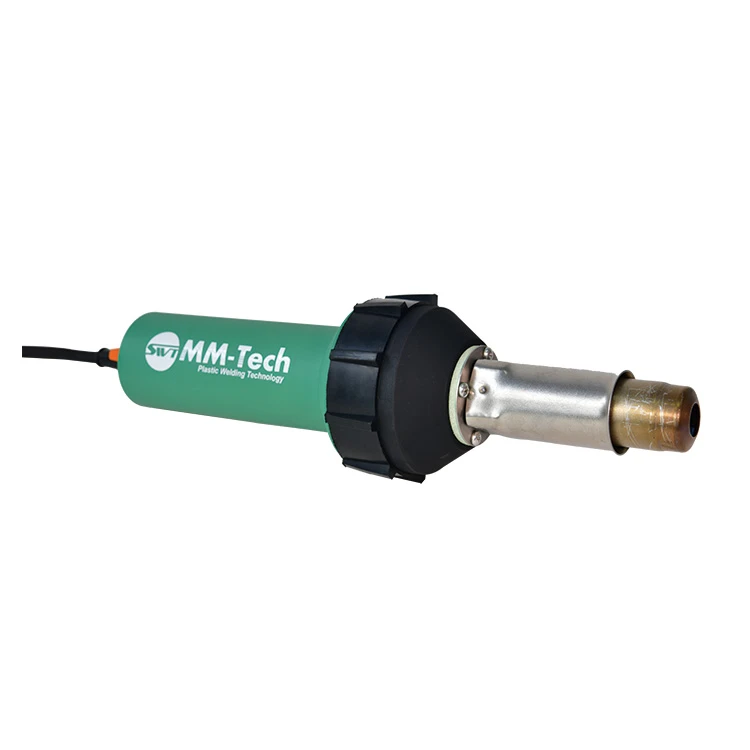
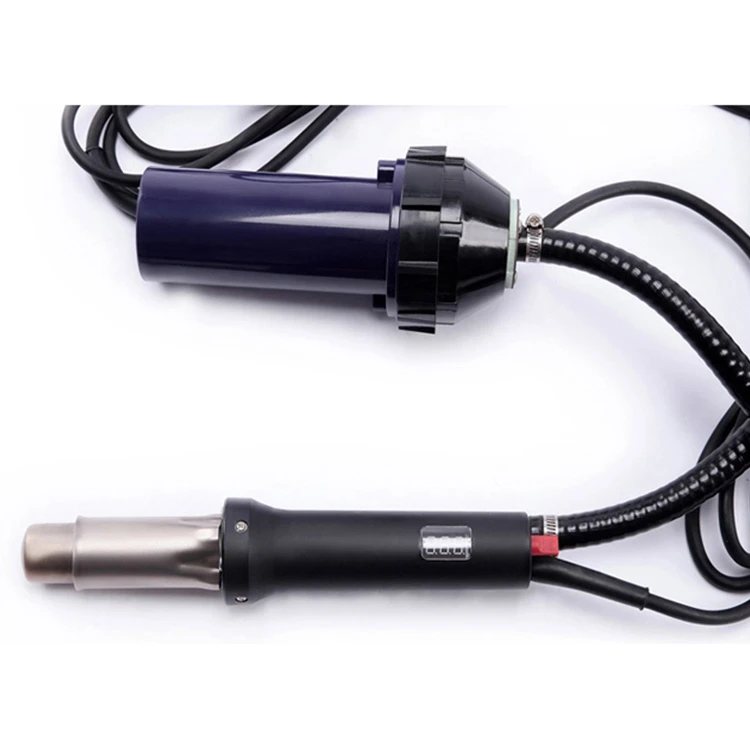
Current market demands in the region focus heavily on TPO and HDPE liners for waste treatment and water reservoirs. The prevalence of moist climates means that traditional welding methods often struggle with condensation; hence, the shift towards high-stability hot air plastic welding gun technology to ensure consistent bond strength.
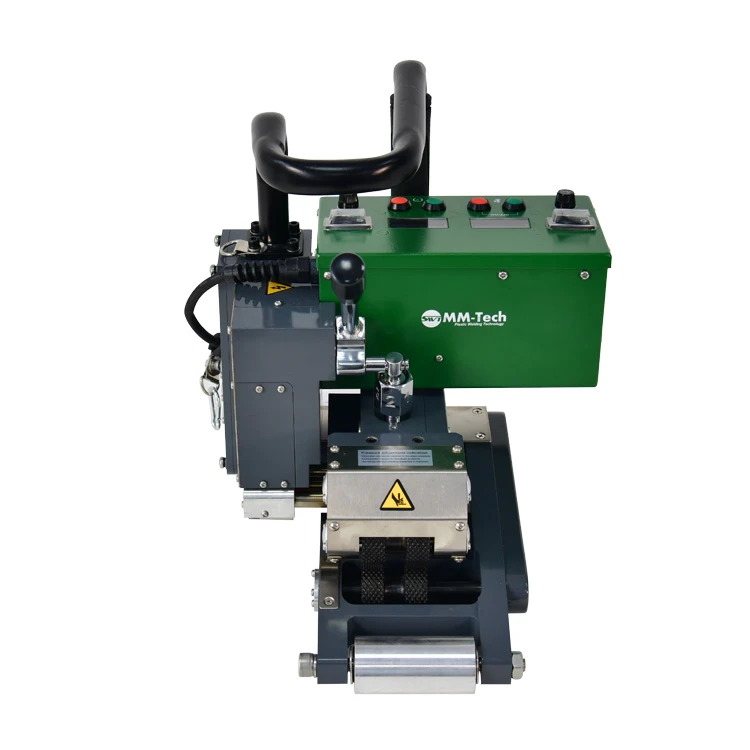
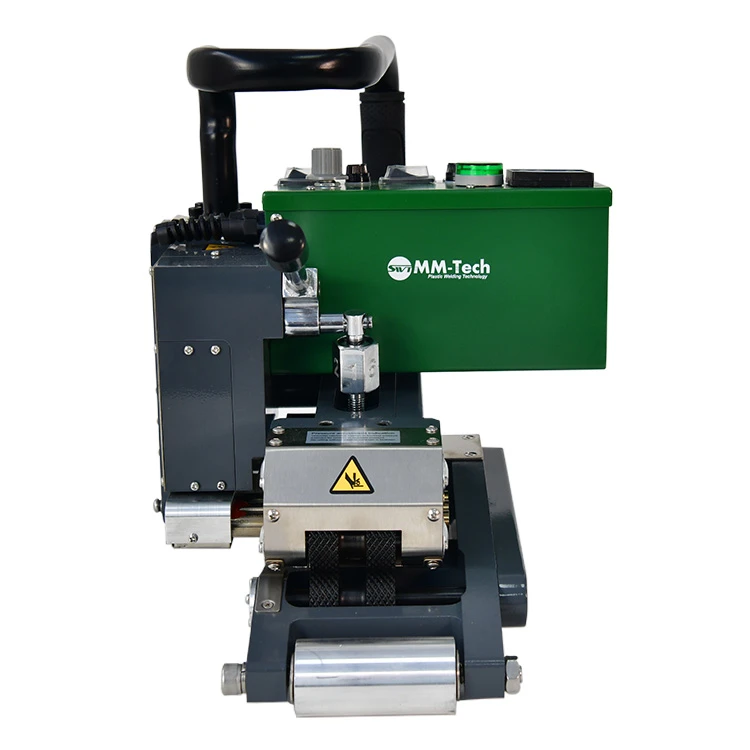
Furthermore, Dutch environmental laws are among the strictest in Europe. This regulatory pressure has pushed the industry toward automated and highly traceable welding processes, reducing human error in the installation of protective liners for chemical storage and flood defense systems.






 English