
• Group_308.webp1
  • Group_308.webp2
  • Group_308.webp3
  • Group_308.webp4
  • 819_2025032815210071348.png

High-Performance tpo heat welder Solutions for Germany's Infrastructure

Engineered for German precision, our advanced thermal welding systems ensure leak-proof sealing for environmental protection and sustainable roofing across Europe.

High-Performance tpo heat welder Solutions for Germany's Infrastructure

Providing the German manufacturing sector with industry-leading thermal bonding technology for geosynthetics and high-grade polymer membranes.

The State of Plastic Welding in Germany

Addressing the rigorous technical standards of the DACH region's environmental engineering.

Germany's commitment to "Energiewende" and strict environmental regulations has surged the demand for a professional plastic welder. The local market prioritizes DIN standards and long-term durability, especially in landfill liners and waste management facilities where failure is not an option.

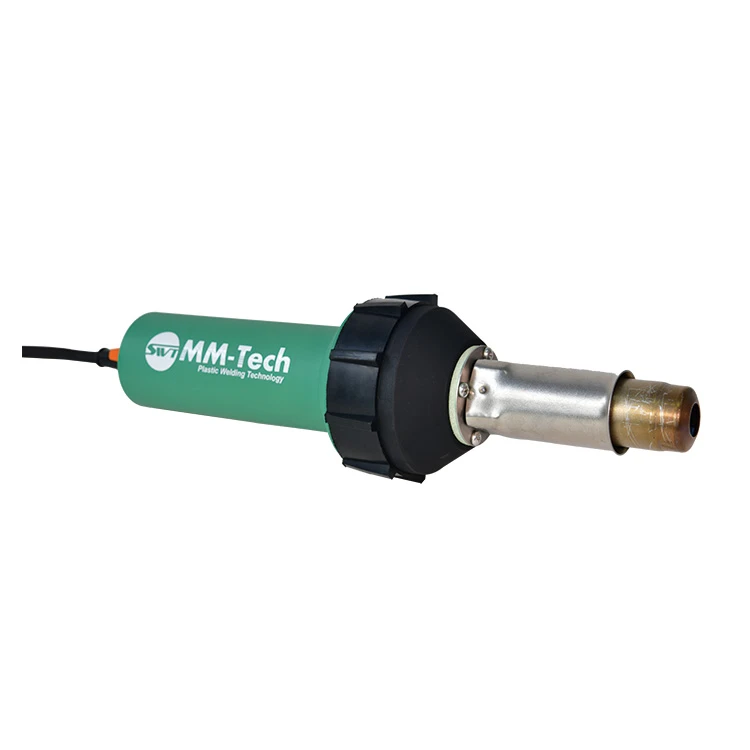
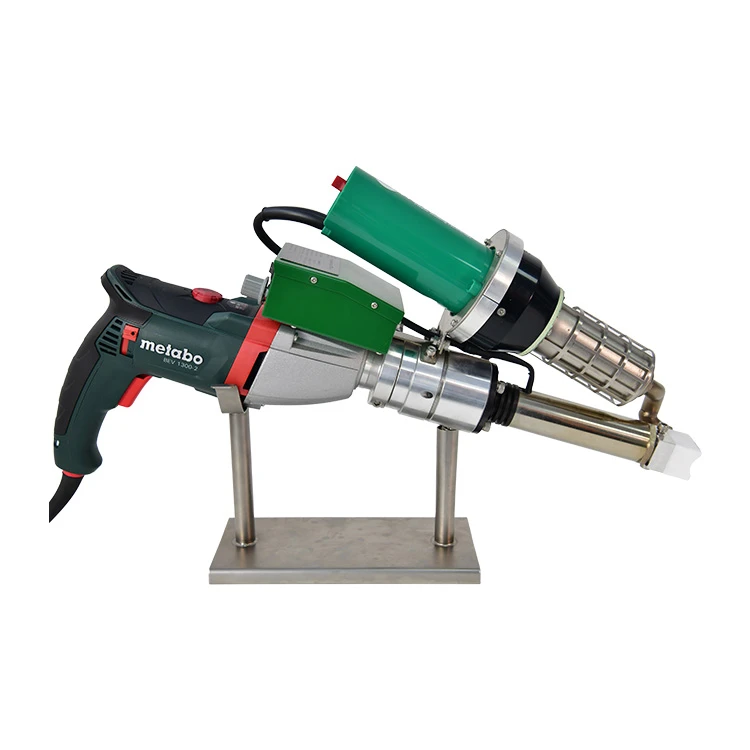
Due to Germany's fluctuating temperate climate, the efficiency of a hot air plastic welding gun is critical. Contractors require equipment that can maintain consistent temperatures despite high humidity or winter chills to ensure structural integrity in outdoor applications.

The German construction sector is currently shifting toward more sustainable roofing materials, leading to a massive increase in the adoption of the hot air welder roofing systems, moving away from traditional bitumen toward TPO and PVC membranes.
Evolution of Thermal Bonding Technology

From manual heat application to digitally controlled precision welding.

Market Development History

In the 1990s, the industry relied on basic manual heat tools. The transition began around 2005 when the first generation of electronically regulated plastic welding heat gun devices entered the German market, reducing human error in temperature control.

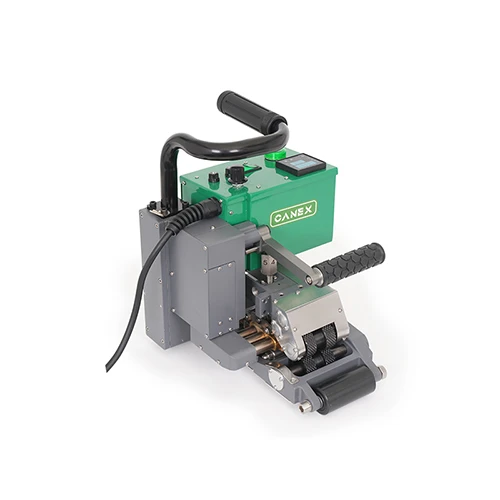
By 2012, the focus shifted toward automation. The introduction of automated wedge welders and high-output hot air systems allowed for the rapid deployment of large-scale environmental liners, meeting the growing demands of European waste containment laws.

Since 2020, we have entered the era of "Smart Welding," where IoT integration and real-time data logging allow German engineers to verify weld quality instantly, ensuring 100% compliance with environmental safety protocols.

Future Development Trends

Digital Twin Integration

We anticipate that welding parameters will be mirrored in digital twins to predict seam failure before it occurs in the field.

Energy-Efficient Heating Elements

Development of carbon-fiber heating elements to reduce power consumption by 30% while increasing heat-up speeds.

AI-Driven Temperature Calibration

Integration of AI sensors that automatically adjust heat output based on the ambient temperature and material thickness of the TPO sheet.

Future Outlook of Geosynthetic Welding

Driving the next generation of environmental protection equipment.

Automated Quality Control
Implementing automatic weld-seam monitoring to eliminate manual inspection gaps.
Carbon Neutral Manufacturing
Reducing the ecological footprint of equipment production to align with EU Green Deal goals.
Modular Design Architecture
Developing interchangeable heating nozzles for rapid switching between different plastic types.
High-Precision Thermostats
Reducing temperature variance to ±1°C for ultra-sensitive high-density polyethylene welds.

Industry Outlook

Looking forward, the German market will likely see a convergence of robotics and thermal welding. We expect robotic arms equipped with precision hot air nozzles to handle complex corner welding in industrial reservoirs, reducing labor costs and increasing safety.

Furthermore, the shift toward circular economy principles means equipment must be capable of welding recycled polymer membranes without compromising the bond strength, demanding more adaptive heating technology.

Localized Application Scenarios in Germany

Real-world implementation of thermal welding in German industrial environments.

01. Landfill Liner Installation in Bavaria

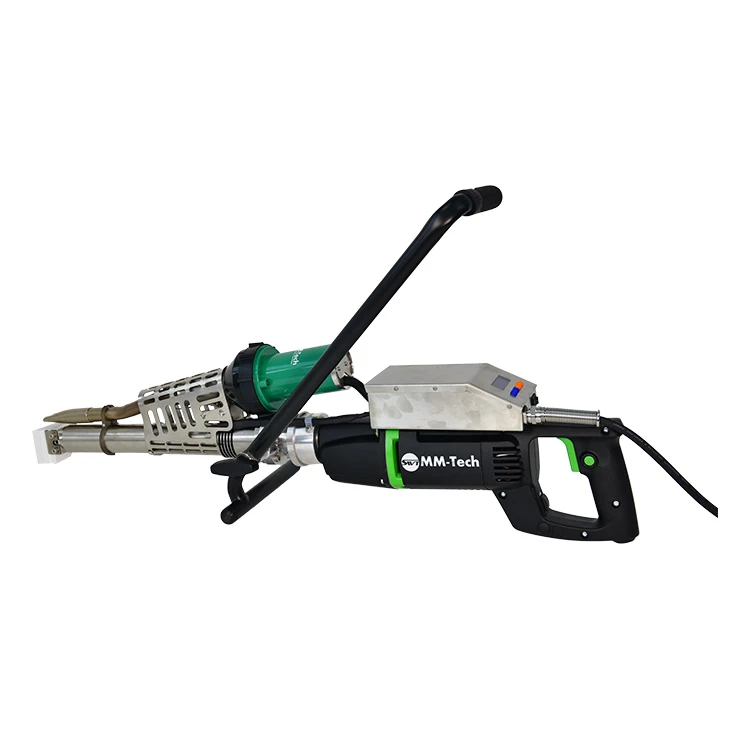
Utilizing heavy-duty wedge welders and a professional plastic welder to secure HDPE liners for hazardous waste containment, preventing soil contamination in alpine regions.

02. Industrial Warehouse Roofing in North Rhine-Westphalia

Applying hot air welder roofing techniques to install TPO membranes on massive logistics centers, ensuring complete waterproofing against North Sea rain.

03. Wastewater Treatment Plant Repair in Berlin

Using a hot air plastic welding gun for the precise repair of PVC piping and tank seams to prevent chemical leaks into urban water systems.

04. Mining Pond Lining in Saxony

Implementing large-scale thermal bonding for tailings ponds, where high-output heating systems ensure seam strength under immense hydrostatic pressure.

05. Agricultural Silo Sealing in Lower Saxony

Employing a plastic welding heat gun to seal flexible plastic storage covers, protecting crops from moisture and pests.

Brand Story

Global Development Journey of Hebei Mingmai Technology Co., Ltd.

Founding Vision

Established with the mission to solve the instability of thermal bonds in environmental protection equipment, focusing on precision engineering.

Technical Breakthrough

Developed our first patented temperature-stabilization circuit, significantly reducing burn-through rates in TPO welding.

European Expansion

Entered the German market by aligning our production standards with EU CE certification and DIN technical requirements.

Innovation Leadership

Launched a series of smart-sensing welders that allow operators to monitor weld quality via mobile applications.

Sustainability Commitment

Now leading the industry in developing energy-efficient welding solutions to support global carbon reduction goals.

Complete Product Portfolio for the German Market

High-precision equipment tailored for the strictest European environmental standards.

Frequently Asked Questions in Germany

Expert answers to common technical queries regarding plastic welding.

Which professional plastic welder is best for TPO roofing in Germany?

For TPO roofing, we recommend a specialized hot air system with digital temperature control to ensure a consistent weld regardless of wind or cold weather common in German winters.

How to maintain a tpo heat welder for long-term industrial use?

Regularly cleaning the heating element and checking the air filter is essential to prevent overheating and ensure a steady flow of hot air across the seam.

Can a hot air plastic welding gun be used for HDPE liner repairs?

Yes, but HDPE requires higher temperatures and specific welding rods. Ensure your gun is rated for the required thermal range to avoid cold joints.

What are the advantages of using a hot air welder roofing system over adhesive?

Thermal welding creates a molecular bond that is far more durable and waterproof than adhesives, which can degrade under UV exposure or temperature swings.

Is the plastic welding heat gun compatible with 230V European power grids?

Absolutely. All our equipment for the German market is fully compatible with EU power standards and comes with the appropriate certifications.

How do I certify the weld quality for German environmental audits?

We recommend using our data-logging welders that record temperature and speed, providing a digital trail for quality assurance inspectors.

Ready to Upgrade Your Welding Precision?

Contact our technical experts today for customized equipment solutions tailored to the industrial requirements of Germany.

Contact Us Now

SUBSCRIBE NEWSLETTER

Dear customer, thank you for your attention! We provide high-quality machinery and equipment and look forward to your orders. Please inform us of your needs and we will respond quickly!

If you are interested in our products, you can choose to leave your information here, and we will be in touch with you shortly.


If you are interested in our products, you can choose to leave your information here, and we will be in touch with you shortly.


en_USEnglish