• Group_308.webp1
  • Group_308.webp2
  • Group_308.webp3
  • Group_308.webp4
  • 819_2025032815210071348.png
0%

Table of Contents

The realm of quality control in welding processes is constantly evolving, and the demand for reliable, efficient, and non-destructive testing methods is ever-increasing. Central to this evolution is the in line spark tester, a critical tool for ensuring weld integrity and preventing costly failures. This technology plays a pivotal role across diverse industries, from pipeline construction to aerospace manufacturing, by providing real-time assessment of weld quality during the welding process itself. Understanding its principles and applications is paramount for maintaining safety, reducing downtime, and optimizing production efficiency.

Globally, the economic impact of weld failures is substantial, estimated to be in the billions of dollars annually due to repairs, replacements, and potential safety hazards. Organizations like the International Organization for Standardization (ISO) continuously refine welding standards (e.g., ISO 3834) to minimize risks, and the in line spark tester is a key enabler of meeting these stringent requirements. The adoption of this technology isn’t just about compliance; it's about proactively safeguarding infrastructure, equipment, and ultimately, lives.

The need for advanced welding inspection techniques arises from the complexity of modern materials and welding processes. Traditional post-weld inspection methods, while valuable, are often time-consuming and can disrupt production flow. An in line spark tester directly addresses these limitations by providing immediate feedback, allowing for corrective action during the weld, rather than after its completion.
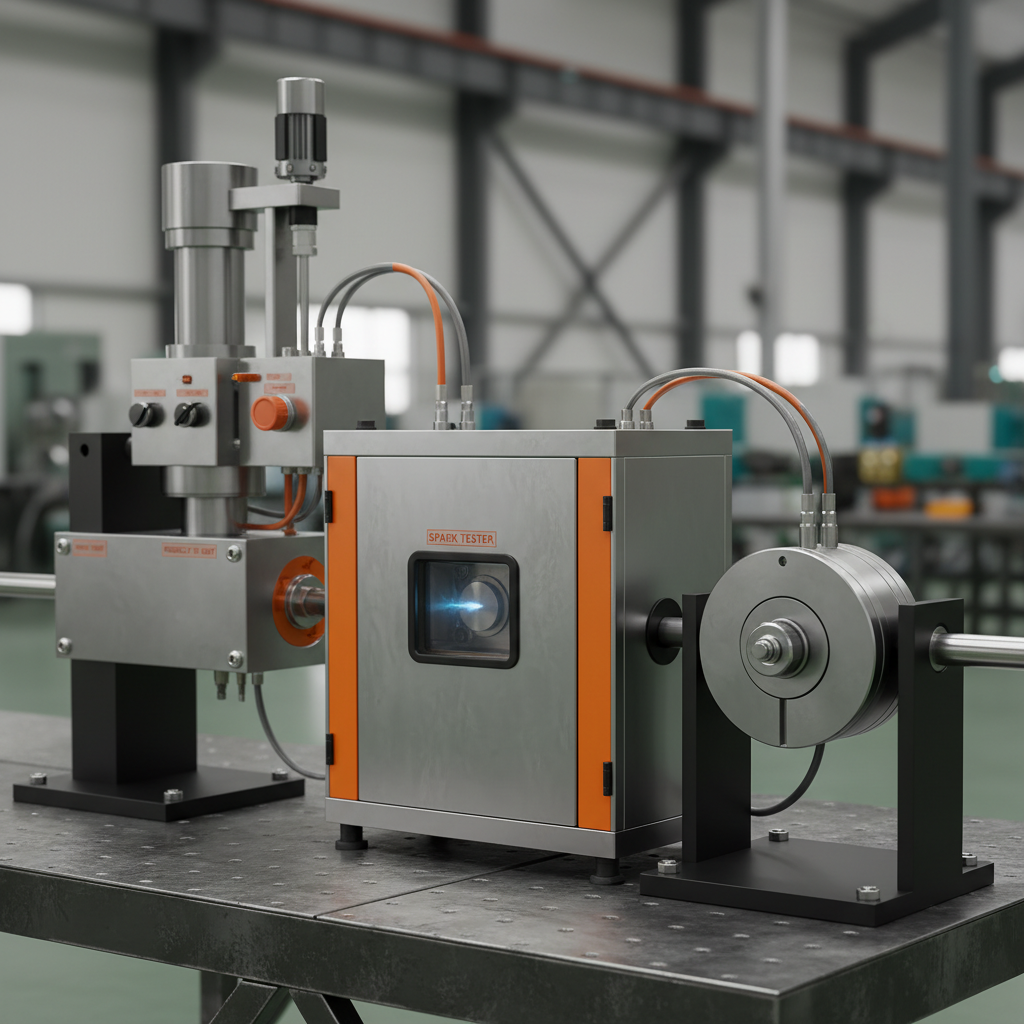
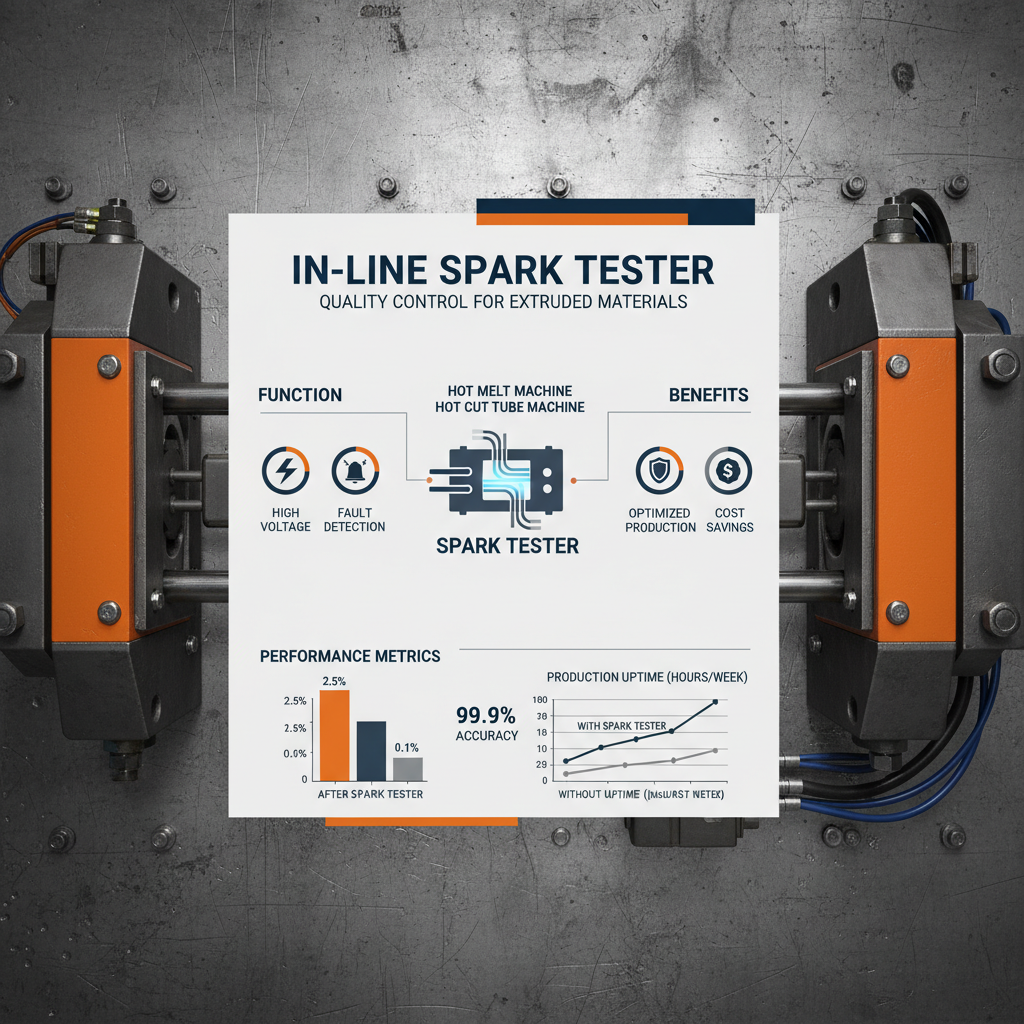
Advancements in Weld Quality Control with In Line Spark Tester Technology

The Significance of In Line Spark Testing

Advancements in Weld Quality Control with In Line Spark Tester Technology

The implementation of an in line spark tester isn’t merely about detecting defects; it's about building confidence in the welding process itself. By providing real-time data, these systems empower welders to self-correct, reducing the need for rework and enhancing overall weld quality. This proactive approach translates into significant cost savings and increased operational efficiency.

The relevance of accurate weld inspection extends beyond economic considerations. In critical applications like pipeline infrastructure or pressure vessels, the integrity of the welds directly impacts public safety and environmental protection. A reliable in line spark tester provides a crucial layer of defense against catastrophic failures, ensuring the long-term reliability and safety of these vital systems.

Defining In Line Spark Testing

An in line spark tester is a non-destructive testing (NDT) method used to assess the quality of a weld bead as it is being created. It works by analyzing the spark pattern generated when a high-voltage electrical discharge is applied to the weld surface. This spark pattern is directly correlated to the weld's composition, depth of penetration, and the presence of any defects like porosity or inclusions.

Unlike traditional NDT methods like radiography or ultrasonic testing, which typically occur after welding is complete, an in line spark tester provides immediate feedback during the welding process. This allows welders to adjust their parameters in real-time, ensuring a consistently high-quality weld.

The technology is particularly valuable in automated welding applications where continuous monitoring and control are essential. It bridges the gap between process control and quality assurance, providing a robust and efficient means of maintaining weld integrity throughout production.

Core Components and Operational Factors

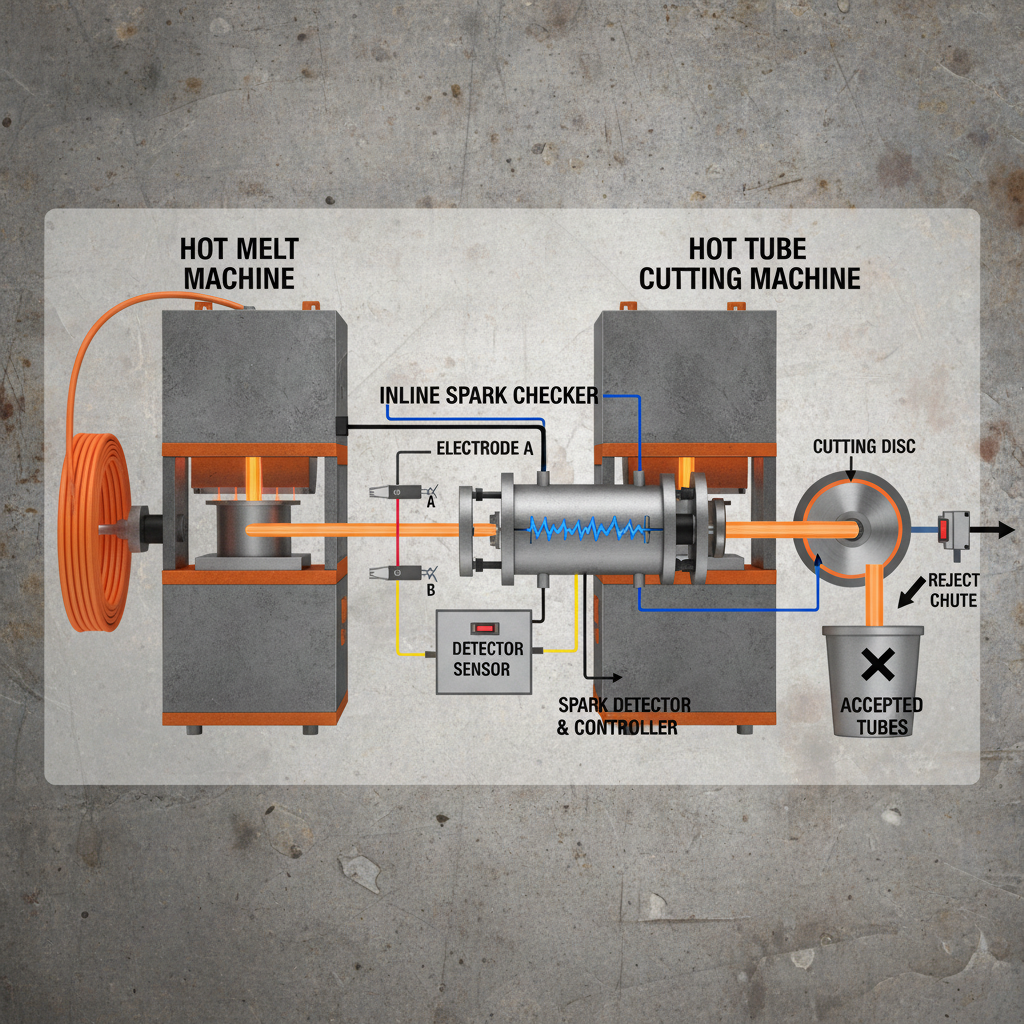
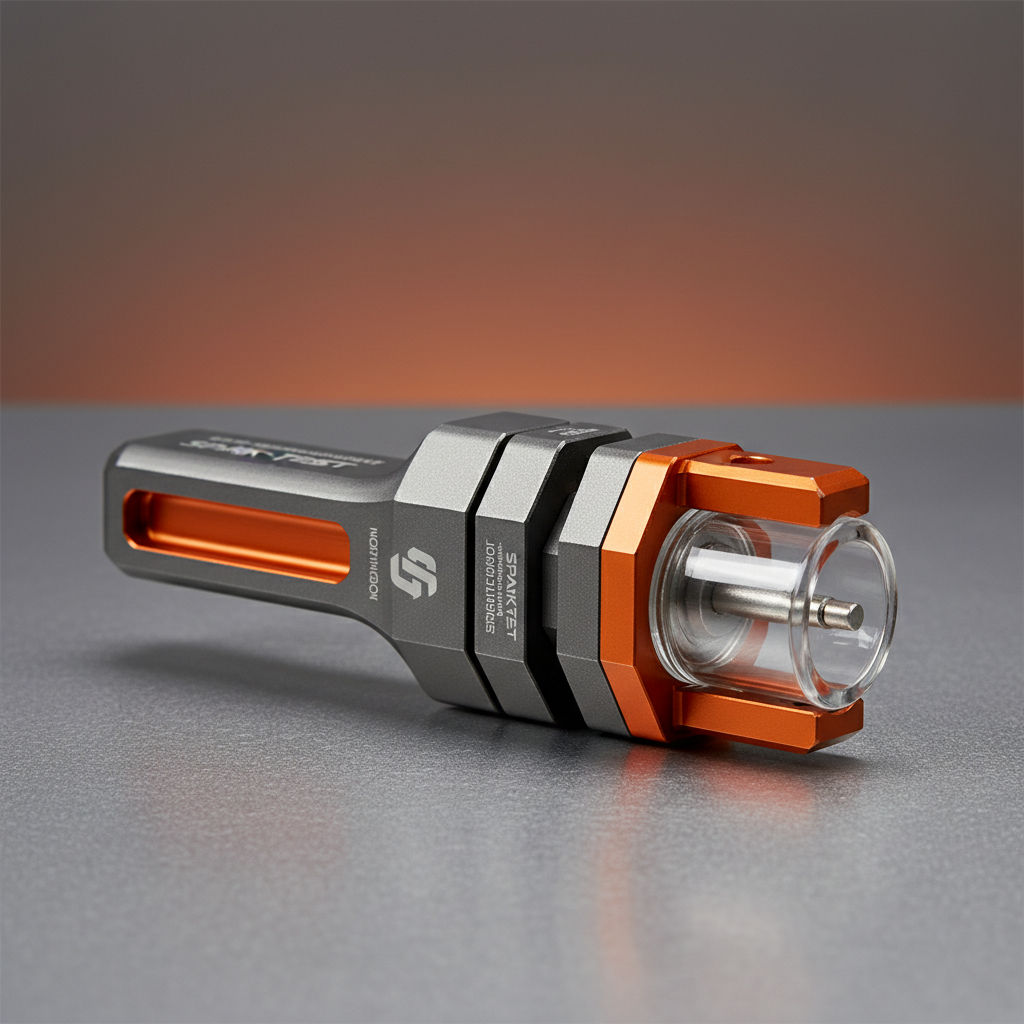
The core components of an in line spark tester typically include a high-voltage power supply, a spark gap mechanism, sensors to detect and analyze the spark pattern, and a control system with a user interface. The system is calibrated to specific material types and welding parameters for optimal accuracy.

Several operational factors influence the effectiveness of spark testing. These include the weld material’s composition, the welding process used (e.g., GMAW, GTAW, SAW), the shielding gas employed, and the travel speed and current settings. Proper calibration and regular maintenance of the equipment are also crucial for reliable results.

The interpretation of the spark pattern requires skilled operators who are trained to identify subtle variations that indicate potential weld defects. Advanced systems often incorporate automated pattern recognition algorithms to aid in this process, reducing subjectivity and improving consistency.

Practical Applications Across Industries

The applications of in line spark tester are diverse and span numerous industries. In the oil and gas sector, it is extensively used in pipeline construction and maintenance to ensure the integrity of welds that are critical for safe and reliable transportation of hydrocarbons.

Aerospace manufacturing employs spark testing for welding critical components where even minor defects can have catastrophic consequences. Similarly, the automotive industry uses it for chassis and structural welding to ensure vehicle safety and durability. Power generation plants also rely on these systems to monitor welds in boiler tubes and pressure vessels.

Comparison of Defect Detection Rates with Different Welding Processes using In Line Spark Tester


Advantages and Long-Term Value Proposition

The primary advantage of employing an in line spark tester lies in its ability to identify defects during the welding process, preventing the propagation of flawed welds and significantly reducing rework costs. This translates to increased productivity and shorter project timelines.

Beyond cost savings, the long-term value proposition encompasses enhanced safety, improved product reliability, and a reduced environmental footprint through minimized material waste. By ensuring weld integrity, these systems contribute to the longevity and sustainability of critical infrastructure.

Future Trends and Innovation in Spark Testing

Emerging trends in spark testing include the integration of artificial intelligence (AI) and machine learning (ML) to automate defect detection and classification. These algorithms can analyze spark patterns with greater precision and speed than human operators, further improving accuracy and efficiency.

Another area of innovation is the development of miniaturized and wireless in line spark tester systems for use in confined spaces or remote locations. These systems offer greater flexibility and accessibility, enabling real-time monitoring in challenging environments.

Challenges and Potential Solutions

One of the challenges associated with spark testing is the potential for false positives or negatives, particularly when dealing with complex alloys or varying welding conditions. This can be mitigated through rigorous calibration, operator training, and the use of advanced signal processing techniques.

Another limitation is the sensitivity of the system to surface contaminants. Proper surface preparation is essential to ensure accurate results. Future advancements may focus on developing systems that are less susceptible to surface conditions.

Furthermore, standardization of spark testing procedures across different industries is needed to promote consistent and reliable results. Collaborative efforts between industry stakeholders and standards organizations can help address this challenge.

Summary of In Line Spark Tester Calibration Parameters

Material Type Voltage Setting (kV) Spark Duration (ms) Sensitivity Level (1-10)
Carbon Steel 8 5 7
Stainless Steel (304) 10 7 6
Aluminum Alloy (6061) 12 6 5
Low Alloy Steel 9 6 8
Duplex Stainless Steel 11 8 7
Nickel Alloy 13 5 4

FAQS

What are the typical applications of an in line spark tester in the welding industry?

In line spark testers are commonly used in industries requiring high-quality welds, such as oil and gas pipelines, aerospace component manufacturing, and automotive chassis construction. They're particularly beneficial for automated welding processes where real-time monitoring is crucial. The system provides continuous feedback, ensuring weld integrity throughout the production run and enabling immediate corrective actions if issues are detected.

How does an in line spark tester differ from traditional post-weld inspection methods?

Traditional methods like radiography or ultrasonic testing are performed after welding is completed, often causing production delays. An in line spark tester, conversely, assesses weld quality during the welding process, allowing for immediate adjustments to welding parameters. This proactive approach reduces rework, minimizes material waste, and improves overall efficiency.

What level of operator training is required to effectively use an in line spark tester?

While some systems incorporate automated analysis, effective operation still requires trained personnel. Operators need to understand the correlation between spark patterns and weld defects for specific materials and welding processes. Training programs cover calibration procedures, spark pattern interpretation, and troubleshooting common issues. Certification programs are available to demonstrate proficiency.

What materials can be effectively tested using an in line spark tester?

In line spark testers can be used on a wide range of materials including carbon steel, stainless steel, aluminum alloys, nickel alloys, and low-alloy steels. However, proper calibration is essential for each material type to ensure accurate results. The system needs to be configured to recognize the specific spark characteristics of the material being welded.

What are some common sources of error or inaccuracy with in line spark testing?

Common sources of error include improper surface preparation (contamination affects spark pattern), incorrect calibration settings for the material being welded, and variations in welding parameters. Regular maintenance and adherence to established procedures are crucial for minimizing errors and ensuring reliable results.

Is in line spark testing suitable for all welding processes?

While versatile, the effectiveness of in line spark testing can vary depending on the welding process. It's particularly well-suited for processes like GMAW, GTAW, and SAW. Its suitability for other processes like SMAW may be limited due to the intermittent arc and slag coverage. System configuration and operator expertise play a key role in achieving accurate results across different processes.

Conclusion

In conclusion, the in line spark tester represents a significant advancement in weld quality control, offering real-time monitoring, reduced rework, and enhanced safety. Its ability to identify defects during the welding process provides a proactive approach to quality assurance, leading to significant cost savings and improved product reliability. The technology plays a critical role in maintaining the integrity of critical infrastructure across diverse industries.

Looking ahead, the integration of AI and machine learning will further enhance the capabilities of these systems, automating defect detection and improving accuracy. Continuous innovation and standardization efforts will be crucial for expanding the adoption of in line spark tester and unlocking its full potential for safeguarding weld integrity and promoting sustainable industrial practices. Visit our website at www.aquafusionwelder.com to learn more.

Kevin Rodriguez

Kevin Rodriguez

Kevin Rodriguez is a Quality Control Manager at MM-Tech, responsible for maintaining the highest standards of manufacturing excellence. He leads a team of inspectors and technicians, implementing rigorous quality checks throughout the production process. Kevin ensures all machines adhere to our stringent internal quality management system, aiming for 100% customer
Previous Advancements in Inductive Spark Tester Technology for Quality Control
Next Advanced Spark Checker Tools for Welding Quality and Operational Excellence

SUBSCRIBE NEWSLETTER

Dear customer, thank you for your attention! We provide high-quality machinery and equipment and look forward to your orders. Please inform us of your needs and we will respond quickly!

If you are interested in our products, you can choose to leave your information here, and we will be in touch with you shortly.