Email:news@peweldingmachine.com
+86-137 3974 5191
NO.355,Youyi Street,Qiaoxi District,Shijiazhuang,Hebei,China.
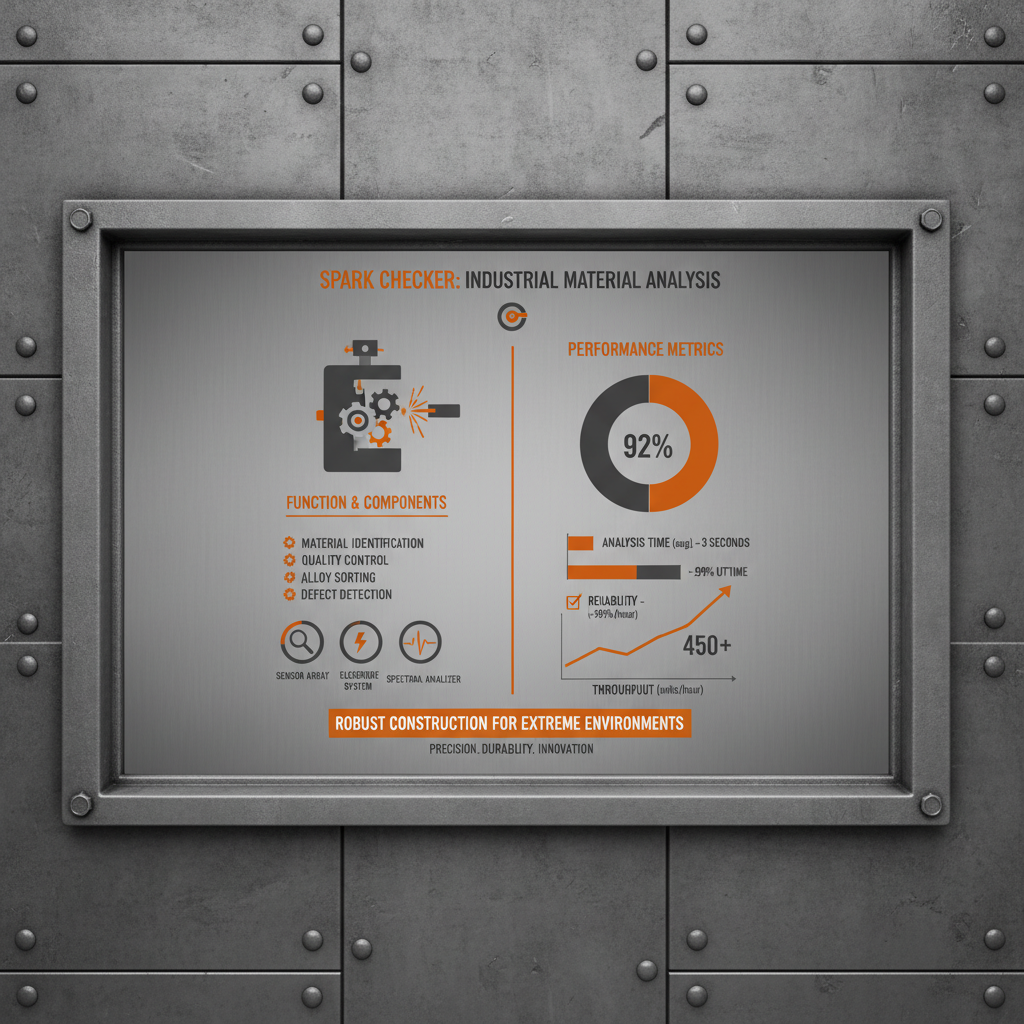
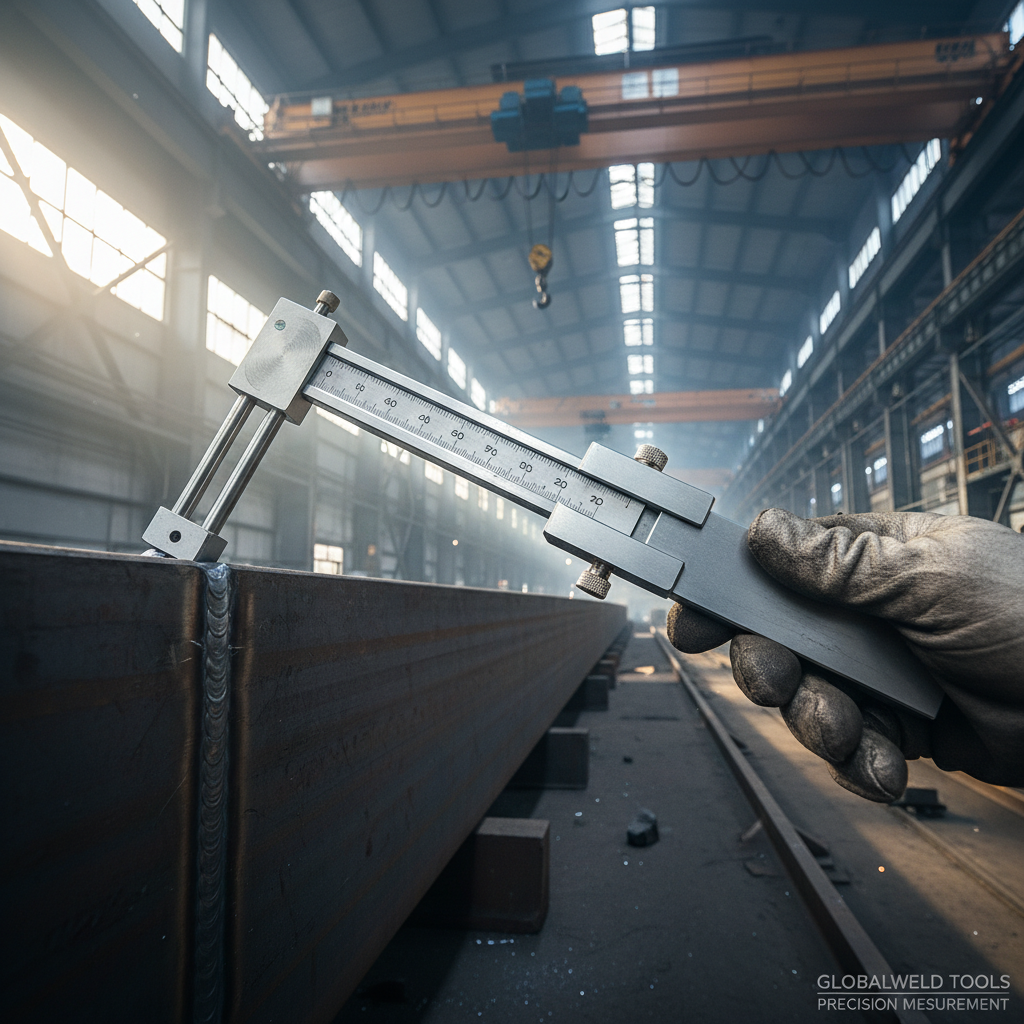
The field of industrial welding relies heavily on precision and reliability, and a crucial tool ensuring both is the spark checker. These devices, often underestimated, are paramount in confirming the quality of welds – a process vital across numerous industries from manufacturing and construction to aerospace and energy. A faulty weld can have catastrophic consequences, making consistent, accurate spark checking an indispensable part of quality control and safety protocols.
Globally, the demand for robust welding inspection tools like the spark checker is steadily rising, driven by stringent safety regulations and increasing infrastructure development. According to the International Institute of Welding (IIW), the global welding market is projected to reach \$120 billion by 2027, indicating a significant need for inspection equipment to maintain standards. Failure to address weld defects leads to costly repairs, project delays, and potential hazards, highlighting the economic and safety imperative for widespread implementation of effective spark checking methods.
The importance of a spark checker extends beyond mere quality assurance. It contributes to minimizing environmental impact by reducing material waste associated with rework, and ultimately boosts overall efficiency in fabrication processes. As industries strive for sustainable practices and operational excellence, effective welding inspection, spearheaded by reliable spark checkers, will continue to be a cornerstone of success.
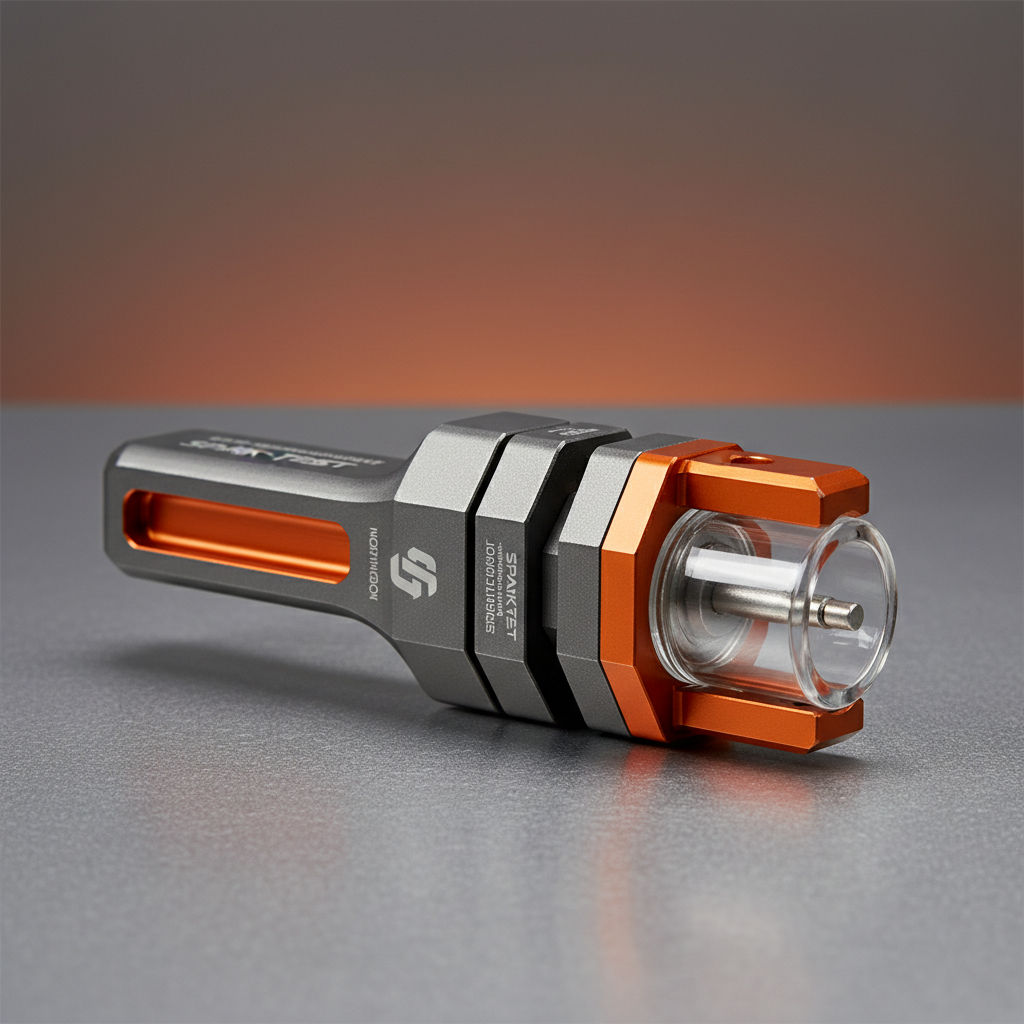
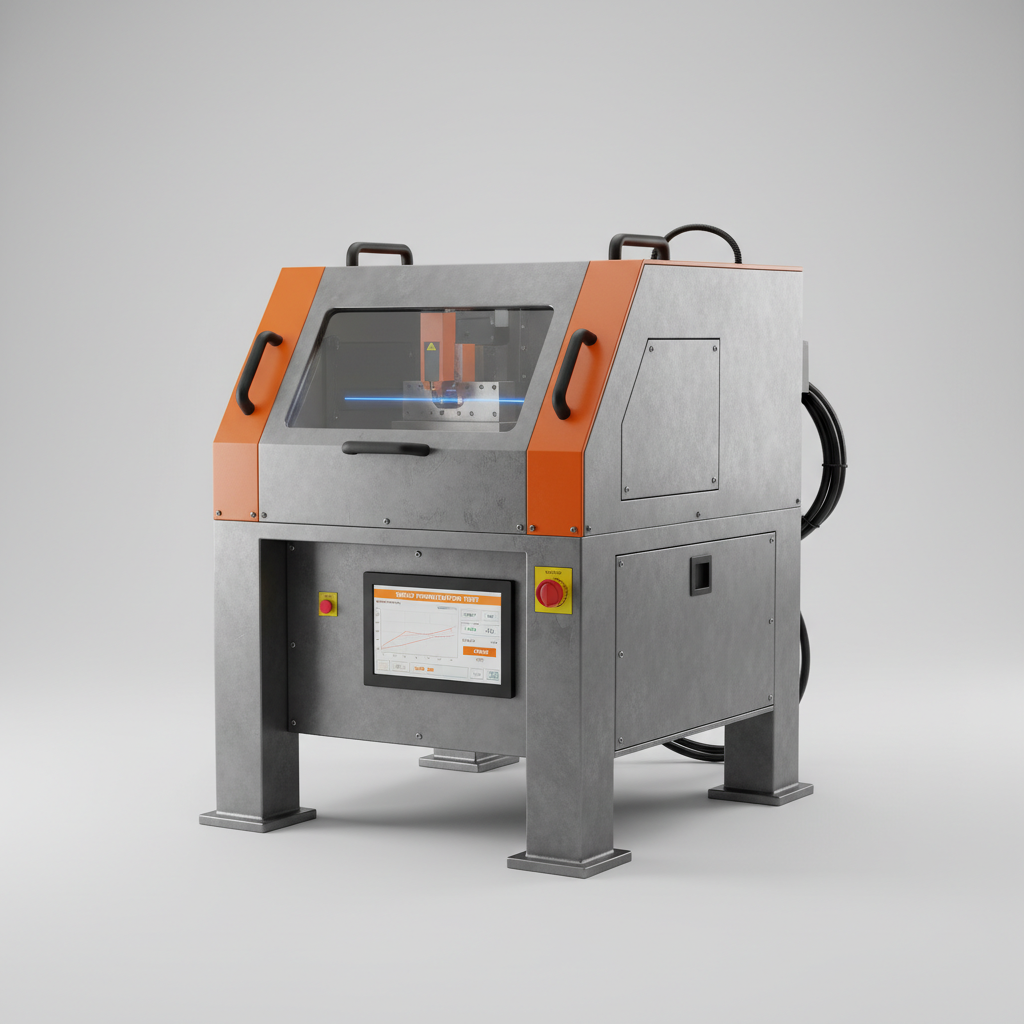
At its heart, a spark checker determines the integrity of a weld by analyzing the pattern and characteristics of the sparks generated when a grinding wheel is passed across the weld surface. These sparks provide visual clues about the weld's internal structure, specifically the presence of porosity, cracks, or incomplete fusion. Experienced technicians can quickly interpret these patterns to identify potential defects.
The simplicity of this method, combined with its cost-effectiveness, makes the spark checker a staple in many workshops and on-site construction projects. While increasingly sophisticated Non-Destructive Testing (NDT) methods exist, the spark check remains a crucial first-line inspection technique, offering a rapid and reliable preliminary assessment of weld quality.
The origins of spark checking can be traced back to the early days of arc welding, where visual inspection was the primary method of quality control. As welding techniques evolved, particularly with the advent of shielded metal arc welding (SMAW), the need for a more objective assessment of weld quality became apparent. The spark checker emerged as a direct response to this need, initially relying solely on the trained eye of the welder or inspector.
Throughout the 20th century, the technique gradually refined, with standardized training programs developed to improve consistency and accuracy. The introduction of portable grinding wheels and specialized spark checking charts further enhanced the method's practicality. Although modern NDT techniques have emerged, the fundamental principles of spark checking remain largely unchanged, testament to its enduring effectiveness.
Today, there's a resurgence of interest in refining the spark checker through digital imaging and AI-powered analysis, aiming to combine the experienced inspector's skill with objective, repeatable data.
The distinct characteristics of sparks generated during spark checking are directly related to the weld's metallurgical structure. A sound weld, free of defects, will typically produce consistent, predictable sparks. Variations in the spark pattern—such as branching, streaming, or inconsistent color—indicate underlying anomalies. These anomalies are directly linked to the presence of issues like lack of penetration or subsurface porosity.
The shape and direction of sparks are influenced by the weld’s composition. For instance, carbon steel welds generate different sparks than stainless steel welds. An understanding of how various materials respond to spark checking is crucial for accurate interpretation. The operator's skill lies in recognizing subtle deviations from the expected spark pattern for the specific material and welding process. A thorough grasp of metallurgy is essential for effective use of a spark checker.
The speed and pressure applied during grinding also influence the spark characteristics. Maintaining a consistent technique is, therefore, crucial for obtaining reliable results. Modern training emphasizes standardized procedures to minimize operator variability and enhance the objectivity of the spark checking process.
Successful spark checking depends on several key parameters. The first is proper wheel selection. Different grinding wheel abrasives (such as aluminum oxide or silicon carbide) produce different spark characteristics, and selecting the appropriate wheel for the material being inspected is critical. The correct grind angle and consistent pressure are also essential.
Furthermore, the environmental conditions, such as lighting and cleanliness of the weld surface, can impact visibility and interpretation. A well-lit, clean weld surface ensures that spark characteristics are clearly visible and accurately assessed. The skill and training of the operator are paramount; a trained inspector understands the nuances of spark patterns and can reliably identify potential defects.
The spark checker is utilized globally across a diverse range of industries. In construction, it’s crucial for inspecting welds on structural steel, bridges, and pipelines. The shipbuilding industry relies heavily on it to ensure the integrity of hull welds. Manufacturing facilities use spark checking to verify the quality of welds in various components and assemblies.
In regions with limited access to advanced NDT equipment, like some parts of Asia and Africa, the spark checker remains a primary inspection tool due to its affordability and ease of use. Even in developed nations, it serves as a vital first-pass inspection method before more sophisticated techniques are employed.
The primary advantage of a spark checker is its cost-effectiveness. Compared to radiographic testing, ultrasonic testing, or liquid penetrant inspection, spark checking requires minimal equipment investment and ongoing maintenance. Its portability is another significant benefit, allowing for on-site inspections in remote locations or confined spaces.
Furthermore, spark checking provides immediate feedback, enabling welders to identify and correct defects in real-time. This reduces the risk of costly rework and improves overall welding efficiency. The simplicity of the technique makes it accessible to a wide range of personnel with appropriate training.
Beyond the practical benefits, utilizing a spark checker contributes to improved safety and reliability in welded structures, protecting lives and minimizing potential environmental damage.
While the fundamental principles of spark checking remain constant, ongoing research and development are focused on enhancing its accuracy and objectivity. One promising avenue is the integration of digital imaging and machine learning. AI-powered systems can analyze spark patterns with greater precision and consistency than the human eye.
Another trend is the development of automated spark checking systems, which can perform inspections without the need for manual operation. These systems often incorporate robotic arms and advanced sensors, further increasing efficiency and reducing human error. These advancements promise to elevate the spark checker to a new level of performance.
Combining the experience of a skilled technician with the analytical power of AI-driven solutions will provide the most robust and reliable method for weld inspection.
| Technology Area | Current Status | Potential Impact | Implementation Timeline |
|---|---|---|---|
| Digital Image Analysis | Early Stage Development | Increased Accuracy & Objectivity | 2-5 Years |
| Machine Learning Algorithms | Proof of Concept | Automated Defect Detection | 5-10 Years |
| Automated Robotic Systems | Pilot Projects | Improved Efficiency & Consistency | 3-7 Years |
| Real-Time Data Analytics | Conceptual Design | Predictive Maintenance & Quality Control | 5-10 Years |
| Cloud-Based Data Storage | Existing Infrastructure | Remote Monitoring & Collaboration | Currently Available |
| Integration with Welding Automation | Initial Testing | Closed-Loop Quality Control | 7-10 Years |
Becoming a competent spark checker operator typically requires a formal training program, often offered by welding societies or technical schools. These programs cover weld metallurgy, defect identification, grinding techniques, and interpretation of spark patterns. A solid understanding of these principles is essential for accurate and reliable assessments. Certification programs, like those offered by the American Welding Society (AWS), provide recognized credentials for qualified inspectors.
While a spark checker is excellent at identifying common surface and near-surface defects like porosity, lack of fusion, and cracks, it’s not a universal solution for all weld flaws. It may struggle to detect deeply embedded defects or defects within thick weldments. For comprehensive inspection, it's often used in conjunction with other Non-Destructive Testing (NDT) methods like radiography or ultrasonic testing.
Different steel alloys produce distinct spark patterns. Carbon steels generally generate bright, branching sparks, while stainless steels tend to produce shorter, less pronounced sparks. Alloy steels require specialized interpretation based on their composition. Understanding these differences is vital for accurate defect detection. Training programs emphasize recognizing these variations and correlating them with potential weld flaws.
For critical applications like pipelines, spark checking is often used as a preliminary inspection step. However, it's typically supplemented with more rigorous NDT methods like ultrasonic testing or radiographic testing to ensure complete defect detection. The combination of techniques provides a higher level of confidence in weld integrity for such sensitive applications.
The grinding wheel plays a crucial role. The type of abrasive, grain size, and condition of the wheel all influence the sparks generated. A worn or improperly selected wheel can produce inconsistent sparks, leading to inaccurate interpretations. Using a high-quality, properly maintained grinding wheel is essential for reliable spark checking results. Maintaining consistent pressure and speed is also key.
Adverse weather conditions, such as rain, snow, or high humidity, can significantly impact the accuracy of spark checking. Moisture on the weld surface can alter spark characteristics, making it difficult to interpret the results. Conducting spark checks in a sheltered environment, or thoroughly drying the weld surface, is crucial to maintain reliable inspection.
In summary, the spark checker remains a vital tool for weld inspection, prized for its cost-effectiveness, portability, and ease of use. While advancements in NDT are continuously emerging, the fundamental principles of spark checking remain relevant and are even being augmented by new technologies like AI and automation. Its enduring value stems from its ability to provide a rapid, reliable initial assessment of weld quality, ensuring the safety and integrity of critical infrastructure and manufactured products.
Looking ahead, embracing these technological advancements will be essential to maximizing the potential of the spark checker. Investing in comprehensive training programs, standardizing procedures, and integrating digital tools will further enhance the accuracy and efficiency of this valuable inspection technique. Visit our website at aquafusionwelder.com to learn more about our welding solutions and inspection tools.
SUBSCRIBE NEWSLETTER
Dear customer, thank you for your attention! We provide high-quality machinery and equipment and look forward to your orders. Please inform us of your needs and we will respond quickly!
If you are interested in our products, you can choose to leave your information here, and we will be in touch with you shortly.