• Group_308.webp1
  • Group_308.webp2
  • Group_308.webp3
  • Group_308.webp4
  • 819_2025032815210071348.png
0%

Table of Contents

The spark gap tester is a crucial instrument in ensuring the integrity and safety of electrical systems across a vast spectrum of industries. Its ability to accurately verify insulation strength and detect potential weaknesses before they lead to catastrophic failures makes it indispensable. From power generation and transmission to manufacturing and automotive sectors, the demand for reliable spark gap testers is consistently high, driven by stringent safety regulations and the growing complexity of electrical equipment. Understanding the principles and applications of this device is paramount for engineers, technicians, and safety professionals alike.

Globally, electrical safety standards are becoming increasingly rigorous, fueled by growing concerns about accidents and equipment downtime. Organizations like the IEC (International Electrotechnical Commission) and IEEE (Institute of Electrical and Electronics Engineers) continually update their guidelines, necessitating advanced testing procedures and reliable equipment like the spark gap tester. The economic impact of electrical failures is substantial, with power outages costing industries billions of dollars annually. Therefore, investing in accurate and efficient spark gap testing is not merely a compliance issue, but a strategic business imperative.

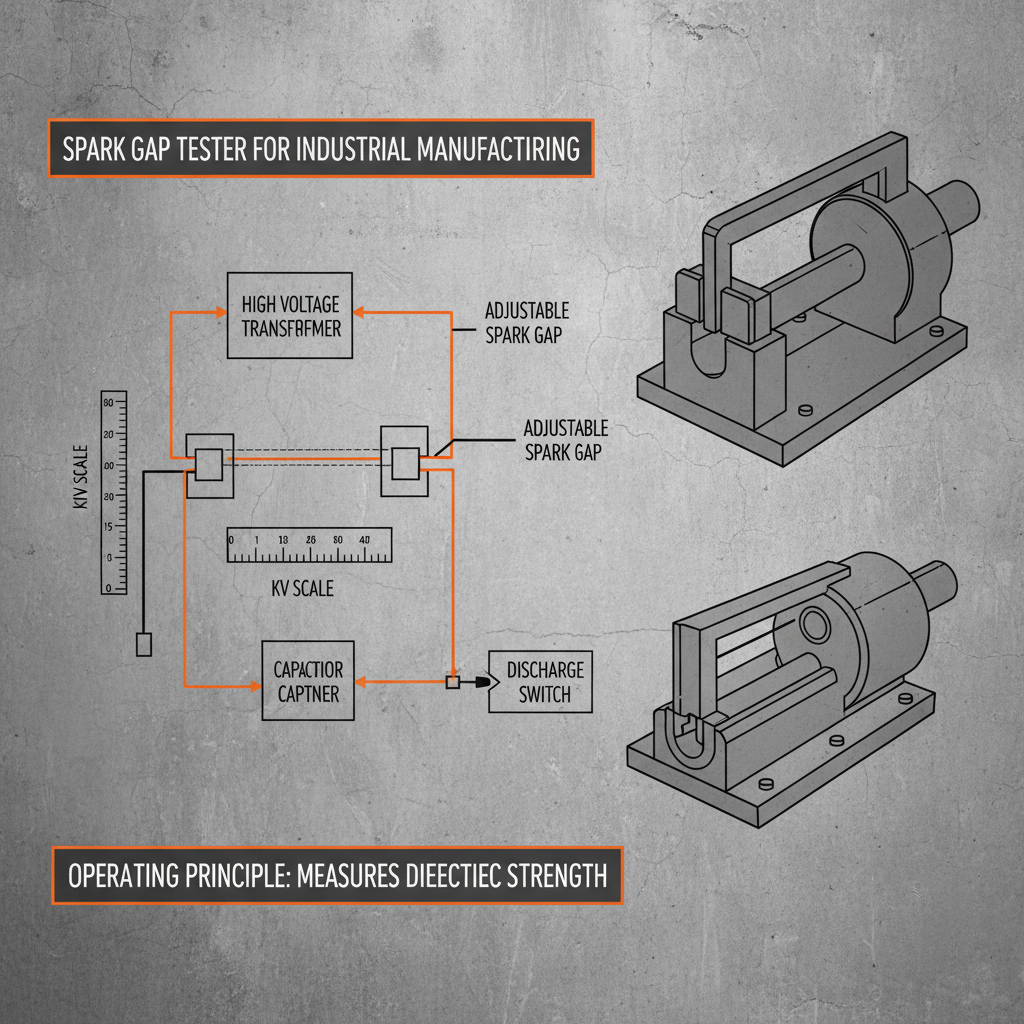
The spark gap tester fundamentally works by applying a high-voltage impulse across a controlled gap between two electrodes. The voltage at which this spark occurs is directly related to the dielectric strength of the surrounding medium (typically air or gas). By comparing the breakdown voltage to a predetermined threshold, technicians can assess the insulation capabilities of cables, transformers, and other electrical components. It’s a simple yet powerful method for preemptively identifying weaknesses and preventing potentially hazardous failures.
Understanding the Importance and Application of the Spark Gap Tester

The Importance of Spark Gap Testing

Understanding the Importance and Application of the Spark Gap Tester

Spark gap testing is paramount in maintaining electrical safety and preventing costly equipment failures. It's a preventative measure that can identify weaknesses in insulation before they escalate into hazardous situations. The ability to perform accurate spark gap tests directly correlates with the reliability and longevity of electrical infrastructure across diverse sectors.

The proactive nature of spark gap testing contributes significantly to reducing downtime and enhancing operational efficiency. By identifying potential issues early on, maintenance can be scheduled effectively, minimizing disruptions to critical processes. This is especially important in industries where continuous operation is essential, such as data centers, hospitals, and manufacturing plants.

Defining the Spark Gap Tester

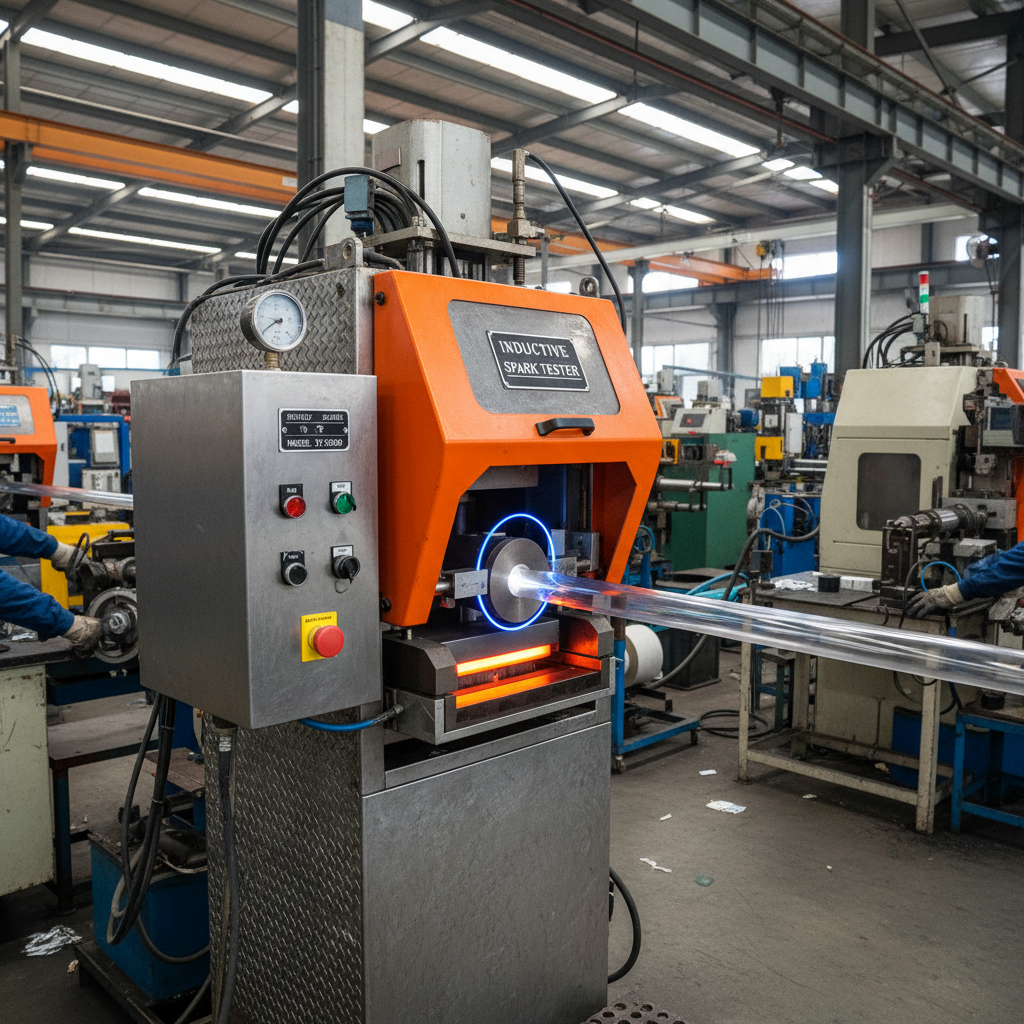
A spark gap tester is an instrument used to verify the dielectric strength of insulating materials. It functions by generating a high-voltage impulse and observing the voltage at which a spark jumps across a defined gap. This "breakdown voltage" is a critical indicator of the insulation's ability to withstand electrical stress. The tester is a fundamental tool in quality control and maintenance procedures.

Unlike more complex insulation testing methods, the spark gap tester offers a relatively straightforward and cost-effective solution for assessing insulation integrity. While it doesn't provide detailed information about the specific type of insulation defect, it serves as an excellent initial screening tool. It's often used in conjunction with other testing methods to provide a more comprehensive assessment.

The relevance of a spark gap tester extends beyond merely adhering to industry standards. It is a critical component in ensuring the safety of personnel working with or near electrical equipment, and in preventing damage to valuable assets. In a modern world increasingly reliant on electricity, accurate and reliable spark gap testing is more crucial than ever.

Core Components and Operating Principles

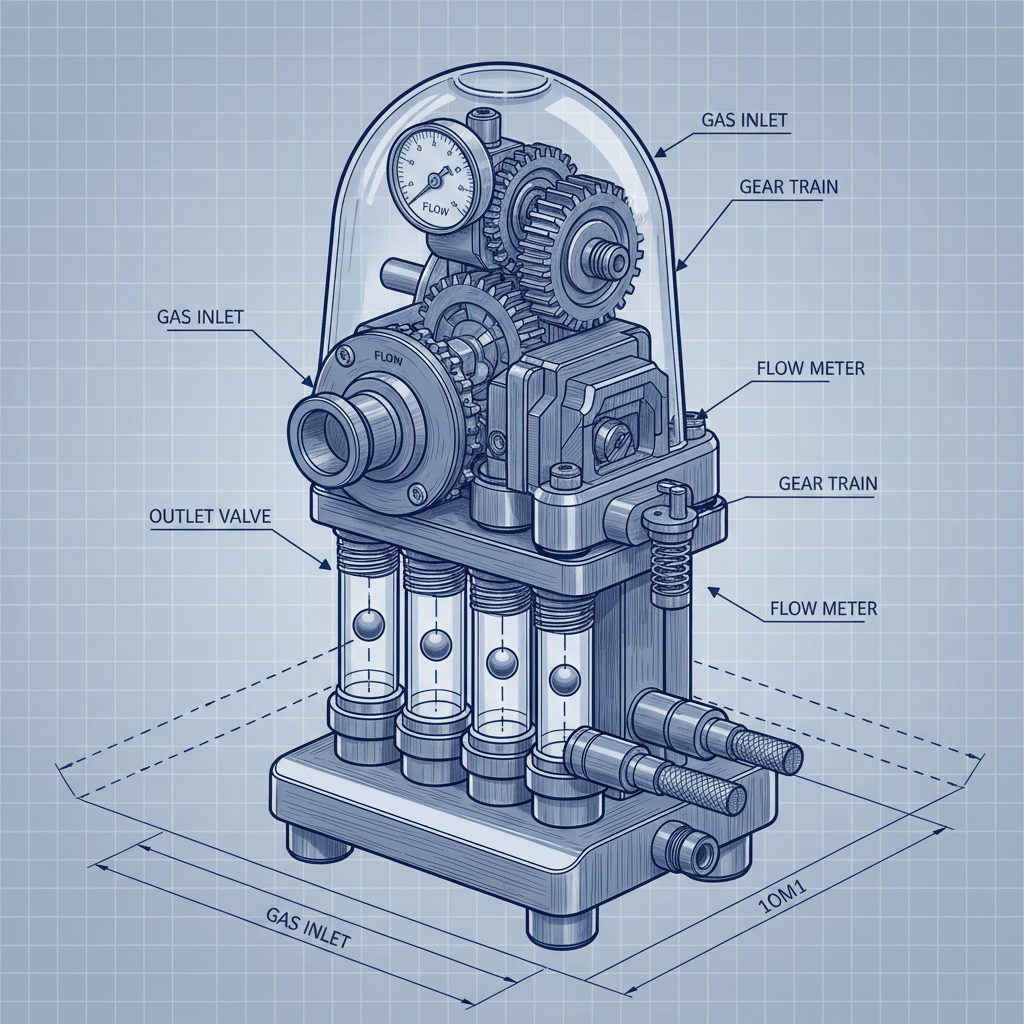
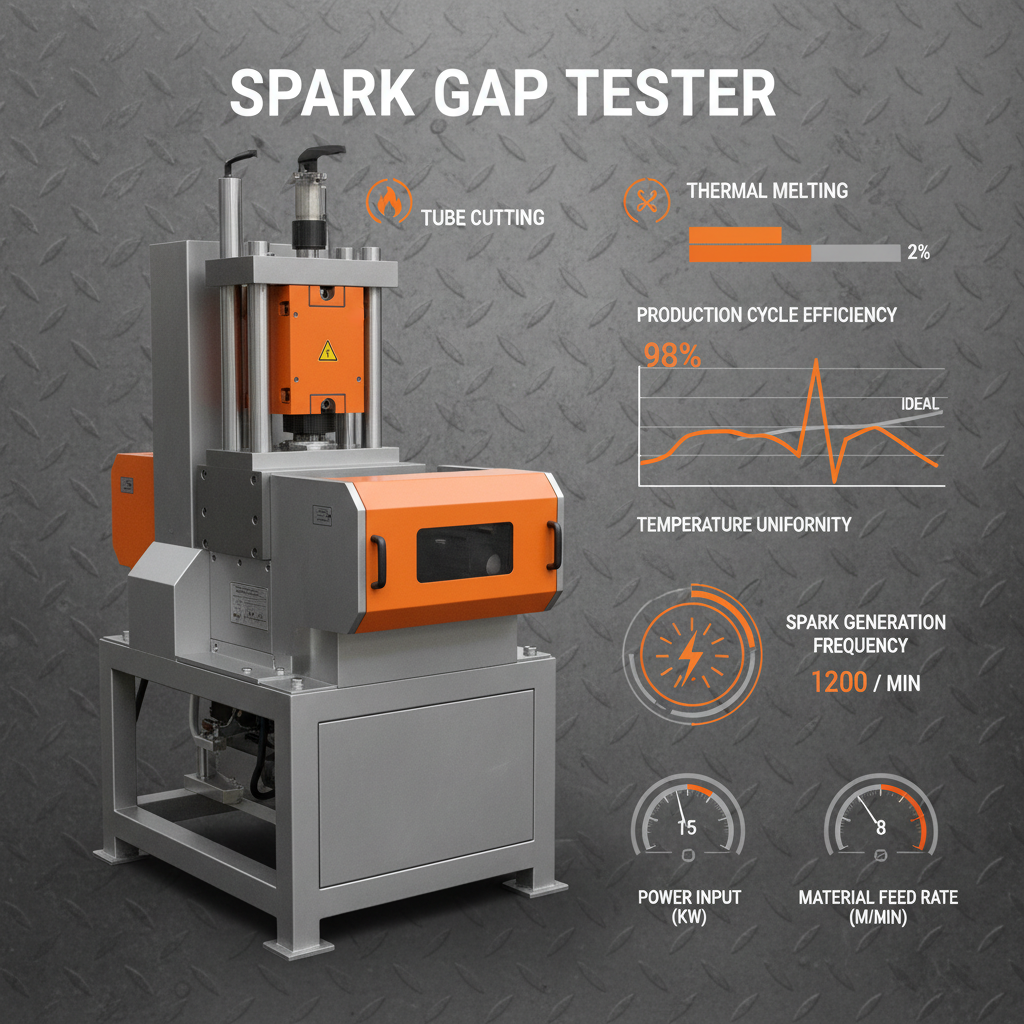
The core components of a spark gap tester typically include a high-voltage generator, a spark gap assembly, a voltage measuring system, and a control unit. The high-voltage generator produces the necessary impulse voltage, while the spark gap assembly provides a controlled distance across which the spark can occur. The voltage measuring system accurately determines the breakdown voltage.

The operating principle relies on Paschen's Law, which describes the relationship between breakdown voltage, gap distance, gas pressure, and the type of gas. By controlling these parameters, the tester can accurately assess the insulation strength. The spark gap is carefully calibrated to ensure consistent and repeatable results.

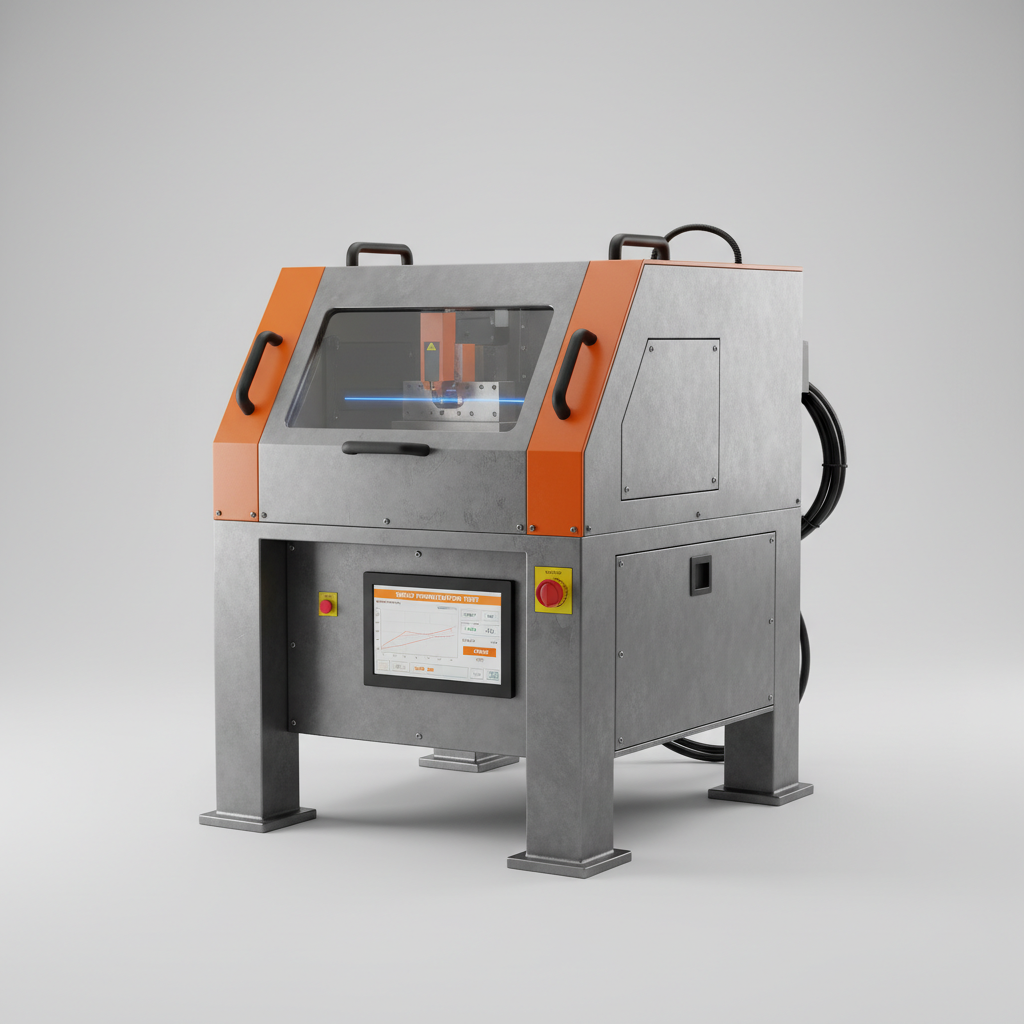
Modern spark gap testers often incorporate digital control systems and data logging capabilities, enhancing accuracy and simplifying the testing process. Some models also include features like automatic gap adjustment and programmable test sequences. The continued evolution of these features aims to improve reliability and efficiency.

Key Factors Influencing Tester Performance

Several factors significantly impact the accuracy and reliability of a spark gap tester. Calibration is paramount; regular calibration against a known standard is essential to ensure consistent results. Environmental conditions, such as temperature and humidity, can also affect the breakdown voltage and must be carefully controlled.

The electrode material and geometry play a vital role. Rounded electrodes generally provide more consistent results than sharp ones. The type of gas used between the electrodes also influences the breakdown voltage, with dry air being a common choice. Proper grounding and shielding are crucial to minimize interference and ensure accurate measurements.

Spark Gap Tester Performance Metrics


Global Applications of Spark Gap Testers

Spark gap testers find widespread applications across numerous industries. In power generation and transmission, they are used to assess the insulation of transformers, switchgear, and cables, ensuring reliable power delivery. Manufacturing facilities employ them to test the insulation of motors, generators, and other electrical equipment.

The automotive industry utilizes spark gap testers for quality control of ignition systems and high-voltage components in electric vehicles. In aerospace, they are critical for verifying the insulation of wiring harnesses and electrical systems in aircraft. In remote industrial zones, where maintenance resources may be limited, the robustness and ease of use of a spark gap tester are particularly valuable.

Advantages and Long-Term Value

The advantages of using a spark gap tester are numerous. Beyond the immediate safety benefits, it provides a cost-effective method for preventative maintenance, reducing the likelihood of expensive repairs and downtime. Its relative simplicity makes it easy to operate and maintain, requiring minimal training.

The long-term value lies in the enhanced reliability of electrical systems and the peace of mind it provides. By proactively identifying potential weaknesses, the spark gap tester contributes to a safer working environment, reduces the risk of accidents, and protects valuable assets. These factors translate into significant economic and operational benefits over the lifetime of the equipment.

Investing in a quality spark gap tester isn't merely an expense; it's an investment in the longevity, safety, and efficiency of critical electrical infrastructure. The potential cost savings from preventing even a single major failure far outweigh the initial investment.

Future Trends in Spark Gap Testing

The future of spark gap testing is poised for innovation, driven by advancements in digital technology and the growing demand for more sophisticated testing capabilities. Integration with IoT (Internet of Things) devices is enabling remote monitoring and data analysis, providing real-time insights into insulation performance.

The development of automated spark gap testers is streamlining the testing process and reducing the potential for human error. Furthermore, research into new electrode materials and gas mixtures is aiming to enhance accuracy and sensitivity. The convergence of these technologies promises a new era of proactive and predictive maintenance.

As sustainability becomes increasingly important, there is growing focus on minimizing the environmental impact of testing equipment. Manufacturers are exploring energy-efficient designs and eco-friendly materials to reduce the carbon footprint of spark gap testers.

Summary of Key Spark Gap Testing Considerations

Testing Parameter Importance Level Recommended Frequency Potential Consequences of Neglect
Calibration Accuracy 10 Annually Inaccurate Readings, False Positives
Electrode Condition 9 Bi-Annually Inconsistent Sparking, Reduced Reliability
Environmental Control 7 During Testing Skewed Results, Unreliable Data
Grounding Integrity 8 Pre-Testing Check Safety Hazard, Interference
Voltage Range Verification 6 With Each Test Incomplete Testing, Missed Faults
Data Logging Accuracy 5 Quarterly Lost Data, Ineffective Trend Analysis

FAQS

What is the primary purpose of using a spark gap tester?

The primary purpose of a spark gap tester is to assess the dielectric strength of insulating materials. It determines the voltage at which an insulating medium breaks down, indicating its ability to withstand electrical stress. This helps identify potential weaknesses and prevent failures, ensuring the safety and reliability of electrical systems. Regular testing is crucial for preventative maintenance, particularly in high-voltage applications where the consequences of failure can be severe.

How often should I calibrate my spark gap tester?

It is recommended to calibrate your spark gap tester annually, or more frequently if it is subjected to harsh environmental conditions or heavy use. Calibration ensures the accuracy of the tester and its ability to provide reliable results. Utilizing a certified calibration service is best practice, guaranteeing traceability to national standards. Neglecting calibration can lead to inaccurate readings and compromise the safety of your electrical systems.

What are the limitations of using a spark gap tester?

While effective, spark gap testers have limitations. They only indicate whether insulation has broken down, not the type or location of the defect. They are best used as a preliminary screening tool, often complemented by more advanced testing methods like insulation resistance testing or partial discharge analysis. Furthermore, results can be affected by environmental factors like temperature and humidity, requiring careful control during testing.

Can a spark gap tester be used on all types of insulation?

Spark gap testers can be used on a variety of insulation materials, including air, oil, and solid dielectrics. However, the specific test parameters and electrode configurations may need to be adjusted depending on the type of insulation being tested. It is essential to consult the manufacturer's guidelines and relevant industry standards to ensure accurate and reliable results. Incorrect application can lead to inaccurate readings or damage to the tester.

What safety precautions should I take when using a spark gap tester?

Spark gap testers generate high voltages, posing a significant safety risk. Always follow the manufacturer's safety instructions and wear appropriate personal protective equipment (PPE), including insulated gloves and safety glasses. Ensure the testing area is clear of personnel and conductive materials. Proper grounding is crucial to prevent electrical shock. Never operate the tester in wet or damp conditions.

How does humidity affect spark gap testing results?

Humidity significantly affects spark gap testing results, as moisture reduces the dielectric strength of air and other insulating media. Higher humidity levels typically lead to lower breakdown voltages, potentially indicating a false failure. Therefore, it's crucial to control humidity during testing or apply correction factors to the results. Ideally, testing should be conducted in a dry environment, and humidity readings should be recorded for accurate interpretation.

Conclusion

In conclusion, the spark gap tester remains an indispensable tool for ensuring electrical safety and reliability. Its ability to quickly and cost-effectively assess insulation strength makes it crucial across a diverse range of industries. From power generation to manufacturing and beyond, proactive spark gap testing minimizes the risk of equipment failures, protects personnel, and enhances operational efficiency.

Looking ahead, the integration of digital technology and automation will further enhance the capabilities of spark gap testers. Investing in a high-quality tester and adhering to proper testing procedures is a strategic decision that delivers long-term benefits. To learn more about spark gap testers and their applications, visit our website: www.aquafusionwelder.com.

Kevin Williams

Kevin Williams

Kevin Williams is a Technical Support Engineer at MM-Tech, providing comprehensive assistance to customers on equipment operation, maintenance, and troubleshooting. He joined MM-Tech in 2020, bringing a strong foundation in electronics and a commitment to resolving technical challenges efficiently. Kevin is proficient in remote diagnostics and works closely with the
Previous Advanced Spark Checker Tools for Welding Quality and Operational Excellence
Next The Indispensable Spark Checker for Reliable Weld Quality and Industrial Safety

SUBSCRIBE NEWSLETTER

Dear customer, thank you for your attention! We provide high-quality machinery and equipment and look forward to your orders. Please inform us of your needs and we will respond quickly!

If you are interested in our products, you can choose to leave your information here, and we will be in touch with you shortly.