 Email:news@peweldingmachine.com
 +86-137 3974 5191

NO.355,Youyi Street,Qiaoxi District,Shijiazhuang,Hebei,China.



Weld coupon testing equipment is crucial for ensuring the integrity and reliability of welded joints across a multitude of industries. From pipelines transporting vital resources to the structural components of bridges and buildings, the quality of welds directly impacts safety, longevity, and operational efficiency. Advancements in weld coupon testing equipment, encompassing techniques like tensile, bend, impact, and hardness testing, provide critical data for validating welding procedures, qualifying welders, and preventing catastrophic failures. The global demand for robust and reliable infrastructure fuels the ongoing need for sophisticated and accurate weld coupon testing equipment.
The importance of weld quality extends beyond infrastructure. The aerospace, automotive, and energy sectors all rely heavily on welded components that must meet stringent safety standards. Regulatory bodies like the American Welding Society (AWS) and the International Organization for Standardization (ISO) establish guidelines and standards that necessitate thorough testing and documentation. The increasing complexity of materials and welding processes requires continuous innovation in weld coupon testing equipment to address emerging challenges. Failure to adhere to these standards can result in significant financial losses, environmental damage, and potential loss of life.
The use of accurate and reliable weld coupon testing equipment isn’t just about compliance; it’s about building confidence in the finished product. By rigorously evaluating weld properties, manufacturers and engineers can proactively identify and address potential weaknesses, extending the lifespan of critical assets and reducing the risk of unexpected downtime. The industry is shifting towards more automated and data-driven approaches to weld testing, further emphasizing the need for advanced weld coupon testing equipment that can integrate seamlessly into modern quality control systems.
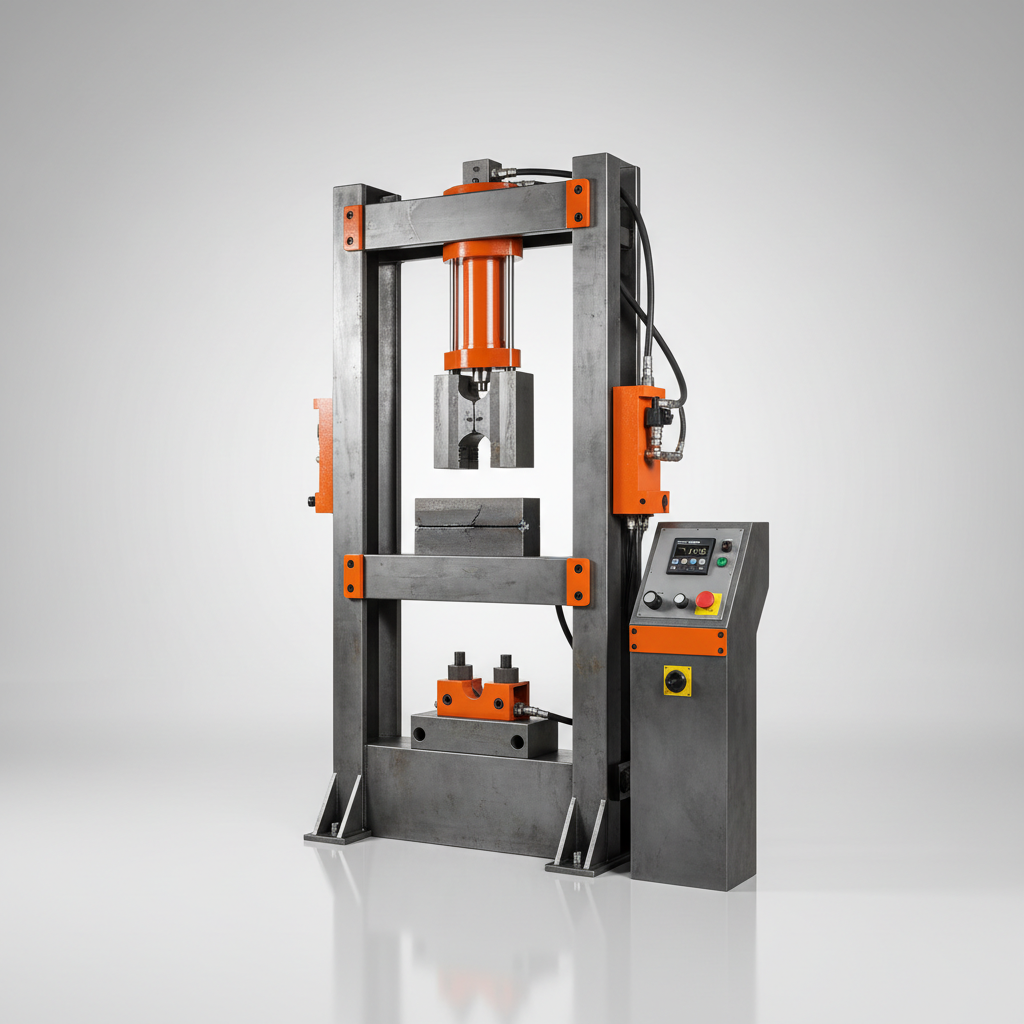
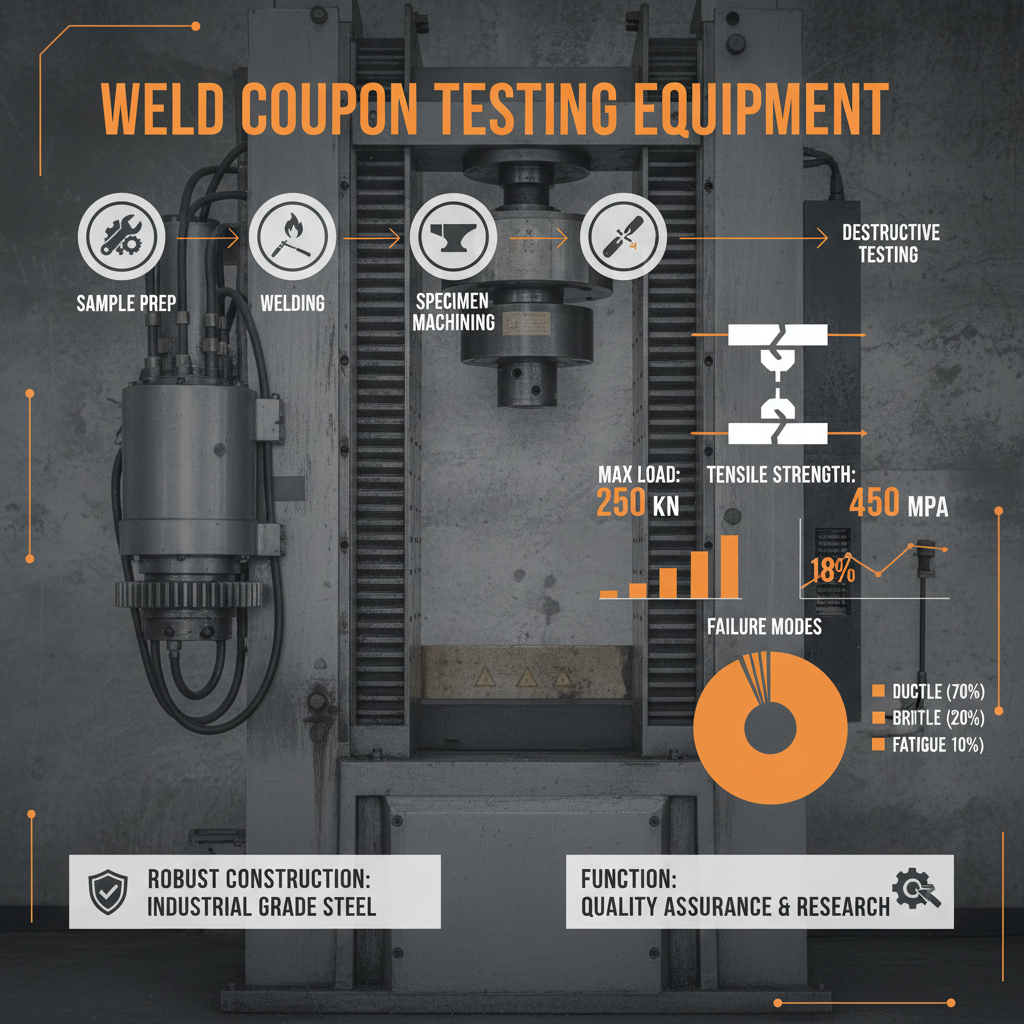
Weld coupon testing equipment plays a vital role in maintaining the safety and structural integrity of countless applications, spanning from critical infrastructure to everyday products. It moves beyond simple visual inspections to provide quantifiable data on weld strength, ductility, and resistance to failure. Without accurate and reliable testing, there is an increased risk of catastrophic events, costly repairs, and compromised public safety.
The investment in high-quality weld coupon testing equipment directly translates to a reduction in long-term costs associated with maintenance, repairs, and potential failures. Proactive testing allows for the early detection of defects, preventing minor issues from escalating into major problems. It’s a foundational element of a comprehensive quality assurance program, contributing to increased operational efficiency and reduced downtime.
The lifespan of weld coupon testing equipment varies depending on the type of equipment, frequency of use, and maintenance schedule. Generally, well-maintained equipment can last for 10-15 years or more. Load cells and electronic components may require replacement sooner, typically every 5-7 years, to ensure accuracy. Regular calibration and preventative maintenance are crucial for extending the life of your investment.
Calibration frequency depends on usage and regulatory requirements. However, a good rule of thumb is to calibrate equipment annually, or more frequently if it is used heavily or in critical applications. Traceable calibration to national or international standards is essential to ensure the reliability of your test results. Failure to calibrate can lead to inaccurate data and potential safety hazards.
Destructive testing, like tensile and bend testing, involves physically stressing the weld coupon until it fails, providing data on its ultimate strength and ductility. Non-destructive testing (NDT), such as ultrasonic and radiographic testing, evaluates the weld without causing damage, identifying internal flaws and discontinuities. NDT is ideal for in-service inspection and quality control, while destructive testing is used for verification and validation.
Safety is paramount when operating weld coupon testing equipment. Always wear appropriate personal protective equipment (PPE), including safety glasses, gloves, and steel-toe boots. Ensure the equipment is properly grounded and that all safety guards are in place. Follow the manufacturer's operating instructions and receive adequate training before using the equipment. Be aware of potential pinch points and moving parts.
Automation streamlines the testing process, reducing manual labor and improving data accuracy. Automated systems can control testing parameters with greater precision, eliminate human error, and generate reports automatically. This frees up technicians to focus on more complex tasks and improves overall testing throughput. Automated systems also allow for consistent testing across multiple samples.
Data analysis is crucial for interpreting test results and identifying potential issues. Analyzing data from weld coupon testing allows engineers to assess the performance of welding procedures, identify trends, and make informed decisions about weld quality. Statistical process control (SPC) techniques can be used to monitor weld quality over time and ensure consistency. Modern software packages simplify data analysis and reporting.
In conclusion, weld coupon testing equipment is an indispensable tool for ensuring the safety, reliability, and longevity of welded structures across a wide range of industries. From aerospace and oil & gas to construction and manufacturing, accurate and reliable testing is critical for preventing catastrophic failures, reducing costs, and maintaining public trust. The ongoing evolution of testing technologies, driven by innovations in AI, automation, and NDT, promises even greater accuracy, efficiency, and insight into weld performance.
Investing in high-quality weld coupon testing equipment, coupled with rigorous training and adherence to industry standards, is not merely a cost of doing business, but a proactive measure that safeguards assets, protects lives, and fosters a culture of quality. To learn more about our comprehensive range of weld coupon testing equipment and how we can help you optimize your quality control processes, visit our website today!

SUBSCRIBE NEWSLETTER
Dear customer, thank you for your attention! We provide high-quality machinery and equipment and look forward to your orders. Please inform us of your needs and we will respond quickly!