• Group_308.webp1
  • Group_308.webp2
  • Group_308.webp3
  • Group_308.webp4
  • 819_2025032815210071348.png
0%

Table of Contents

A welding gas flow tester is an indispensable tool in modern welding practices, ensuring optimal gas shielding for superior weld quality. The precision of these testers directly impacts the structural integrity of countless applications, from pipelines and pressure vessels to critical infrastructure and aerospace components. Understanding the function and importance of a welding gas flow tester is paramount for welders, engineers, and quality control professionals alike, as it safeguards against defects and failures, ultimately contributing to safer and more reliable structures worldwide.

The global demand for welding – and therefore, accurate gas flow control – is driven by sustained industrial growth, infrastructure development, and stringent safety regulations. According to the American Welding Society, the welding industry contributes trillions to the global economy. A reliable welding gas flow tester isn’t simply a quality control measure; it’s a vital component in upholding these standards and mitigating potential economic and safety risks. Increasingly, industries are recognizing that precision in welding parameters, verified by tools like the welding gas flow tester, is crucial for reducing rework, improving efficiency, and minimizing costly failures.

The advancement in welding gas flow testers reflects broader trends in industrial automation and quality assurance. Modern testers offer digital readouts, data logging capabilities, and compatibility with various shielding gases, enhancing accuracy and repeatability. Investing in robust and precise welding gas flow testers is not merely an expenditure, but a strategic investment in long-term operational efficiency, safety compliance, and superior product quality.
Essential Guide to Welding Gas Flow Testers for Optimal Weld Quality

Introduction to Welding Gas Flow Testers

Essential Guide to Welding Gas Flow Testers for Optimal Weld Quality

A welding gas flow tester serves as a critical instrument in maintaining the integrity of the welding process. It accurately measures the volume of shielding gas delivered to the weld pool, a factor directly correlated to the quality and strength of the weld. Proper gas flow prevents atmospheric contamination, which can lead to porosity, oxidation, and ultimately, weld failure. welding gas flow tester devices are not simply about checking numbers; they are about ensuring reliable, consistent results.

The use of these testers has evolved alongside welding technologies. From simple bubbler-type flow meters to sophisticated digital instruments with data logging, the ability to precisely monitor and control gas flow is increasingly crucial. As welding applications become more complex – especially in industries like aerospace and automotive – the demand for high-precision, reliable testing equipment grows exponentially.

Defining a Welding Gas Flow Tester

At its core, a welding gas flow tester is a device designed to measure the rate at which shielding gas—typically argon, helium, carbon dioxide, or mixtures thereof—is delivered to the welding arc. This measurement is usually expressed in cubic feet per hour (CFH) or liters per minute (LPM). The accuracy of the measurement is essential because insufficient gas flow leads to porosity and weld defects, while excessive flow can create turbulence and compromise shielding effectiveness.

The connection between the welding gas flow tester and modern industry lies in its ability to enforce quality control protocols and ensure adherence to industry standards like those set by the American Welding Society (AWS) and ISO. This is particularly important in sectors where weld integrity is paramount, such as oil and gas pipelines, nuclear power plants, and medical device manufacturing.

In humanitarian contexts, reliable welding, facilitated by accurate flow testing, is vital for rapid infrastructure repair after natural disasters. Providing safe and durable shelters, repairing essential utilities, and restoring communication networks all rely on properly executed welds. Therefore, a welding gas flow tester isn't just an industrial tool; it's a component in supporting resilience and recovery efforts.

Core Components and Functionality

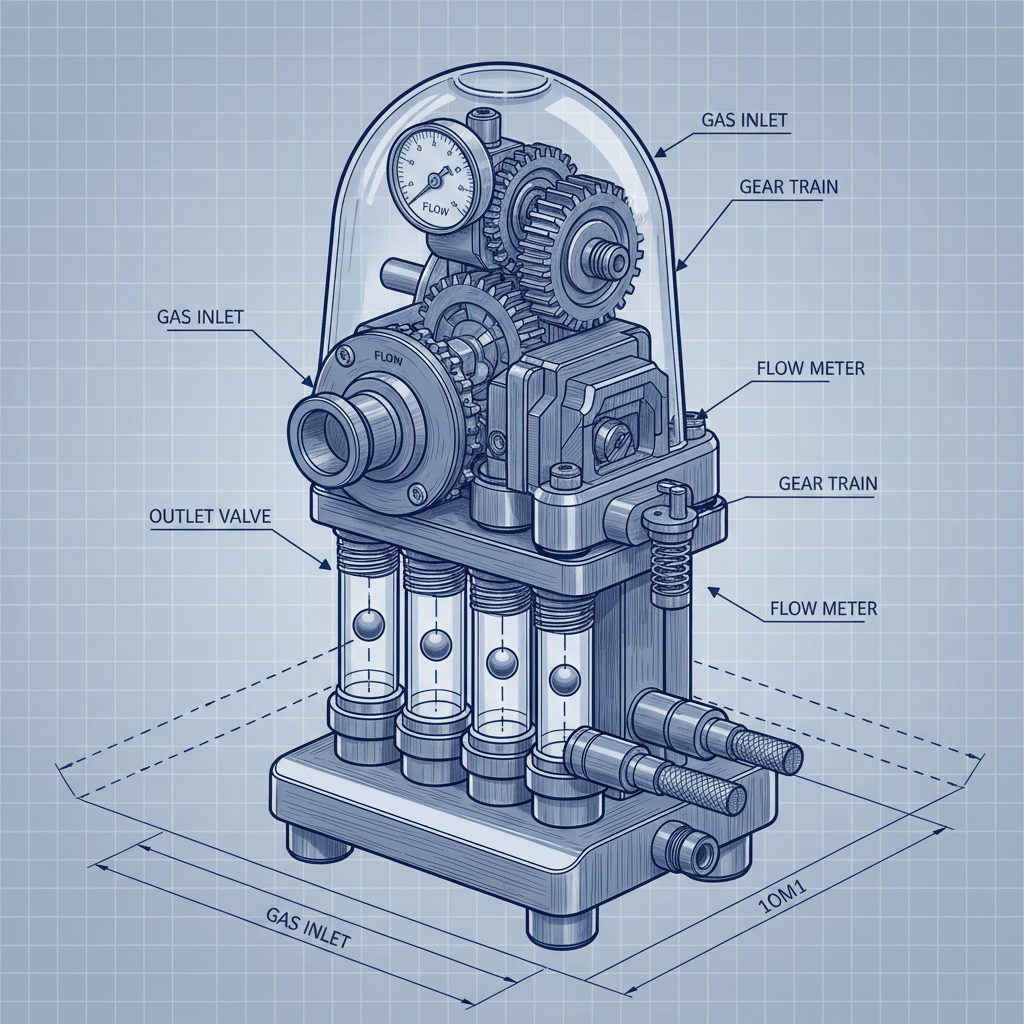
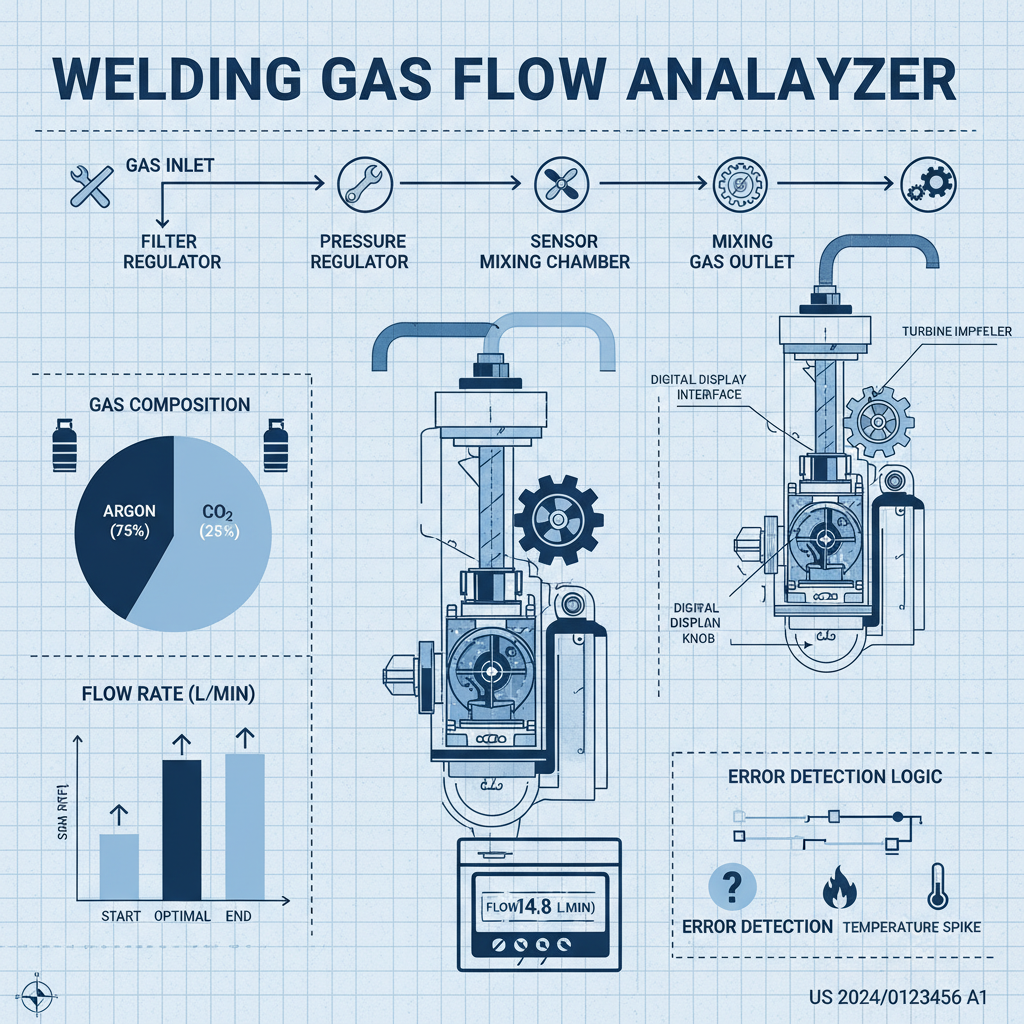
A typical welding gas flow tester comprises several essential components. These include a flow sensor (often a thermal mass flow meter or a rotameter), a regulator to control gas pressure, a digital display for accurate readings, and connections for various gas types. Some advanced models incorporate data logging and communication interfaces for integration with automated welding systems.

The functionality of these components works in unison. The regulator stabilizes gas pressure, ensuring consistent flow. The flow sensor measures the gas rate, converting it into a readable digital display. Data logging capabilities provide a traceable record of gas flow during the welding process, enabling detailed analysis and quality control documentation. This traceability is especially crucial for industries with strict regulatory requirements.

Different types of flow sensors offer varying levels of accuracy and responsiveness. Thermal mass flow meters are known for their precision and ability to measure a wide range of gases, while rotameters are simpler and more cost-effective for basic flow measurement. The choice of sensor depends on the specific application and required level of accuracy.

Key Factors Influencing Tester Performance

Several factors significantly impact the performance and accuracy of a welding gas flow tester. Calibration is paramount; regular calibration against a traceable standard ensures reliable readings. The type of shielding gas used also affects accuracy, as different gases have varying densities and flow characteristics.

Environmental conditions, such as temperature and pressure, can also influence readings. Many testers incorporate temperature compensation features to mitigate these effects. The proper selection of fittings and connections is crucial to prevent leaks and ensure accurate gas delivery to the sensor.

Welding Gas Flow Tester Accuracy by Method


Global Applications Across Industries

Welding gas flow testers find widespread application across numerous industries. In the oil and gas sector, they are crucial for inspecting pipelines and offshore structures, ensuring welds can withstand extreme pressures and corrosive environments. The aerospace industry relies on precise gas flow control for welding critical components of aircraft and spacecraft.

Automotive manufacturing utilizes welding gas flow testers for ensuring the integrity of chassis, body panels, and exhaust systems. In the shipbuilding industry, these testers contribute to the robust construction of vessels, vital for safe and efficient maritime transport. Even in smaller fabrication shops, maintaining proper gas flow is essential for consistent weld quality.

Advantages and Long-Term Value Proposition

Investing in a quality welding gas flow tester delivers substantial advantages. Reduced rework due to weld defects translates to significant cost savings. Improved weld quality enhances the structural integrity and longevity of fabricated structures, increasing safety and reducing the risk of catastrophic failures.

Beyond cost savings, utilizing a welding gas flow tester promotes environmental sustainability by minimizing material waste and energy consumption associated with rework. The enhanced reliability and precision also contribute to building trust with clients and stakeholders, reinforcing a reputation for quality and excellence.

The long-term value extends to operational efficiency. By providing real-time feedback on gas flow, operators can optimize welding parameters and maximize productivity. This contributes to a leaner, more agile manufacturing process.

Future Trends in Welding Gas Flow Testing

The future of welding gas flow testing is intrinsically linked to advancements in digital technology and automation. We are seeing the integration of flow testers with wireless communication capabilities, allowing for remote monitoring and data analysis. Machine learning algorithms are being employed to predict potential flow issues and optimize welding parameters in real-time.

The development of smart sensors, capable of self-calibration and diagnostic reporting, promises to further enhance accuracy and reduce maintenance requirements. The increasing demand for sustainable welding practices is also driving innovation in gas conservation and the development of more environmentally friendly shielding gases, which will necessitate even more precise flow control.

Furthermore, the rise of additive manufacturing (3D printing) is creating new opportunities for welding gas flow testers. Ensuring consistent gas shielding is crucial in additive processes to prevent oxidation and maintain material properties.

Summary of Welding Gas Flow Tester Characteristics

Tester Type Accuracy Level Cost (USD) Typical Application
Rotameter ±5% 50-200 Basic MIG/TIG welding
Thermal Mass Flow Meter ±1% 200-800 Precision TIG welding, aerospace
Digital Flow Controller ±0.5% 800-1500 Automated welding systems
Variable Area Flow Meter ±3% 100-300 General purpose welding
Ultrasonic Flow Meter ±2% 500-1200 High-pressure gas applications
Mass Flow Controller with Data Logging ±0.2% 1200-2500 Critical weld processes with strict quality control

FAQS

What is the recommended calibration frequency for a welding gas flow tester?

The recommended calibration frequency for a welding gas flow tester depends on usage and industry standards. However, a general guideline is to calibrate annually, or more frequently if the tester is used heavily or in critical applications. Calibration ensures accuracy and reliability of readings, preventing potential weld defects. Refer to the manufacturer's guidelines for specific recommendations and consider traceability to national standards.

Can a welding gas flow tester be used with all shielding gases?

While many welding gas flow testers are designed for versatility, compatibility with all shielding gases isn't guaranteed. Different gases have varying densities and properties, which can affect the accuracy of certain flow measurement technologies. Check the tester’s specifications to ensure it is compatible with the specific gas you intend to use—argon, helium, CO2, or mixtures. Some testers may require different calibration settings for different gases.

What are the common errors that can occur when using a welding gas flow tester?

Common errors include improper calibration, leaks in connections, incorrect gas pressure settings, and environmental factors like temperature fluctuations. Ensuring tight connections, maintaining the correct gas pressure, and calibrating regularly are key to minimizing these errors. Some testers have built-in temperature compensation features, but it’s important to understand their limitations.

How does gas pressure affect the accuracy of a welding gas flow tester?

Gas pressure plays a critical role in the accuracy of a welding gas flow tester. Most testers are calibrated for a specific inlet pressure. Significant deviations from this pressure can introduce errors in the flow rate measurement. Always ensure the input pressure is within the specified range for the tester. Regulators are essential for maintaining consistent pressure and achieving accurate readings.

What is the difference between a flow meter and a flow controller?

A flow meter simply measures the gas flow rate, while a flow controller actively regulates the flow to maintain a setpoint. A flow controller uses a control valve to adjust the gas flow based on feedback from a flow sensor. Flow meters are useful for monitoring, while flow controllers are preferred when precise and consistent gas flow is essential for welding quality and process control.

Are digital welding gas flow testers more accurate than analog models?

Generally, digital welding gas flow testers offer higher accuracy and greater features compared to analog models. Digital testers typically employ more precise sensors and provide digital readouts, reducing the potential for human error. Many also offer data logging capabilities and communication interfaces for integration with automated systems. However, the specific accuracy depends on the quality and calibration of the sensor itself, regardless of whether the display is digital or analog.

Conclusion

In conclusion, a welding gas flow tester is not simply a piece of equipment, but a crucial element in ensuring weld quality, safety, and operational efficiency. From maintaining structural integrity in critical infrastructure to enabling precision in advanced manufacturing, the accurate measurement and control of shielding gas flow are paramount. Understanding the components, functionality, and best practices for using these testers is essential for professionals across a wide range of industries.

Looking ahead, advancements in digital technology and automation will continue to drive innovation in welding gas flow testing. Embracing these technologies—such as smart sensors, data logging, and remote monitoring—will empower welding professionals to achieve even greater levels of precision, consistency, and control. Investing in reliable and calibrated welding gas flow testers is an investment in quality, safety, and long-term success.

Robert Chen

Robert Chen

Robert Chen serves as the Head of Product Development at MM-Tech, leading a team dedicated to creating cutting-edge thermoplastic welding equipment. With a background in mechanical engineering and a passion for problem-solving, Robert has been with MM-Tech since its factory establishment in 2019. He’s spearheaded the development of several new
Previous Advancements in Welding Penetration Testing Machine for Enhanced Structural Integrity
Next Advanced Weld Coupon Testing Equipment for Ensuring Structural Integrity

SUBSCRIBE NEWSLETTER

Dear customer, thank you for your attention! We provide high-quality machinery and equipment and look forward to your orders. Please inform us of your needs and we will respond quickly!

If you are interested in our products, you can choose to leave your information here, and we will be in touch with you shortly.