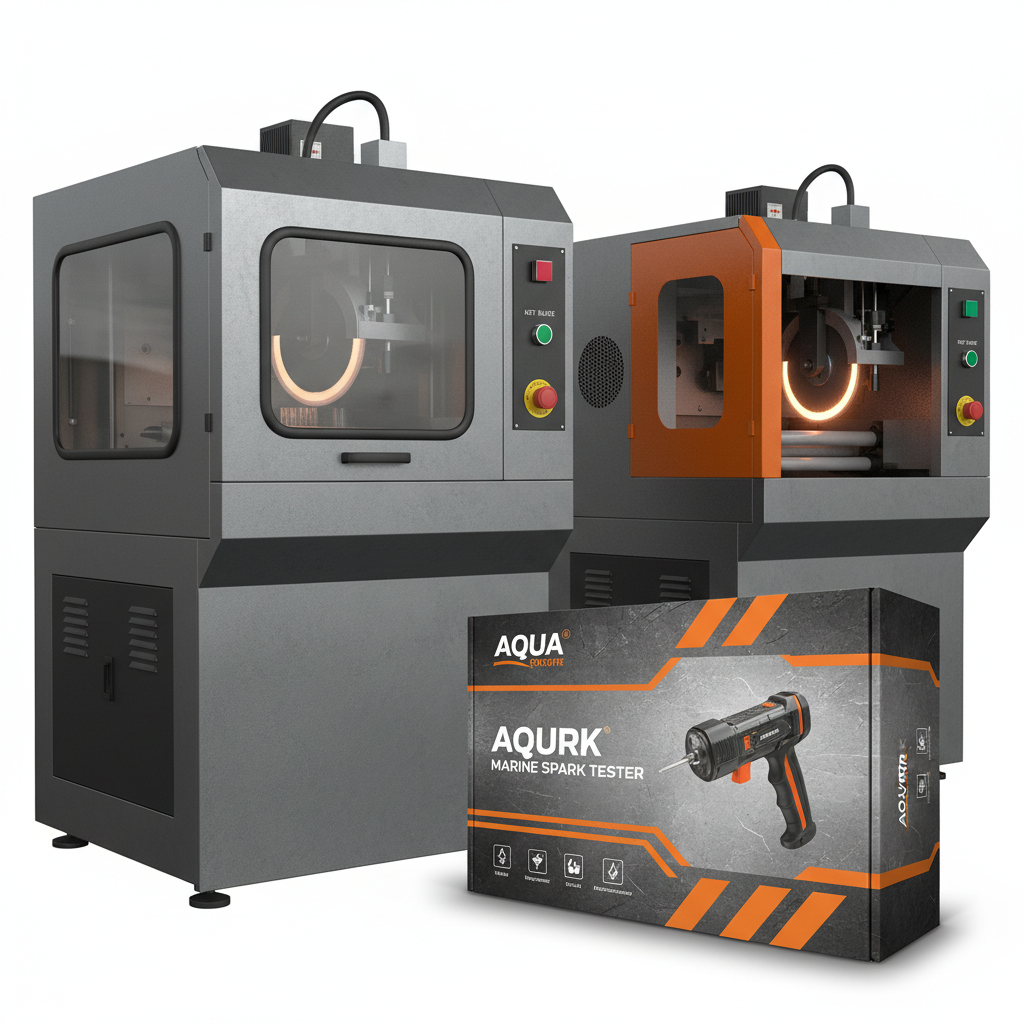
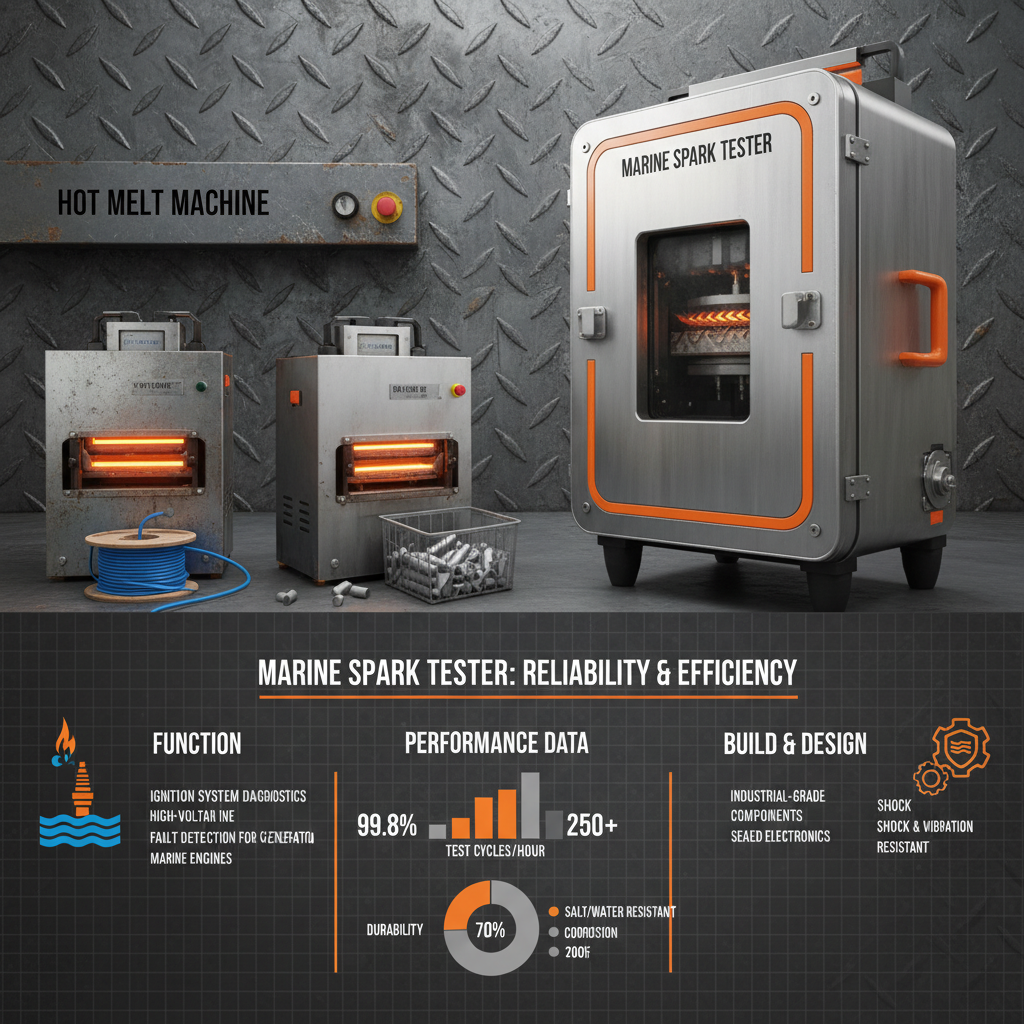
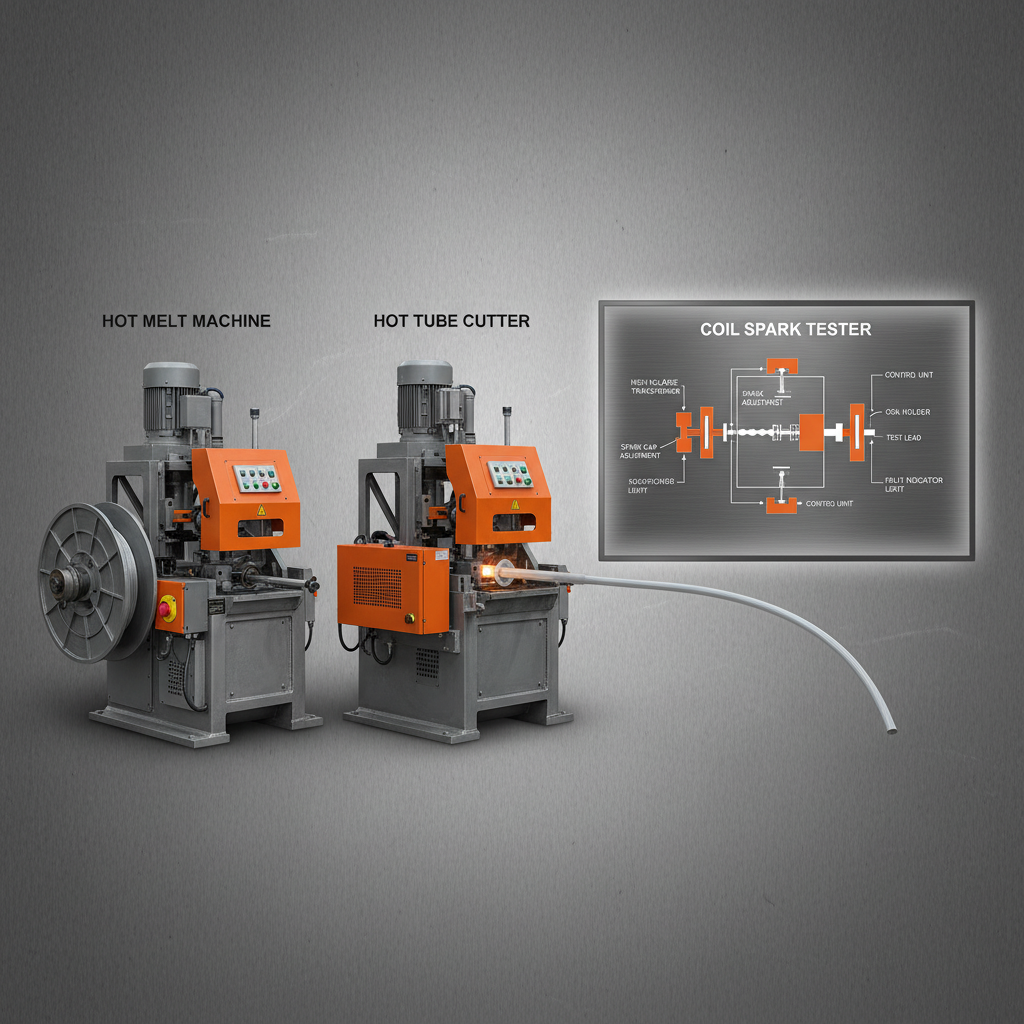
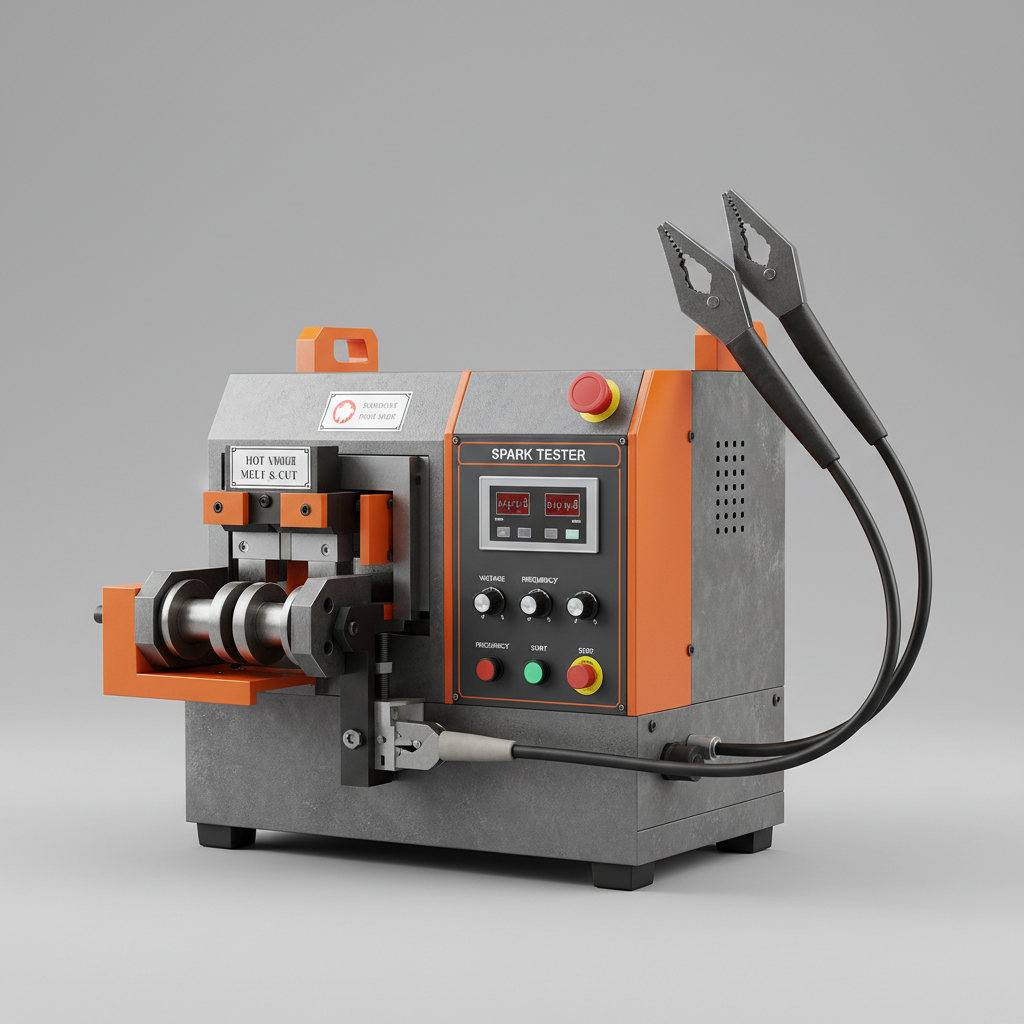
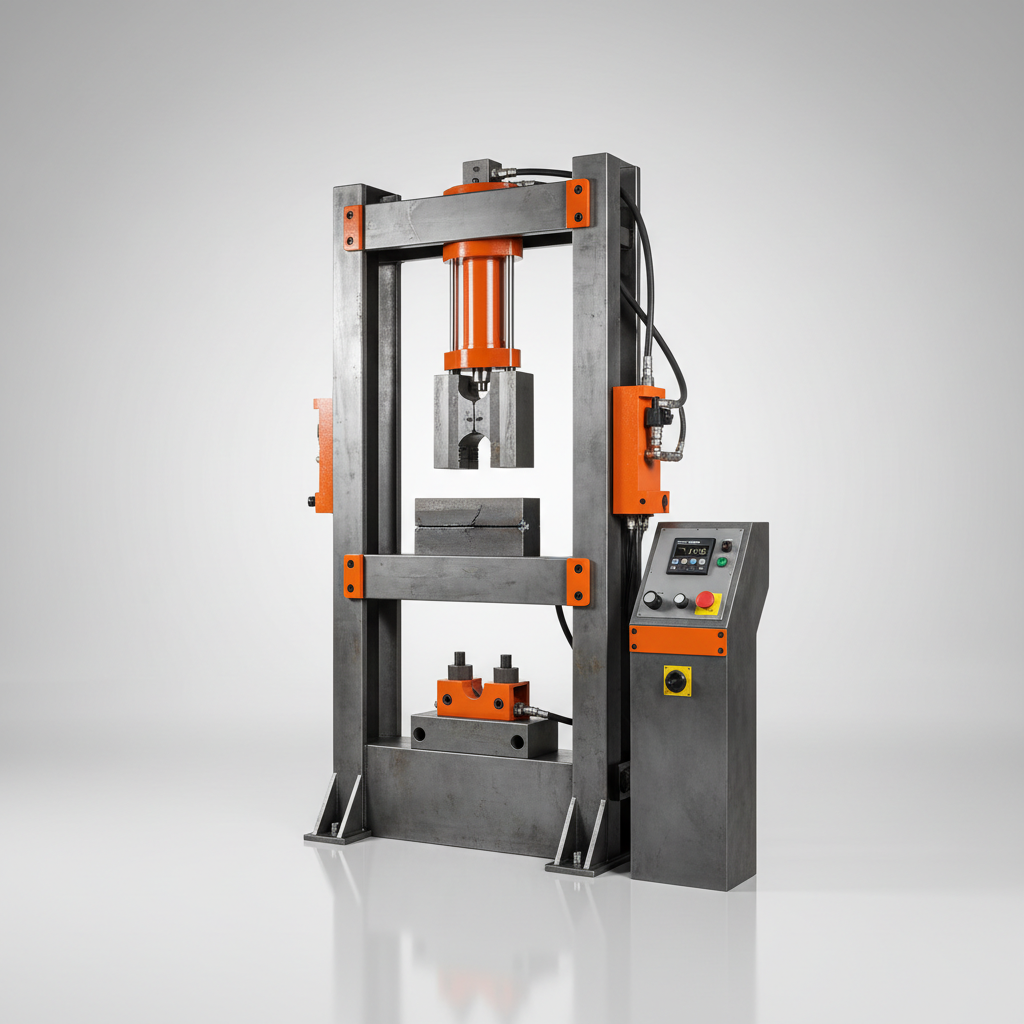
Ensuring the structural integrity of geomembrane liners in marine and aquatic environments is a critical challenge for environmental engineering. A marine spark tester serves as the primary diagnostic tool for detecting microscopic punctures and seam failures that could lead to catastrophic leaks, protecting both the surrounding ecosystem and the infrastructure itself.
In the global push for sustainable waste management and hazardous material containment, the precision of leak detection has become a non-negotiable standard. By utilizing high-voltage electrical conductivity, a marine spark tester allows technicians to identify defects in non-conductive liners—such as HDPE or PVC—even when the materials are submerged or installed in complex offshore configurations.
Understanding the operational nuances of this technology is essential for project managers and quality control engineers. From reducing long-term maintenance costs to ensuring compliance with international environmental ISO standards, the deployment of a professional-grade marine spark tester is the difference between a secure containment system and an environmental liability.
Global Relevance of Marine Spark Tester Technology
Across the globe, the construction of landfills, wastewater treatment plants, and coastal protection barriers relies heavily on synthetic liners. According to international environmental guidelines, even a pinhole-sized leak in a geomembrane can result in the contamination of groundwater and marine habitats. The marine spark tester has emerged as the gold standard for verifying the seal integrity of these systems, ensuring that toxic leachates do not escape into the ocean.
The demand for these devices has surged in regions like Southeast Asia and Northern Europe, where stringent environmental laws mandate 100% seam verification. By implementing a rigorous spark testing protocol, industries can avoid massive fines and the ecological disaster associated with liner failure, making the tool an indispensable asset for modern environmental protection.
Defining the Marine Spark Tester and Its Mechanism
At its core, a marine spark tester is a specialized high-voltage leak detection device designed to identify discontinuities in non-conductive membranes. It operates on the principle of electrical dielectric breakdown: when a high-voltage probe is passed over a liner, the current cannot penetrate the intact plastic. However, if a hole or a thin spot exists, the electricity "sparks" through the gap to the conductive substrate or water beneath, triggering an audible and visual alarm.
Unlike standard air-pressure tests, which are only effective for double-track welds, this method allows for the inspection of all seams, including extrusion welds and patched areas. This makes the marine spark tester essential for complex geometries where traditional vacuum or pressure testing is physically impossible or impractical.
In the context of modern humanitarian and industrial needs, this technology ensures that potable water reservoirs and hazardous waste lagoons remain hermetically sealed. By providing a rapid, non-destructive way to verify integrity, it prevents the slow, undetected seepage that often leads to soil degradation and long-term environmental toxicity.
Core Components for High-Precision Leak Detection
The efficiency of a marine spark tester depends on its voltage stability and probe sensitivity. The power unit must be capable of maintaining a consistent arc without damaging the membrane, requiring sophisticated current-limiting circuitry that protects the material while ensuring the leak is detected.
Durability is another critical factor, as these devices are often used in salt-spray environments and humid coastal zones. A high-quality marine spark tester features IP-rated enclosures and corrosion-resistant connectors to prevent internal circuitry failure, ensuring reliable performance during long-term field deployments.
Finally, the user interface and alarm system must be intuitive. Given the noisy environment of construction sites, a combination of high-decibel sirens and bright LED indicators is necessary to alert the operator immediately upon discovering a defect, allowing for real-time marking and repair.
Industrial Applications Across Marine Environments
The practical application of the marine spark tester spans various high-stakes industries. In the shipping industry, it is used to test the integrity of fuel tank liners and ballast tank coatings. In the mining sector, specifically for tailings ponds located near coastlines, these testers ensure that heavy metals do not leach into the marine water table.
Furthermore, in post-disaster relief operations, where temporary water containment bladders are deployed to provide clean drinking water to affected populations, spark testing ensures the bladders are leak-free before filling. This prevents the waste of precious resources and ensures the hygiene of the water supply in remote industrial or disaster zones.
Leak Detection Efficiency by Marine Spark Tester Method
Long-Term Value and Environmental Safety
The investment in a marine spark tester provides immense long-term financial and ethical value. By identifying leaks during the installation phase, companies avoid the exorbitant costs of excavating and replacing thousands of square meters of liner after a failure is discovered post-completion. This proactive approach shifts the maintenance model from "reactive repair" to "preventative assurance."
Beyond the balance sheet, there is a profound social impact. Ensuring the integrity of containment systems protects local fishing communities and marine biodiversity from toxic spills. This builds trust between industrial operators and the public, demonstrating a commitment to ecological stewardship and sustainable innovation.
Future Innovations in Spark Testing Automation
The future of leak detection is moving toward complete digitalization. We are seeing the integration of IoT sensors into the marine spark tester, allowing for the automatic logging of test coordinates. This creates a "digital twin" of the liner, where every single centimeter of the seam is mapped and timestamped, providing an immutable record of quality for regulatory audits.
Furthermore, the transition toward green energy is influencing the hardware. New generations of testers are utilizing high-efficiency lithium-polymer batteries and energy-recovery circuits, reducing the carbon footprint of field operations. We expect to see a rise in robotic spark testers—autonomous rovers that can scan vast areas of liners without human intervention, increasing both speed and accuracy.
Automation will also likely integrate with AI-driven analysis. By analyzing the waveform of the spark, future devices may be able to differentiate between a simple pinhole, a structural tear, or a material thinning issue, allowing technicians to choose the most appropriate repair method for each specific defect.
Challenges and Professional Solutions in Testing
Despite its effectiveness, spark testing faces challenges, particularly regarding surface conductivity. If the liner is contaminated with salt deposits or conductive mud, the marine spark tester may produce "false positives," where the alarm triggers despite there being no actual hole. This requires technicians to maintain a clean testing surface, often involving a preliminary wash-down of the seams.
Another limitation is the risk of "burning" the liner if the voltage is set too high for a specific material thickness. To solve this, expert operators utilize a calibration step, testing a known sample of the material to determine the minimum voltage required to jump the gap without causing permanent thermal damage to the polymer.
To overcome these hurdles, the industry is shifting toward a multi-layered testing approach. Combining spark testing with vacuum box testing or ultrasonic seam analysis provides a comprehensive quality assurance package, ensuring that both surface-level punctures and deep-seated structural voids are eliminated.
Comparative Analysis of Marine Spark Tester Operational Parameters
|
Material Type
|
Recommended Voltage (kV)
|
Detection Sensitivity
|
Risk of Material Damage
|
| HDPE (1.5mm) |
12-15 kV |
High |
Low |
| PVC (2.0mm) |
15-20 kV |
Very High |
Moderate |
| LLDPE (1.0mm) |
8-12 kV |
Moderate |
High |
| EPDM Rubber |
20-25 kV |
High |
Low |
| Composite Liner |
10-18 kV |
Moderate |
Moderate |
| TPO Membrane |
12-16 kV |
High |
Low |
FAQS
A marine spark tester is designed for non-conductive materials. It works perfectly on HDPE, PVC, LLDPE, and EPDM. However, it cannot be used on conductive liners (such as those with integrated carbon layers) because the current would flow across the surface, making it impossible to identify a specific puncture. Always verify the dielectric properties of your membrane before testing.
To prevent material damage, you must calibrate the voltage based on the liner's thickness and material. Start with the lowest possible voltage and gradually increase it until a spark occurs on a known defect. Using a current-limiting marine spark tester significantly reduces this risk, as it prevents the surge of electricity from concentrating too heavily in one spot.
Yes, in fact, water often acts as the necessary conductive medium (the ground) for the spark to occur. When the probe passes over a hole in a submerged liner, the circuit is completed through the water, triggering the alarm. This makes it an ideal tool for inspecting liners in ponds, reservoirs, or offshore containment systems.
Vacuum testing is primarily used for double-track fusion welds where a channel of air is trapped between two welds. Spark testing is more versatile as it can be used on any seam—including extrusion welds, patches, and flat areas—provided there is a conductive substrate or water underneath. Spark testing is generally faster for large-area inspections.
For industrial-grade projects, we recommend calibrating your marine spark tester every six months or before the start of a new major project. This ensures that the voltage output remains accurate and that the alarm systems are functioning correctly, which is often a requirement for ISO quality certification and insurance compliance.
While these devices are designed for safety, they do employ high voltage. Operators should be trained in electrical safety, ensure they are wearing appropriate PPE, and avoid using the device in the presence of flammable gases. High-quality testers include automatic shut-off features and insulated probes to protect the operator from accidental shocks.
Conclusion
The implementation of a marine spark tester is a critical step in ensuring the longevity and safety of environmental containment systems. By combining high-voltage precision with rugged durability, this technology allows engineers to detect invisible failures, preventing ecological disasters and reducing the astronomical costs associated with liner replacement. From the technical necessity of voltage calibration to the strategic value of automated mapping, the spark tester remains an irreplaceable tool in the fight against environmental pollution.
As we move toward an era of smarter infrastructure and stricter ecological mandates, the role of precision leak detection will only grow. We encourage project managers and quality control teams to integrate advanced spark testing into their standard operating procedures to ensure 100% seal integrity. For professional-grade equipment and expert guidance on geomembrane testing, visit our website: www.aquafusionwelder.com.

 Email:news@peweldingmachine.com
 +86-137 3974 5191