The integrity of geomembrane welds is paramount in environmental protection applications, and ensuring consistent, reliable weld quality is a significant challenge. This is where the magneto spark tester plays a critical role. This device provides a rapid and non-destructive method to assess the weld's ability to withstand electrical stress, directly correlating to its overall strength and resistance to potential leaks. In industries like landfill construction, wastewater containment, and aquaculture, a faulty weld can lead to catastrophic environmental damage and significant financial losses, highlighting the importance of robust quality control procedures, and a reliable magneto spark tester is an essential component.
Globally, the demand for effective geomembrane solutions is driven by increasing environmental regulations and a growing awareness of the long-term consequences of improper waste management. The UN Sustainable Development Goals, particularly those related to clean water and sanitation (SDG 6) and responsible consumption and production (SDG 12), rely heavily on robust containment systems. The increasing use of HDPE (High-Density Polyethylene) and other polymeric materials in these systems necessitates advanced testing methods like those offered by a magneto spark tester. Without reliable testing, the potential for environmental contamination and the associated risks to public health and ecosystems are significantly elevated.
The rising costs associated with environmental remediation further underscore the need for preventative measures. Investing in quality control, including a dependable magneto spark tester, is a cost-effective strategy for minimizing the risk of future failures and ensuring the long-term sustainability of containment projects. The industry is continually seeking faster, more accurate, and more portable testing solutions, making advancements in magneto spark testing crucial.
The Critical Role of Magneto Spark Testing
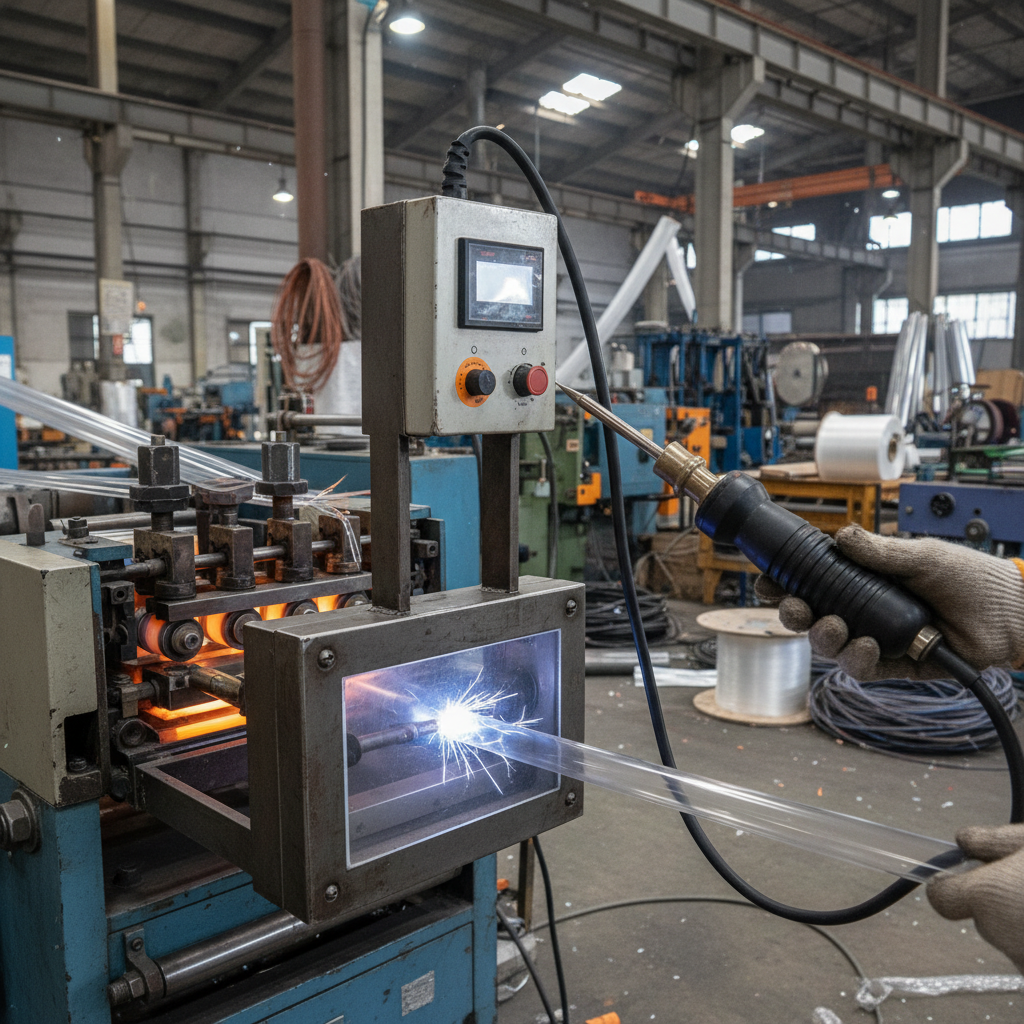
A magneto spark tester is an essential tool for quality control in the welding of thermoplastic materials, particularly geomembranes used in environmental applications. It works by applying a high-voltage spark across the weld seam, creating a breakdown voltage reading that indicates the weld's dielectric strength. This strength is directly related to the weld's structural integrity; a lower breakdown voltage signals potential defects or insufficient fusion. The ability to quickly and non-destructively assess a large area of weld makes the magneto spark tester an indispensable tool for ensuring long-term performance.
Proper utilization of a magneto spark tester, combined with established welding procedures, significantly reduces the risk of leaks and failures in critical containment systems. This reduces long-term maintenance costs and environmental liabilities, strengthening the environmental protection infrastructure.
Understanding the Magneto Spark Tester
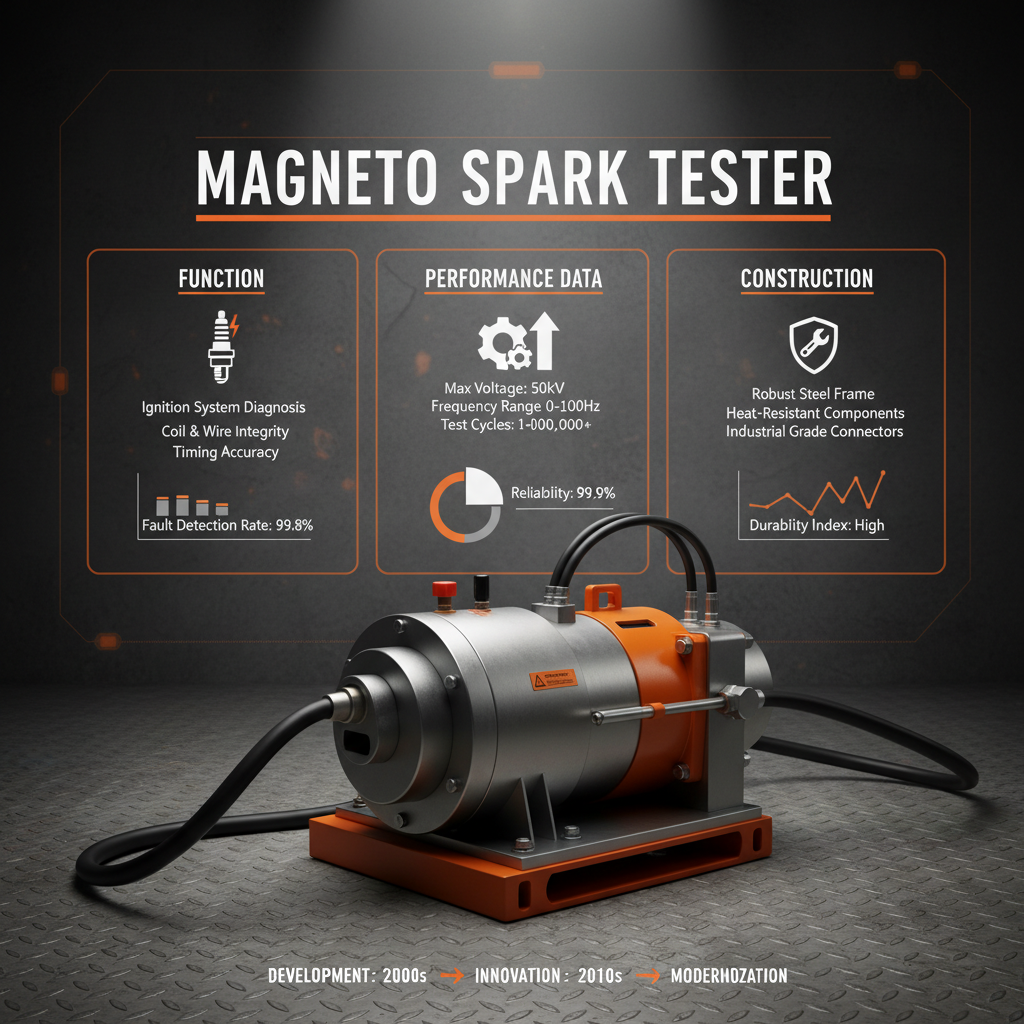
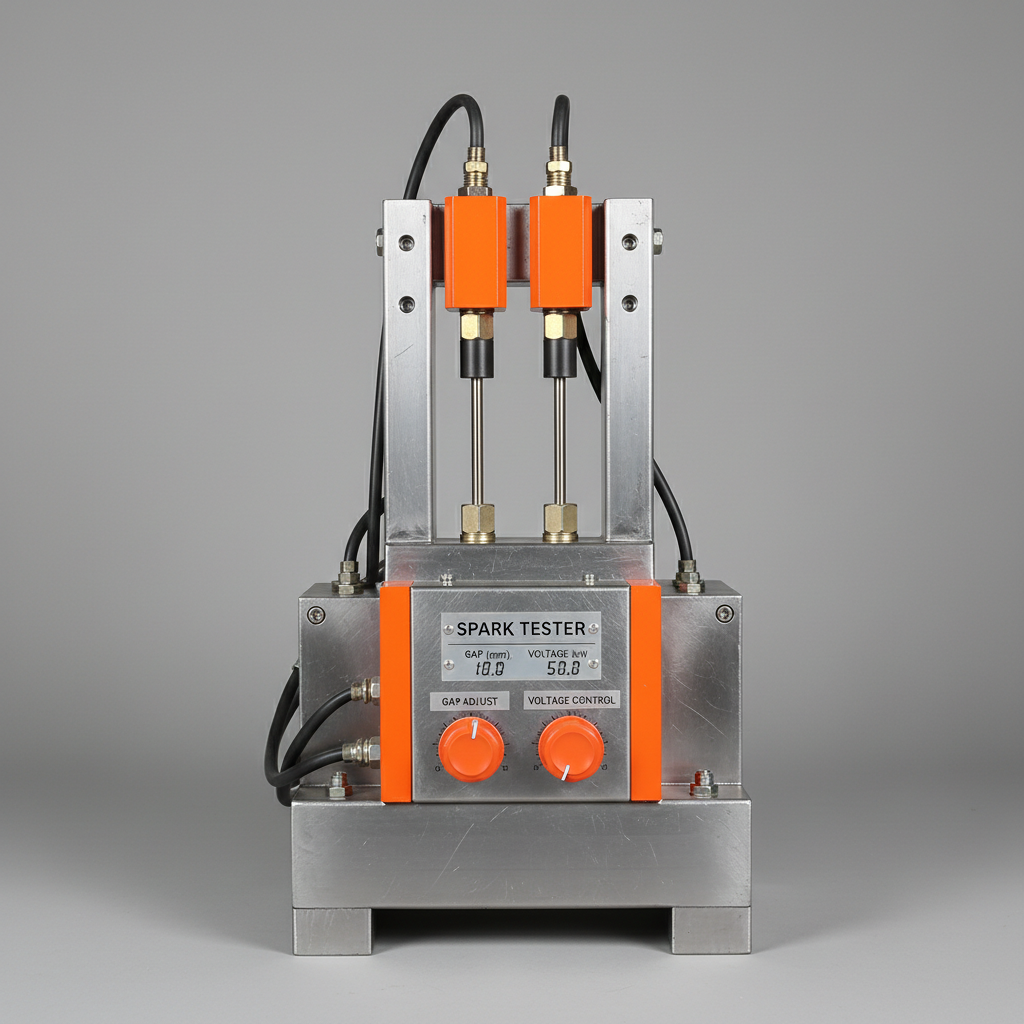
A magneto spark tester, at its core, is a device designed to measure the dielectric strength of a material – in this case, a welded geomembrane seam. It generates a high-voltage electrical discharge between two electrodes placed across the weld, and the tester measures the voltage required to cause a spark to jump the gap. This voltage is indicative of the material's resistance to electrical breakdown, which directly correlates to the weld’s structural integrity. Higher voltage readings signify a stronger, more reliable weld.
The process is non-destructive, meaning the weld is not damaged during testing. This is a crucial advantage, allowing for 100% inspection of weld seams without compromising their integrity. The equipment is typically portable, enabling on-site testing and immediate feedback during the welding process. This real-time assessment is critical for identifying and correcting welding issues promptly, preventing the propagation of defects and minimizing rework.
The reliability of the testing is directly linked to adhering to standardized testing procedures, proper calibration of the device, and the operator’s training. Understanding the material properties of the geomembrane being welded, and the established acceptance criteria for breakdown voltage, are essential for accurate interpretation of the results provided by a magneto spark tester.
Key Factors Influencing Magneto Spark Tester Performance
Several factors influence the accuracy and reliability of a magneto spark tester. Firstly, electrode condition is critical; worn or contaminated electrodes can lead to inconsistent readings. Regularly cleaning and replacing electrodes is essential. Secondly, proper grounding of the tester and the material being tested is vital for safety and accurate measurements. Insufficient grounding can result in inaccurate voltage readings and potential electrical hazards.
Ambient humidity and temperature can also affect results, as moisture can alter the dielectric properties of the geomembrane. Operating the tester within the manufacturer's recommended environmental conditions is crucial. Finally, the testing speed and pressure applied to the electrodes can influence the reading; consistent application of these parameters is necessary for repeatable results.
The quality of the power supply powering the magneto spark tester itself is a often overlooked but critical factor. Voltage fluctuations or instability in the power supply can directly impact the accuracy of the generated spark and subsequent voltage measurements.
Global Applications of Magneto Spark Testing
Magneto spark testing finds widespread application across a diverse range of industries and geographic locations. In North America and Europe, it is standard practice for ensuring the integrity of landfill liners, preventing leachate contamination of groundwater. In regions with limited freshwater resources, such as the Middle East and Africa, magneto spark testing is crucial for protecting reservoir liners used for water storage.
The aquaculture industry, particularly in Southeast Asia, relies on geomembrane-lined ponds to contain and manage water quality. A magneto spark tester ensures these liners remain leak-free, protecting valuable aquatic resources. Furthermore, in remote industrial zones in Australia and Canada, where environmental regulations are stringent, magneto spark testing is employed to verify the integrity of containment systems used for mining operations and industrial wastewater treatment.
In post-disaster relief operations, rapid deployment of containment systems is often necessary. A portable magneto spark tester allows for quick and reliable verification of weld integrity, ensuring these emergency systems function as intended.
Magneto Spark Tester Applications by Industry
Advantages and Long-Term Value Proposition
Investing in a high-quality magneto spark tester yields significant long-term benefits. The primary advantage is reduced risk of environmental contamination, which can translate into substantial cost savings by avoiding potential fines, remediation expenses, and reputational damage. The ability to proactively identify and address weld defects prevents costly failures and ensures the longevity of containment systems.
From a sustainability perspective, a reliable magneto spark tester supports responsible environmental management by minimizing the potential for pollution and conserving valuable resources. This aligns with growing corporate social responsibility (CSR) initiatives and enhances a company’s public image. The peace of mind that comes with knowing your containment systems are secure and reliable represents an immeasurable value.
Future Trends in Geomembrane Welding and Testing
The future of geomembrane welding and testing is likely to be shaped by advancements in automation, digitalization, and material science. Automated welding techniques, combined with real-time monitoring and control systems, will improve weld consistency and reduce the need for manual inspection. Digital data logging and cloud-based analysis will enable predictive maintenance and optimize weld performance.
Furthermore, the development of new geomembrane materials with enhanced properties, such as increased chemical resistance and improved weldability, will drive the need for more sophisticated testing methods. Integration of artificial intelligence (AI) and machine learning (ML) algorithms into magneto spark tester technology could automate defect detection and provide more accurate predictions of weld reliability.
The focus will increasingly shift toward sustainable materials and manufacturing processes, promoting a circular economy and minimizing environmental impact.
Challenges and Solutions in Magneto Spark Testing
Despite its benefits, magneto spark testing faces certain challenges. One common issue is the subjective interpretation of test results, as the appearance of the spark can vary depending on operator experience and environmental conditions. To address this, standardized training programs and objective evaluation criteria are essential.
Another challenge is the potential for false positives or negatives, particularly when testing complex weld geometries or materials with varying dielectric properties. Advanced data analysis techniques and improved electrode designs can help to minimize these errors.
Finally, ensuring the long-term accuracy and reliability of the magneto spark tester itself requires regular calibration and maintenance. Implementing a robust quality management system and adhering to manufacturer's recommendations are crucial for maintaining optimal performance.
Summary of Challenges and Potential Solutions
| Challenge |
Potential Impact |
Proposed Solution |
Implementation Difficulty (1-10) |
| Subjective Interpretation of Results |
Inconsistent Quality Control |
Standardized Training & Clear Criteria |
4 |
| False Positive/Negative Readings |
Incorrect Weld Assessment |
Advanced Data Analysis & Electrode Design |
7 |
| Material Variation Effects |
Inaccurate Readings for Diverse Materials |
Material-Specific Calibration Protocols |
6 |
| Environmental Sensitivity |
Readings Affected by Humidity/Temperature |
Controlled Testing Environment/Correction Algorithms |
5 |
| Equipment Calibration Drift |
Reduced Accuracy Over Time |
Regular Calibration Schedule & Traceability |
3 |
| Operator Skill Level |
Variations in Testing Technique |
Comprehensive Training & Certification Program |
4 |
FAQS
The lifespan of a magneto spark tester depends on usage frequency and maintenance. With regular calibration and proper handling, a well-built unit can reliably perform for 5-10 years. Factors like environmental conditions and the quality of power supply also play a role. Scheduled preventative maintenance, including electrode replacement and internal component checks, is crucial for maximizing lifespan.
Humidity can significantly affect magneto spark testing results. High humidity increases the surface conductivity of the geomembrane, potentially leading to lower breakdown voltage readings and false indications of weld defects. Testing should ideally be conducted in a dry environment. If testing in humid conditions is unavoidable, corrected readings or alternative testing methods should be considered. Ensure the equipment is appropriately rated for the ambient humidity.
Yes, regular calibration is essential for maintaining the accuracy and reliability of a magneto spark tester. Calibration ensures that the voltage readings are accurate and traceable to national standards. The frequency of calibration depends on usage and manufacturer's recommendations, but generally, annual calibration is recommended. More frequent calibration may be necessary for high-volume testing or critical applications.
Magneto spark testing is commonly used for HDPE (High-Density Polyethylene), LLDPE (Linear Low-Density Polyethylene), and PVC (Polyvinyl Chloride) geomembranes. However, compatibility can vary depending on the specific material formulation and thickness. It is essential to verify that the testing parameters are appropriate for the geomembrane being tested and to follow the manufacturer's guidelines for both the tester and the material.
Proper training is crucial for operating a magneto spark tester effectively. Training should cover topics such as testing procedures, calibration techniques, interpretation of results, and safety precautions. Operators should understand the principles of magneto spark testing and the potential sources of error. Certification programs are available from some manufacturers and industry organizations.
A magneto spark tester primarily detects defects in the weld seam, such as insufficient fusion, porosity, or inclusions. While it can indicate areas of weakness, it is not designed to detect defects within the geomembrane material itself, such as tears or punctures. Other testing methods, such as visual inspection and destructive testing, are needed to assess the integrity of the geomembrane material.
Conclusion
In conclusion, the magneto spark tester stands as an indispensable tool for ensuring the integrity of geomembrane welds, safeguarding our environment, and protecting valuable resources. From landfill containment to water storage, its non-destructive testing capabilities offer a cost-effective and reliable solution for detecting potential flaws and preventing catastrophic failures. By understanding the principles of operation, key influencing factors, and future trends in this technology, industries can continue to enhance their quality control processes and achieve long-term sustainability.
Looking ahead, advancements in automation, digitalization, and material science will further refine magneto spark testing, making it even more efficient and accurate. Investing in well-maintained equipment, providing comprehensive operator training, and embracing continuous improvement will be critical for maximizing the benefits of this vital technology and upholding the highest standards of environmental protection. For reliable and cutting-edge magneto spark testing solutions, visit our website: www.aquafusionwelder.com

 Email:news@peweldingmachine.com
 +86-137 3974 5191