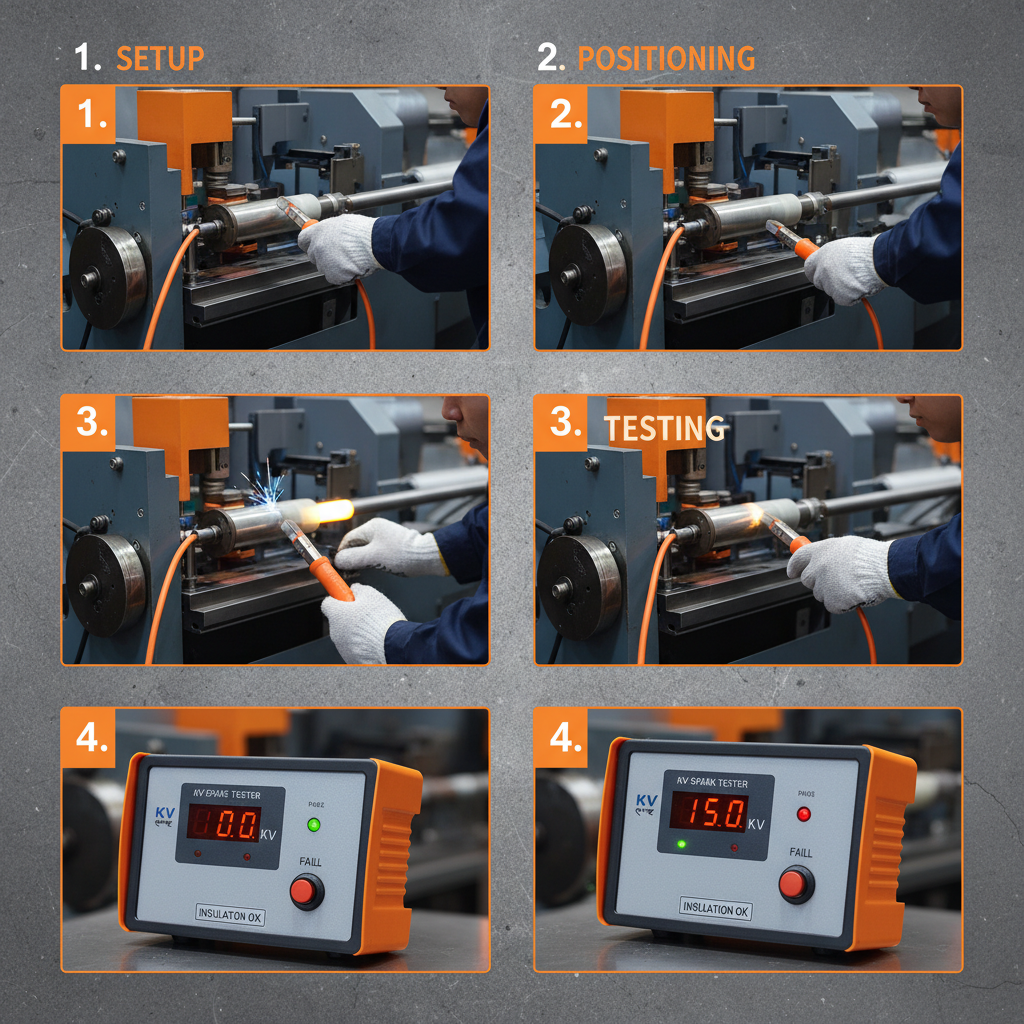
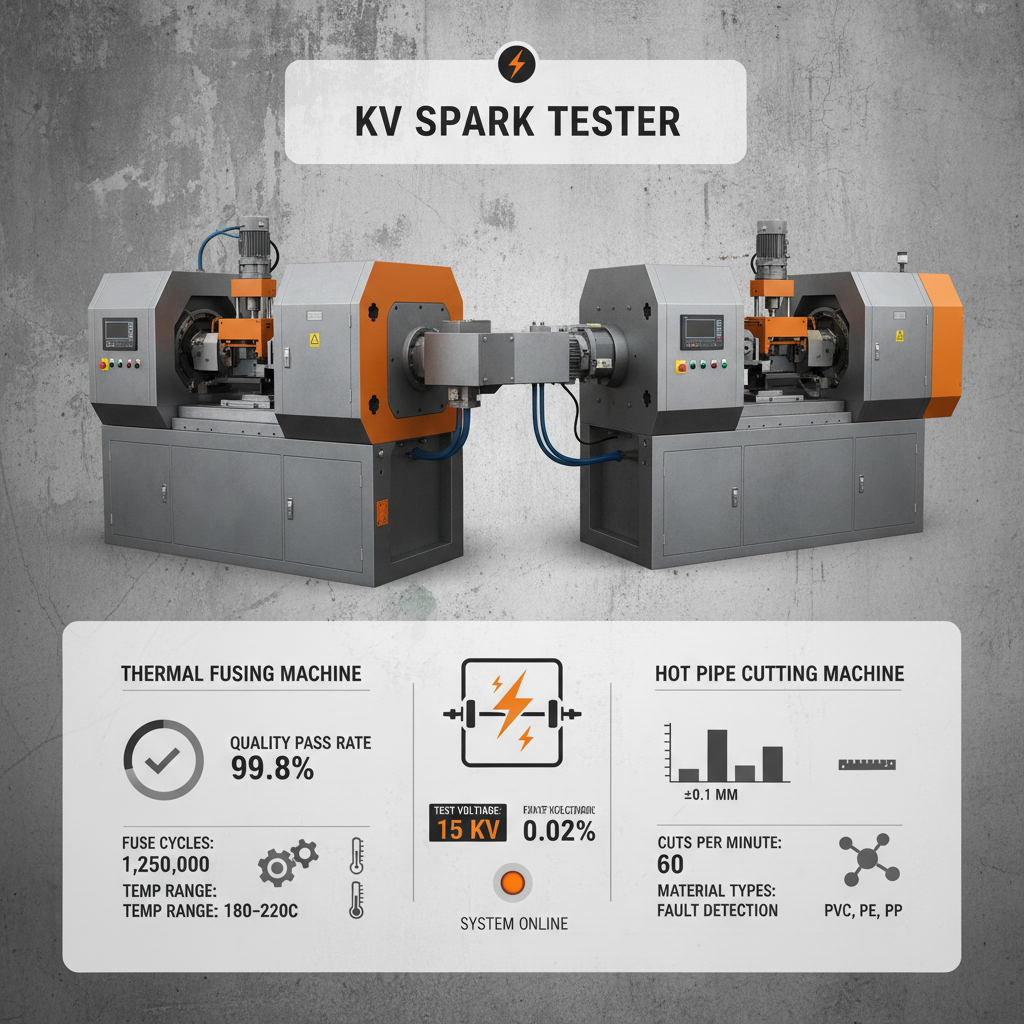
The integrity of geomembrane welds is paramount in applications ranging from landfill liners to aquaculture ponds. Ensuring these welds are free from defects is not simply a matter of quality control; it’s a matter of environmental protection, public safety, and long-term project viability. A crucial tool in this process is the kv spark tester, a device used to assess the dielectric strength of the welded seam. Understanding how a kv spark tester functions and its role in quality assurance is therefore essential for anyone involved in the geomembrane welding industry.
The global market for geomembranes is expanding rapidly, driven by increasing infrastructure development, stringent environmental regulations, and a growing awareness of the importance of sustainable containment solutions. This growth necessitates robust testing methodologies to guarantee the performance and longevity of these materials. The kv spark tester serves as a frontline defense against weld failures, helping to prevent costly repairs, environmental contamination, and potential liabilities. Its application spans continents and industries, impacting everything from waste management to water resource management.
Investing in reliable testing equipment, like a quality kv spark tester, is a proactive step towards minimizing risk and maximizing the return on investment in geomembrane projects. It is not merely a cost of doing business, but an essential component of responsible and sustainable engineering practices. Understanding its operation, limitations, and appropriate application is key to ensuring the long-term performance and environmental integrity of welded geomembrane systems.
The Fundamentals of kv spark tester
At its core, a kv spark tester is a device designed to detect flaws in the dielectric strength of materials, specifically in welded seams of geomembranes. It works by applying a high-voltage spark across the weld, and any defects or weaknesses in the material will cause the spark to jump, indicating a potential failure point. This is a non-destructive testing method, meaning it doesn’t damage the material being tested, making it ideal for quality control during and after installation.
The primary purpose of employing a kv spark tester is to proactively identify and address weaknesses in geomembrane welds before they can lead to leaks or failures. This preventative approach significantly reduces the risk of environmental contamination, structural damage, and costly remediation efforts. It’s a crucial step in upholding the integrity and longevity of any project utilizing geomembrane materials.
Understanding the Principles Behind kv spark tester
The operational principle of a kv spark tester relies on the concept of dielectric breakdown. Materials possess a certain level of resistance to electrical current – their dielectric strength. When a voltage exceeding this strength is applied, the material breaks down, allowing a spark to jump across the surface. In the context of geomembrane welds, imperfections like pinholes, incomplete fusion, or contamination significantly lower the dielectric strength.
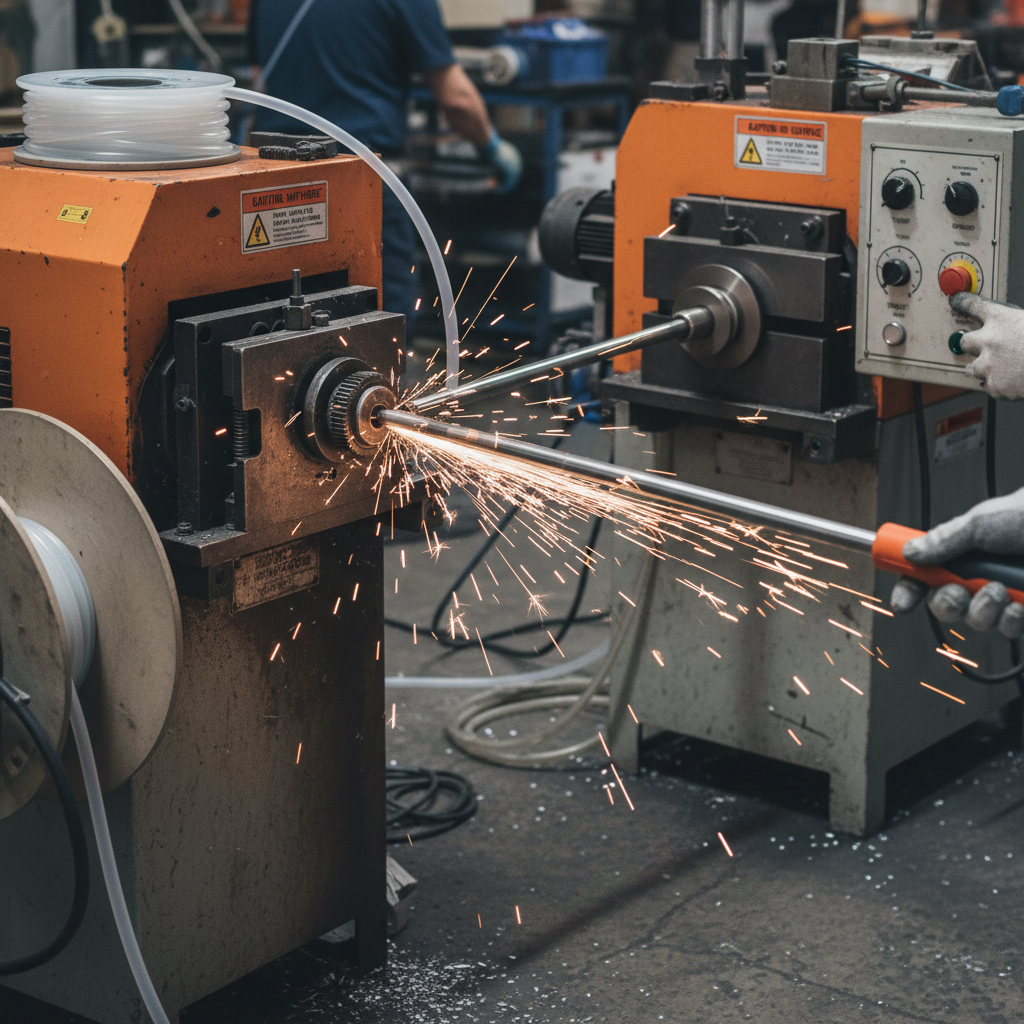
The kv spark tester applies a controlled high-voltage pulse to the weld. If a flaw exists, the spark will preferentially travel along the path of least resistance – through the defect – creating a visible arc. The length and frequency of these arcs are indicative of the severity of the flaw. Skilled technicians interpret these visual cues to determine the weld's overall quality.
The voltage applied by the kv spark tester is carefully calibrated based on the type and thickness of the geomembrane material being tested. Different materials have different dielectric strengths, and using the correct voltage setting is crucial for accurate and reliable results. Incorrect voltage levels can lead to false positives or, conversely, fail to detect existing defects.
Key Components of a kv spark tester
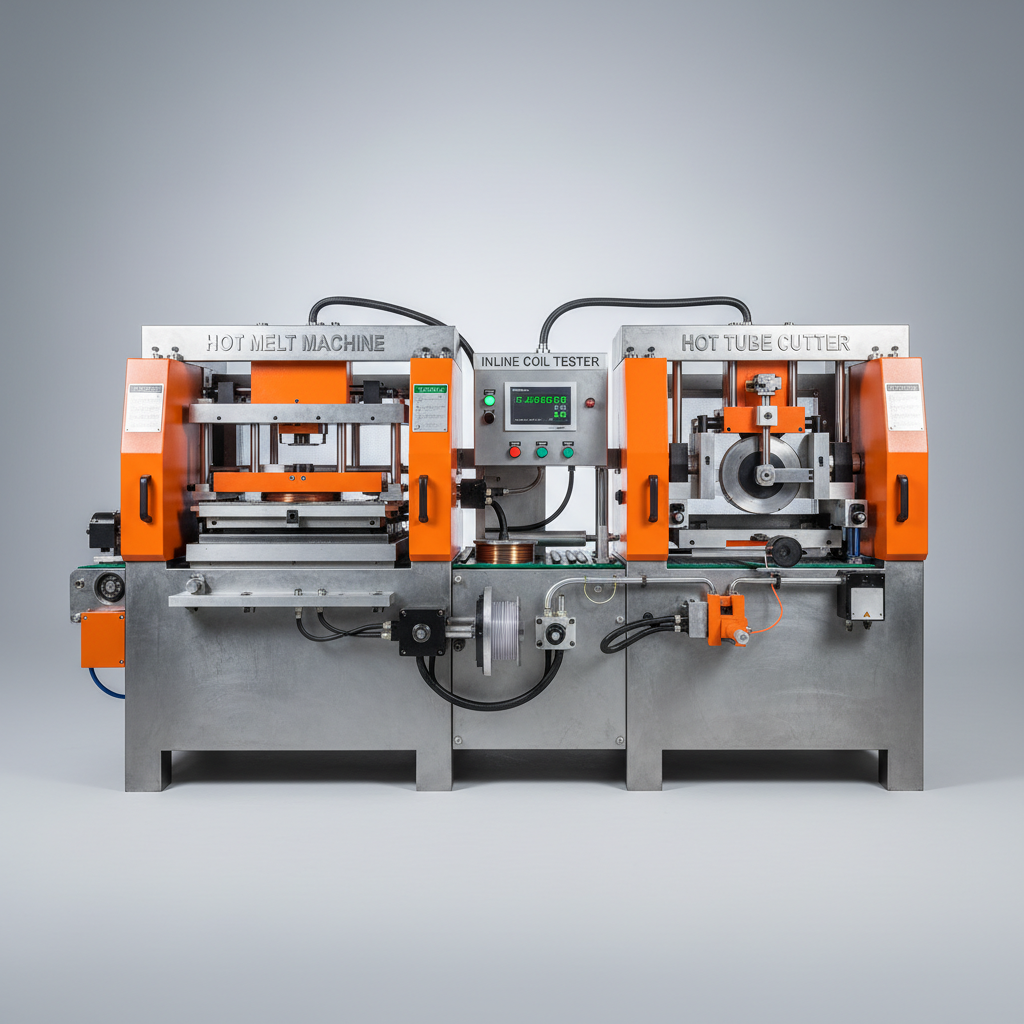
A typical kv spark tester comprises several key components. Firstly, a high-voltage power supply generates the necessary voltage for testing. This supply must be stable and precisely controllable to ensure accurate results. Secondly, an electrode system delivers the high-voltage spark to the weld seam. The electrodes are often adjustable to accommodate different weld geometries.
Additionally, a grounding system is critical for safety and proper operation. It ensures that the operator is protected from electrical shock and that the circuit is completed correctly. Many modern kv spark tester units also include features like digital displays for voltage readings, adjustable spark parameters, and data logging capabilities.
Finally, the housing and portability features are also key. A robust, well-insulated housing protects the internal components, while portability allows for on-site testing in various environments. The quality of each component directly impacts the accuracy, reliability, and safety of the kv spark tester.
Applications of kv spark tester Across Industries
The application of kv spark tester is incredibly diverse, extending across numerous industries. In landfill construction, it’s used to ensure the integrity of the liner system, preventing leachate from contaminating groundwater. Within the aquaculture industry, kv spark tester verifies the watertightness of pond liners, protecting fish stocks and water quality.
The environmental remediation sector utilizes kv spark tester for containment applications, such as capping contaminated sites and creating barriers to prevent the spread of pollutants. In civil engineering projects, it's crucial for testing the welds of geomembranes used in canals, reservoirs, and tunnels.
kv spark tester Application by Industry Sector
Benefits of Utilizing a kv spark tester
Employing a kv spark tester delivers a multitude of benefits. Firstly, it significantly reduces the risk of costly failures and environmental damage by proactively identifying weld defects. Early detection allows for timely repairs, preventing potentially catastrophic consequences.
Secondly, it enhances project quality and longevity. Reliable welds contribute to the long-term performance and durability of geomembrane systems, minimizing maintenance requirements and extending service life. Finally, utilizing a kv spark tester demonstrates a commitment to responsible environmental practices and regulatory compliance, bolstering a company’s reputation and building trust with stakeholders.
Future Trends in kv spark tester Technology
The future of kv spark tester technology is leaning towards increased automation and data integration. We’re seeing the development of devices with automated scanning capabilities, reducing operator fatigue and improving testing efficiency. Integration with data logging and analysis software allows for comprehensive weld quality documentation and trend analysis.
Furthermore, advancements in sensor technology are leading to more sensitive and accurate kv spark tester units, capable of detecting even the smallest flaws. The integration of artificial intelligence (AI) and machine learning (ML) algorithms promises to further enhance defect detection and predictive maintenance capabilities.
Wireless connectivity and remote monitoring are also emerging trends, enabling real-time data transmission and remote diagnostics. This will prove particularly valuable in large-scale projects or remote locations, allowing for faster response times and improved quality control.
Addressing Challenges in kv spark tester Implementation
Despite its benefits, implementing kv spark tester effectively isn't without its challenges. Operator training and certification are critical. Properly interpreting the results requires skilled technicians with a thorough understanding of geomembrane welding principles and defect recognition.
Environmental factors, such as moisture and dust, can interfere with testing accuracy. Protecting the equipment and the weld surface from contamination is essential. Furthermore, selecting the appropriate voltage setting for the specific material being tested is paramount, and requires careful consideration of material specifications.
To overcome these challenges, ongoing training programs, adherence to standardized testing procedures, and regular equipment calibration are crucial. Implementing robust quality control protocols and utilizing advanced kv spark tester units with automated features can also mitigate potential errors and improve testing reliability.
Overview of Common kv spark tester Challenges and Mitigation Strategies
| Challenge |
Impact on Testing |
Mitigation Strategy |
Implementation Difficulty (1-10) |
| Inadequate Operator Training |
Incorrect interpretation of results, missed defects |
Comprehensive training program, certification process |
6 |
| Environmental Contamination (Moisture, Dust) |
False positives, inaccurate readings |
Protective shielding, surface cleaning protocols |
7 |
| Incorrect Voltage Setting |
Missed defects, damage to material |
Material-specific voltage charts, verification procedures |
5 |
| Equipment Calibration Drift |
Inaccurate voltage output, unreliable results |
Regular calibration schedule, certified calibration services |
4 |
| Difficult Weld Access |
Incomplete testing coverage, potential for missed defects |
Specialized electrode designs, flexible testing probes |
8 |
| Lack of Standardized Procedures |
Inconsistent results, difficulty in comparing data |
Adoption of industry standards (e.g., ASTM), documented testing protocols |
3 |
FAQS
The lifespan of a kv spark tester depends heavily on usage and maintenance. With regular calibration and proper storage, a high-quality unit can reliably function for 5-10 years. However, frequent use in harsh environments, or neglecting maintenance, can significantly shorten its lifespan. It's important to follow the manufacturer's recommendations for care and maintenance to maximize its longevity and ensure consistent performance.
Calibration frequency for a kv spark tester typically recommended annually, or after every 500 hours of use, whichever comes first. Calibration ensures that the unit is delivering accurate voltage output, which is crucial for reliable defect detection. Using a calibrated unit is essential for maintaining quality control and meeting regulatory requirements.
Safety is paramount when operating a kv spark tester. Always wear appropriate personal protective equipment (PPE), including insulated gloves and eye protection. Ensure the testing area is dry and free from flammable materials. Never touch the electrodes during operation. Follow all manufacturer’s safety guidelines and receive proper training before using the equipment.
While a kv spark tester is highly effective at detecting dielectric weaknesses in welds, it’s not foolproof. It primarily identifies flaws that compromise the material’s electrical resistance, such as pinholes, incomplete fusion, and contamination. It may not detect certain types of defects, such as localized stress concentrations or minor variations in weld bead geometry. Therefore, it's often used in conjunction with other non-destructive testing methods.
False positives with a kv spark tester are typically caused by surface contamination (dirt, moisture), improper grounding, or using an incorrect voltage setting for the material being tested. Ensuring a clean and dry testing surface, a secure grounding connection, and the correct voltage level are critical for minimizing false positives and ensuring accurate results.
The voltage setting is crucial for the accuracy of a kv spark tester. Too low a voltage may not detect existing defects, while too high a voltage can cause false positives or even damage the material. Always consult the material manufacturer’s recommendations for the appropriate voltage setting, and verify the setting before commencing the test. Using the correct voltage ensures the test is sensitive enough to identify flaws without causing unnecessary damage.
Conclusion
In conclusion, the kv spark tester is an indispensable tool for ensuring the integrity and longevity of welded geomembrane systems. Its ability to proactively identify defects, coupled with its non-destructive nature, makes it a cornerstone of quality control in a diverse range of industries. By understanding its principles, components, and proper implementation, professionals can minimize risks, optimize project outcomes, and contribute to sustainable environmental practices.
As technology advances, the future of kv spark tester promises increased automation, data integration, and enhanced accuracy. Embracing these innovations will empower professionals to further elevate quality control standards, reduce costs, and build a more resilient infrastructure. Visit our website at www.aquafusionwelder.com to learn more about our range of welding and testing equipment and how we can help you meet your project needs.

 Email:news@peweldingmachine.com
 +86-137 3974 5191