 Email:news@peweldingmachine.com
 +86-137 3974 5191

NO.355,Youyi Street,Qiaoxi District,Shijiazhuang,Hebei,China.



Look, I've been wrestling with steel and concrete for over twenty years, and let me tell you, the biggest headache isn't the physical labor—it's quality control. Specifically, making sure the welds on our pipelines and structural components are solid. A bad weld isn't just a repair; it's a safety risk, a project delay, and a hit to the reputation. That's where a reliable inline coil tester comes in. It’s not some fancy lab equipment anymore; it’s a vital part of being efficient and keeping things safe on the job.
For years, we relied on spot checks and destructive testing, which meant pulling samples and hoping they represented the whole run. That's slow, wasteful, and doesn’t catch problems until it’s potentially too late. The evolution of nondestructive testing, especially with inline coil tester technology, has been a game-changer. It means continuous monitoring, real-time feedback, and the confidence to move forward knowing your work is holding up.
It used to be that you’d get a report a week later telling you about a problem that happened yesterday. Now, with these systems, you know immediately. It's not just about finding bad welds, it's about understanding why they're happening – is it operator error, material inconsistency, or a machine calibration issue? That information is gold, and it’s what separates a good job from a great one.
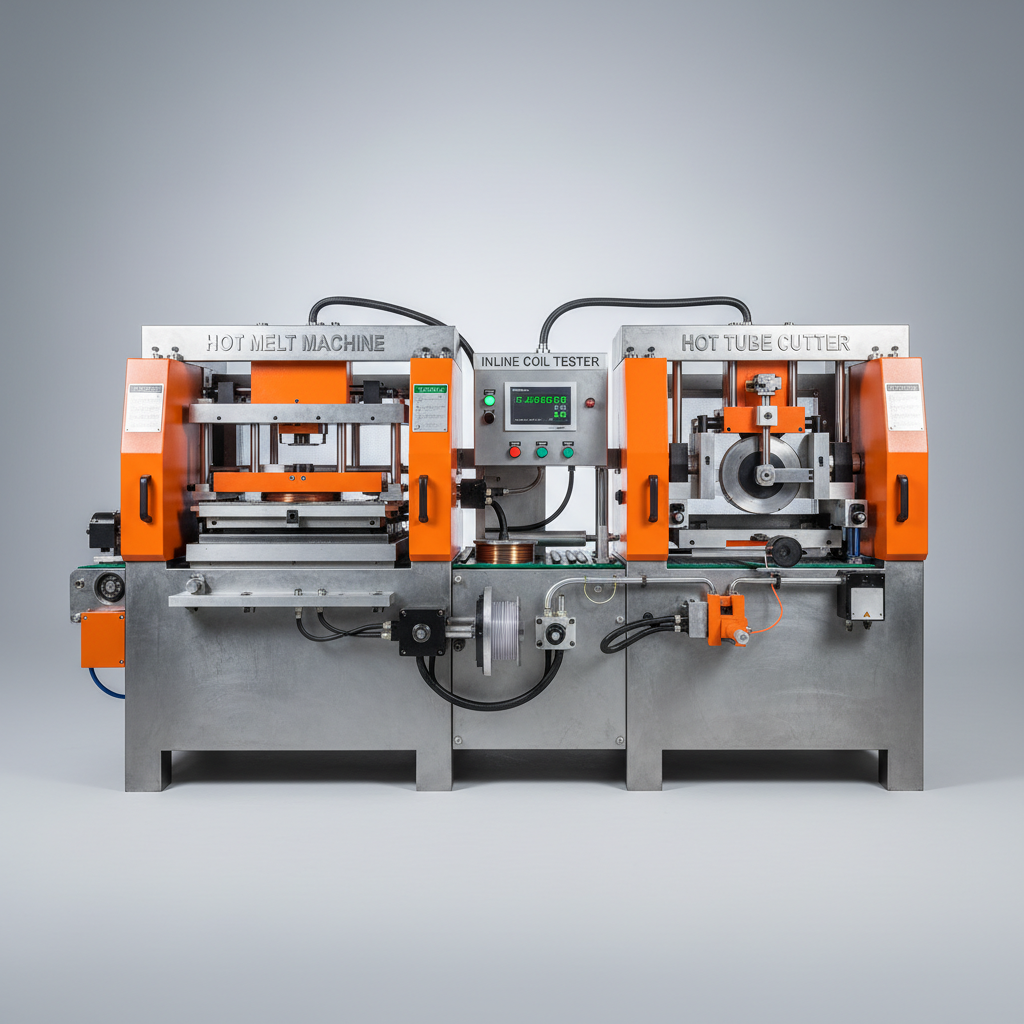
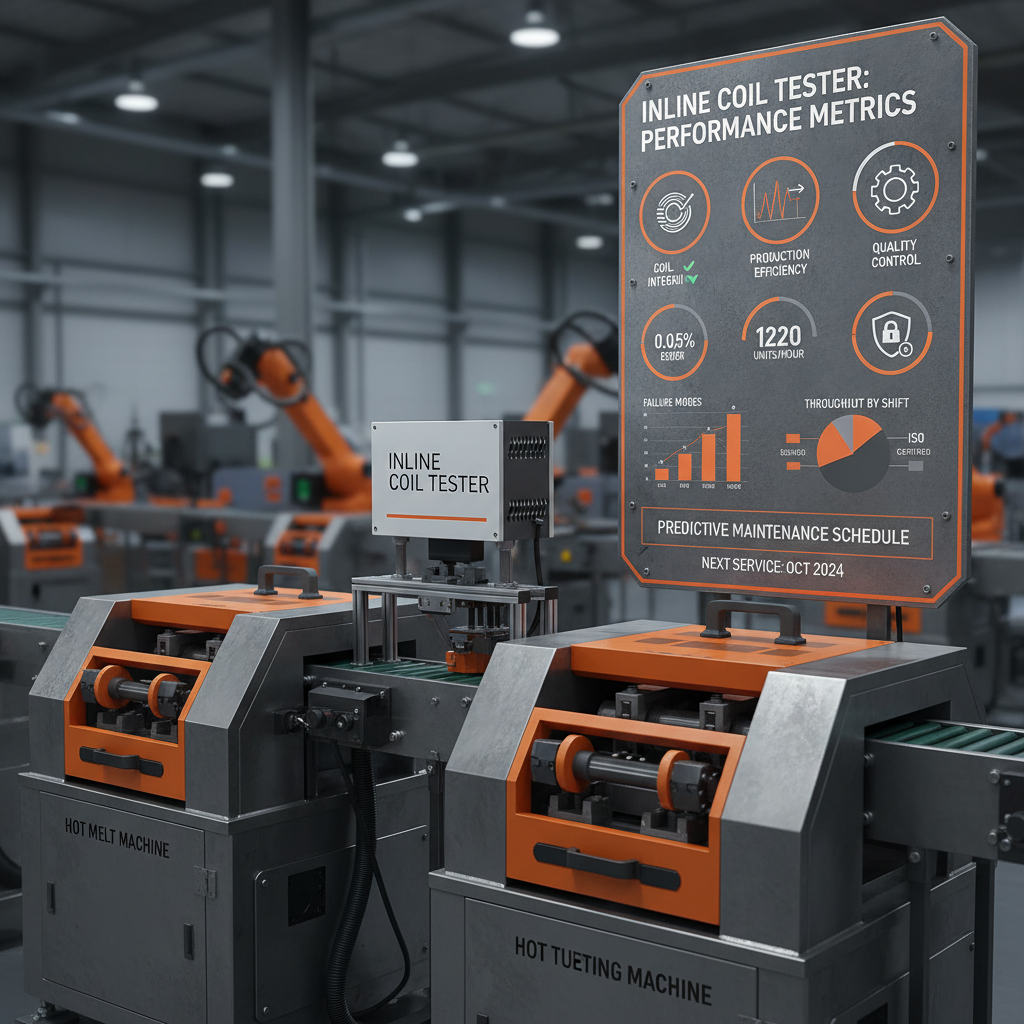
In construction, particularly in industries like pipeline welding, pressure vessel fabrication, and heavy equipment manufacturing, ensuring weld integrity is paramount. Historically, this meant relying on destructive testing, which is costly and time-consuming. The advent of inline coil tester has shifted the paradigm towards proactive quality control, allowing for 100% inspection without compromising production speed. It’s moved us from reactive repairs to preventative measures.
We’re seeing increased demand for these systems, driven not just by safety regulations but by client expectations. They want verifiable proof of quality, and frankly, they should. The cost of a failure—both in terms of dollars and potentially lives—is far greater than the investment in a good testing setup.
The main benefit is speed and coverage. Traditional methods relied on sampling, meaning you only inspected a fraction of the weld. Inline coil testing allows for 100% inspection during the welding process, catching defects in real-time. This prevents costly rework and ensures a higher quality product. It also reduces the potential for catastrophic failures down the line. This is a critical shift in how we approach quality control.
A dedicated training program is crucial. Operators need to understand the principles of electromagnetic testing, how to interpret the data, and how to respond to different signals. A good program will cover calibration, troubleshooting, and data logging. We typically recommend at least 40 hours of training, including hands-on experience with the specific system you’re using. It’s not just about running the machine; it’s about understanding what the machine is telling you.
Most inline coil testers can inspect a wide range of ferromagnetic materials, including carbon steel, stainless steel, and certain types of alloys. However, the system needs to be properly calibrated for each specific material. Non-ferrous materials like aluminum and titanium require different testing methods. The coil design and frequency also play a role in determining which materials can be effectively inspected.
Environmental noise, like electromagnetic interference from nearby equipment, can definitely affect the accuracy of the results. That's why shielded coils and advanced filtering algorithms are so important. Proper grounding and isolation are also critical. We also recommend performing baseline readings in the specific environment to identify and account for any consistent noise sources.
Regular maintenance is key to ensuring reliable performance. This includes daily visual inspections, weekly coil cleaning, and annual calibration by a qualified technician. The frequency of calibration may vary depending on the usage and environment. Keeping the system clean and properly calibrated is the best way to prevent unexpected downtime and maintain accuracy.
Not necessarily. The system's effectiveness depends on the weld geometry and accessibility. Complex geometries may require custom coil designs or alternative testing methods. The coil needs to be able to make good contact with the weld surface to accurately detect defects. For very small or irregularly shaped welds, other nondestructive testing techniques might be more appropriate. Careful evaluation of the application is critical.
In conclusion, inline coil tester is no longer a luxury; it’s a necessity for anyone serious about quality control and safety in welding applications. From reducing rework and improving efficiency to preventing catastrophic failures, the benefits are undeniable. It's an investment that pays for itself many times over, not just in dollars and cents, but in peace of mind.
Looking ahead, I expect to see even greater integration of AI and data analytics into these systems, leading to more predictive and proactive quality control. The key is to embrace these technologies and continue to invest in training and development. The future of welding isn't just about stronger welds; it’s about smarter welds, and inline coil tester is a cornerstone of that future. Visit our website at www.aquafusionwelder.com to learn more about how we can help you improve your welding quality and safety.

SUBSCRIBE NEWSLETTER
Dear customer, thank you for your attention! We provide high-quality machinery and equipment and look forward to your orders. Please inform us of your needs and we will respond quickly!