• Group_308.webp1
  • Group_308.webp2
  • Group_308.webp3
  • Group_308.webp4
  • 819_2025032815210071348.png
0%

Table of Contents

The echo spark tester is a critical tool in ensuring the integrity and reliability of fusion welding processes, particularly in applications demanding high precision and safety. This technology has evolved significantly, driven by the increasing need for quality control in industries like oil and gas, aerospace, and nuclear power. Its ability to detect flaws non-destructively makes it invaluable for preventing catastrophic failures and reducing maintenance costs. Understanding the principles and applications of the echo spark tester is paramount for professionals involved in welding inspection and materials science.

Globally, the demand for robust and accurate non-destructive testing (NDT) methods is steadily increasing, fueled by stricter regulatory standards and a growing awareness of the potential consequences of weld defects. According to the American Welding Society (AWS), weld defects are responsible for a substantial percentage of industrial accidents and equipment failures annually. The echo spark tester offers a practical solution to mitigate these risks, enabling timely identification of imperfections before they escalate into major problems. Its portability and relative ease of use make it suitable for deployment in a wide range of environments, from laboratory settings to remote field locations.

The increasing complexity of modern materials and welding techniques further underscores the importance of advanced NDT methods like those incorporating the echo spark tester. Investments in this technology translate directly into improved product quality, enhanced safety, and reduced operational expenses, benefiting businesses and consumers alike.
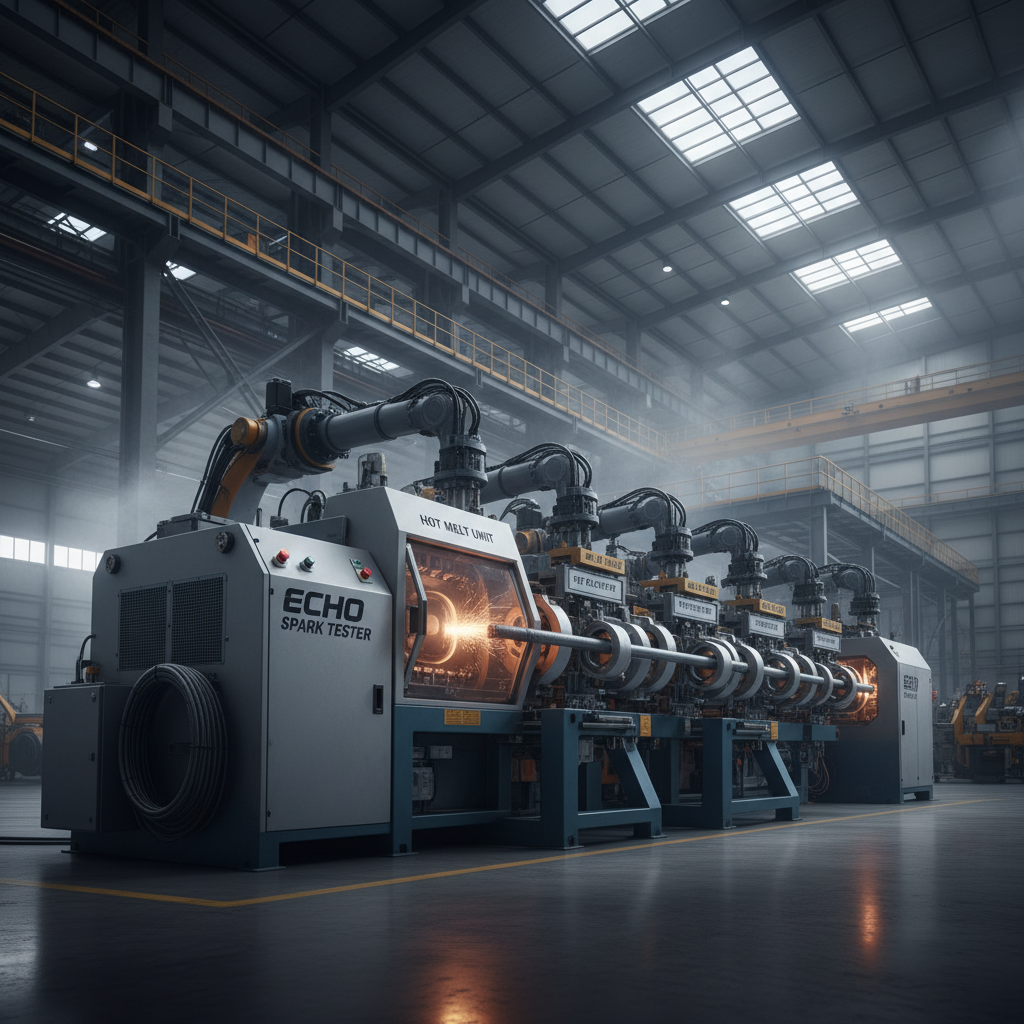
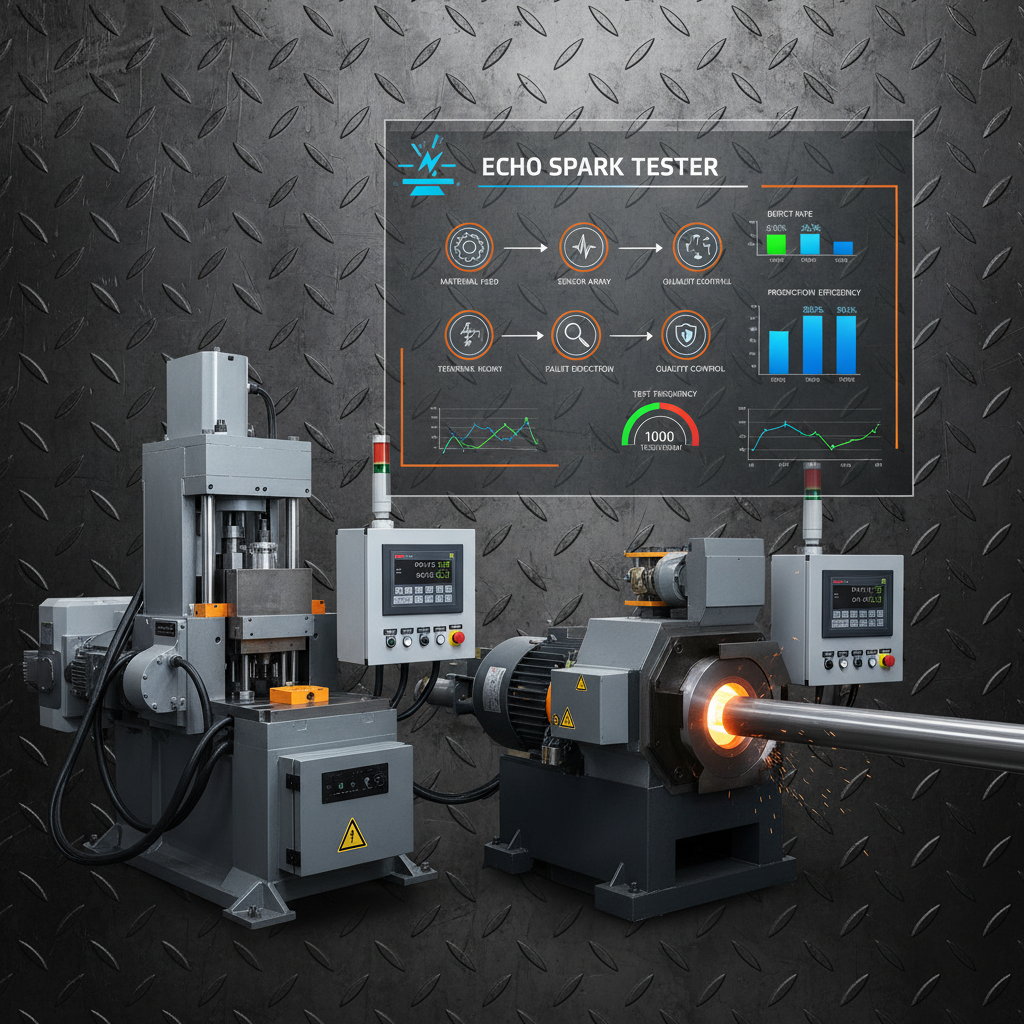
Echo Spark Tester Ensuring Weld Integrity and Reliability in Modern Industries

Defining the Echo Spark Tester

Echo Spark Tester Ensuring Weld Integrity and Reliability in Modern Industries

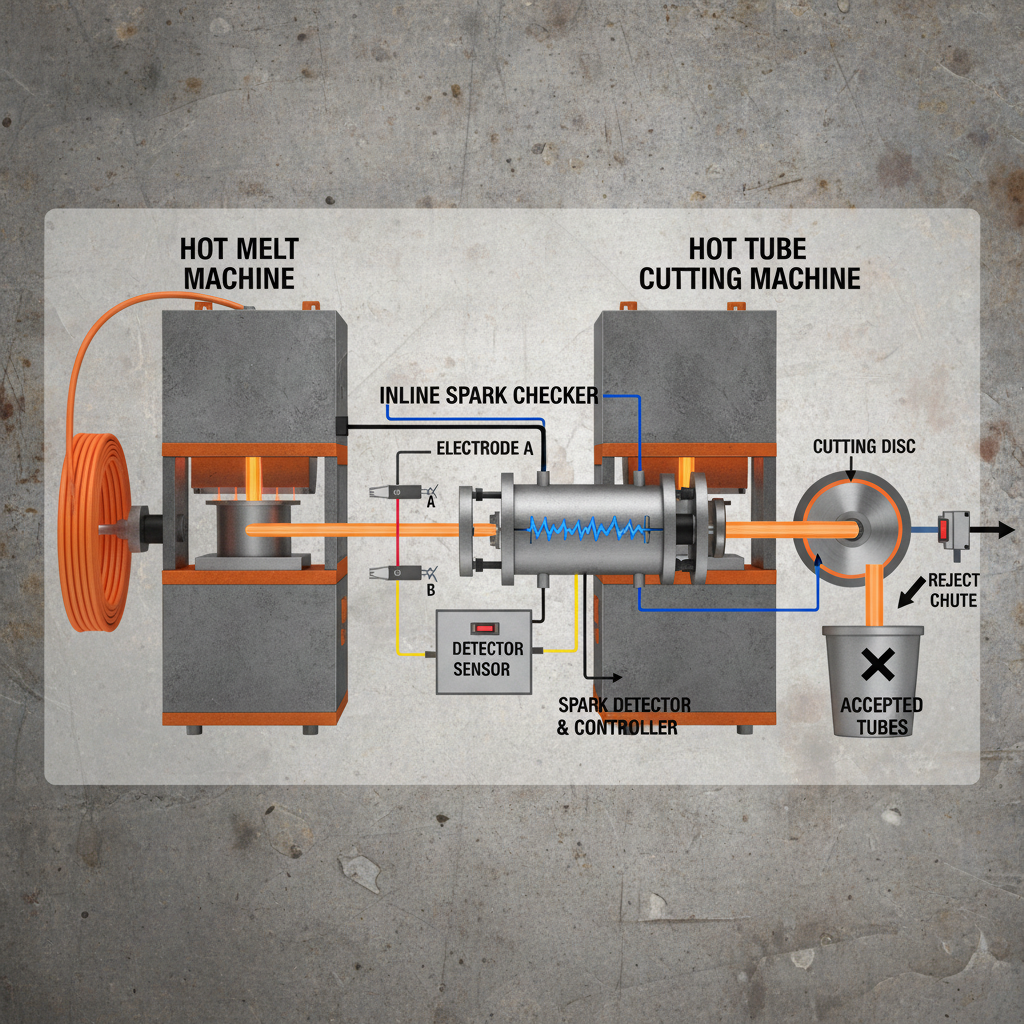
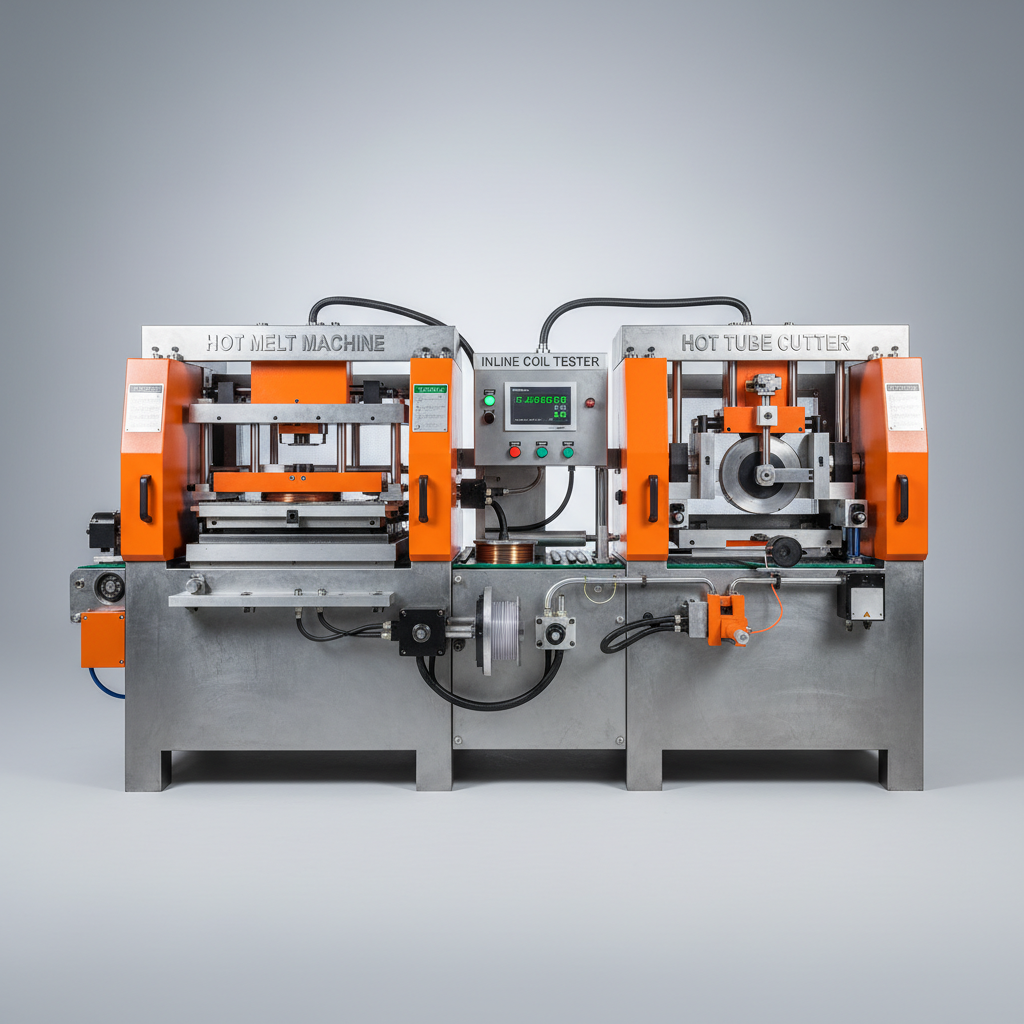
An echo spark tester is a non-destructive testing (NDT) device used to evaluate the quality of fusion welds. It works by creating a controlled electrical discharge, or "spark," across the weld surface. The characteristics of this spark – its size, shape, and pattern – are directly related to the metallurgical properties of the weld and the presence of any subsurface defects. This provides a quick and efficient method for identifying potential weaknesses.

Its connection to modern industry lies in its ability to ensure the structural integrity of critical components. In an era where safety and reliability are paramount, the echo spark tester provides a vital quality control step, helping to prevent costly failures and maintain public safety. This is especially important in industries like aerospace and nuclear energy where the consequences of weld failure can be catastrophic.

Global Relevance and Industry Context

The global demand for echo spark testers is driven by increasingly stringent safety regulations across various industries. Organizations like the International Organization for Standardization (ISO) establish welding quality standards that often necessitate the use of NDT methods, including spark testing. Countries with advanced manufacturing sectors, such as Germany, Japan, and the United States, are significant consumers of this technology.

A major challenge addressed by the echo spark tester is the detection of hidden flaws within welds that are invisible to the naked eye. Traditional visual inspection methods are often inadequate for identifying subsurface defects like porosity, inclusions, and lack of fusion. The echo spark tester bridges this gap by providing a sensitive and reliable means of detecting these imperfections, minimizing the risk of structural failures.

The economic impact of weld failures is substantial, encompassing repair costs, downtime, and potential legal liabilities. Implementing robust quality control procedures, incorporating the echo spark tester, allows companies to reduce these risks and improve their bottom line. Furthermore, the use of NDT methods contributes to sustainable practices by extending the lifespan of structures and reducing the need for premature replacements.

Understanding the Core Principles

The functionality of an echo spark tester rests on the principles of electrical discharge machining and metallurgical analysis. When a high-voltage spark is applied to a weld, it vaporizes a small amount of the metal surface. The resulting spark pattern reveals information about the composition and structure of the weld metal and heat-affected zone. A smooth, consistent spark indicates a sound weld, while irregularities suggest the presence of defects.

The echo spark tester does not simply detect the presence of a defect; it provides an indication of its severity. Different types of defects produce distinct spark patterns. For instance, porosity may result in a scattering of small sparks, while a crack may manifest as a linear disruption in the spark pattern. Interpreting these patterns requires trained personnel with expertise in welding metallurgy.

Modern echo spark testers often incorporate digital imaging and analysis tools to enhance the accuracy and repeatability of inspections. These systems can capture and store spark images for documentation and comparison, facilitating trend analysis and improving quality control procedures. The integration of artificial intelligence (AI) is also emerging, enabling automated defect detection and classification.

Key Factors Influencing Performance

One crucial factor is the surface preparation of the weld. Clean, smooth surfaces are essential for producing clear and interpretable spark patterns. Contaminants like rust, scale, and oil can interfere with the spark discharge and obscure defects. Therefore, thorough cleaning is a prerequisite for accurate testing.

The choice of electrode material and its condition also significantly impacts performance. Different electrode materials are suited for different types of metals. Regularly replacing worn or damaged electrodes ensures consistent spark characteristics.

Echo Spark Tester Performance Metrics


Real-World Applications & Sectors

The oil and gas industry utilizes echo spark testers extensively for inspecting pipelines and pressure vessels. Ensuring the integrity of these structures is crucial for preventing leaks and environmental disasters. In remote offshore locations, the portability and ease of use of the echo spark tester are particularly valuable.

Aerospace manufacturers employ echo spark testing to verify the quality of welds in aircraft components. Given the critical safety requirements of this sector, even minor weld defects can have catastrophic consequences. The echo spark tester provides a reliable means of detecting these defects before they can compromise flight safety.

Advantages and Long-Term Value

The primary advantage of the echo spark tester lies in its cost-effectiveness. Compared to more sophisticated NDT methods like ultrasonic testing or radiography, spark testing is relatively inexpensive to implement and requires less specialized training. This makes it accessible to a wider range of businesses.

From a sustainability perspective, the echo spark tester contributes to resource conservation by extending the lifespan of structures and reducing the need for premature replacements. This minimizes waste and lowers the environmental impact of industrial operations. The increased safety afforded by this type of inspection builds trust and enhances brand reputation.

Future Trends and Innovations

The integration of artificial intelligence (AI) and machine learning (ML) is poised to revolutionize echo spark testing. AI-powered systems can automatically analyze spark patterns, identify defects with greater accuracy, and provide real-time feedback to inspectors. This enhances efficiency and reduces the risk of human error.

Furthermore, advancements in sensor technology are leading to the development of more sensitive and versatile echo spark testers. These devices can detect smaller defects and analyze a wider range of materials. The pursuit of digital transformation will facilitate data sharing and collaboration among welding professionals.

The drive towards sustainability is also influencing the development of more eco-friendly electrode materials and testing procedures, minimizing the environmental impact of echo spark testing.

FAQS

What is the typical skill level required to operate an echo spark tester effectively?

While the echo spark tester is relatively user-friendly, effective operation requires training in welding metallurgy and NDT principles. Inspectors need to be able to recognize different spark patterns and interpret their significance accurately. Certification programs offered by organizations like AWS provide comprehensive training and qualification.

How does the echo spark tester compare to other non-destructive testing methods in terms of cost and accuracy?

The echo spark tester is generally less expensive than methods like ultrasonic testing or radiography, but it may be less accurate for detecting certain types of defects. It’s best suited for quickly assessing surface and near-surface imperfections. Other methods are necessary for more comprehensive subsurface evaluations.

What materials are suitable for inspection using an echo spark tester?

The echo spark tester is primarily used for inspecting ferrous metals, such as carbon steel, stainless steel, and cast iron. However, with the appropriate electrode materials and techniques, it can also be used to evaluate some non-ferrous metals, such as aluminum and copper alloys.

What are some common limitations of echo spark testing?

Limitations include difficulty in detecting defects deep within the weld, potential interference from surface contaminants, and the subjective nature of spark pattern interpretation. Proper surface preparation and trained inspectors are crucial to mitigating these limitations.

What maintenance is required for an echo spark tester?

Regular maintenance includes cleaning the electrodes, checking the power supply, and calibrating the instrument. Replacing worn or damaged electrodes is essential for maintaining accurate results. Following the manufacturer's recommendations is vital for ensuring reliable operation.

Is echo spark testing suitable for all types of welds?

Not all welds are suitable. It’s best suited for fillet welds, groove welds, and surface welds. Complex weld geometries or welds with limited access can be challenging to inspect using this method. The weld surface needs to be accessible for the spark discharge.

Conclusion

In conclusion, the echo spark tester remains a valuable and versatile tool for non-destructive testing of fusion welds. Its cost-effectiveness, portability, and ability to detect surface and near-surface defects make it a practical solution for a wide range of industries. Continued innovation in AI, sensor technology, and materials science will further enhance its capabilities and solidify its role in ensuring structural integrity and safety.

Looking ahead, the integration of digital technologies and data analytics will transform the way echo spark testing is performed and interpreted. Embracing these advancements will enable businesses to optimize their quality control processes, reduce risks, and improve their overall performance. To learn more about echo spark testing and related welding inspection technologies, visit our website: echo spark tester.

Brian Garcia

Brian Garcia

Brian Garcia is a Quality Control Manager at MM-Tech, overseeing the rigorous testing and inspection of all welding equipment before shipment. With over 8 years of experience in manufacturing quality assurance, Brian ensures that every machine meets the highest standards of performance and reliability. He joined MM-Tech in 2022, attracted
Previous Essential Coil Spark Tester Guide for Industrial Quality Control
Next Advancements in Inductive Spark Tester Technology for Quality Control

SUBSCRIBE NEWSLETTER

Dear customer, thank you for your attention! We provide high-quality machinery and equipment and look forward to your orders. Please inform us of your needs and we will respond quickly!

If you are interested in our products, you can choose to leave your information here, and we will be in touch with you shortly.