• Group_308.webp1
  • Group_308.webp2
  • Group_308.webp3
  • Group_308.webp4
  • 819_2025032815210071348.png
0%

Table of Contents

The spark tester is a critical tool in ensuring the integrity and safety of welding processes across numerous industries. Its ability to quickly and non-destructively identify defects in welds – such as porosity, lack of fusion, and cracks – makes it an indispensable part of quality control. This process is vital not just for structural reliability, but also for preventing costly failures and ensuring adherence to stringent safety regulations. The global demand for robust and reliable welding quality, driven by infrastructure development, manufacturing advancements, and stringent safety standards, underscores the growing importance of the spark tester.

Modern industries increasingly rely on advanced welding techniques, leading to a greater need for precise and efficient testing methods. Traditional methods can be time-consuming and often require destructive testing, hindering workflow and increasing costs. The spark tester offers a swift, cost-effective alternative, enabling rapid assessment of weld quality without compromising the structural integrity of the component. Its portability and ease of use also make it ideal for on-site inspections, especially in challenging environments.

Understanding the capabilities and limitations of a spark tester is crucial for any professional involved in welding, inspection, or materials engineering. Proper implementation of this technology contributes significantly to improved product quality, reduced risk, and enhanced operational efficiency.
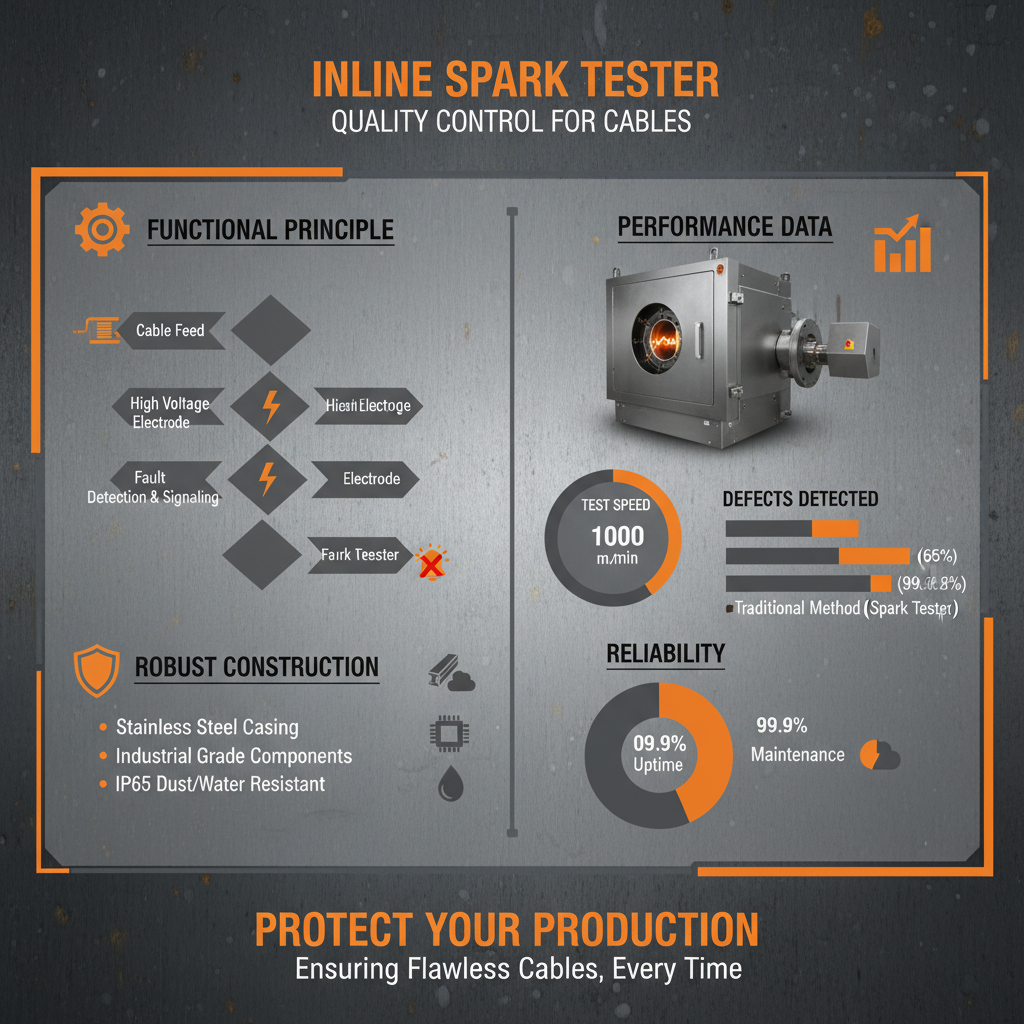
Advancements in Spark Tester Technology for Enhanced Welding Quality

The Core Principles of Spark Tester Technology

Advancements in Spark Tester Technology for Enhanced Welding Quality

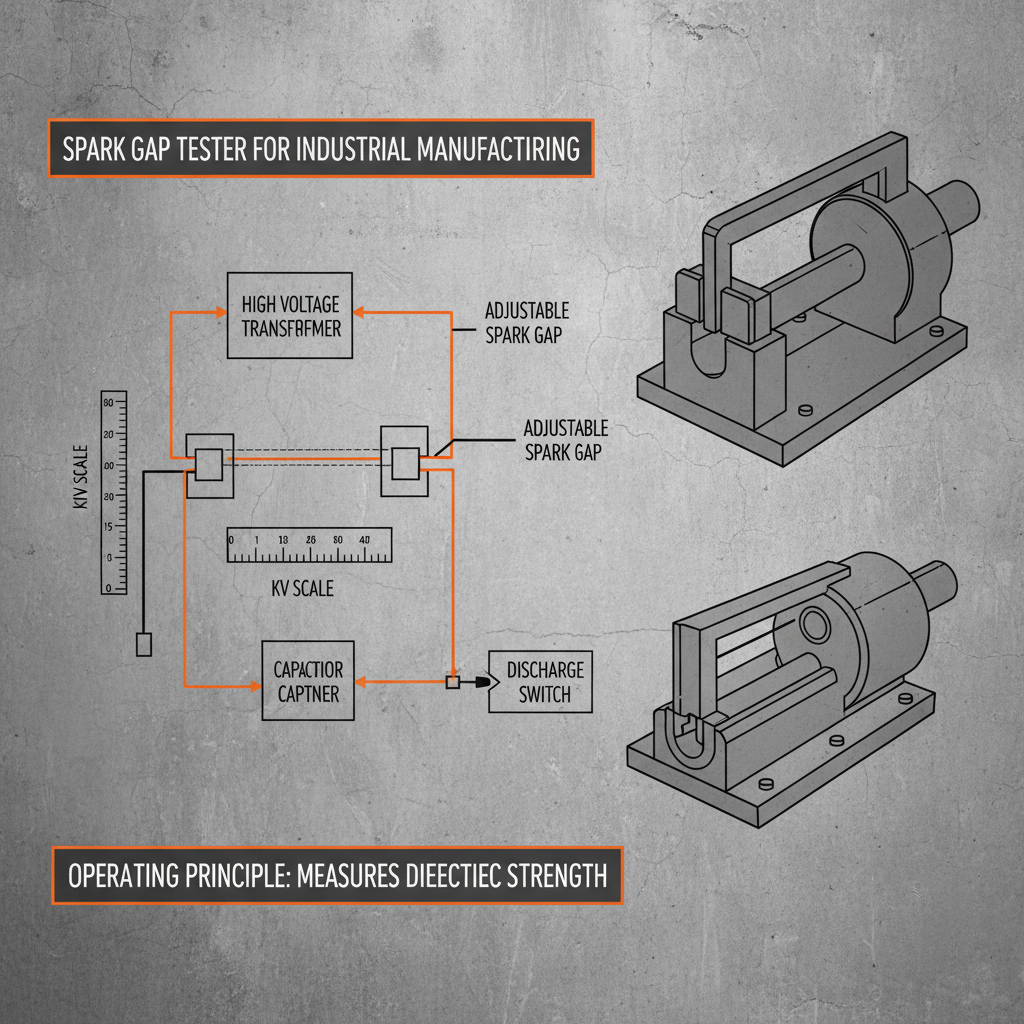
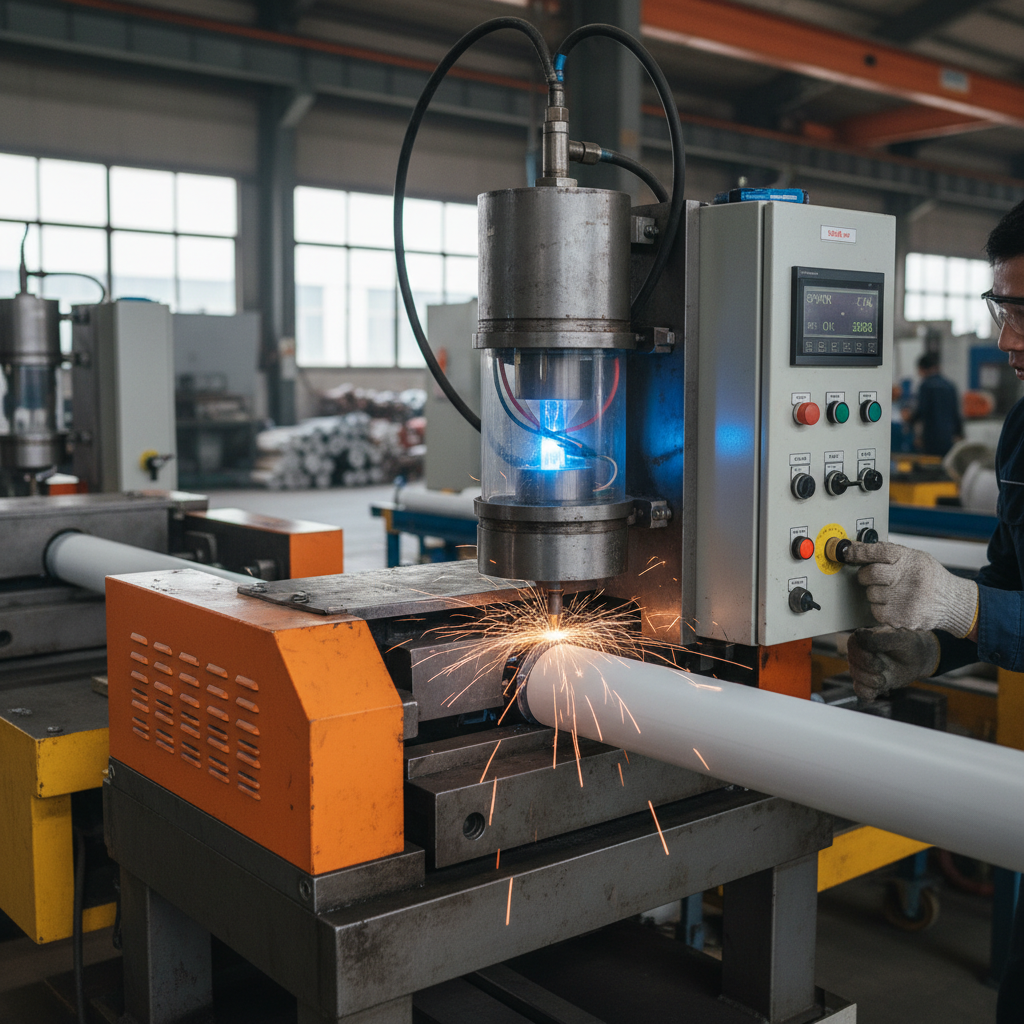
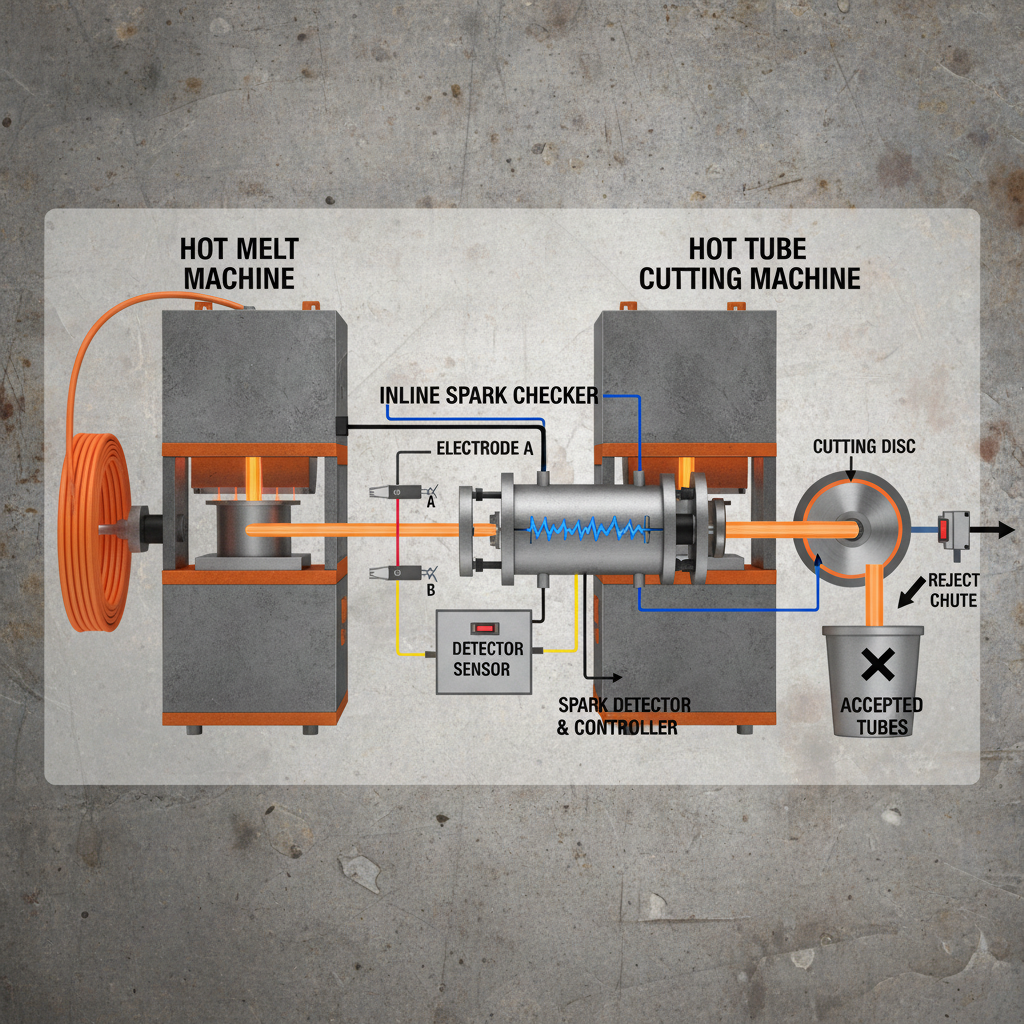
The fundamental principle behind a spark tester lies in analyzing the patterns and characteristics of sparks generated when a grinding wheel is applied to a weld. Variations in the weld’s composition, density, and integrity directly influence the spark pattern, allowing trained inspectors to identify potential defects. A consistent and uniform spark pattern signifies a sound weld, while irregular, branching, or dull sparks indicate potential issues.

This technology leverages the relationship between the metal’s microstructure and its electrical conductivity. Flaws within the weld disrupt this conductivity, altering the spark’s behavior. Proper training and experience are vital to accurately interpret these spark patterns, as subtle differences can signify critical defects that could compromise the structural integrity of the weld. A qualified inspector can use a spark tester to deliver accurate results.

Historical Development of the Spark Tester

The spark test originated in the early 20th century as a relatively simple, manual method for evaluating welds. Initially, skilled welders relied heavily on their auditory and visual assessment of the sparks produced during grinding. This method was largely subjective and relied on the inspector’s experience. Early spark testers involved a hand-held grinding wheel and a keen eye.

Over time, the technology evolved, incorporating standardized grinding wheels and training programs to improve consistency and accuracy. The introduction of amplified sound and specialized spark charts aided in defect identification. The latter half of the 20th century saw the development of more sophisticated spark testers with electronic signal processing and digital display capabilities, enhancing repeatability and reducing operator dependence.

Today’s modern spark testers represent a significant advancement over their predecessors, offering features like automated data analysis, defect classification, and detailed reporting. These advancements have solidified the spark tester's position as a crucial tool for quality control in a wide range of industries.

Key Components of a Modern Spark Tester

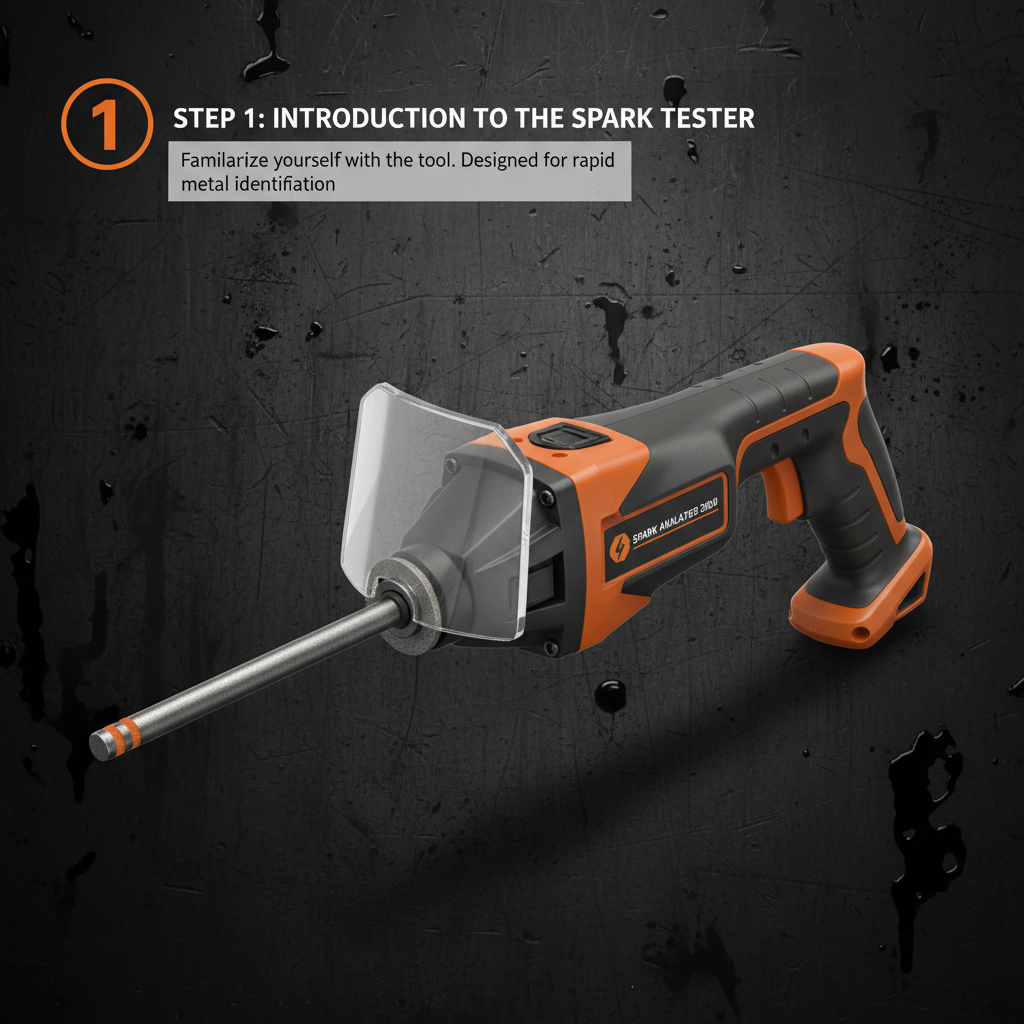
A modern spark tester consists of several key components working in concert. The core element is the grinding wheel, specifically designed to produce consistent sparks when applied to the weld surface. The wheel's composition, grit size, and speed are critical for generating predictable spark patterns. The electronic control unit regulates the grinding wheel's rotation and provides power.

Signal processing circuitry amplifies and filters the signals generated by the spark, converting them into a format suitable for analysis. A digital display provides real-time visualization of the spark patterns, often accompanied by defect indicators. Many modern testers also include data logging capabilities, allowing for comprehensive reporting and traceability. A good spark tester should be user friendly.

Finally, proper calibration and maintenance are essential for ensuring accurate and reliable performance. Regular inspection and replacement of worn components, such as the grinding wheel, are crucial for maintaining the integrity of the testing process.

Durability and Reliability of Spark Testers

The durability and reliability of a spark tester are paramount, especially when used in demanding industrial environments. The instrument must withstand frequent use, exposure to harsh conditions (dust, moisture, temperature fluctuations), and potential impacts during transportation and on-site inspections. Robust construction, using high-quality materials, is essential.

Reliability is directly linked to the quality of the internal components, the precision of the grinding wheel, and the accuracy of the signal processing circuitry. Regular maintenance, as outlined in the manufacturer's guidelines, is crucial for preventing failures and ensuring consistent performance.

Spark Tester Reliability Ratings by Component


Global Applications of Spark Testing

Spark testing finds widespread application across a diverse range of industries globally. In the construction sector, it is extensively used to inspect welds in bridges, buildings, and pipelines, ensuring structural integrity and safety. The oil and gas industry relies heavily on spark testing for quality control of welds in pipelines, storage tanks, and offshore platforms.

The manufacturing sector employs spark testing in the production of automobiles, aerospace components, and heavy machinery. In post-disaster relief operations, portable spark testers are invaluable for assessing the structural soundness of damaged infrastructure. In remote industrial zones, where access to advanced testing facilities is limited, the portability and ease of use of a spark tester make it an essential tool.

Advantages and Long-Term Value

The advantages of employing spark testing are numerous. It’s a cost-effective solution compared to more elaborate non-destructive testing methods. The speed and portability of the test offer significant time savings, particularly for on-site inspections. Importantly, it's a non-destructive technique, meaning the tested component remains usable.

The long-term value lies in its contribution to improved product quality, reduced risk of failure, and enhanced safety. By identifying defects early in the process, spark testing prevents costly repairs, downtime, and potential accidents. This fosters trust and confidence in the structural integrity of welded components.

A consistent testing process using a quality spark tester not only reduces costs, but also cultivates a culture of safety and innovation within organizations.

Future Trends and Innovations in Spark Testing

The future of spark testing is poised for innovation, driven by advancements in digital technology and artificial intelligence. Machine learning algorithms are being developed to automate the analysis of spark patterns, improving accuracy and reducing operator dependence. Integration with digital imaging and data analytics platforms will enable more comprehensive and detailed weld inspections.

Researchers are exploring new grinding wheel materials and designs to optimize spark generation and enhance defect detection capabilities. The development of portable, wireless spark testers with cloud connectivity will further streamline the inspection process and facilitate remote monitoring. The shift towards sustainability is also driving demand for more environmentally friendly testing methods.

These advancements will solidify the spark tester’s position as a vital tool for ensuring weld quality and safety in a rapidly evolving industrial landscape.

Summary of Future Trends in Spark Testing

Trend Category Description Potential Impact Implementation Timeline
AI-Powered Analysis Using machine learning to automate spark pattern recognition. Improved accuracy, reduced human error, faster inspection times. 2-5 years
Digital Integration Connecting spark testers to cloud platforms for data storage and analysis. Remote monitoring, comprehensive reporting, improved traceability. 1-3 years
Wireless Portability Developing battery-powered, wireless spark testers for increased mobility. Enhanced accessibility in remote locations, improved ergonomics. 3-5 years
Advanced Grinding Wheels Exploring new materials and designs to optimize spark generation. Improved defect sensitivity, more consistent spark patterns. Ongoing research
Sustainable Materials Utilizing environmentally friendly materials in the construction of spark testers. Reduced environmental impact, improved corporate social responsibility. 2-3 years
Augmented Reality Integration Overlaying spark data onto a live view of the weld using AR technology. Enhanced visualization, easier defect identification, real-time guidance. 5+ years

FAQS

What is the typical learning curve for becoming proficient with a spark tester?

While the basic operation of a spark tester is relatively straightforward, achieving true proficiency requires dedicated training and practical experience. Understanding spark patterns and correlating them to specific weld defects takes time and a keen eye. Formal training courses, often offered by welding certification bodies, provide a solid foundation. Expect a learning curve of several weeks to months to become confident in interpreting results and accurately identifying defects. Consistent practice and mentorship are essential.

How does a spark tester compare to other non-destructive testing methods like ultrasonic testing?

Spark testing offers a quick, cost-effective initial assessment of weld quality, while methods like ultrasonic testing provide more detailed and precise defect characterization. Ultrasonic testing can detect subsurface flaws that spark testing might miss. However, ultrasonic testing is generally more expensive, requires specialized training, and is slower than spark testing. Spark testing is often used as a first-pass screening tool, with ultrasonic testing reserved for critical applications or when more in-depth analysis is needed.

What types of weld defects can a spark tester effectively identify?

A skilled operator using a spark tester can reliably identify several common weld defects, including porosity, lack of fusion, cracks, and slag inclusions. Porosity manifests as branching or erratic spark patterns. Lack of fusion results in a dull, inconsistent spark. Cracks typically produce short, intermittent sparks. However, identifying the exact size and location of defects often requires supplementary testing methods.

What maintenance is required for a spark tester to ensure accurate results?

Regular maintenance is crucial for maintaining the accuracy and reliability of a spark tester. This includes routinely inspecting and replacing the grinding wheel, cleaning the machine to remove debris, and calibrating the instrument according to the manufacturer's instructions. Checking the power supply and signal processing circuitry is also important. A well-maintained spark tester will consistently produce reliable results.

Is spark testing suitable for all types of metal alloys?

Spark testing is most effective on carbon and low-alloy steels. It can be less reliable on stainless steels, aluminum, and other non-ferrous alloys due to their different electrical conductivity and spark characteristics. For these materials, other non-destructive testing methods are generally preferred. Proper training and understanding of the alloy being tested are essential for accurate interpretation.

What safety precautions should be taken when operating a spark tester?

Operating a spark tester involves potential hazards, including flying sparks and debris. Always wear appropriate personal protective equipment (PPE), including safety glasses, gloves, and a fire-resistant apron. Ensure the testing area is well-ventilated and free from flammable materials. Follow the manufacturer's safety guidelines and receive proper training before operating the equipment. Avoid testing welds near sensitive electronic equipment.

Conclusion

In conclusion, the spark tester remains an invaluable tool for ensuring weld quality and safety across a multitude of industries. From its humble beginnings as a manual inspection method, it has evolved into a sophisticated technology capable of providing rapid, cost-effective, and reliable assessments. Its continued relevance stems from its portability, ease of use, and ability to identify critical defects that could compromise structural integrity.

Looking ahead, the integration of artificial intelligence and digital technologies promises to further enhance the capabilities of the spark tester, automating analysis and improving accuracy. Investing in proper training, regular maintenance, and the adoption of innovative advancements will unlock the full potential of this technology and solidify its role in maintaining the highest standards of welding quality for years to come. Visit our website at www.aquafusionwelder.com to learn more.

Kevin Rodriguez

Kevin Rodriguez

Kevin Rodriguez is a Quality Control Manager at MM-Tech, responsible for maintaining the highest standards of manufacturing excellence. He leads a team of inspectors and technicians, implementing rigorous quality checks throughout the production process. Kevin ensures all machines adhere to our stringent internal quality management system, aiming for 100% customer
Previous Essential Guide to the Spark Tester Tool for Weld Quality Assurance
Next Understanding the Working of Tensiometer Instruments and Their Broad Applications

SUBSCRIBE NEWSLETTER

Dear customer, thank you for your attention! We provide high-quality machinery and equipment and look forward to your orders. Please inform us of your needs and we will respond quickly!

If you are interested in our products, you can choose to leave your information here, and we will be in touch with you shortly.