• Group_308.webp1
  • Group_308.webp2
  • Group_308.webp3
  • Group_308.webp4
  • 819_2025032815210071348.png
0%

Table of Contents

The spark tester tool is a critical component in ensuring the integrity and reliability of welded joints across a multitude of industries. Its primary function is to quickly and non-destructively verify the quality of a weld by identifying discontinuities, such as cracks, porosity, or incomplete fusion. This is achieved by applying a high-voltage electrical discharge across the weld surface, creating a visible spark pattern that reveals any underlying flaws. The importance of reliable weld testing cannot be overstated, as flawed welds can lead to catastrophic failures in infrastructure, machinery, and critical applications.

Globally, the demand for robust and accurate quality control measures in welding is increasing due to stringent safety regulations and the growing complexity of welded structures. Organizations like the International Organization for Standardization (ISO) and the American Welding Society (AWS) set standards for weld quality, and the spark tester tool plays a vital role in meeting these standards. A recent report by the World Bank highlighted the need for improved infrastructure quality in developing nations, which directly translates to increased demand for reliable welding inspection techniques.

The spark tester tool is particularly valuable in situations where radiographic or ultrasonic testing are impractical or too costly. Its portability, ease of use, and speed make it an ideal solution for field inspections, maintenance, and repair operations. Furthermore, advancements in digital spark testing technology are enhancing its accuracy and data analysis capabilities, making it an indispensable tool for modern welding professionals.

Essential Guide to the Spark Tester Tool for Weld Quality Assurance

Introduction to Spark Tester Tools

Essential Guide to the Spark Tester Tool for Weld Quality Assurance

The spark tester tool represents a crucial advancement in non-destructive testing (NDT) methods. It provides a fast and efficient way to assess weld quality without damaging the material, making it indispensable in industries like oil and gas, construction, and manufacturing. Understanding its principles and applications is vital for ensuring the structural integrity of countless projects worldwide.

Employing a relatively simple yet effective principle, the tool is capable of detecting even subtle surface and near-surface defects, thereby preventing potential failures and ensuring adherence to stringent quality control standards. Investing in proper spark tester tool equipment and training is a proactive approach to mitigating risks and ensuring long-term safety.

Defining the Spark Tester Tool

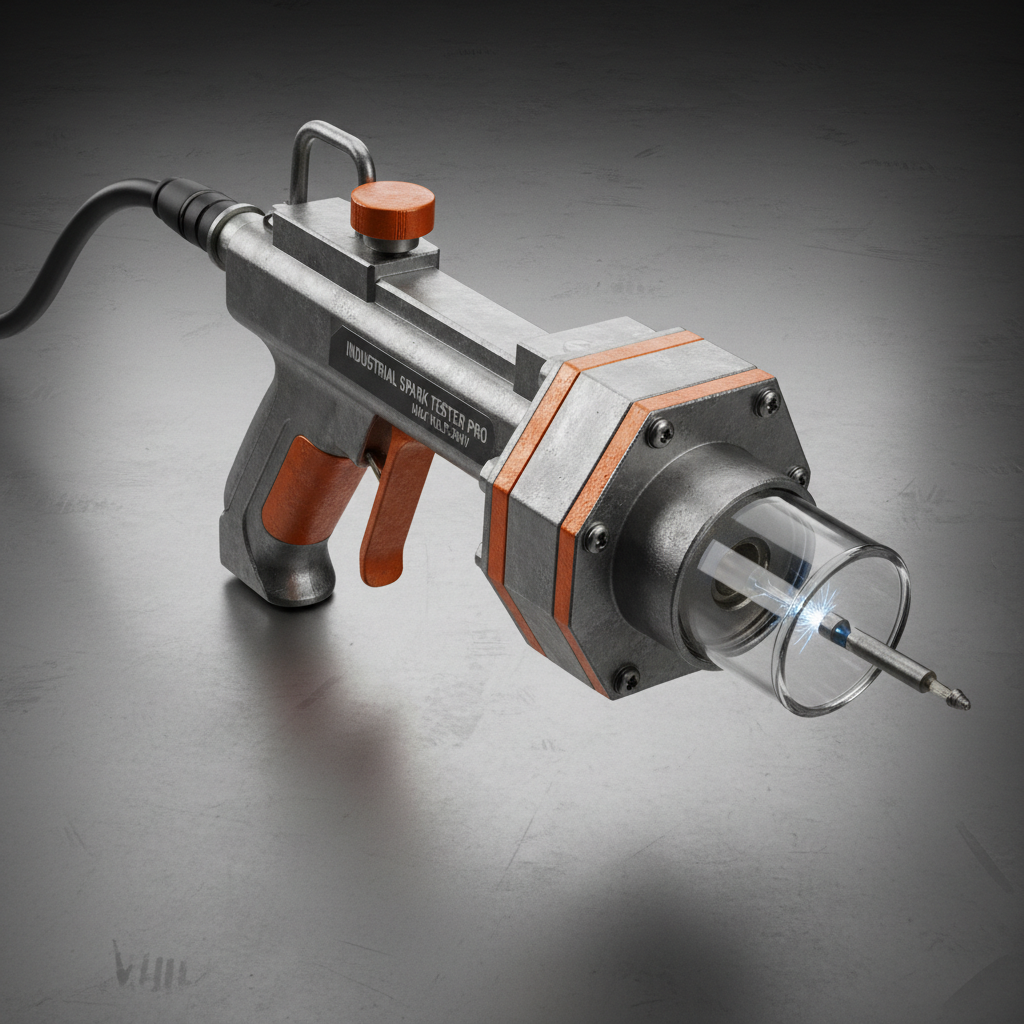
A spark tester tool, also known as a spark test set or a crack detection unit, is an electrical instrument used to detect surface flaws in metallic materials, particularly welds. It functions by applying a high-voltage discharge between two electrodes, creating a spark that travels along the surface of the material. The pattern and characteristics of the spark reveal any discontinuities present.

The presence of flaws causes disruptions in the spark pattern, such as branching, arcing, or a change in color. Skilled technicians interpret these patterns to identify the location, size, and nature of the defects. This method is particularly effective at detecting cracks, porosity, and lack of fusion in welded joints.

Its connection to modern industry is profound. In an era demanding ever-increasing safety and reliability, the spark tester tool offers a practical and economical solution for quality assurance. It bridges the gap between destructive testing methods and visual inspection, providing a more comprehensive and reliable assessment of weld integrity.

Key Components of a Spark Tester Tool

The core components of a spark tester tool typically include a power supply, electrodes, a ground clamp, and a testing lead. The power supply generates the high-voltage electrical discharge required for testing. Different power supplies offer varying voltage outputs to accommodate different material thicknesses and weld types.

The electrodes are crucial for creating the spark. They are generally made of tungsten or other conductive materials and come in various shapes and sizes to suit different applications. The ground clamp establishes a secure electrical connection to the workpiece, ensuring a complete circuit. The testing lead connects the power supply to the electrodes.

Furthermore, modern spark tester tool units often incorporate features like adjustable voltage control, arc duration settings, and visual indicators to aid in interpretation. Digital spark testers provide enhanced data logging and analysis capabilities, improving accuracy and traceability.

Global Applications and Use Cases

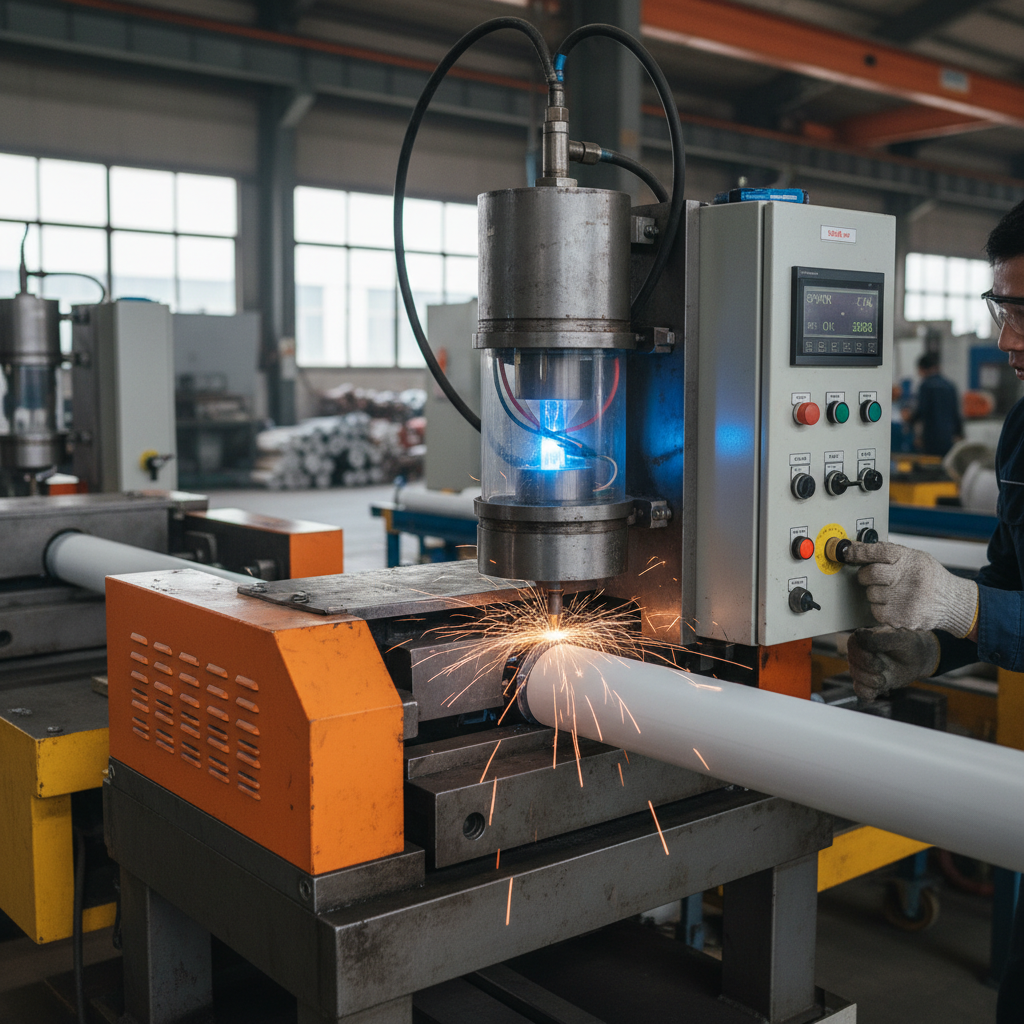
The applications of a spark tester tool are incredibly diverse, spanning numerous industries. In the oil and gas sector, it's used extensively to inspect pipelines, pressure vessels, and offshore structures, ensuring their integrity and preventing leaks or failures. Construction projects utilize the tool to verify welds in bridges, buildings, and other critical infrastructure.

Manufacturing industries, including automotive, aerospace, and shipbuilding, rely on spark tester tool for quality control during the fabrication of welded components. In post-disaster relief operations, the tool can quickly assess the structural integrity of damaged infrastructure, aiding in safety assessments and repair efforts.

Geographically, its use is widespread, from large-scale infrastructure projects in Asia and Europe to maintenance and repair in remote industrial zones in Africa and South America. Organizations like the American Bureau of Shipping (ABS) and Lloyd's Register actively promote the use of reliable NDT methods, including spark testing, to ensure compliance with safety standards.

Spark Tester Tool Effectiveness Across Different Welding Methods


Advantages and Long-Term Value

The primary advantage of the spark tester tool lies in its cost-effectiveness. Compared to more sophisticated NDT methods like radiography or ultrasonic testing, it requires a lower initial investment and minimal ongoing maintenance. This makes it accessible to a wider range of businesses, including small and medium-sized enterprises.

Beyond cost, the spark tester tool offers significant time savings. Its portability and ease of use allow for rapid inspections, reducing downtime and improving productivity. This efficiency directly translates to lower project costs and faster turnaround times. It’s a tangible return on investment, fostering trust and reliability.

Future Trends and Innovations

The future of spark tester tool technology is leaning towards digitalization and automation. Advanced sensors and data analytics are being integrated into new models to provide more precise and detailed defect analysis. The development of wireless spark testers and remote data transmission capabilities will further enhance efficiency and accessibility.

Furthermore, advancements in artificial intelligence (AI) and machine learning are enabling the creation of algorithms that can automatically interpret spark patterns, reducing the reliance on subjective human judgment. This will lead to more consistent and reliable results, as well as improved operator training and skill development.

Challenges and Solutions

One of the main challenges associated with spark tester tool is the level of operator skill required for accurate interpretation of spark patterns. Misinterpretation can lead to false positives or missed defects. Addressing this requires comprehensive training programs and standardized certification procedures.

Another limitation is its sensitivity to surface contaminants, such as rust, scale, or paint. These contaminants can interfere with the spark pattern and mask underlying defects. Thorough surface preparation is crucial to ensure accurate results. The implementation of automated data analysis systems can also help mitigate the impact of operator variability and surface conditions.

Ongoing research and development efforts are focused on improving the sensitivity and reliability of spark tester tool in challenging environments and on a wider range of materials.

Summary of Key Spark Tester Tool Challenges and Mitigation Strategies

Challenge Severity (1-10) Mitigation Strategy Implementation Cost (Low/Med/High)
Operator Skill Dependency 8 Certified Training Programs Med
Surface Contamination 7 Thorough Surface Preparation Low
Limited Defect Depth Detection 6 Complement with other NDT methods Med
Interpretation Subjectivity 5 Automated Data Analysis High
Material Specificity 4 Adjusting Voltage and Electrode type Low
Environmental Interference 3 Shielded Testing Environment Med

FAQS

What is the primary purpose of using a spark tester tool?

The primary purpose of a spark tester tool is to rapidly and non-destructively detect surface and near-surface flaws in metallic materials, especially welds. It identifies discontinuities like cracks, porosity, and lack of fusion by analyzing the patterns created by a high-voltage electrical discharge. It's vital for ensuring the structural integrity and reliability of welded joints, minimizing the risk of failures and upholding safety standards in diverse industries. It's a cost-effective and efficient alternative to more complex NDT methods.

What types of materials can be tested with a spark tester?

A spark tester tool is most commonly used on ferrous metals, including carbon steel, low-alloy steel, and stainless steel. While it can be used on some non-ferrous metals like aluminum and copper, the results may not be as clear or reliable due to their different electrical conductivity. The effectiveness of the tool depends on the material's conductivity and surface characteristics. Proper surface preparation is crucial for accurate results regardless of the material.

How does surface contamination affect spark testing results?

Surface contamination, such as rust, scale, paint, oil, or dirt, can significantly interfere with spark tester tool results. These contaminants can alter the electrical conductivity and disrupt the spark pattern, masking underlying defects or creating false indications. Thorough surface preparation, including cleaning and removal of contaminants, is essential before performing a spark test. A clean surface ensures accurate and reliable flaw detection.

What training is required to effectively use a spark tester?

Effective use of a spark tester tool requires specific training and certification. Operators must learn how to properly prepare surfaces, select appropriate voltage settings, interpret spark patterns, and identify different types of defects. Certification programs, often offered by organizations like the American Welding Society (AWS), provide the necessary knowledge and skills to perform accurate and reliable inspections. Proper training minimizes the risk of misinterpretation and ensures consistent results.

What are the limitations of spark testing compared to other NDT methods?

While effective, spark tester tool has limitations. It primarily detects surface flaws and may not reliably detect subsurface defects. It's also sensitive to surface contamination and requires skilled interpretation of spark patterns. Compared to methods like ultrasonic testing or radiography, it provides less detailed information about defect size and shape. Therefore, it's often used in conjunction with other NDT methods for a comprehensive assessment.

What safety precautions should be taken when using a spark tester?

Safety is paramount when using a spark tester tool. The high-voltage discharge poses a risk of electric shock. Operators should wear appropriate personal protective equipment (PPE), including insulated gloves, safety glasses, and non-conductive footwear. Ensure the workpiece is properly grounded, and avoid contact with wet surfaces or flammable materials. Always follow the manufacturer's instructions and safety guidelines. Proper training and adherence to safety protocols are crucial to prevent accidents.

Conclusion

In conclusion, the spark tester tool remains an indispensable tool for ensuring weld quality and structural integrity across a wide range of industries. Its cost-effectiveness, portability, and speed make it a practical solution for numerous applications, from routine inspections to critical infrastructure projects. Continued innovation, particularly in the areas of digitalization and automation, promises to enhance its accuracy and reliability even further.

Looking ahead, embracing advancements in spark tester tool technology and investing in comprehensive operator training will be crucial for maintaining the highest standards of safety and quality. By proactively addressing challenges and leveraging new innovations, we can unlock the full potential of this essential NDT method and ensure the long-term reliability of our infrastructure and critical assets. Visit our website at www.aquafusionwelder.com to learn more about our range of spark testing solutions.
Kevin Rodriguez

Kevin Rodriguez

Kevin Rodriguez is a Quality Control Manager at MM-Tech, responsible for maintaining the highest standards of manufacturing excellence. He leads a team of inspectors and technicians, implementing rigorous quality checks throughout the production process. Kevin ensures all machines adhere to our stringent internal quality management system, aiming for 100% customer
Previous Comprehensive Guide to Inline Spark Testing for Weld Quality Assurance
Next Advancements in Spark Tester Technology for Enhanced Welding Quality

SUBSCRIBE NEWSLETTER

Dear customer, thank you for your attention! We provide high-quality machinery and equipment and look forward to your orders. Please inform us of your needs and we will respond quickly!

If you are interested in our products, you can choose to leave your information here, and we will be in touch with you shortly.