• Group_308.webp1
  • Group_308.webp2
  • Group_308.webp3
  • Group_308.webp4
  • 819_2025032815210071348.png
0%

Table of Contents

You know, after running around construction sites all year, you start to see patterns. Lately, everyone's talking about prefabrication, modular stuff. It's the way forward, supposedly. But honestly, a lot of these designs look good on paper, and then fall apart the minute someone actually tries to build them. It’s about the details, you know? Not just throwing a CAD drawing at a crew and hoping for the best.

Have you noticed how everyone's chasing lighter materials? Fiberglass, composites... they’re all the rage. But they're a pain to work with on site. Fiberglass smells awful when you cut it, gets everywhere, and you need a special respirator. It's not like steel, you can just weld it, right? Everything has a tradeoff. And strangely, a lot of engineers forget that. They design for the ideal world, not the muddy, dusty, chaotic reality of a construction site.

We specialize in vacuum box weld testing equipment, specifically for these prefabrication setups. And it’s not just about getting a passing grade in a lab. It's about how it holds up when a forklift bumps into it, or a worker accidentally drops a tool on the joint. That's the real test, isn't it?
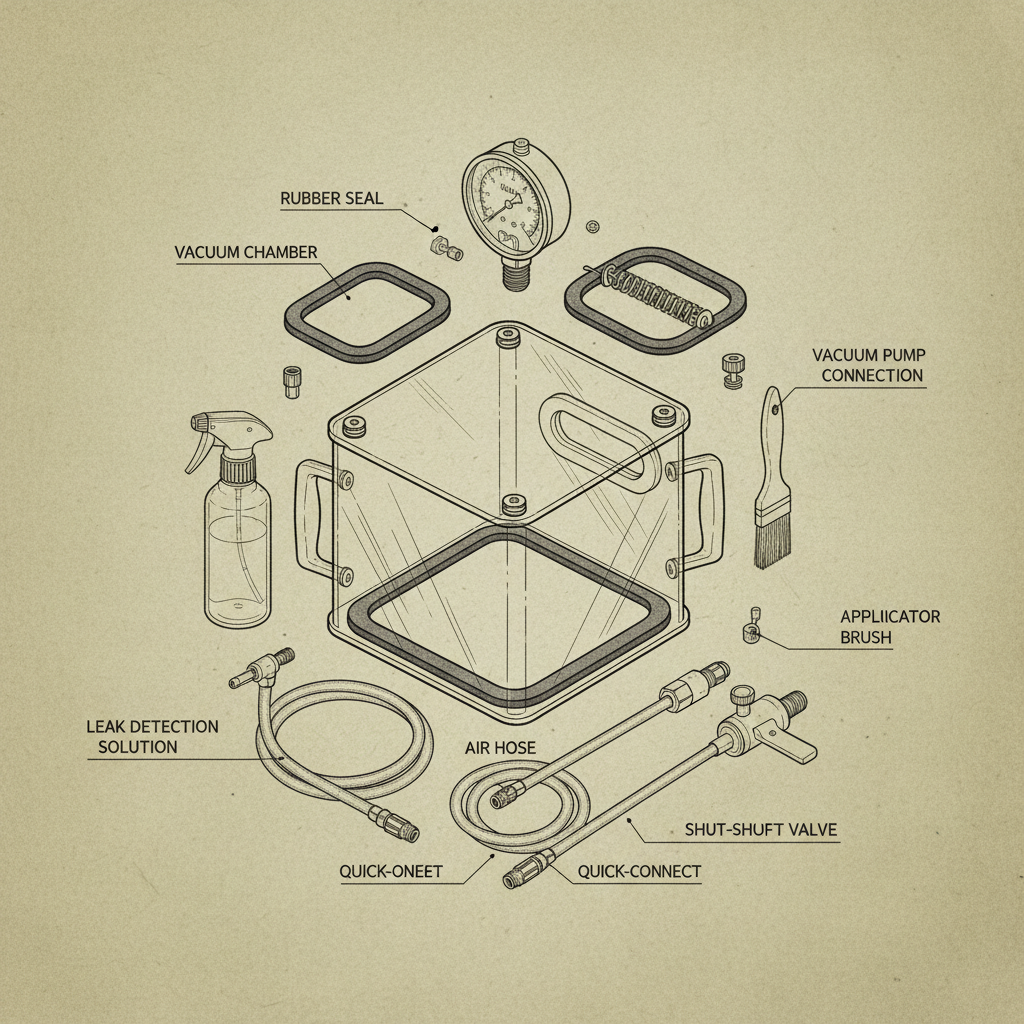
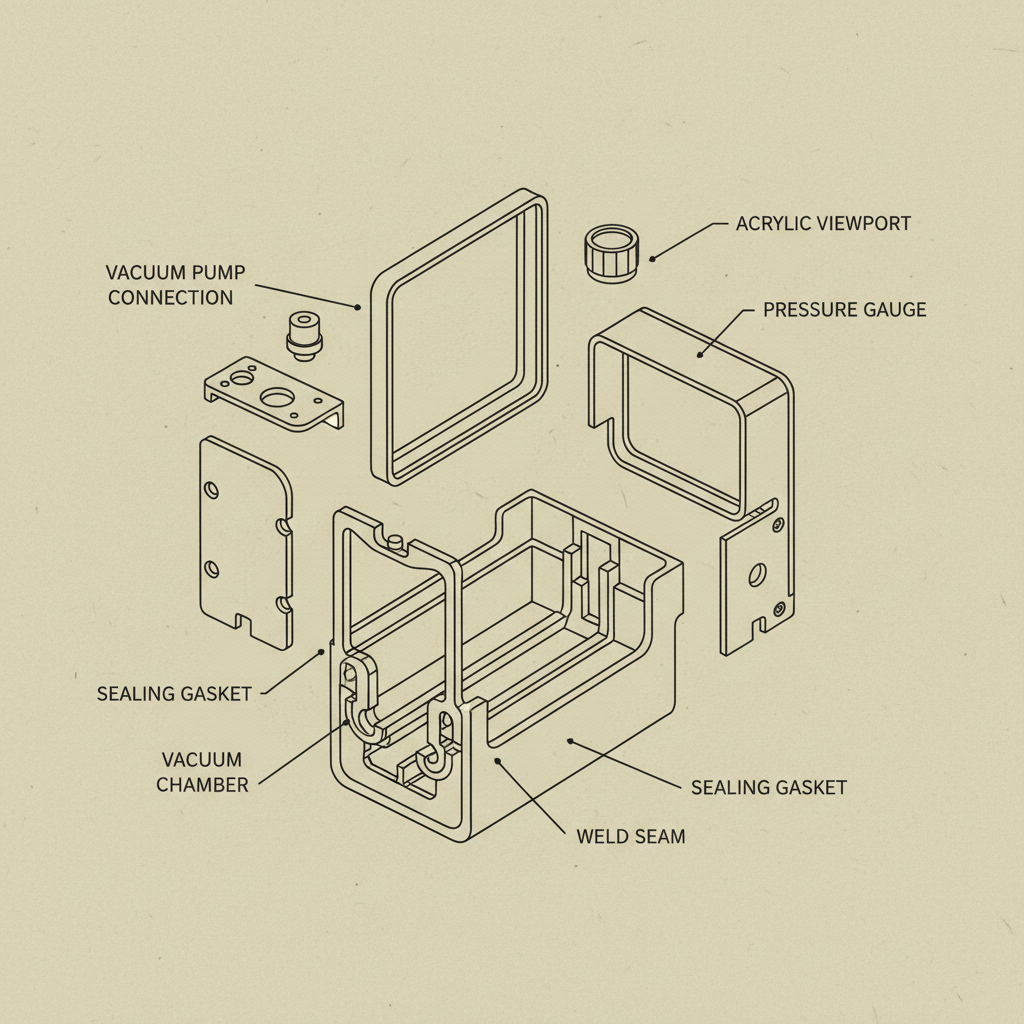
Advanced Vacuum Box Weld Testing Equipment for Prefabrication Quality Control

The Current Landscape of Prefabrication & Welding

Advanced Vacuum Box Weld Testing Equipment for Prefabrication Quality Control

To be honest, the push for prefabrication isn't just about speed or cost. A lot of it is labor shortage. Finding skilled welders is getting harder and harder. So, companies are trying to do more work in the shop, under controlled conditions. Which, in theory, makes sense. But that puts even more pressure on the quality control. You can’t just visually inspect a weld and call it good anymore. You need objective data, especially with these new alloys.

That's where vacuum box weld testing equipment comes in. It's not glamorous, but it's critical. It's the difference between a building that stands for fifty years and one that starts leaking after five. And let me tell you, nobody wants to be the guy who signed off on a faulty weld.

Common Design Pitfalls in Modular Construction

I encountered this at a factory in Shanghai last time. They were building these modular hotel rooms, all fancy glass and steel. The designers specified these super-thin steel plates for the walls, thinking it would save weight. But when the welders started joining them, the plates warped like crazy. The welds were strong enough, but the whole structure was out of alignment. It took weeks to fix.

It’s a classic mistake. People forget that welding introduces heat, and heat causes distortion. You need to account for that in the design. Proper bracing, proper weld sequencing, proper material selection… it all matters. And vacuum box testing can reveal those hidden distortions, the ones you can’t see with the naked eye.

Another issue? Trying to squeeze too much functionality into too little space. They want to run all the electrical wiring inside the weld seams, thinking it’s clever. But that creates stress concentrations, and weakens the weld. It just...doesn’t work.

Materials We See on Site: A Hands-On Perspective

Stainless steel is the most common, obviously. 304, 316… you see it everywhere. It’s relatively easy to weld, but it’s expensive. Aluminum is becoming more popular, especially for lighter structures. But aluminum welding is tricky. It requires a different technique, a different filler metal, and a lot more skill. You get porosity easily if you're not careful. And then there's galvanized steel...ugh, that stuff is a nightmare. The fumes are toxic, and the weld quality is always questionable.

We’re starting to see more high-strength low-alloy steels, too. They're strong, lightweight, and relatively affordable. But they require preheating and post-weld heat treatment to prevent cracking. It’s a whole different ballgame. And that’s where our equipment really shines – ensuring those heat-affected zones are solid. You can smell a bad weld sometimes, honestly. Especially with certain alloys. It just has this…off odor.

Anyway, I think a lot of these material choices come down to marketing hype. "Oh, this new alloy is 20% stronger!" Great, but can my guys weld it reliably? Can my testing equipment verify its integrity? That's what really matters.

Real-World Testing of Weld Integrity

Look, lab tests are important. Destructive testing, tensile strength, fatigue analysis… all that stuff. But it doesn't always translate to the real world. A perfectly welded sample in a controlled environment can fail miserably when exposed to vibrations, temperature fluctuations, and just general abuse.

That's why we focus on non-destructive testing. Vacuum box testing, specifically. It's a simple concept, really. You enclose the weld in a sealed chamber and apply a vacuum. If there's a leak, you'll find it. But the devil is in the details. The vacuum level, the dwell time, the sensitivity of the equipment… all critical.

Vacuum Box Weld Testing Equipment Performance Metrics


How Users Actually Employ Vacuum Box Weld Testing Equipment

You'd think everyone would follow the procedure to the letter, right? Not a chance. I’ve seen guys just slap the vacuum pump on a weld and hope for the best. Or they’ll use the wrong sealant, or they’ll leave the chamber under vacuum for too short a time. It’s frustrating. That’s why we put so much emphasis on training.

Most of our clients use it as a final quality check, before the modular units leave the factory. Some use it during the welding process, to identify problems early on. And a few, the really meticulous ones, use it on-site, to verify the integrity of field welds.

The Pros & Cons: A Pragmatic View

Okay, let's be real. Vacuum box testing isn't perfect. It’s relatively slow. It requires some skill and training. And it can’t detect every type of defect. But it's still the best way to find leaks in a large, complex weld. It's simple, reliable, and it gives you a clear pass/fail result.

It’s a lot cheaper than radiography, and less prone to misinterpretation. And honestly, it's a lot more practical for on-site use. You don’t need a lead-lined room and a certified technician.

The biggest downside? It only tests for leaks. It doesn’t tell you anything about the strength of the weld itself. For that, you still need other methods.

Customization & Specific Applications

We get a lot of requests for customization. One guy, a small boss in Shenzhen who makes smart home devices, last month insisted on changing the interface to . He said it was “more modern.” It turned out the connector was too fragile for the rough handling on the production line. It broke within a week. Anyway...

We can modify the chamber size, the vacuum pump capacity, the data logging capabilities… whatever the customer needs. We’ve even built custom fixtures for testing oddly shaped welds.

A lot of our clients in the marine industry use our equipment to test welds on ship hulls. They need to be absolutely certain there are no leaks, obviously. And the oil and gas guys use it to test pipelines. High stakes stuff.

Summary of Vacuum Box Weld Testing Equipment Performance Characteristics

Testing Parameter Sensitivity Level (1-10) Testing Time (minutes) Operator Skill Level (1-5)
Small Porosity Detection 9 15 3
Large Crack Identification 10 5 2
Pin Hole Assessment 7 20 4
Surface Crevice Evaluation 8 10 3
Weld Root Penetration Check 6 30 5
Overall Weld Integrity 8 15 3

FAQS

What is the typical lead time for a custom vacuum box weld testing equipment setup?

Typically, a custom setup takes around 6-8 weeks, depending on the complexity of the modifications. We need time to design, fabricate, and thoroughly test the equipment. Factors like material sourcing and the availability of specialized components can also impact the lead time. We aim for transparency and keep clients informed every step of the way.

What level of training is required to operate vacuum box weld testing equipment effectively?

While the basic operation is relatively straightforward, proper training is crucial for accurate and reliable results. We offer a comprehensive training program that covers everything from equipment setup and calibration to data interpretation and troubleshooting. The course takes approximately 2-3 days and is conducted at our facility or on-site.

How does vacuum box testing compare to other non-destructive testing methods like dye penetrant testing?

Dye penetrant testing is great for surface defects, but it won’t find subsurface porosity or interconnected leaks. Vacuum box testing is specifically designed to detect those types of flaws. It’s also more objective – you're looking for a clear pressure drop, not relying on someone’s visual interpretation of a dye stain. They complement each other well, to be honest.

What types of materials can be effectively tested using this equipment?

We can test a wide range of materials, including steel, stainless steel, aluminum, copper, and various alloys. However, the specific requirements may vary depending on the material and the weld type. For example, testing aluminum requires careful attention to surface preparation and the use of appropriate sealants.

What is the typical maintenance schedule for vacuum box weld testing equipment?

Regular maintenance is key to ensuring long-term reliability. We recommend checking the seals and vacuum pump oil every month, and performing a full calibration annually. We also offer preventative maintenance contracts to take the hassle out of it. Replacing a worn seal is a lot cheaper than replacing the entire system.

Is the equipment portable and suitable for on-site testing?

Yes, we offer both stationary and portable vacuum box testing systems. The portable models are designed to be rugged and easy to transport, making them ideal for on-site inspections. They come with a durable carrying case and require only a standard power outlet to operate. But be warned, they are heavy!

Conclusion

Ultimately, all this fancy equipment, the materials science, the design specifications… it all comes down to one thing: a solid weld. That’s what keeps structures standing, pipelines flowing, and people safe. Vacuum box weld testing equipment isn’t a magic bullet, but it’s a critical tool for ensuring quality and reliability.

And honestly, whether this thing works or not, the worker will know the moment he tightens the screw. If it feels right, if it looks right, that's usually a good sign. But don’t just rely on gut feeling. Back it up with data, back it up with testing, and back it up with a commitment to quality. If you're looking for reliable vacuum box weld testing equipment, visit our website today!

Brian Garcia

Brian Garcia

Brian Garcia is a Quality Control Manager at MM-Tech, overseeing the rigorous testing and inspection of all welding equipment before shipment. With over 8 years of experience in manufacturing quality assurance, Brian ensures that every machine meets the highest standards of performance and reliability. He joined MM-Tech in 2022, attracted
Previous Comprehensive Guide to the Adjustable Fillet Weld Gauge for Quality Welding
Next Understanding Welding Bend Test Machine Performance and Real World Applications

SUBSCRIBE NEWSLETTER

Dear customer, thank you for your attention! We provide high-quality machinery and equipment and look forward to your orders. Please inform us of your needs and we will respond quickly!

If you are interested in our products, you can choose to leave your information here, and we will be in touch with you shortly.