
 Email:news@peweldingmachine.com
 +86-137 3974 5191

NO.355,Youyi Street,Qiaoxi District,Shijiazhuang,Hebei,China.



Spot weld testers are crucial instruments in modern manufacturing, ensuring the integrity and reliability of welded joints. These devices play a vital role across diverse industries, from automotive and aerospace to electronics and medical device production. The demand for high-quality welds, driven by stringent safety regulations and performance requirements, has fueled the development of increasingly sophisticated spot weld testing technologies. Accurate assessment of weld quality prevents catastrophic failures, reduces material waste, and optimizes production processes.
The global market for spot weld testers is experiencing significant growth, spurred by the rising adoption of automated welding processes and the increasing need for non-destructive testing methods. According to industry reports, the market is projected to reach substantial figures in the coming years. This growth is particularly pronounced in emerging economies with rapidly expanding manufacturing sectors. Investing in reliable spot weld testing equipment is no longer a mere quality control measure, but a strategic imperative for businesses seeking to maintain a competitive edge.
The benefits extend beyond purely economic considerations. By ensuring weld integrity, spot weld testers contribute to enhanced product safety, reduced environmental impact (through minimized rework and scrap), and increased public trust in manufactured goods. Their impact resonates across various facets of modern life, making them an indispensable component of responsible and sustainable manufacturing practices.
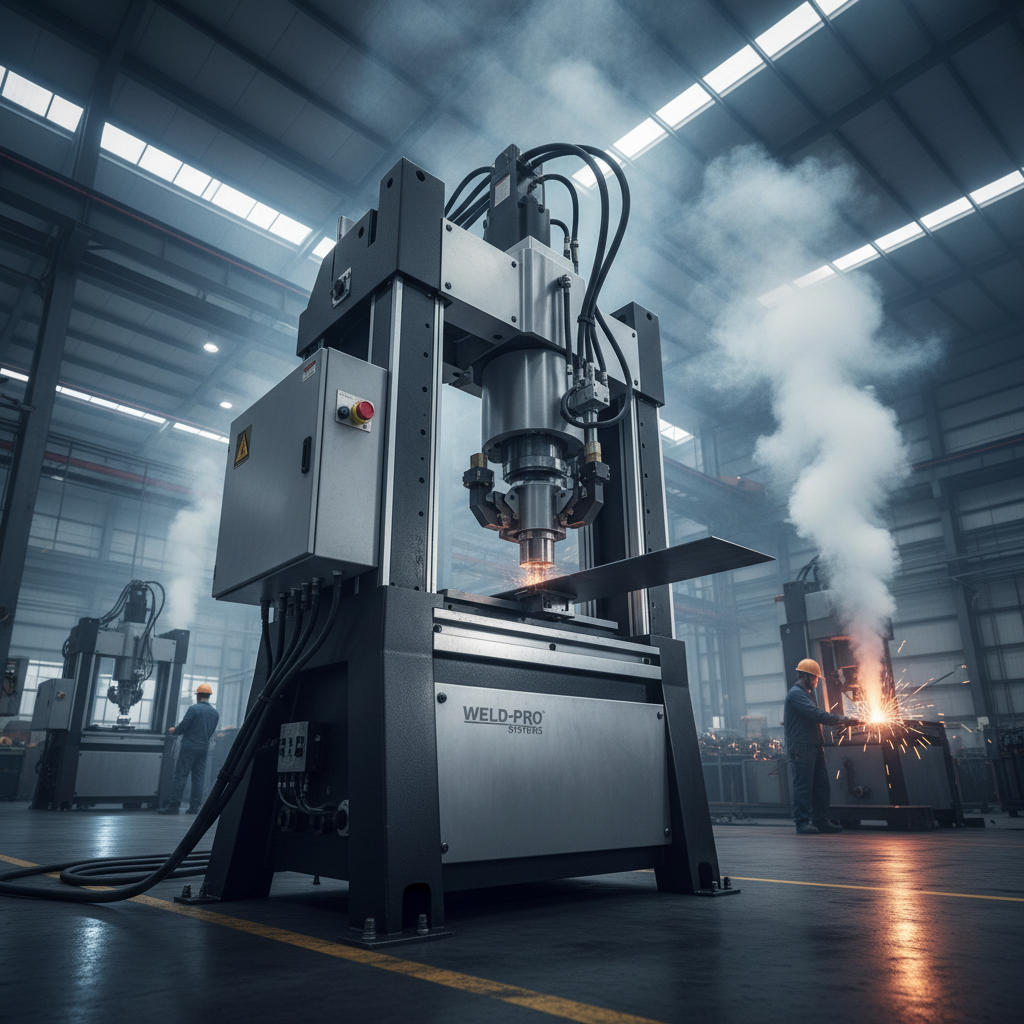
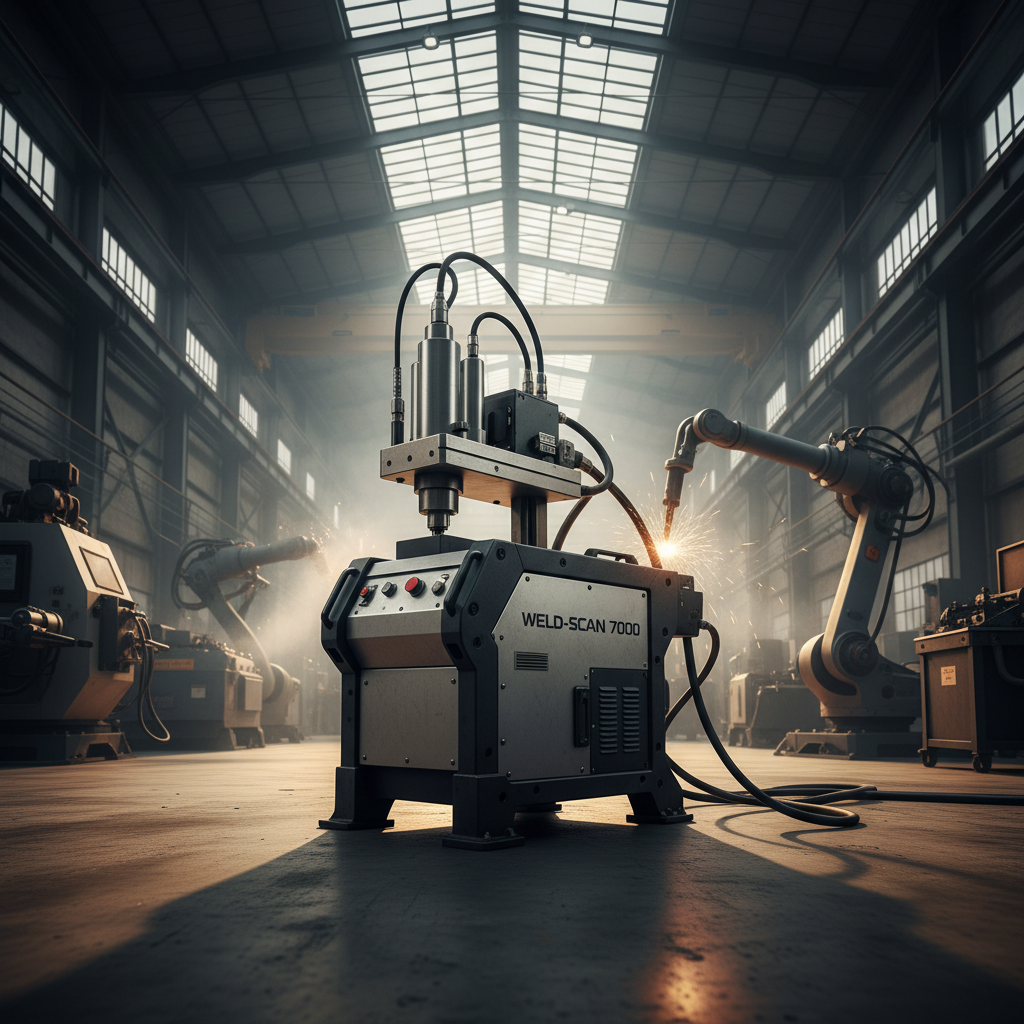
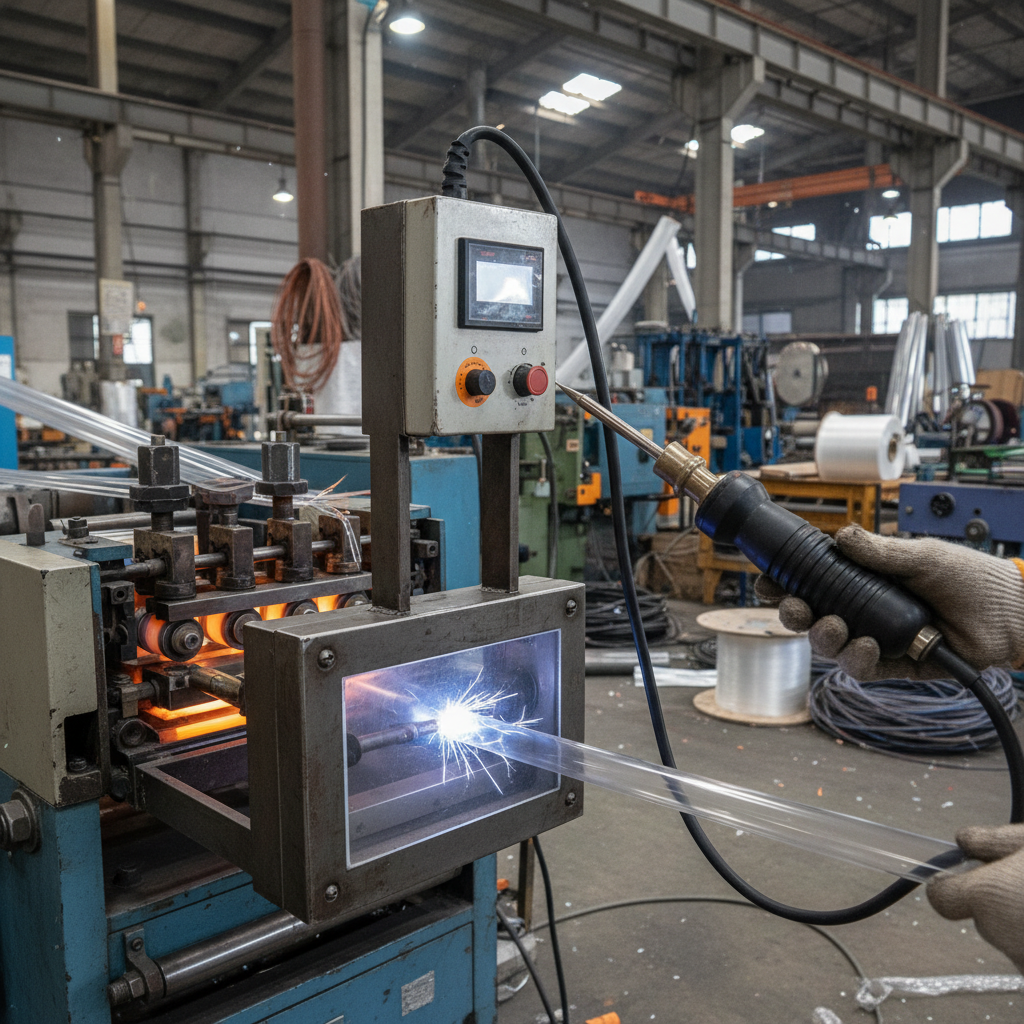
Spot weld testing is a critical process for verifying the quality and strength of spot-welded joints. These joints are prevalent in various manufacturing applications, notably in the automotive industry for car body assembly. A robust spot weld tester ensures that each weld meets predefined specifications, minimizing the risk of structural failures and enhancing overall product safety. Proper testing provides confidence in the manufacturing process and protects both manufacturers and end-users.
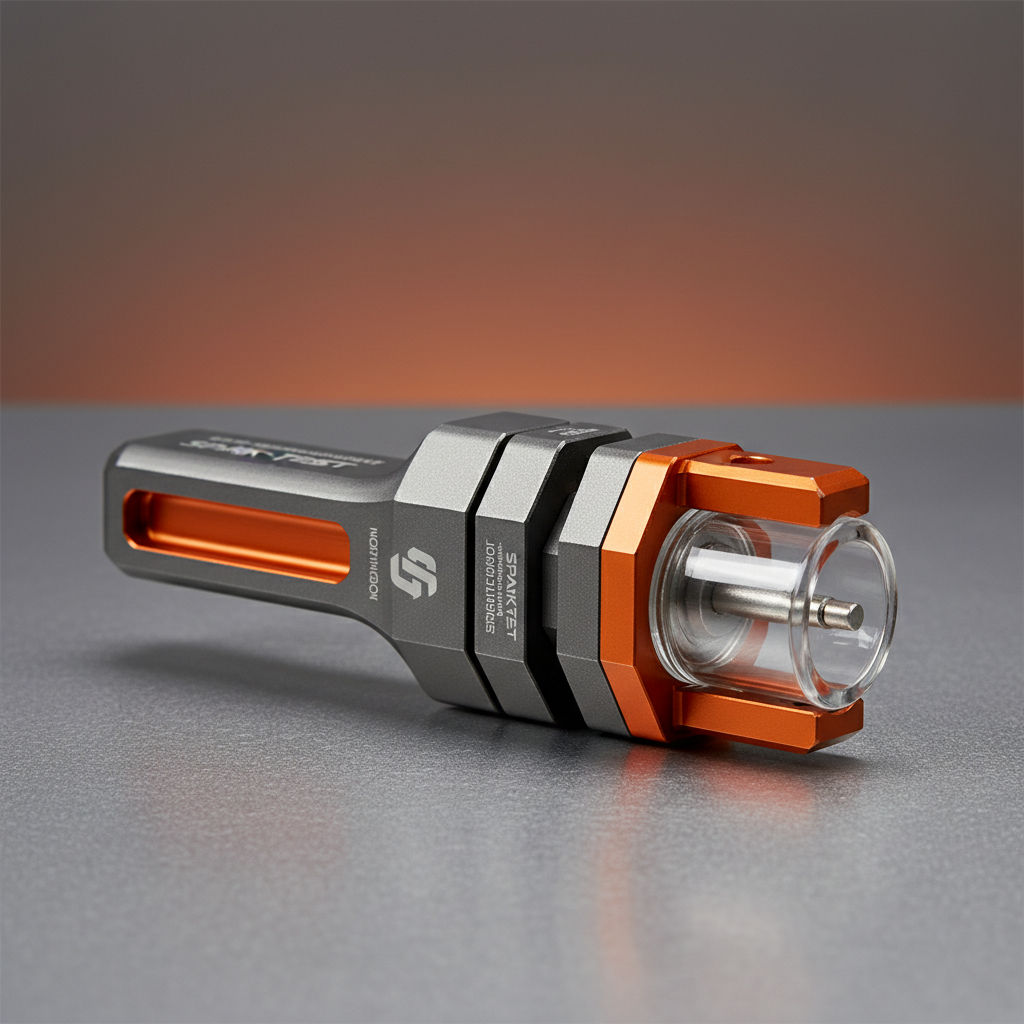
The process utilizes several techniques, including destructive and non-destructive methods. Destructive tests, like peel and tensile tests, directly measure the weld’s strength. Non-destructive methods, such as ultrasonic testing and eddy current testing, identify internal defects without compromising the integrity of the weld. The choice of method depends on the specific application, material, and required level of accuracy. spot weld tester
Several factors directly influence the performance and accuracy of a spot weld tester. Calibration is paramount; regular calibration against traceable standards ensures the tester provides reliable measurements. The choice of testing method (ultrasonic, eddy current, destructive) also plays a significant role, with each method having its own strengths and limitations.
Operator training is another critical factor. Even the most sophisticated tester will yield inaccurate results if operated incorrectly. Proper training ensures operators understand the principles of spot weld testing, the correct procedures for using the tester, and the proper interpretation of the results.
Spot weld testers find widespread application across numerous industries globally. The automotive sector remains the largest consumer, utilizing these testers extensively for quality control during car body assembly. Aerospace manufacturers employ spot weld testers to ensure the structural integrity of aircraft components, where safety is paramount.
The electronics industry also relies heavily on spot weld testing, particularly for applications involving battery packs and other welded electronic assemblies. In these applications, even minor defects can lead to performance issues or safety hazards. Similarly, the medical device industry utilizes spot weld testers to ensure the reliability and safety of surgical instruments and other medical equipment.
Investing in a reliable spot weld tester delivers significant advantages and long-term value. Reduced scrap rates and rework are direct benefits, stemming from the ability to identify and correct welding defects early in the process. This translates to cost savings and increased production efficiency.
Enhanced product safety is another key advantage. By ensuring weld integrity, spot weld testers minimize the risk of catastrophic failures, protecting both consumers and manufacturers from potential liabilities. This builds trust and enhances brand reputation. Furthermore, reliable testing procedures contribute to improved process control and optimized welding parameters, leading to consistent high-quality welds.
The future of spot weld testing is poised for significant advancements. The integration of artificial intelligence (AI) and machine learning (ML) is enabling the development of smarter testers capable of automated defect detection and predictive maintenance. These systems can analyze vast amounts of data to identify patterns and predict potential failures, optimizing the welding process.
Another emerging trend is the development of more portable and versatile testing solutions. Handheld testers with advanced capabilities are becoming increasingly popular, allowing for on-site inspections and faster turnaround times. The move towards Industry 4.0 and the Industrial Internet of Things (IIoT) is also driving the development of connected spot weld testers that can seamlessly integrate with other manufacturing systems.
Furthermore, research into advanced non-destructive testing techniques, such as phased array ultrasonic testing, is expected to yield more accurate and efficient testing methods. These innovations will further enhance the reliability and safety of spot-welded joints, contributing to improved product quality and reduced manufacturing costs.
| Testing Method | Accuracy Level (1-10) | Cost of Implementation | Ease of Use |
|---|---|---|---|
| Ultrasonic Testing | 9 | $5,000 - $20,000 | 7 |
| Eddy Current Testing | 8 | $3,000 - $15,000 | 8 |
| Peel Testing (Destructive) | 10 | $1,000 - $5,000 | 5 |
| Tensile Testing (Destructive) | 10 | $2,000 - $8,000 | 6 |
| Micro-Sectioning | 9 | $2,000 - $10,000 (including equipment & labor) | 4 |
| Automated Visual Inspection (AI-Powered) | 7 | $8,000 - $30,000 | 9 |
Destructive testing, like peel or tensile tests, physically breaks the weld to measure its strength. Non-destructive testing, such as ultrasonic or eddy current testing, evaluates the weld without causing damage. Destructive tests provide precise strength measurements but eliminate the tested component, while non-destructive tests allow for 100% inspection without sacrificing parts.
Calibration frequency depends on usage and manufacturer recommendations, but generally, spot weld testers should be calibrated at least annually, or more frequently if they are used heavily or in critical applications. Regular calibration ensures accuracy and reliability of test results, preventing potential failures and maintaining quality control standards.
Nugget size refers to the diameter of the fused zone created during spot welding. It's a crucial indicator of weld strength; a larger nugget generally equates to a stronger weld. Spot weld testers accurately measure nugget size to ensure it meets specified requirements for a robust and reliable joint.
The automotive, aerospace, electronics, and medical device industries are primary beneficiaries of spot weld testing. Automotive manufacturers use them for car body assembly, aerospace for aircraft components, electronics for battery packs, and medical device companies for surgical instruments, ensuring product safety and reliability.
While spot weld testers are highly effective, no single method detects all defects. Different testing methods excel at identifying specific issues. Ultrasonic testing can detect internal porosity and cracks, while eddy current testing is sensitive to surface defects. Combining multiple methods often provides the most comprehensive assessment.
Effective operation requires training on the specific tester model and the principles of spot weld testing. Training should cover proper setup, calibration, test procedures, data interpretation, and safety protocols. Certification programs are available to demonstrate competency and ensure consistent testing practices.
In conclusion, spot weld testers are indispensable tools for ensuring the quality, safety, and reliability of welded joints across a wide range of industries. From automotive and aerospace to electronics and medical devices, these testers play a critical role in preventing failures, reducing costs, and enhancing product performance. The ability to accurately assess weld integrity is no longer a luxury but a necessity in today’s competitive manufacturing landscape.
Looking ahead, the integration of AI, machine learning, and advanced non-destructive testing techniques will drive further innovation in spot weld testing. Embracing these advancements will enable manufacturers to optimize their welding processes, improve product quality, and maintain a competitive edge. For reliable and advanced spot weld testing solutions, visit our website today.

SUBSCRIBE NEWSLETTER
Dear customer, thank you for your attention! We provide high-quality machinery and equipment and look forward to your orders. Please inform us of your needs and we will respond quickly!