 Email:news@peweldingmachine.com
 +86-137 3974 5191

NO.355,Youyi Street,Qiaoxi District,Shijiazhuang,Hebei,China.



Look, I've been running around construction sites for over a decade now, dealing with everything from rebar to the fanciest composites. And honestly, the biggest trend I'm seeing? Everyone's chasing "smart." Smart materials, smart tools, smart…everything. It’s a bit much sometimes. But you can't deny it’s changing how things get built, and how we test what gets built. It's all about data now, which is great, but sometimes I miss just relying on a good eye and a solid whack with a hammer.
Have you noticed how everyone's obsessed with lightweighting? Everything needs to be thinner, stronger, lighter. Seems simple, right? But that’s where the traps are. People forget about real-world abuse. A lab test is a lab test. A construction site… that's a different beast entirely. Drop something from three feet in a clean room and it's one thing. Drop it on concrete covered in mud with a forklift driving by? Entirely another.
And speaking of materials, we're seeing a ton of these new polymer blends. I was at a factory in Ningbo last time, and the smell… honestly, it smelled like burnt plastic and regret. They were bragging about its tensile strength, but I picked up a piece and it felt…flimsy. You gotta feel the material, you know? The weight, the give, how it reacts when you flex it. That tells you more than any datasheet.
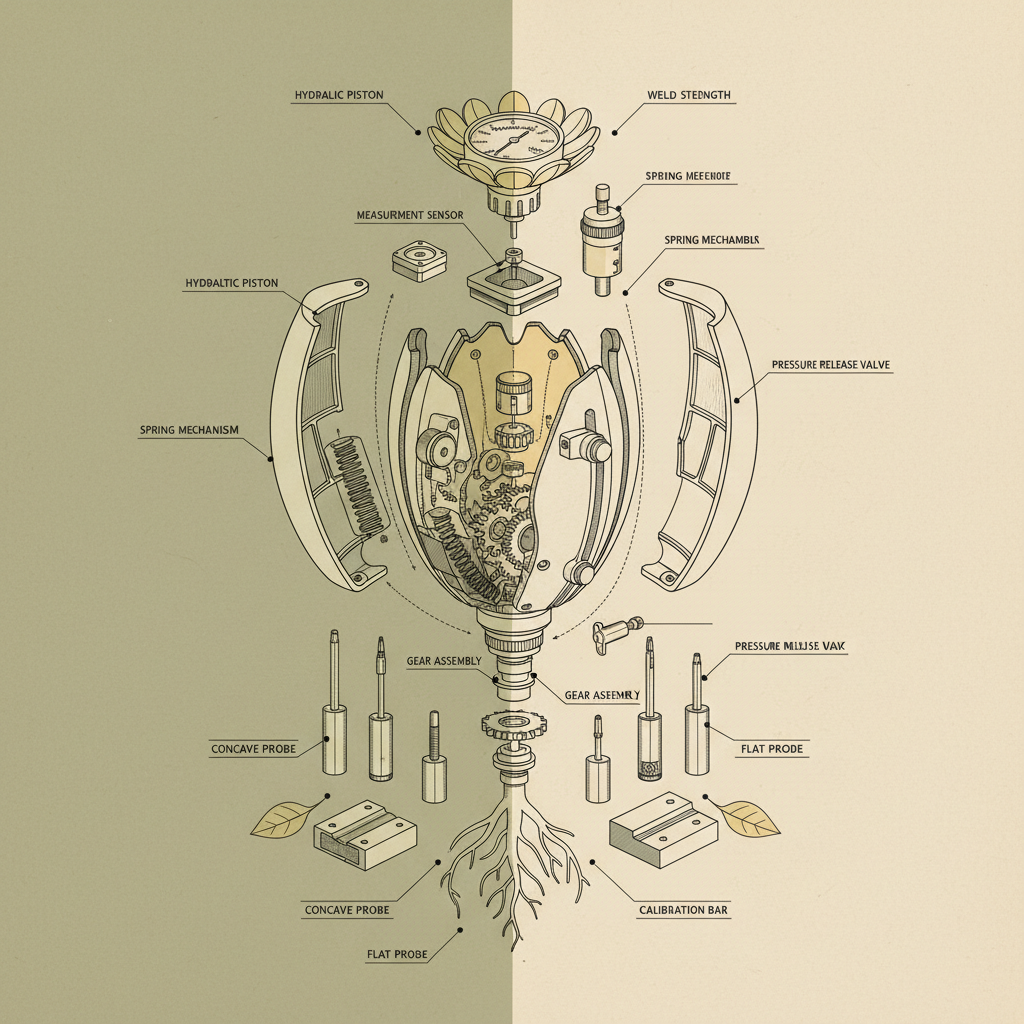
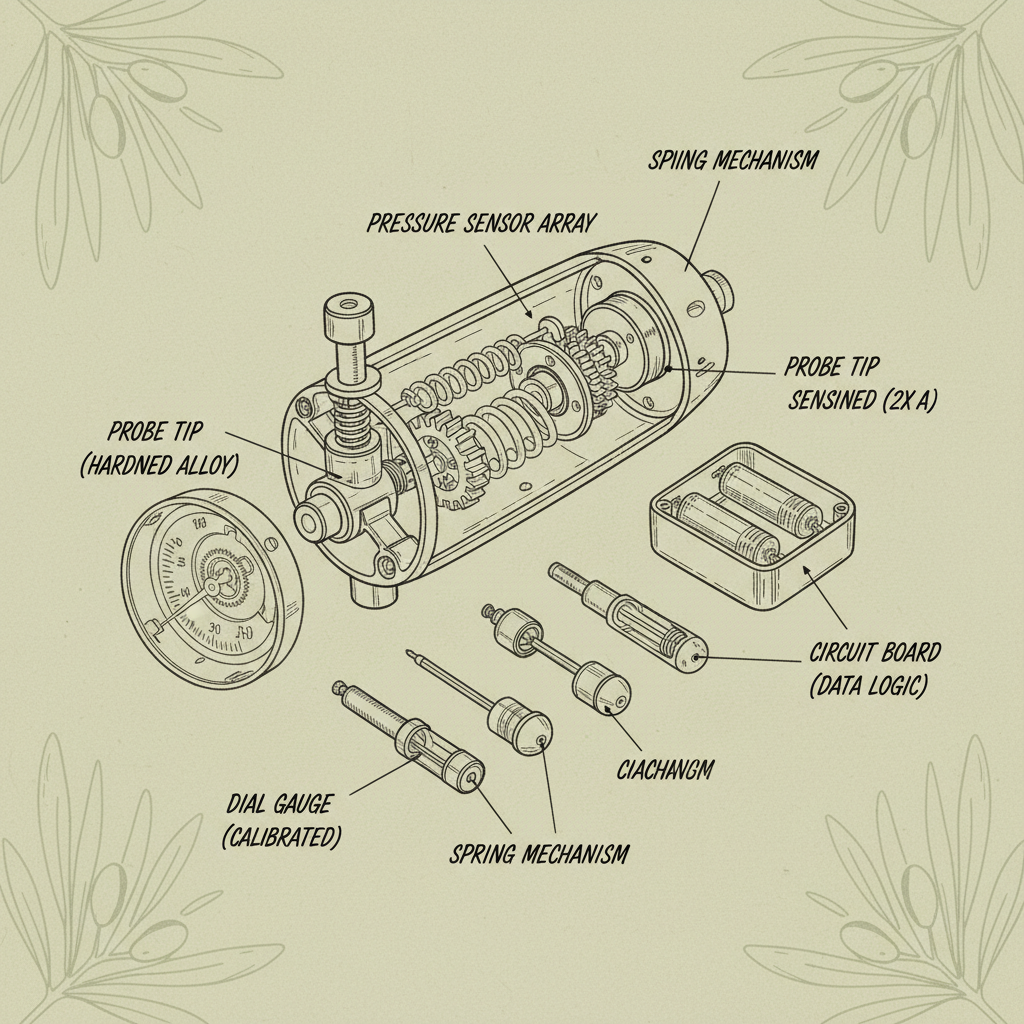
These days, everyone wants a weld tester. Not just the big guys, either. Even small fabrication shops are realizing they need a way to verify their work, and not rely on just 'looking right.' Strangely, though, a lot of the entry-level testers I've seen are…underbuilt. They'll handle basic stuff, sure, but push them a bit, and they fall apart. It's like they're designed by engineers who've never actually used one on a windy Tuesday afternoon.
The demand is driven by increasing regulations, that's for sure. And insurance companies are getting stricter too. They want documented proof of quality control. That’s where a good weld tester comes in. It's not just about avoiding lawsuits; it’s about building a reputation for reliability. Nobody wants to be known as the guy who cuts corners.
Honestly? They focus too much on the specs and not enough on usability. A tester with a million features is useless if the welders can't figure out how to operate it. You need something intuitive, reliable, and built for the real world, not just a lab. Don't get caught up in marketing hype; ask to try it out on a job site first. It needs to survive the day-to-day, or it's just wasted money.
That depends on the tester and how often it's used. But as a general rule, you should calibrate it at least once a year, or more frequently if you're using it in a harsh environment. And keep a log of all your calibrations! You’ll need it for auditing purposes. Calibration isn’t just about accuracy; it's about traceability and proving that your tests are reliable.
Not necessarily. Price doesn't always equate to quality. Sometimes you're just paying for features you don't need. It's better to focus on finding a tester that's well-built, reliable, and meets your specific needs. A mid-range tester from a reputable manufacturer can often outperform a high-end tester from an unknown brand. Do your research, read reviews, and talk to other welders.
It varies depending on the tester, but you'll generally need some training on the principles of non-destructive testing and the specific features of the tester. Some manufacturers offer training courses, or you can find online resources. It’s not just about pressing buttons; it's about understanding what the readings mean and how to interpret them correctly. You don’t want to be making decisions based on inaccurate data.
First, check the calibration. If it's been a while, that's probably the issue. If the calibration is good, check the sensors for damage or contamination. And make sure you're using the tester correctly according to the manufacturer's instructions. If you still can't figure it out, contact the manufacturer's support team. Don't try to fix it yourself unless you're a qualified technician.
No, different testers are designed to detect different types of defects. Ultrasonic testers are good for detecting internal flaws, while liquid penetrant testers are better for surface cracks. You often need to use a combination of methods to get a complete picture of weld quality. There's no one-size-fits-all solution. It's about using the right tool for the job.
Ultimately, a weld tester is just a tool. It can help you improve quality control, reduce costs, and avoid liability. But it's not a magic bullet. It requires proper training, regular calibration, and a healthy dose of common sense. The technology's getting smarter, the materials are getting lighter, but the fundamentals haven't changed.
And you know what? Whether this thing works or not, the worker will know the moment he tightens the screw. That’s the bottom line. So, focus on building testers that are reliable, easy to use, and that give the welders the confidence they need to do their job right. Visit our website at www.aquafusionwelder.com to learn more about our full range of weld testing solutions.

SUBSCRIBE NEWSLETTER
Dear customer, thank you for your attention! We provide high-quality machinery and equipment and look forward to your orders. Please inform us of your needs and we will respond quickly!