
-
 Email:news@peweldingmachine.com;sales2@peweldingmachine.com
-
 +86-137 3974 5191
-
 Add:
NO.355,Youyi Street,Qiaoxi District,Shijiazhuang,Hebei,China.



Car Heat Gun: Key Insights, Uses, and Future Trends for Automotive and Industrial Tools

Car Heat Gun: Key Insights, Uses, and Future Trends for Automotive and Industrial Tools
Dec . 02, 2025 16:50
Understanding the Car Heat Gun: Essential Tool for Automotive and Industrial Use
When you hear “car heat gun,” you might picture a tool used just to melt or strip paint. But honestly, it's so much more than that. This versatile device has a growing importance—not only in the automotive sector but across various industries worldwide. Knowing what a car heat gun is, how it works, and why it’s relevant across the globe provides valuable perspective. For one, it helps solve practical problems like removing stubborn adhesives or drying materials quickly, which saves time, money, and effort in manufacturing and repair.
Introduction: The Global Context of Car Heat Guns
Heat guns, especially those designed for automotive applications, are entrenched in the broader industry’s push toward efficiency and precision. According to ISO standards on industrial tools, proper heat application drastically improves outcomes. The World Bank reports an increase in automotive demand in emerging markets, making reliable tools like car heat guns vital for quality repairs and customization. But there’s a problem: many DIY enthusiasts and small shops struggle with inconsistent heat delivery or safety concerns from poorly designed heat guns. That’s where understanding product specs and innovation comes into play.
What Exactly is a Car Heat Gun?
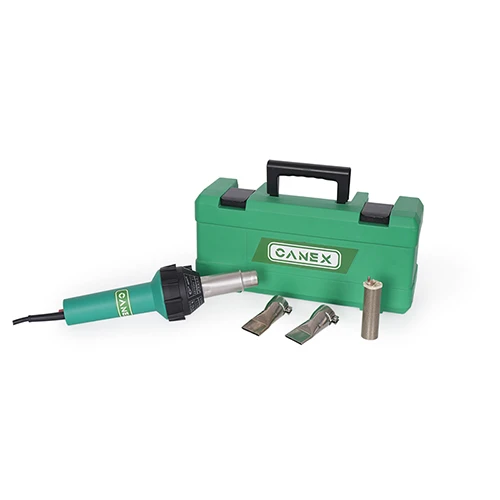
Simply put, a car heat gun is a handheld device that blows hot air at controllable temperatures, mainly used to soften paint, decals, adhesives, and plastics on vehicles. It consists of a heating element, fan, and nozzle—all optimized for automotive materials. Beyond automotive repair, heat guns have applications in electrical insulation, shrink wrapping wires, and even in humanitarian scenarios like post-disaster rebuilding, where moisture-driven damage needs fast drying.
Core Components & Key Factors
1. Temperature Control
Most car heat guns provide adjustable temperature ranges from roughly 100°C to 600°C. This precision ensures materials don’t get damaged, especially delicate automotive plastic trims.
2. Airflow and Nozzle Design
The airflow rate and nozzle shape influence how heat disperses. Narrow nozzles focus heat on small spots, perfect for removing stickers, while wider nozzles diffuse heat for drying and forming plastics.
3. Durability and Safety Features
Automotive applications demand durable housings and built-in thermal cutoffs or overload protection to prevent accidents. Modern heat guns integrate cool-down functions and insulated handles for safer handling.
4. Portability and Power Source
While corded models deliver steadier power, cordless, rechargeable heat guns are gaining traction for mobility, especially on remote job sites or in field repairs.
Mini takeaway:
For anyone working around cars, knowing these factors helps pick the right heat gun, avoiding damage or delays.
Global Applications & Use Cases
- Automotive Repair Shops: Stripping paint, softening adhesives, dent removal, and wire heat shrinking.
- Manufacturing Plants: Assembly line heat application for plastic parts and coatings.
- Post-Disaster Relief: Local teams use heat guns to dry water-damaged electronics and materials rapidly.
- DIY Enthusiasts: Car customization and restoration at home.
In regions like Southeast Asia, where automotive manufacturing is booming, car heat guns help maintain fast turnaround times. In Europe, environmental regulations push manufacturers to use heat guns that operate more efficiently and reduce energy waste.
Advantages & Long-Term Value of Car Heat Guns
- Cost Efficiency: Saves labor time and reduces waste by targeting heat precisely.
- Sustainability: Newer models incorporate energy-efficient elements minimizing electricity use.
- Safety & Reliability: Consistent heat output means fewer accidents or damage, which is critical for user trust.
- Social Impact: Supports small businesses and repair shops worldwide by improving work quality.
Oddly enough, the emotional aspect matters too—users often feel empowered when they can quickly fix or improve their vehicle without waiting for costly professionals.
Future Trends & Innovations
The industry is leaning toward smart heat guns with digital temperature controls, LCD displays, and programmable settings. Integration with IoT might allow remote monitoring or maintenance alerts in the future. Environmentally, expect development in more durable, recyclable materials and compatibility with green energy sources.
Challenges & Solutions
Challenges include overheating risks, inconsistent heat delivery, and durability issues in harsh environments. Experts suggest opting for models with auto-shutdown features, variable settings, and rugged housing. For niche uses, modular heat guns with interchangeable nozzles can address different materials safely.
Product Specification Comparison
| Feature | Model A | Model B | Model C |
|---|---|---|---|
| Temperature Range | 100-550°C | 150-600°C | 80-500°C |
| Weight | 600g | 720g | 570g |
| Power Source | Corded | Corded | Cordless (Rechargeable) |
| Safety Features | Auto shutoff, thermal fuse | Thermal overload protection | Cool-down mode, insulated grip |
| Price Range | $45 - $60 | $55 - $70 | $65 - $85 |
Vendor Comparison Table
| Vendor | Warranty | Customer Support | Delivery Options | Eco-Friendly Packaging |
|---|---|---|---|---|
| HeatPro Tools | 2 Years | 24/7 Live Chat | Global Shipping | Yes |
| AutoHeat Co. | 1 Year | Email Support | Domestic Only | No |
| GreenGear Tech | 3 Years | Phone & Chat | Worldwide | Yes, biodegradable |
FAQ: Frequently Asked Questions About Car Heat Guns
- Q: What temperature range should I use for removing car paint?
- A: Generally, 150°C to 300°C is sufficient to soften car paint for stripping, but always test on a small area to avoid damage.
- Q: Can a cordless heat gun perform as well as a corded one?
- A: Cordless models offer convenience but often have shorter operation times and lower max temperatures. For extended professional use, corded models are preferred.
- Q: Are car heat guns safe for plastic parts?
- A: Yes, provided you adjust temperature properly and use an appropriate nozzle. Overheating plastics can cause warping or toxic fumes.
- Q: How can I choose a heat gun with good safety features?
- Look for thermal cutoffs, auto shutoff, insulated handles, and certifications like UL or CE to ensure safe operation.
- Q: Where can I find reliable suppliers for professional-grade car heat guns?
- Vendors like HeatPro Tools and GreenGear Tech offer good warranties, support, and eco-conscious options. Check their official websites and reviews for credibility.
Conclusion & Call to Action
To sum it up: a car heat gun is an indispensable tool that blends safety, precision, and flexibility—qualities needed in today’s fast-evolving automotive and industrial environments. Whether you’re a repair shop, a manufacturing line, or a DIY enthusiast, investing in the right heat gun increases quality, efficiency, and safety dramatically.
Want to explore the latest models or need expert advice? Visit https://www.aquafusionwelder.com for a curated selection, including cordless and eco-friendly options.
Frankly, mastering this simple yet powerful tool feels like unlocking a new level of control over your projects...
References

Related Products
Related Video

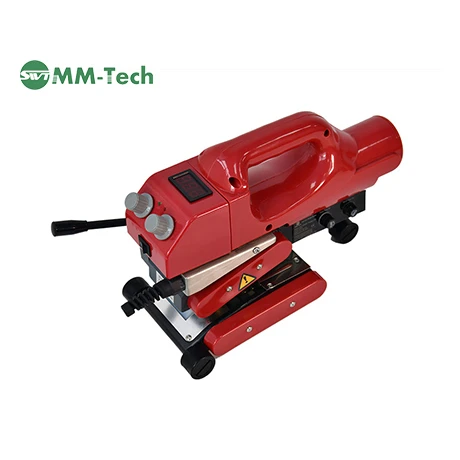

Geo Hot Wedge Welder With Digital Display SWT NS800D Operation Guide
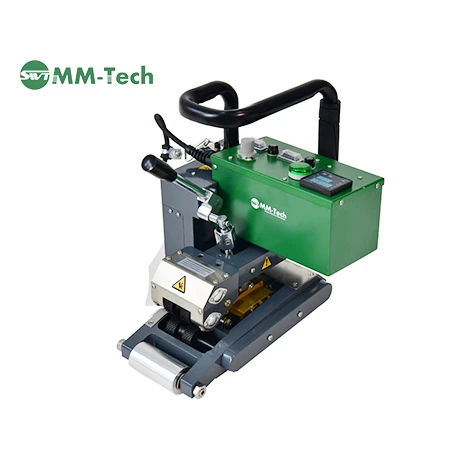
Heavy-Duty Geo Hot Wedge Welder SWT-NS900 Operation Guide
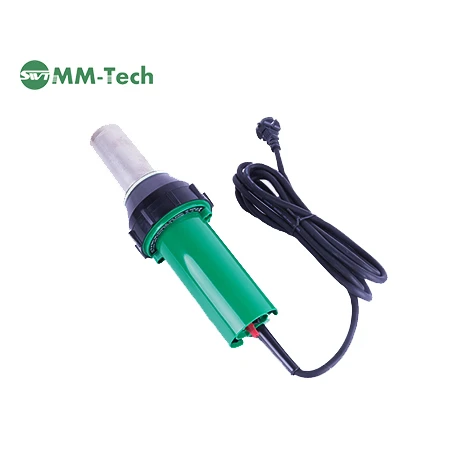
Powerful Professional Hot Air Tool SWT-NS3400A Operation Guide
Geo Hot Wedge Welder SWT NS800 Operation Guide
Compact HDPE Hot Wedge Welding Machine SWT-NSGM1 Operation Guide
Related News

2026-07-01 09:39:14
Industrial Guide to Using a Mechanical Line Leak Detector
Maintaining the structural integrity of thermoplastic pipelines is critical for environmental protection and operational efficiency. A high-precision mechanical line leak detector is an indispensable tool for detecting failures in geomembrane liners and plastic piping systems. Whether dealing with sewage treatment plants, landfills, or water conservancy projects, ensuring a leak-free seal prevents hazardous contamination and costly repairs. In this guide, we will explore how advanced detection combined with professional welding equipment ensures the highest standards of industrial waterproofing.

2026-06-29 16:57:32
Professional Leak Detector AS for Geomembrane Weld Integrity
Maximizing Weld Integrity with a Professional Leak Detector AS In the realm of environmental protection and geosynthetic installation, ensuring the absolute sealing of geomembrane seams is not just a quality requirementit is a critical safety mandate. A high-precision leak detector as air pressure tester serves as the primary tool for validating the integrity of double-track welds. By monitoring pressure changes within the closed air cavity of a weld, operators can definitively determine if a seam is airtight or if it requires immediate repair. This process prevents catastrophic leaks in landfills, mining ponds, and water containment systems, ensuring long-term environmental security.

2026-06-27 17:37:57
Industrial PVC Leak Detection with Fluorescent Leak Finder K
Maximizing Pipeline Integrity with the Fluorescent Leak Finder K In the demanding world of environmental protection and geosynthetic welding, maintaining a leak-proof seal is not just a quality requirementit is a critical safety mandate. The fluorescent leak finder k offers an advanced diagnostic solution for detecting microscopic breaches in PVC and HDPE liners. By leveraging ultraviolet fluorescence, this tool allows technicians to visualize leaks that are invisible to the naked eye, ensuring that industrial containment systems remain secure. Whether you are dealing with rigid uPVC or flexible PVC membranes, precision in leak detection is the only way to prevent catastrophic environmental contamination.

2026-06-26 16:41:41
Guide to Analyzing Electronic Leak Detector Price and Quality
Analyzing Electronic Leak Detector Price: A Guide to Choosing the Right Equipment In the realm of environmental protection and geosynthetic engineering, ensuring the integrity of waterproof membranes is critical. Whether you are dealing with landfills, sewage treatment plants, or water conservancy projects, the ability to pinpoint a breach is essential. Understanding the electronic leak detector price involves more than just looking at a tag; it requires an analysis of precision, durability, and the specific materials being tested, such as HDPE or PVC. Investing in high-quality detection equipment prevents catastrophic environmental leaks and reduces long-term maintenance costs for civil engineering projects.

2026-06-25 18:38:39
High Precision Intake Leak Tester for Engine Diagnostics
Ensuring Precision Performance with an Intake Leak Tester In the world of high-precision manufacturing and engine diagnostics, identifying microscopic air leaks is critical for operational efficiency. An intake leak tester serves as an essential diagnostic tool, ensuring that vacuum systems and air intake manifolds maintain a perfect seal. Whether in the automotive sector or specialized machinery production, even a pinhole leak can lead to poor combustion, reduced power, and increased emissions. By implementing a rigorous testing protocol, manufacturers can guarantee that every unit leaving the assembly line meets the highest quality standards, reducing warranty claims and enhancing brand reputation.

2026-06-23 07:06:21
Industrial Leak Detection and Spark Tester Working Principle
Understanding the Spark Tester Working Principle for Leak Detection In the world of industrial lining and coating, ensuring a seamless, holiday-free surface is critical to preventing corrosion and costly failures. The spark tester working principle is based on the physics of electrical insulation and dielectric breakdown. By applying a high-voltage current to a non-conductive coating, operators can pinpoint microscopic holesknown as holidaysthat would otherwise be invisible to the naked eye. Whether you are protecting underground pipelines or industrial tanks, understanding how these devices operate is the first step toward maintaining structural integrity and extending the lifespan of your assets.

2026-06-21 07:06:37
Industrial Guide to Choosing a Professional oem spark tester
The Ultimate Guide to Choosing an OEM Spark Tester for Industrial Precision In the world of automotive diagnostics and industrial electrical maintenance, precision is non-negotiable. An oem spark tester serves as a critical tool for technicians to verify ignition system integrity and ensure that spark plugs are firing correctly. Whether you are a distributor looking for white-label solutions or a workshop aiming for factory-standard diagnostics, understanding the nuances of Original Equipment Manufacturer OEM specifications is key. This guide explores how the right testing equipment can reduce downtime, prevent engine damage, and optimize performance across various machinery.

2026-06-20 07:06:15
Professional Spark Tester Supplier for Industrial Lining Integrity
Finding the Right Spark Tester Supplier for Industrial Lining Integrity Ensuring the integrity of protective coatings and linings is critical in industries dealing with corrosive chemicals and hazardous materials. To achieve this, partnering with a professional spark tester supplier is essential for obtaining high-precision holiday detection equipment. A spark tester, also known as a holiday detector, identifies holidays or pinholes in non-conductive coatings that could lead to catastrophic structural failure. By selecting a supplier that offers both technical expertise and robust hardware, companies can safeguard their assets and maintain strict safety compliance. In this guide, we will explore how to evaluate suppliers
SUBSCRIBE NEWSLETTER
Dear customer, thank you for your attention! We provide high-quality machinery and equipment and look forward to your orders. Please inform us of your needs and we will respond quickly!






 English