
-
 Email:news@peweldingmachine.com;sales2@peweldingmachine.com
-
 +86-137 3974 5191
-
 Add:
NO.355,Youyi Street,Qiaoxi District,Shijiazhuang,Hebei,China.



Comprehensive Guide to Heat Air Gun: Uses, Advantages, and Future Trends

Comprehensive Guide to Heat Air Gun: Uses, Advantages, and Future Trends
Dec . 02, 2025 01:20
Understanding the Heat Air Gun: A Versatile Tool for Modern Industry
Heat air guns are more than just a handy tool in a technician’s toolbox—they represent a convergence of craftsmanship, innovation, and global industrial necessity. Whether in manufacturing, construction, or electronics repair, these devices heat and direct a flow of hot air to perform a variety of tasks: stripping paint, shrinking tubing, or loosening adhesives—essentially making complex jobs manageable.
In a world increasingly reliant on precision tools for fast, efficient work, knowing the ins and outs of a heat air gun is more than just practical; it’s a competitive edge.
Global Relevance of Heat Air Guns
Heat air guns are used globally in industries ranging from automotive and aerospace to electronics. According to the International Labor Organization (ILO), approximately 25% of skilled trade workers worldwide use heating tools like the heat air gun regularly for maintenance and manufacturing tasks. And the demand is growing: as industries push toward miniaturization and precision manufacturing, tools like heat air guns become indispensable.
Yet, challenges persist, such as energy efficiency and occupational safety risks related to prolonged heat exposure.
What Is a Heat Air Gun?
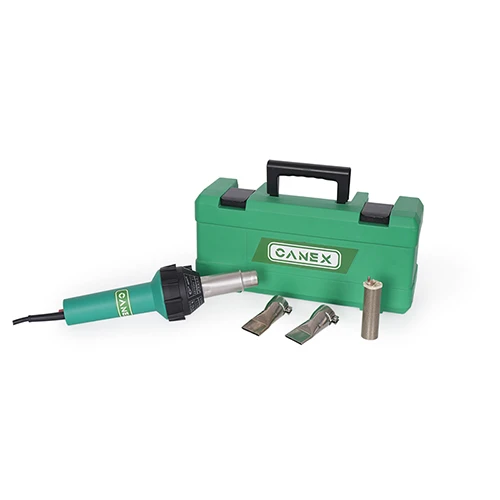
Simply put, a heat air gun is a handheld device that emits a controlled stream of hot air, usually electronically powered and adjustable in temperature and airflow. It’s kind of a focused heater with a nozzle, designed to provide localized heat without flame. This makes it safer and more versatile compared to open flames or torches.
Often connected with modern electronics repair, insulation, or plastic fabrication, the heat air gun fills a niche where precise heat application without direct contact can alter materials safely and efficiently.
Key Components and Considerations
1. Temperature Control
One hallmark of quality heat air guns is their temperature adjustability. Ranges usually extend from as low as 100°C to over 600°C, allowing users to customize heat for delicate jobs or heavy-duty applications. Precise settings help prevent overheating sensitive components.
2. Airflow Rate
Airflow, typically measured in liters per minute (LPM), complements temperature by controlling how quickly heat is delivered. Certain materials need a gentle, steady flow, while others demand rapid hot air bursts.
3. Durability and Safety Features
Given industrial use, heat air guns often include robust housings, ergonomic grips, and safety shutoffs to prevent accidents. Many models also feature thermal fuses to avoid overheating, reflecting industry standards like those in IEC 60745 for electric tools.
4. Power Source
Most heat air guns run on AC power, but cordless, battery-powered models are increasingly popular for mobility, especially in remote fieldwork or construction sites.
Product Specifications of Popular Heat Air Guns
| Model | Temperature Range | Airflow (LPM) | Power (Watt) | Weight (lbs) |
|---|---|---|---|---|
| MM Tech Pro 3500 | 50°C – 550°C | 250 – 500 | 1800 | 1.4 |
| HeatWave Cordless 1800 | 100°C – 400°C | 200 – 350 | Battery 7.4V | 0.9 |
| ThermoMax Industrial 5000 | 100°C – 600°C | 300 – 550 | 2000 | 1.7 |
Global Applications of Heat Air Guns
From high-tech factories in Germany to artisanal workshops in Kenya, the heat air gun serves industries worldwide. In electronic assembly lines in East Asia, they assist with shrink tubing for insulated wires, improving safety and durability. Over in construction in North America, they help strip old paint and dry materials quickly under varying climate conditions.
Humanitarian organizations sometimes use heat air guns in disaster zones to repair critical infrastructure faster—whether it’s melting plastics for pipe fixes or sanitizing surfaces. Interestingly, the tool even pops up in creative industries, from DIY art to upholstery, showcasing its broad relevance.
Vendor Comparison: Popular Heat Air Gun Brands
| Brand | Price Range | Warranty | Special Features | Availability |
|---|---|---|---|---|
| MM Tech | $$$ (mid-high) | 3 years | Digital temp control, ergonomic grip | Global retail & online |
| HeatWave | $$ (budget-friendly) | 1 year | Cordless models, lightweight | North America, Online |
| ThermoMax | $$$$ (premium) | 5 years | Industrial-grade, high power, safety lock | Worldwide industrial supply |
Advantages and Long-Term Value
- Cost-effectiveness: Heat air guns enable rework and repair that might otherwise require replacement parts, saving money over time.
- Sustainability: Using precise heating rather than chemicals or flames reduces environmental and safety hazards.
- Workplace Safety: Trigger switches and thermal cutoffs minimize risks of accidental burns and fires.
- Versatility: Supporting hundreds of applications from shrinking heat-shrink tubing to drying paint, making it a universal tool.
Frankly, it’s surprising how such a small tool can have wide-ranging impacts, economically and socially, from making work faster to ensuring products meet safety standards.
Future Trends and Innovations
As we move forward, expect heat air guns to get smarter with integrated sensors for temperature feedback, IoT connectivity for real-time monitoring, and battery advancements extending cordless use. The push for greener manufacturing means the device’s energy efficiency could improve through better heating elements and power regulation.
There’s even talk of hybrid models combining heat air guns with UV or laser technology to expand precision and functionality in specialized sectors like aerospace and medical device manufacturing.
Challenges and Solutions
Heat air guns come with concerns such as user fatigue due to weight and heat output, and safety when used in confined spaces. From my chats with industry veterans, better ergonomics and advanced insulation are ongoing solutions. Additionally, new materials for housings and nozzles reduce weight without sacrificing durability.
Proper training and workplace protocols remain key in mitigating risks.
Frequently Asked Questions About Heat Air Guns
- What temperature range is ideal for electronics repair?
- Generally, a range between 100°C and 450°C works best to avoid damage to sensitive components while effectively shrinking tubing or loosening adhesives.
- Can heat air guns be used in outdoor environments?
- Yes, but it’s important to consider wind and ambient temperature, which can affect heating efficiency. Models with higher airflow settings are better suited for outdoor use.
- Are cordless heat air guns as powerful as corded ones?
- Cordless models offer great mobility but usually have lower max temperatures and shorter usage times. They are ideal for light jobs or areas without power access.
- How do I ensure safety when operating a heat air gun?
- Use protective gloves, work in well-ventilated areas, avoid flammable materials nearby, and never leave the gun unattended while on.
Conclusion: The Enduring Utility of the Heat Air Gun
All in all, the heat air gun is a testament to how smart engineering and practical design meet at a crossroads of industry and craft. Its adaptable nature means, as industries evolve, so too will this trusty tool.
If you’re ready to explore how a heat air gun can advance your projects or workflows, I’d suggest checking out current offerings and features on https://www.aquafusionwelder.com. There’s a model out there that fits every need — trust me, it’s worth the look.
Mini Takeaway: The heat air gun is an indispensable, versatile tool bridging crafts, safety, and innovation worldwide.
References

Related Products
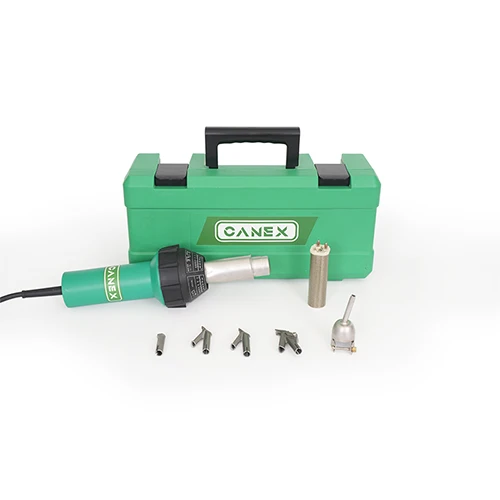
Related Video

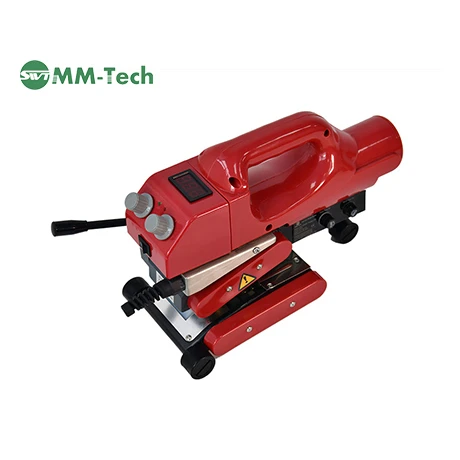

Geo Hot Wedge Welder With Digital Display SWT NS800D Operation Guide
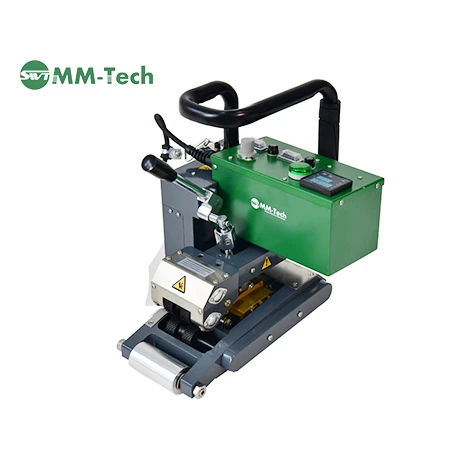
Heavy-Duty Geo Hot Wedge Welder SWT-NS900 Operation Guide
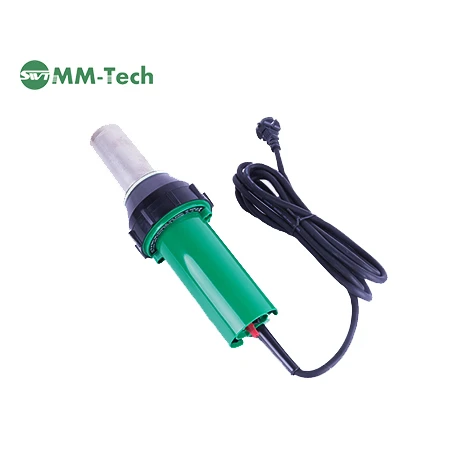
Powerful Professional Hot Air Tool SWT-NS3400A Operation Guide
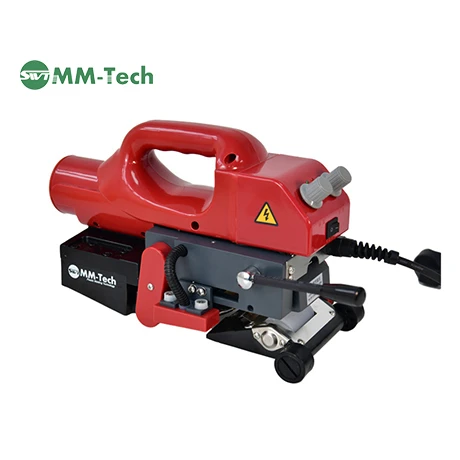
Geo Hot Wedge Welder SWT NS800 Operation Guide
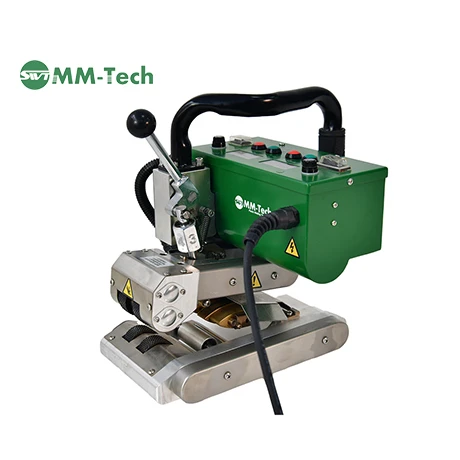
Compact HDPE Hot Wedge Welding Machine SWT-NSGM1 Operation Guide
Related News

2026-07-01 09:39:14
Industrial Guide to Using a Mechanical Line Leak Detector
Maintaining the structural integrity of thermoplastic pipelines is critical for environmental protection and operational efficiency. A high-precision mechanical line leak detector is an indispensable tool for detecting failures in geomembrane liners and plastic piping systems. Whether dealing with sewage treatment plants, landfills, or water conservancy projects, ensuring a leak-free seal prevents hazardous contamination and costly repairs. In this guide, we will explore how advanced detection combined with professional welding equipment ensures the highest standards of industrial waterproofing.

2026-06-29 16:57:32
Professional Leak Detector AS for Geomembrane Weld Integrity
Maximizing Weld Integrity with a Professional Leak Detector AS In the realm of environmental protection and geosynthetic installation, ensuring the absolute sealing of geomembrane seams is not just a quality requirementit is a critical safety mandate. A high-precision leak detector as air pressure tester serves as the primary tool for validating the integrity of double-track welds. By monitoring pressure changes within the closed air cavity of a weld, operators can definitively determine if a seam is airtight or if it requires immediate repair. This process prevents catastrophic leaks in landfills, mining ponds, and water containment systems, ensuring long-term environmental security.

2026-06-27 17:37:57
Industrial PVC Leak Detection with Fluorescent Leak Finder K
Maximizing Pipeline Integrity with the Fluorescent Leak Finder K In the demanding world of environmental protection and geosynthetic welding, maintaining a leak-proof seal is not just a quality requirementit is a critical safety mandate. The fluorescent leak finder k offers an advanced diagnostic solution for detecting microscopic breaches in PVC and HDPE liners. By leveraging ultraviolet fluorescence, this tool allows technicians to visualize leaks that are invisible to the naked eye, ensuring that industrial containment systems remain secure. Whether you are dealing with rigid uPVC or flexible PVC membranes, precision in leak detection is the only way to prevent catastrophic environmental contamination.

2026-06-26 16:41:41
Guide to Analyzing Electronic Leak Detector Price and Quality
Analyzing Electronic Leak Detector Price: A Guide to Choosing the Right Equipment In the realm of environmental protection and geosynthetic engineering, ensuring the integrity of waterproof membranes is critical. Whether you are dealing with landfills, sewage treatment plants, or water conservancy projects, the ability to pinpoint a breach is essential. Understanding the electronic leak detector price involves more than just looking at a tag; it requires an analysis of precision, durability, and the specific materials being tested, such as HDPE or PVC. Investing in high-quality detection equipment prevents catastrophic environmental leaks and reduces long-term maintenance costs for civil engineering projects.

2026-06-25 18:38:39
High Precision Intake Leak Tester for Engine Diagnostics
Ensuring Precision Performance with an Intake Leak Tester In the world of high-precision manufacturing and engine diagnostics, identifying microscopic air leaks is critical for operational efficiency. An intake leak tester serves as an essential diagnostic tool, ensuring that vacuum systems and air intake manifolds maintain a perfect seal. Whether in the automotive sector or specialized machinery production, even a pinhole leak can lead to poor combustion, reduced power, and increased emissions. By implementing a rigorous testing protocol, manufacturers can guarantee that every unit leaving the assembly line meets the highest quality standards, reducing warranty claims and enhancing brand reputation.

2026-06-23 07:06:21
Industrial Leak Detection and Spark Tester Working Principle
Understanding the Spark Tester Working Principle for Leak Detection In the world of industrial lining and coating, ensuring a seamless, holiday-free surface is critical to preventing corrosion and costly failures. The spark tester working principle is based on the physics of electrical insulation and dielectric breakdown. By applying a high-voltage current to a non-conductive coating, operators can pinpoint microscopic holesknown as holidaysthat would otherwise be invisible to the naked eye. Whether you are protecting underground pipelines or industrial tanks, understanding how these devices operate is the first step toward maintaining structural integrity and extending the lifespan of your assets.

2026-06-21 07:06:37
Industrial Guide to Choosing a Professional oem spark tester
The Ultimate Guide to Choosing an OEM Spark Tester for Industrial Precision In the world of automotive diagnostics and industrial electrical maintenance, precision is non-negotiable. An oem spark tester serves as a critical tool for technicians to verify ignition system integrity and ensure that spark plugs are firing correctly. Whether you are a distributor looking for white-label solutions or a workshop aiming for factory-standard diagnostics, understanding the nuances of Original Equipment Manufacturer OEM specifications is key. This guide explores how the right testing equipment can reduce downtime, prevent engine damage, and optimize performance across various machinery.

2026-06-20 07:06:15
Professional Spark Tester Supplier for Industrial Lining Integrity
Finding the Right Spark Tester Supplier for Industrial Lining Integrity Ensuring the integrity of protective coatings and linings is critical in industries dealing with corrosive chemicals and hazardous materials. To achieve this, partnering with a professional spark tester supplier is essential for obtaining high-precision holiday detection equipment. A spark tester, also known as a holiday detector, identifies holidays or pinholes in non-conductive coatings that could lead to catastrophic structural failure. By selecting a supplier that offers both technical expertise and robust hardware, companies can safeguard their assets and maintain strict safety compliance. In this guide, we will explore how to evaluate suppliers
SUBSCRIBE NEWSLETTER
Dear customer, thank you for your attention! We provide high-quality machinery and equipment and look forward to your orders. Please inform us of your needs and we will respond quickly!






 English