
-
 Email:news@peweldingmachine.com
-
 +86-137 3974 5191
-
 Add:
Add:NO.355,Youyi Street,Qiaoxi District,Shijiazhuang,Hebei,China.



Desoldering Heat Gun: Essential Guide to Features, Uses & Innovations

Desoldering Heat Gun: Essential Guide to Features, Uses & Innovations
Dec . 02, 2025 05:40
Understanding the Desoldering Heat Gun: A Modern Tool with Global Impact
If you've ever peeked inside an electronics repair shop or a manufacturing line, you'd notice a pretty essential tool: the desoldering heat gun. It might sound niche, but this device actually plays a surprisingly significant role in electronics recycling, manufacturing, and even humanitarian tech support around the globe. So, what's the big deal about it? At its core, it efficiently removes solder from electronic components, enabling repairs, replacements, or recycling—vital for sustainability and tech recovery worldwide.
Global Context: Why Does a Desoldering Heat Gun Matter?
In an era where electronics waste hits an estimated 57.4 million metric tons annually worldwide (UN report, 2023), tools like the desoldering heat gun offer a practical solution to extending device lifespans and reducing waste. Industries from consumer electronics to aerospace rely on precise desoldering for quality control and refurbishment. Interestingly, challenges such as fragile circuit boards in smartphones or complex assemblies in medical devices mean a traditional soldering iron often won’t cut it. The desoldering heat gun fills this gap by distributing heat evenly, preventing damage. Moreover, emerging markets in Asia, Africa, and Latin America increasingly turn to such tools for affordable electronics repair — a crucial factor as many communities rely on refurbished tech rather than new devices.
Mini takeaway: The desoldering heat gun serves as a bridge between repair efficiency and global sustainability efforts.
What is a Desoldering Heat Gun?
Simply put, a desoldering heat gun is a handheld device that emits hot air to melt solder, facilitating the removal of electronic components from circuit boards. Unlike a traditional soldering iron that applies heat to a tiny spot, the heat gun distributes controlled hot air over a broader area, making it ideal for delicate or multi-pin parts. This not only protects components from burns but also speeds up the desoldering process. It’s essential in modern electronics manufacturing, repair, and recycling sectors—and increasingly in humanitarian efforts where on-site electronic repairs are critical.
Core Components & Key Features of a Desoldering Heat Gun
1. Temperature Control
Precise temperature adjustment is paramount. Generally, these devices reach anywhere between 100°C to 600°C. This flexibility allows technicians to tailor the heat based on component sensitivity, avoiding damage to heat-sensitive parts like plastics or circuit layers.
2. Airflow Regulation
Adjustable airflow ensures optimal heat distribution. More airflow means quicker solder melting but risks blowing small components off the PCB, whereas lower airflow offers delicate control. Many advanced models provide variable airflow settings to strike a balance.
3. Nozzle Variety
Interchangeable nozzles come in several sizes and shapes—think focused round tips for tiny components or broad flat nozzles for desoldering larger areas. The right nozzle can significantly reduce repair time and improve precision.
4. Safety Features
Auto shutoff timers, insulated handles, and temperature stabilization prevent accidents, making it safer for long-term professional use.
5. Portability & Power Source
Some models run on AC power, while newer versions integrate battery packs for field operations where electricity isn’t guaranteed—useful for remote repairs or disaster relief teams.
| Feature | Typical Range/Value | Notes |
|---|---|---|
| Temperature Range | 100°C – 600°C | Adjustable for delicate to heavy duties |
| Airflow | 10 – 150 L/min | Variable speed controls |
| Power Supply | AC or Rechargeable Battery | Portable models available |
| Weight | 350 – 700 grams | Lightweight for prolonged use |
| Safety Features | Auto Shutoff, Insulated Grip | Industry standards compliant |
Global Applications & Use Cases for Desoldering Heat Guns
Desoldering heat guns find diverse uses across the planet. In industrial centers like Shenzhen, China, manufacturers routinely use them for reworking printed circuit boards (PCBs) to fix small defects, reducing waste and boosting yields. Meanwhile, NGO technicians repairing solar microgrids in remote African villages wield portable desoldering guns to replace faulty parts onsite — no easy task given power restrictions.
In post-disaster zones, rapid electronics repair is critical to restoring communications equipment, medical devices, and power controllers. Here, lightweight, battery-powered desoldering heat guns become indispensable. Oddly enough, in Europe’s high-end audio equipment refurbishment market, these tools help reset intricate components while preserving vintage gear’s authenticity. The diversity in applications underscores just how adaptive and necessary this tool is.
Mini takeaway: Whether in dense industrial hubs or off-grid regions, these tools bridge technology gaps and enable sustainable maintenance.
The Advantages and Long-Term Value of Desoldering Heat Guns
- Cost Effectiveness: Extending the life of electronics through repair reduces costs compared to buying new equipment.
- Sustainability: Minimizing e-waste by enabling efficient component removal promotes circular economy principles.
- Safety: Even heat application lowers the risk of damage or technician injury.
- Innovation in Repair: Facilitates complex repair work that older tools can't handle.
- Social Impact: Supports skilled labor and technicians worldwide, especially in developing economies.
In real terms, the emotional satisfaction technicians feel when bringing a 'dead' circuit back to life is profound. It’s not just about cost savings—it’s dignity and trust restored in a tech-dependent world.
Emerging Trends and Innovations in Desoldering Heat Gun Technology
Technology, as you might expect, never stands still. We’re seeing greener materials and energy-efficient designs gaining traction. Models with integrated digital controls and smart sensors monitor and adjust heat in real-time, cutting down on user error and energy waste. There's also an ongoing push for ultra-portable, battery-powered variants leveraging rechargeable lithium-ion tech—key for field operations and sustainability.
Automation integration is cautiously advancing, with robotic arms equipped with precision heat nozzles beginning to appear in electronics manufacturing robots. While still expensive, these innovations forecast a more consistent and less labor-intensive era of desoldering. Plus, evolving international standards, like ISO 14001 for environmental management, encourage manufacturers to adopt cleaner and safer tools.
Challenges and Solutions in Current Practice
No tool is without quirks. One enduring challenge is overheating, which can damage sensitive components or boards if not carefully managed. Then, there’s the learning curve—new users often struggle with airflow and temperature balance, leading to suboptimal repairs. And oddly enough, the diversity of components means no single nozzle or setting fits all tasks.
Experts recommend investing in training for operators, carefully calibrated digital controls, and modular nozzle kits to expand flexibility. Some brands offer sensor feedback tools that signal temperature drift, helping to avoid mistakes. Community forums and support networks, too, have become vital knowledge-sharing hubs.
Frequently Asked Questions About Desoldering Heat Guns
- What temperatures are best for delicate PCB components?
- Temperatures between 200°C and 300°C are usually sufficient for delicate components. Staying within this range helps prevent damage while effectively melting solder.
- Can a desoldering heat gun be used for welding or soldering tasks?
- Technically, it’s designed for desoldering, not soldering. While some heat guns offer rework capabilities, dedicated soldering irons or stations are better suited for precise soldering.
- Are battery-powered desoldering heat guns as effective as wired ones?
- Battery-powered versions provide excellent convenience especially in the field, though they may offer slightly less power or runtime. For heavy industrial use, wired tools are often preferred.
- How do I choose the right nozzle size?
- Choose smaller nozzles (4-6 mm diameter) for tiny SMD components and larger flat nozzles for bigger components or heat-spreading tasks.
- Is the desoldering process environmentally friendly?
- Absolutely—by enabling component reuse and reducing e-waste, desoldering heat guns contribute positively when used correctly with proper ventilation and solder disposal methods.
Desoldering Heat Gun Vendor Comparison
| Brand | Temperature Range | Power Source | Price Range | Best For |
|---|---|---|---|---|
| HeatPro X-Series | 100°C – 550°C | AC Powered | $150 – $200 | Precision industrial use |
| EcoSolder Lite | 150°C – 600°C | Rechargeable Battery | $220 – $270 | Field repair & portability |
| ProWeld Max | 100°C – 600°C | AC Powered | $180 – $230 | Versatile professional use |
Conclusion
In the end, the desoldering heat gun might seem like just another specialized gadget, but its impact is far-reaching. From reducing e-waste and empowering repair technicians to enabling mission-critical fixes in remote locations, it’s a tool quietly shaping a sustainable and innovative electronics landscape. If you’re in electronics repair or looking to invest in reliable, efficient desoldering tools, giving this technology a closer look is well worth your while. Explore the latest solutions and upgrades to boost your workflow and environmental footprint by visiting our website.
Mini takeaway: The desoldering heat gun is more than a tool—it's part of a global movement toward smarter, greener electronics management.
References

Related Products
Related Video

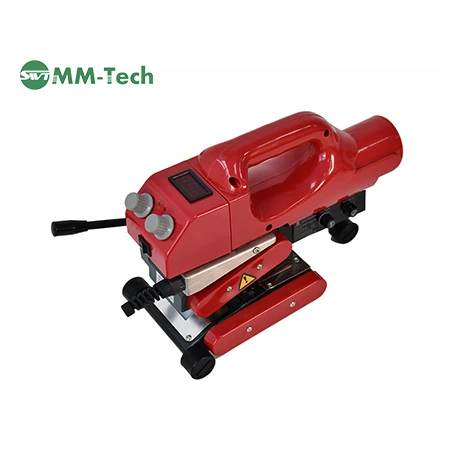

Geo Hot Wedge Welder With Digital Display SWT NS800D Operation Guide
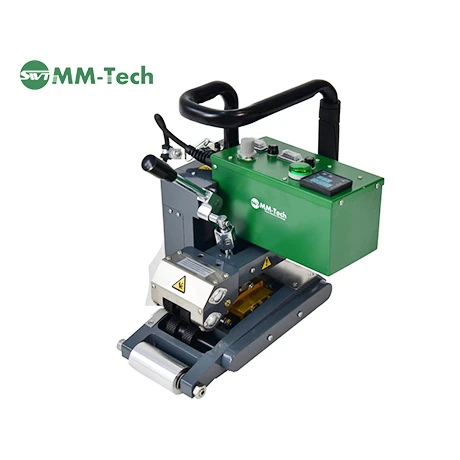
Heavy-Duty Geo Hot Wedge Welder SWT-NS900 Operation Guide
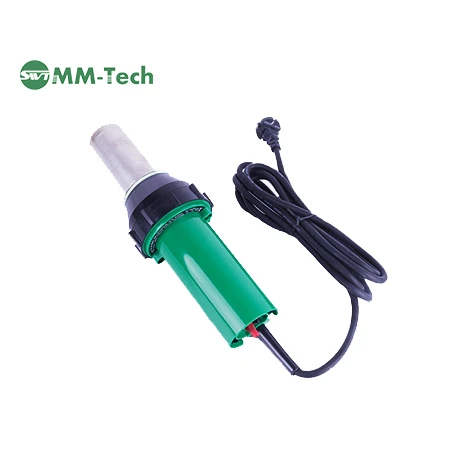
Powerful Professional Hot Air Tool SWT-NS3400A Operation Guide
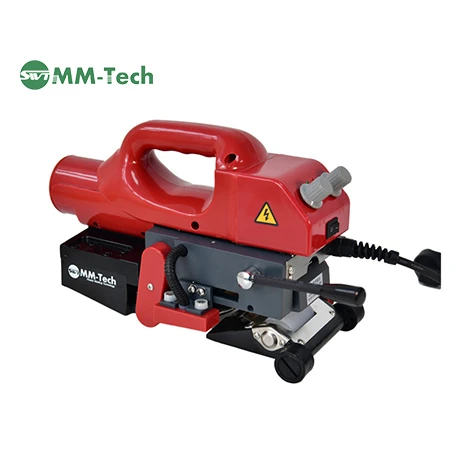
Geo Hot Wedge Welder SWT NS800 Operation Guide
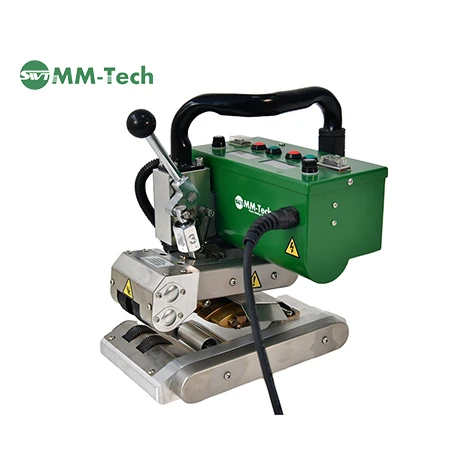
Compact HDPE Hot Wedge Welding Machine SWT-NSGM1 Operation Guide
Related News
2026-04-30 17:37:47
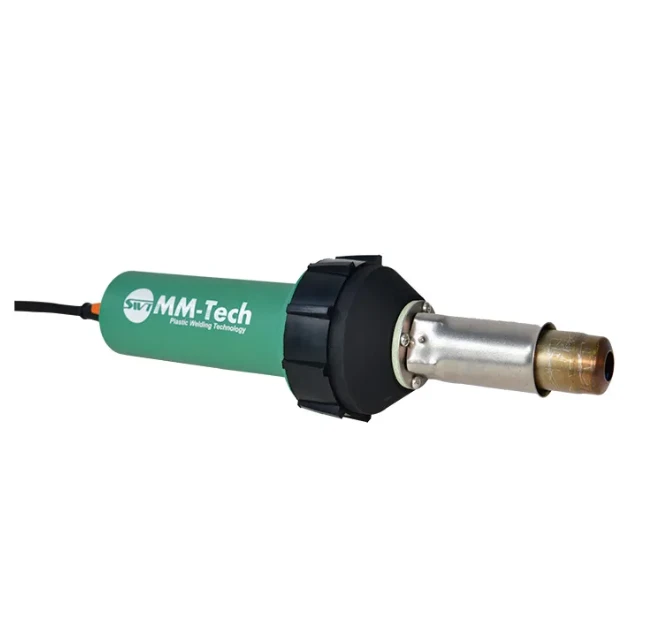
Split-Type Hot Air Gun: The Next-Generation Welding Solution for Southeast Asia Industrial Fabrication
In the demanding industrial landscapes of Indonesia, Malaysia, and Thailand, efficiency, durability, and adaptability are the keys to staying competitive.
2026-04-24 16:42:25
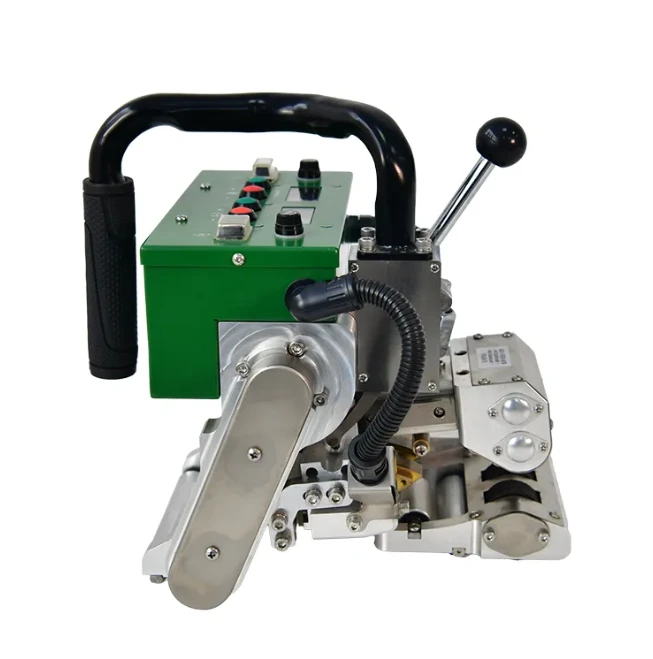
How to Choose the Best HDPE Liner Welder for Water Conservancy in Africa: A 2026 Guide
In the arid regions of Egypt and the developing agricultural landscapes of Tanzania and Kenya, water is more than a resource—it is life. Whether you are building a massive reservoir, an irrigation canal, or a high-yield fish farm, the integrity of your HDPE liner is only as good as its seams.
2026-04-20 09:54:35
Efficient PVC/TPO Welding (0.8–1.2mm) for Advertising & Truck Curtains on a Budget
Three Functions in One Machine: Breaking Through Process Limitations. Traditional fabrication workshops often require purchasing multiple pieces of equipment to meet diverse processing needs.
2026-04-20 09:53:16
Headline: Maximizing Aquaculture Profits in Peru & Chile: The Ultimate Geomembrane Welding Solution
In the thriving aquaculture industries of Peru and Chile, the integrity of your pond liner is non-negotiable. Whether you are constructing vast square breeding reservoirs or intensive circular tanks, the quality of your seams determines your ROI.
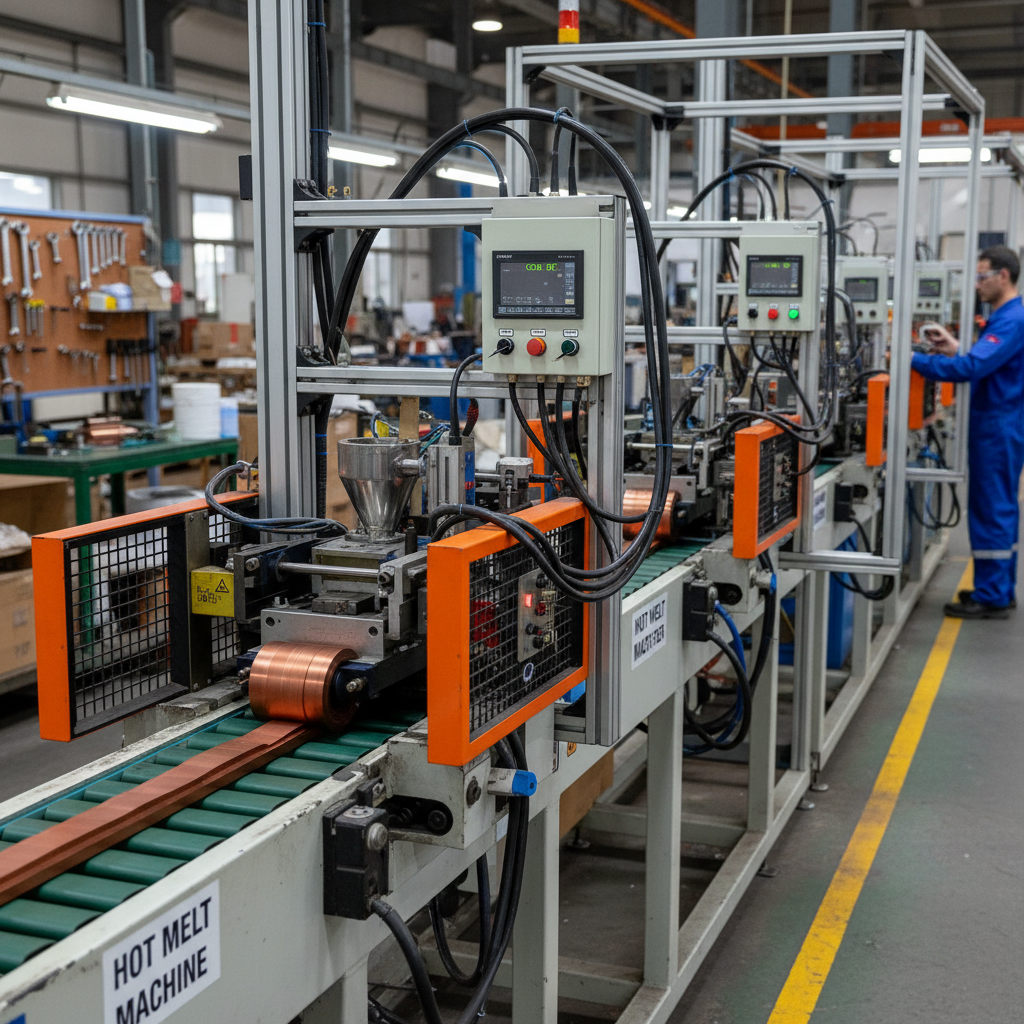
2026-04-16 03:09:36
Improve Production Quality Using an Inline Coil Tester System
In the high-precision world of electrical component manufacturing, ensuring the integrity of every single wind is critical. An inline coil tester serves as the ultimate guardian of quality, integrating seamless testing directly into the production line. By detecting defects in real-time, manufacturers can eliminate the risk of faulty coils reaching the assembly stage, thereby reducing waste and protecting brand reputation. Whether you are producing inductors, transformers, or specialized electromagnets, implementing a robust testing strategy is no longer optional—it is a competitive necessity. This guide explores how inline testing transforms efficiency and precision in modern workshops.
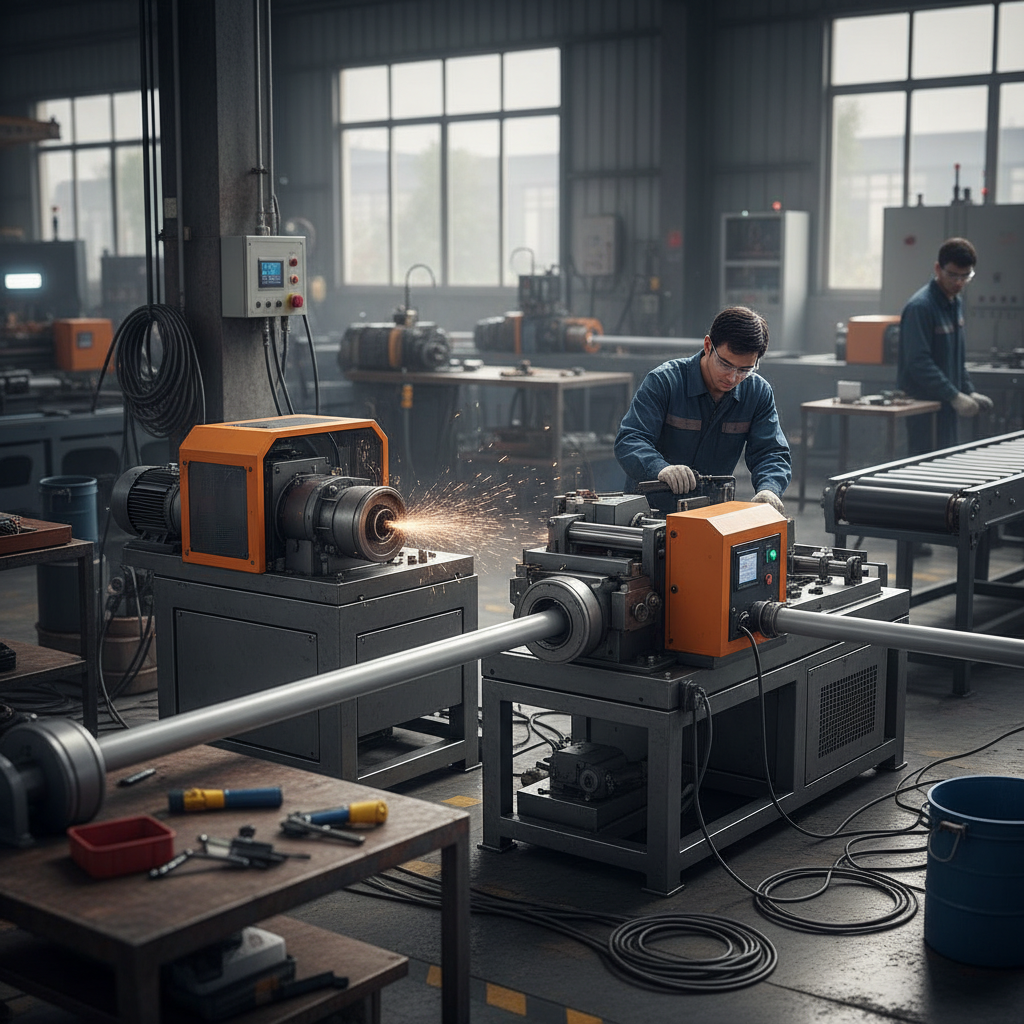
2026-04-09 03:15:45
Industrial Leak Detection Using Electronic Spark Tester Guide
In the world of industrial maintenance and pipeline integrity, identifying microscopic leaks can be a daunting challenge. An electronic spark tester serves as a critical diagnostic tool, allowing technicians to pinpoint holidays—tiny pinholes or discontinuities in protective coatings—that are invisible to the naked eye. By applying a high-voltage current to the coating, these devices create a visible spark where the coating is compromised, ensuring that assets are fully protected against corrosion. In this guide, we will explore how this technology works and why it is indispensable for maintaining long-term structural safety.
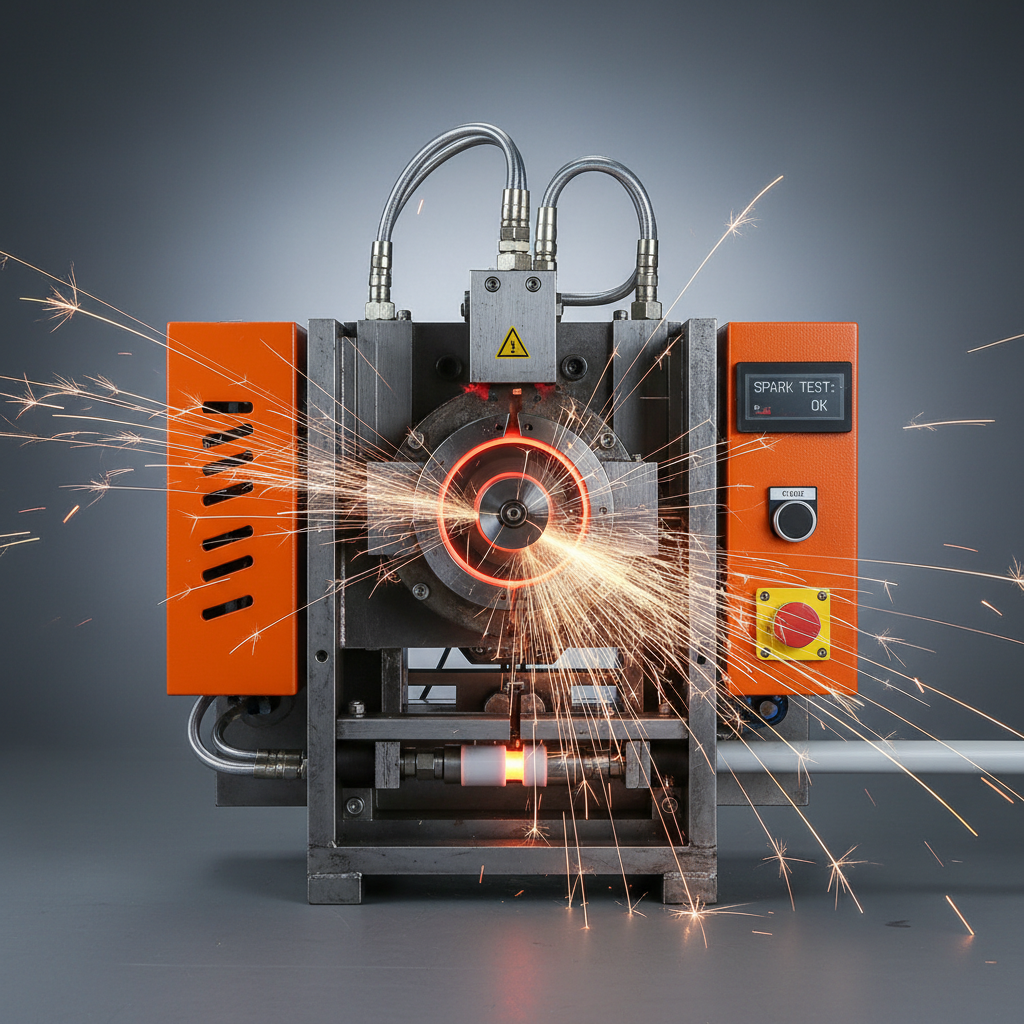
2026-04-07 03:06:14
Enhancing Weld Quality with a Versatile Dynamic Spark Tester
In the realm of welding and fabrication, ensuring the quality and integrity of welds is paramount. A dynamic spark tester is an indispensable tool for quickly and reliably assessing weld quality. This article will delve into the functionality, benefits, applications, and considerations when selecting a dynamic spark tester, particularly focusing on how Aqua Fusion Welder's offerings meet industry demands. We’ll explore how this crucial piece of equipment can enhance your quality control processes and reduce costly rework.
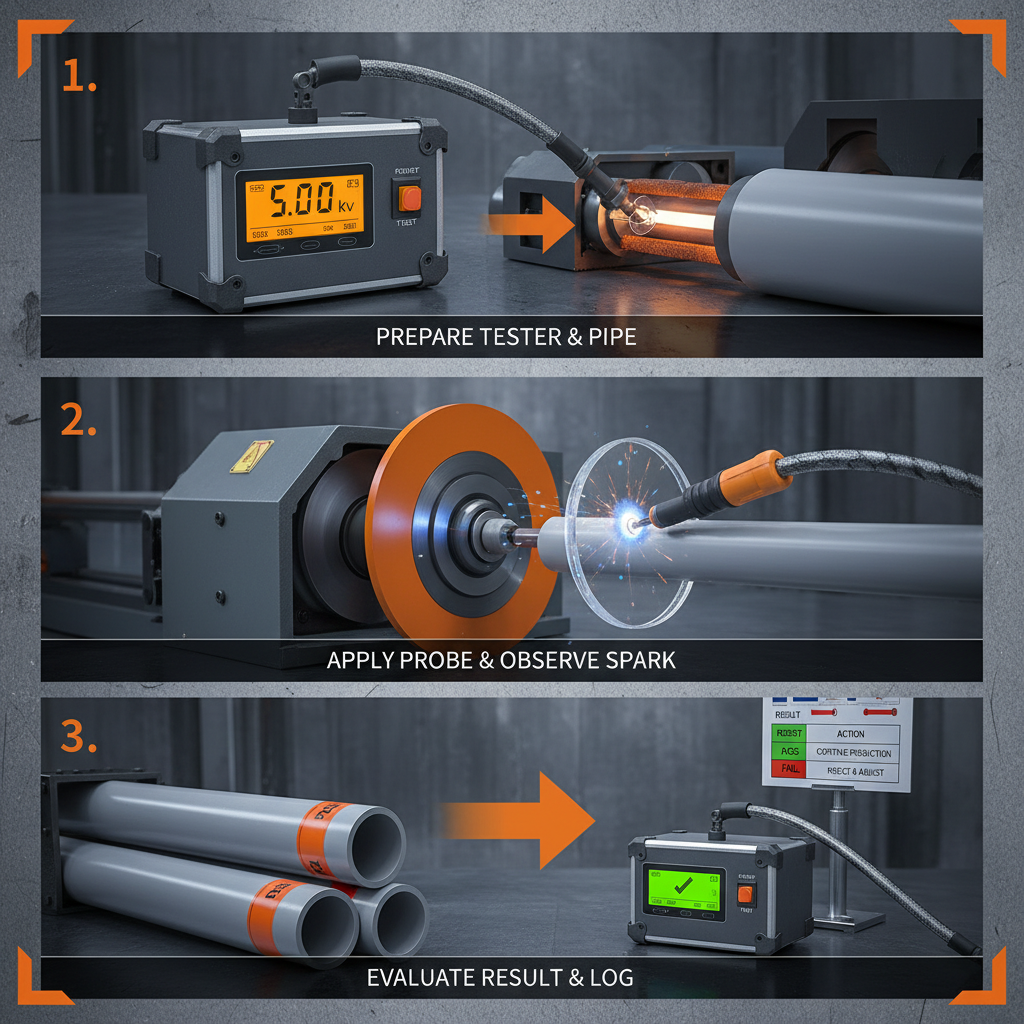
2026-04-04 03:16:07
Understanding the Power of a Digital Spark Tester for Weld Quality Assurance
In the realm of welding, particularly fusion welding, ensuring the integrity of the weld is paramount. A reliable method for quickly verifying weld quality is crucial for efficiency, safety, and cost-effectiveness. A digital spark tester offers a non-destructive testing solution, providing immediate feedback on weld penetration. This article will explore the benefits, applications, and key considerations when selecting a digital spark tester, especially concerning Aqua Fusion Welder's offerings. Effective weld quality control is not merely a best practice; it's a necessity for ensuring long-lasting, dependable results.
SUBSCRIBE NEWSLETTER
Dear customer, thank you for your attention! We provide high-quality machinery and equipment and look forward to your orders. Please inform us of your needs and we will respond quickly!






 English