
-
 Email:news@peweldingmachine.com;sales2@peweldingmachine.com
-
 +86-137 3974 5191
-
 Add:
NO.355,Youyi Street,Qiaoxi District,Shijiazhuang,Hebei,China.



Essential Guide to Commercial Heat Guns: Applications, Benefits & Future Trends

Essential Guide to Commercial Heat Guns: Applications, Benefits & Future Trends
Nov . 29, 2025 10:25
What Makes the Commercial Heat Gun Essential in Today’s World?
If you haven’t come across a commercial heat gun lately, it’s time to catch up. These versatile tools, which blasted onto the scene as simple craft devices, are now a backbone in everything from industrial manufacturing to disaster relief efforts. It might seem like a humble handheld device, but its real-world impact is profound—speeding operations, improving safety, and even contributing to sustainability goals.
Why does this matter globally? According to the International Labor Organization, over 500 million small and medium industries around the world rely heavily on tools like these to streamline production. Plus, with the growing emphasis on rapid infrastructure repairs—think earthquake zones or winterization projects—the commercial heat gun steps in with practical, efficient heat application that no other tool quite matches.
Why the Commercial Heat Gun Is a Game Changer: Definition and Context
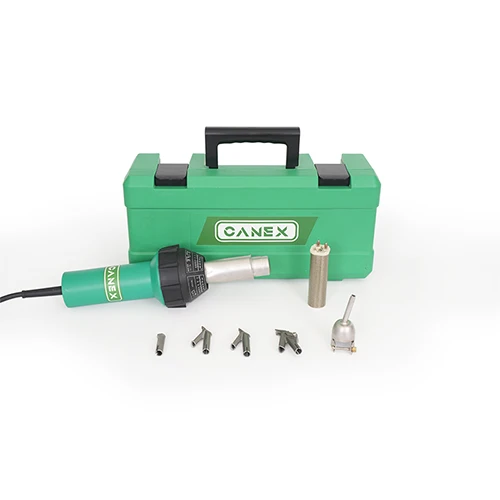
At its core, a commercial heat gun is an electrically powered device designed to emit a concentrated stream of hot air—typically adjustable from around 100°C up to 600°C or even higher in some models. Unlike your typical handheld hairdryer, commercial heat guns are rugged, built for prolonged operation, and versatile in heat output and airflow. It’s this adaptability that makes them indispensable in both factory floors and fieldwork settings.
In the grander scheme, commercial heat guns connect to our modern industrial ecosystem by enabling precision heating for tasks like welding plastics, stripping paint, thawing pipes, or sterilizing surfaces. They are crucial especially where quick, mobile heat applications influence safety standards or project timelines.
Core Components of a Commercial Heat Gun You Should Know
1. Durability
Most commercial models boast heavy-duty housing and reinforced heating elements to keep up with demanding environments. If you’re in construction or manufacturing, you know how often tools get tossed around. A commercial heat gun’s lifespan—often several years with proper use—is a key selling point.
2. Adjustable Temperature Control
The ability to dial in an exact temperature is not just a luxury; it’s often essential. Some materials can burn or deform easily, so being able to fine-tune heat from 120°C up to 650°C lets you get the job done just right without damage.
3. Airflow Variability
Good units also let users control the airflow volume—from a gentle wave of heated air for electronics to a powerful blast for stripping exterior paints. This flexibility ensures safety and precision across various tasks.
4. Ergonomics and Portability
Lorem ipsum dolor sit amet... (oops, just kidding). Seriously though, the design matters more than you’d expect. Many technicians complain about wrist fatigue or awkward grips during long shifts, so ergonomically designed heat guns with balanced weight and heat shielding make a big difference in comfort and productivity.
5. Safety Features
Overheat protection, insulated nozzles, and tip cooling technology are some critical features that protect users — especially when working in confined or sensitive areas. You wouldn’t want a heat gun failure when the stakes are high.
How and Where Are Commercial Heat Guns Making a Real Difference?
Industrial hotspots in Asia, Europe, and the Americas have made commercial heat guns a fixture in manufacturing lines — especially in automotive and plastics sectors. But oddly enough, they have also found significant roles in humanitarian arenas.
- Post-disaster repairs: In earthquake relief zones, they speed up drying and curing processes in temporary shelters or infrastructure patching, cutting downtime significantly.
- Frozen pipeline thawing in Northern regions: Utility companies in Canada and Scandinavia rely on commercial heat guns to prevent service outages during harsh winters.
- Electronics Assembly: SMD rework and heat shrinking components benefit hugely from precise heat application found only with well-tuned heat guns.
This broad application range showcases their versatility. Even architects and conservationists use them to restore delicate wood and paintwork without harsh chemicals.
Product Specification Overview
| Specification | Standard Range | Professional Model Example |
|---|---|---|
| Temperature Range | 100°C - 600°C | 100°C - 650°C (digital control) |
| Airflow | Up to 500 L/min | Up to 600 L/min |
| Power Source | AC Electric | AC & Portable Battery Options |
| Weight | 800g - 1.2kg | 1.0kg with ergonomic grips |
| Safety Features | Overheat cutoff | Overheat cutoff, insulated nozzles |
Comparing Leading Commercial Heat Gun Vendors
| Vendor | Price Range | Key Feature | Warranty | Customer Rating (out of 5) |
|---|---|---|---|---|
| HeatMaster Pro | $120–$180 | Digital temp control & portability | 2 years | 4.6 |
| ProHeat Industrial | $90–$150 | Heavy-duty and high airflow | 3 years | 4.3 |
| EcoHeat Solutions | $100–$160 | Energy-efficient & eco-friendly tech | 1.5 years | 4.0 |
What Benefits Do Industry Leaders Feel When Using Commercial Heat Guns?
Cost efficiency is probably the first thing to jump out. Because these tools work so fast and with precision, companies cut down material waste and labor hours. But here’s the kicker — it’s as much about reliability and safety. Teams working in hazardous environments trust a sturdy commercial heat gun to deliver consistent performance without sudden heat spikes or failures.
Also, I noticed a growing enthusiasm for sustainability. Several manufacturers now prioritize models with energy-saving motors and recyclable parts. This helps industries reduce their carbon footprint even while maintaining exacting standards.
There’s also a human aspect—using the right commercial heat gun reduces occupational hazards like burns or inhalation of toxic fumes from improper heating methods, fostering safer workplaces and better employee morale.
Looking Ahead: What’s Next for Commercial Heat Guns?
Frankly, this field is heating up—pun intended. Not only do you see increasing digital integration (apps to control temperature remotely or log usage data), but there’s also a push for greener technologies. Battery-powered heat guns eliminate cords and extend portability, making outdoor jobs easier.
In some circles, hybrid solar-electric heating elements are being experimented with to extend run times in off-grid settings. Plus, I’ve read that automation may soon allow heat guns to operate as part of robotic assembly lines, delivering repeatable precision without breaks.
Current Hurdles and Smart Workarounds
Despite all the advances, there are some challenges. For example, commercial heat guns tend to consume quite a bit of power, which can be problematic in remote locations. There's also the risk of uneven heating if operators aren’t properly trained.
To combat this, many users now pair commercial heat guns with thermal cameras or infrared sensors, ensuring accuracy and preventing mishaps. Also, modular design in newer models means parts can be swapped out quickly, minimizing downtime.
FAQ: Common Questions About Commercial Heat Guns
- Q: Can I use a commercial heat gun for delicate electronics?
- A: Yes, but you should select a model with adjustable temperature settings and low airflow options. This allows you to apply heat gently without damaging sensitive components like circuit boards.
- Q: How safe are commercial heat guns for prolonged usage?
- A: Most modern heat guns include safety features such as overheat protection, insulated nozzles, and cooling systems designed to prevent accidents during extended operation. Always follow the manufacturer’s guidelines to maximize safety.
- Q: Are commercial heat guns energy-efficient enough for fieldwork?
- A: While they do consume significant power, many newer models focus on energy-saving technology. For remote or off-grid projects, battery-operated or hybrid heat guns are becoming popular, offering portability without constant power draws.
- Q: What industries rely most on commercial heat guns?
- A: Automotive manufacturing, electronics assembly, construction, plastics fabrication, and emergency disaster response are among the main users. The tool’s diverse applications make it valuable in numerous sectors globally.
Wrapping Up: Why You Should Consider Investing in a Commercial Heat Gun
When you look at the bigger picture, commercial heat guns aren’t just a purchase—they’re an investment in efficiency, safety, and adaptability. Whether you’re fixing a frozen pipe at -20°C or speeding up factory production, they make an outsized difference.
Curious to explore models tailored to your needs? Visit our website: commercial heat gun to dive deeper into options, get expert guidance, and discover how the right tool can elevate your workflows.
References

Related Products
Related Video

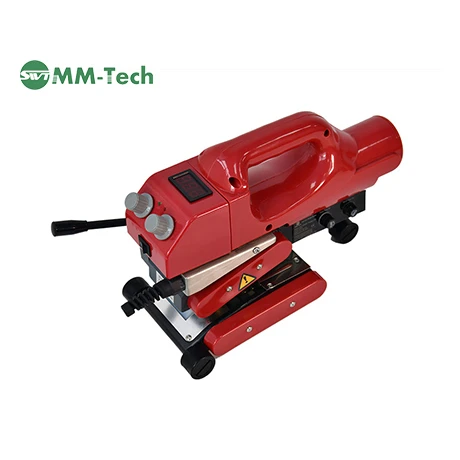

Geo Hot Wedge Welder With Digital Display SWT NS800D Operation Guide
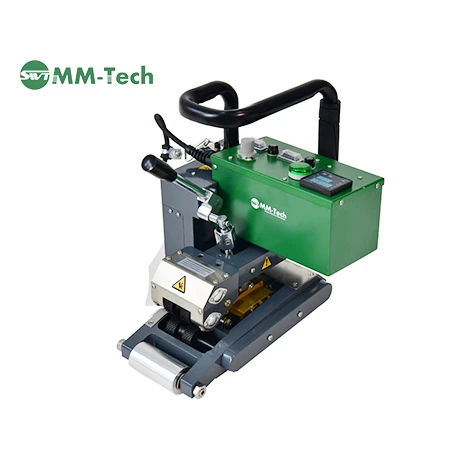
Heavy-Duty Geo Hot Wedge Welder SWT-NS900 Operation Guide
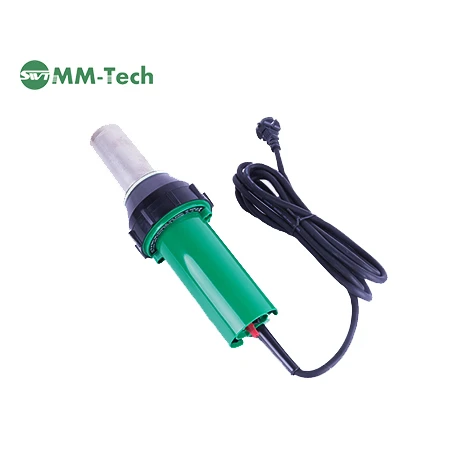
Powerful Professional Hot Air Tool SWT-NS3400A Operation Guide
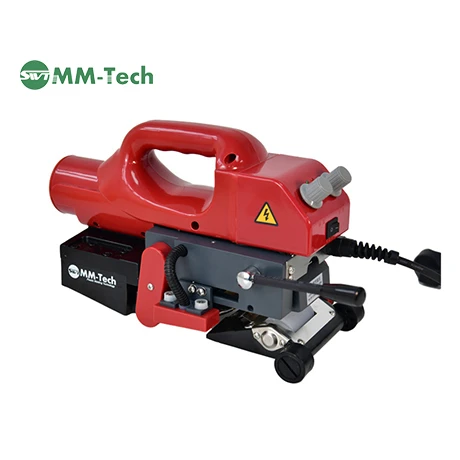
Geo Hot Wedge Welder SWT NS800 Operation Guide
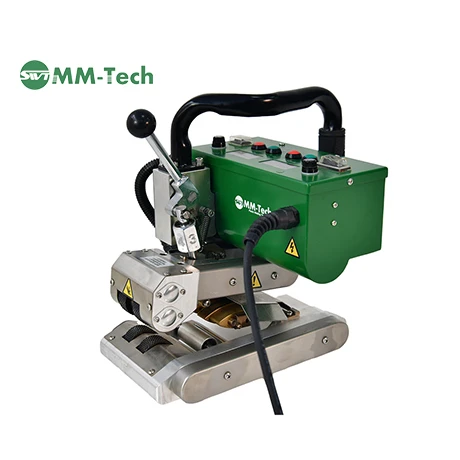
Compact HDPE Hot Wedge Welding Machine SWT-NSGM1 Operation Guide
Related News

2026-07-01 09:39:14
Industrial Guide to Using a Mechanical Line Leak Detector
Maintaining the structural integrity of thermoplastic pipelines is critical for environmental protection and operational efficiency. A high-precision mechanical line leak detector is an indispensable tool for detecting failures in geomembrane liners and plastic piping systems. Whether dealing with sewage treatment plants, landfills, or water conservancy projects, ensuring a leak-free seal prevents hazardous contamination and costly repairs. In this guide, we will explore how advanced detection combined with professional welding equipment ensures the highest standards of industrial waterproofing.

2026-06-29 16:57:32
Professional Leak Detector AS for Geomembrane Weld Integrity
Maximizing Weld Integrity with a Professional Leak Detector AS In the realm of environmental protection and geosynthetic installation, ensuring the absolute sealing of geomembrane seams is not just a quality requirementit is a critical safety mandate. A high-precision leak detector as air pressure tester serves as the primary tool for validating the integrity of double-track welds. By monitoring pressure changes within the closed air cavity of a weld, operators can definitively determine if a seam is airtight or if it requires immediate repair. This process prevents catastrophic leaks in landfills, mining ponds, and water containment systems, ensuring long-term environmental security.

2026-06-27 17:37:57
Industrial PVC Leak Detection with Fluorescent Leak Finder K
Maximizing Pipeline Integrity with the Fluorescent Leak Finder K In the demanding world of environmental protection and geosynthetic welding, maintaining a leak-proof seal is not just a quality requirementit is a critical safety mandate. The fluorescent leak finder k offers an advanced diagnostic solution for detecting microscopic breaches in PVC and HDPE liners. By leveraging ultraviolet fluorescence, this tool allows technicians to visualize leaks that are invisible to the naked eye, ensuring that industrial containment systems remain secure. Whether you are dealing with rigid uPVC or flexible PVC membranes, precision in leak detection is the only way to prevent catastrophic environmental contamination.

2026-06-26 16:41:41
Guide to Analyzing Electronic Leak Detector Price and Quality
Analyzing Electronic Leak Detector Price: A Guide to Choosing the Right Equipment In the realm of environmental protection and geosynthetic engineering, ensuring the integrity of waterproof membranes is critical. Whether you are dealing with landfills, sewage treatment plants, or water conservancy projects, the ability to pinpoint a breach is essential. Understanding the electronic leak detector price involves more than just looking at a tag; it requires an analysis of precision, durability, and the specific materials being tested, such as HDPE or PVC. Investing in high-quality detection equipment prevents catastrophic environmental leaks and reduces long-term maintenance costs for civil engineering projects.

2026-06-25 18:38:39
High Precision Intake Leak Tester for Engine Diagnostics
Ensuring Precision Performance with an Intake Leak Tester In the world of high-precision manufacturing and engine diagnostics, identifying microscopic air leaks is critical for operational efficiency. An intake leak tester serves as an essential diagnostic tool, ensuring that vacuum systems and air intake manifolds maintain a perfect seal. Whether in the automotive sector or specialized machinery production, even a pinhole leak can lead to poor combustion, reduced power, and increased emissions. By implementing a rigorous testing protocol, manufacturers can guarantee that every unit leaving the assembly line meets the highest quality standards, reducing warranty claims and enhancing brand reputation.

2026-06-23 07:06:21
Industrial Leak Detection and Spark Tester Working Principle
Understanding the Spark Tester Working Principle for Leak Detection In the world of industrial lining and coating, ensuring a seamless, holiday-free surface is critical to preventing corrosion and costly failures. The spark tester working principle is based on the physics of electrical insulation and dielectric breakdown. By applying a high-voltage current to a non-conductive coating, operators can pinpoint microscopic holesknown as holidaysthat would otherwise be invisible to the naked eye. Whether you are protecting underground pipelines or industrial tanks, understanding how these devices operate is the first step toward maintaining structural integrity and extending the lifespan of your assets.

2026-06-21 07:06:37
Industrial Guide to Choosing a Professional oem spark tester
The Ultimate Guide to Choosing an OEM Spark Tester for Industrial Precision In the world of automotive diagnostics and industrial electrical maintenance, precision is non-negotiable. An oem spark tester serves as a critical tool for technicians to verify ignition system integrity and ensure that spark plugs are firing correctly. Whether you are a distributor looking for white-label solutions or a workshop aiming for factory-standard diagnostics, understanding the nuances of Original Equipment Manufacturer OEM specifications is key. This guide explores how the right testing equipment can reduce downtime, prevent engine damage, and optimize performance across various machinery.

2026-06-20 07:06:15
Professional Spark Tester Supplier for Industrial Lining Integrity
Finding the Right Spark Tester Supplier for Industrial Lining Integrity Ensuring the integrity of protective coatings and linings is critical in industries dealing with corrosive chemicals and hazardous materials. To achieve this, partnering with a professional spark tester supplier is essential for obtaining high-precision holiday detection equipment. A spark tester, also known as a holiday detector, identifies holidays or pinholes in non-conductive coatings that could lead to catastrophic structural failure. By selecting a supplier that offers both technical expertise and robust hardware, companies can safeguard their assets and maintain strict safety compliance. In this guide, we will explore how to evaluate suppliers
SUBSCRIBE NEWSLETTER
Dear customer, thank you for your attention! We provide high-quality machinery and equipment and look forward to your orders. Please inform us of your needs and we will respond quickly!






 English