
-
 Email:news@peweldingmachine.com;sales2@peweldingmachine.com
-
 +86-137 3974 5191
-
 Add:
NO.355,Youyi Street,Qiaoxi District,Shijiazhuang,Hebei,China.



Heat Gun to Remove Stickers – Efficient, Safe, and Sustainable Adhesive Removal

Heat Gun to Remove Stickers – Efficient, Safe, and Sustainable Adhesive Removal
Dec . 02, 2025 03:10
Heat Gun to Remove Stickers: A Practical Guide
On the surface, a heat gun to remove stickers seems like a simple tool for a straightforward task. But oddly enough, this handy device plays a surprisingly important role in industries and everyday life around the globe. From refurbishing surfaces to preparing materials for recycling, knowing how and why to use heat guns effectively can save time, money, and frustration.
Introduction: Why Heat Guns Matter Worldwide
Globally, adhesive removal is an ever-present task—whether you’re refurbishing vehicles, preparing electronics for resale, or removing labels from shipment containers. According to the International Organization for Standardization (ISO), effective surface preparation is key for manufacturing efficiency and sustainability across sectors. However, peeling stickers or labels by hand often damages the underlying surface or leaves stubborn residue. This is where a heat gun to remove stickers offers a clever solution.
For example, waste management companies in Europe report that using heat guns during recycling prep reduces adhesive contaminants by over 40%, improving material quality and reuse potential. Frankly, in a world prioritizing circular economies, knowing how to remove adhesives without harsh chemicals or surface damage is more relevant than ever.
What Is a Heat Gun to Remove Stickers?
Put simply, a heat gun is a device that emits a focused stream of hot air, typically between 100°C and 600°C (200°F - 1100°F). When directed at stickers or adhesive labels, the heat softens the glue’s bond, allowing gentle peeling without leaving residue or damaging the underlying material. Think of it as a focused heat “massage” that relaxes sticky surfaces into cooperation.
This connection to modern technology and industrial needs is clear: non-invasive removal aligns well with sustainable practices, reduces chemical use, and is widely applicable across many fields.
Key Factors That Make a Good Heat Gun for Sticker Removal
1. Temperature Control
The ability to adjust heat levels is crucial. Different adhesives require different heat intensities—too much heat might warp plastics, too little won’t budge stubborn glue. Most professional heat guns offer settings from 120°C to 600°C, letting users dial in the right amount of heat.
2. Airflow and Precision
A heat gun with adjustable airflow helps target specific spots without overheating surrounding areas. Narrow nozzles or attachments often provide better precision, especially when working around delicate surfaces like painted wood or glass.
3. Ergonomics and Safety Features
These tools are often used in repetitive or extended sessions, so comfortable grips and built-in safety features—like automatic shut-off and cool-down modes—matter for preventing burns or accidents.
4. Power Source and Portability
While corded models tend to provide steady power, cordless heat guns are gaining popularity for their convenience on job sites or at home. Battery life and charging speed impact usability.
5. Durability and Build Quality
Investing in a reliable, sturdy heat gun can pay off long term. Many engineers I spoke with prefer models with reinforced nozzles and heat-resistant casings to withstand rough environments.
| Feature | Details |
|---|---|
| Temperature Range | 120°C – 600°C (248°F – 1112°F) |
| Airflow Adjustment | 250 – 500 L/min |
| Power Source | Corded electric, 1500 watts |
| Safety Features | Overheat protection, ergonomic handle |
| Weight | 600 grams (approx.) |
Global Applications and Use Cases
The flexibility of heat guns makes them indispensable across continents and industries. In automotive repair shops worldwide, technicians use heat guns to remove decals and vinyl wraps without damaging paint. In electronics refurbishing centers in Asia and Europe, heat guns help technicians peel off warranty stickers and labels quickly during device testing and resale preparation.
Even in humanitarian contexts, such as UN-managed warehouses, preparing packaging for recycling requires gentle sticker removal to separate plastics from adhesives, enhancing reuse. Oddly enough, small businesses in Latin America favor heat guns for cleaning product containers—a low-cost method reducing chemical exposure and waste.
For a quick practical tip, check out this heat gun to remove stickers resource for product ideas and applications.
Mini Takeaway
Heat guns aren’t just tools; they’re enablers of efficiency, sustainability, and safer practices across the globe.
Advantages and Long-Term Value of Heat Guns for Sticker Removal
- Cost Efficiency: Compared to chemical solvents, heat guns require a one-time purchase without ongoing consumable costs.
- Environmental Benefit: Eliminating toxic chemicals improves workplace safety and reduces hazardous waste.
- Non-Destructive: Proper heat application prevents damage to delicate surfaces, preserving value and aesthetics.
- Enhanced Productivity: Faster adhesive removal means quicker turnaround times in production or service.
- Trust & Innovation: Businesses that adopt safer, more efficient methods gain customer trust and appear forward-thinking.
Future Trends & Innovations in Heat Gun Technology
Looking ahead, advances in battery tech promise more powerful cordless heat guns, offering even better portability without sacrificing runtime. Some manufacturers are exploring smart heat guns with digital temperature control and feedback sensors, ensuring heat is perfectly tailored to the surface and adhesive type. These "intelligent" tools reduce mistakes and improve safety.
Additionally, integrating greener energy sources and materials into heat gun manufacturing aligns with wider sustainability goals. As factories digitize, heat guns may even be incorporated into automated adhesive removal stations in warehouses. It’s a small but vivid example of digital transformation impacting even humble tools.
Challenges & Solutions When Using Heat Guns for Removing Stickers
Like any tool, heat guns have their limits. The risk of overheating or burning surfaces is real, especially for novices. Some adhesives are exceptionally stubborn, requiring multiple passes or combined methods. Lower-quality heat guns might lack precise controls, leading to inconsistent results.
However, experienced users insist that taking time to test temperature on hidden areas, investing in quality tools, and pairing heat with gentle scraping solves most issues. Furthermore, continuous training and manufacturer specs help mitigate risks. A little patience goes a long way.
| Vendor | Price Range | Temperature Control | Power Source | Notable Feature |
|---|---|---|---|---|
| Brand A | $40–$60 | Fixed 450°C | Corded | Compact and lightweight |
| Brand B | $75–$110 | Adjustable 120–600°C | Corded | Ergonomic handle and safety shutoff |
| Brand C | $120–$150 | Digital control, presets | Cordless (Battery) | Smart temp feedback sensor |
FAQ: Your Heat Gun to Remove Stickers Questions Answered
- How hot should a heat gun be to remove stickers effectively?
- Generally, temperatures between 120°C to 200°C (248°F to 392°F) soften most adhesives sufficiently. However, it varies depending on sticker type and surface, so start low and increase gradually to avoid damage.
- Can I use a hairdryer instead of a heat gun for removing stickers?
- Hairdryers produce less heat and lack focused airflow, so they often require longer use and may be ineffective for tough adhesives. Heat guns offer precise, higher-temperature air that speeds up removal.
- Is it safe to use a heat gun on delicate surfaces like painted wood or glass?
- Yes, but with caution. Use the lowest heat setting and keep the nozzle moving to avoid heat build-up. Testing on a small, hidden area first is always recommended.
- What safety precautions should I take when using a heat gun?
- Wear protective gloves and eyewear, keep the heat gun moving to prevent burns, avoid flammable materials nearby, and allow the gun to cool down before resting it on surfaces.
- Where can I find quality heat guns designed specifically for sticker removal?
- Specialized retailers and online suppliers offer models with adjustable temperature and airflow suited for adhesive removal. For recommendations and selections, visit heat gun to remove stickers.
Conclusion: Embrace the Heat Gun Advantage
To sum things up, a heat gun to remove stickers is more than just a handy gadget — it’s an investment in efficiency, safety, and sustainability. It bridges the gap between manual scraping and chemical solvents, offering a cleaner, faster, and greener solution. Whether you’re a small business owner, technician, or simply a DIY enthusiast, mastering this tool opens doors to better maintenance and innovation.
Ready to level up your adhesive removal game? Visit our website: https://www.aquafusionwelder.com for expert advice and quality heat guns tailored to your needs.
Reflection
Interestingly, even such a seemingly mundane tool as a heat gun reveals deep connections to global sustainability and technological advancement. It reminds us that innovation often lies in rethinking simple everyday actions with care and expertise.
References

Related Products
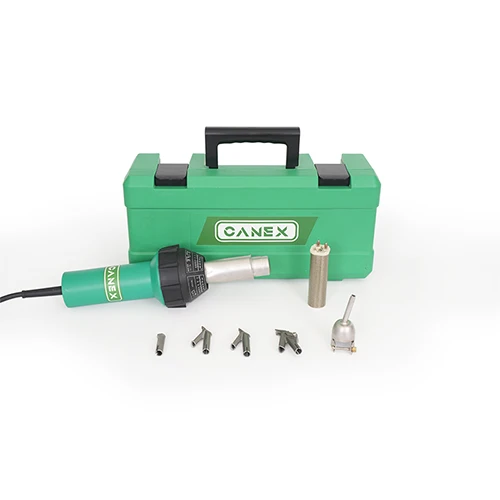
Related Video

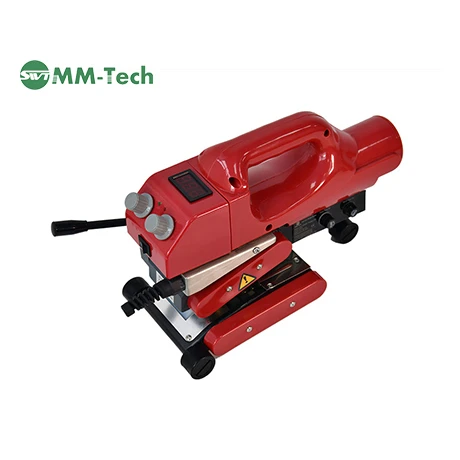

Geo Hot Wedge Welder With Digital Display SWT NS800D Operation Guide
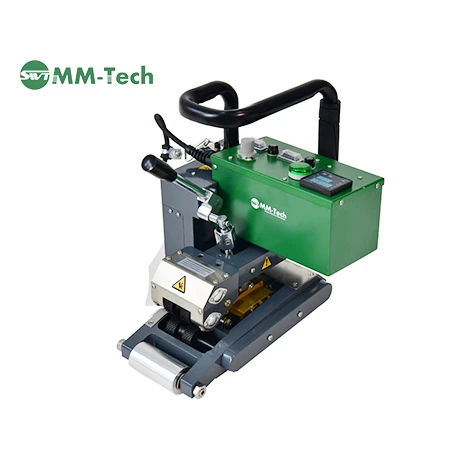
Heavy-Duty Geo Hot Wedge Welder SWT-NS900 Operation Guide
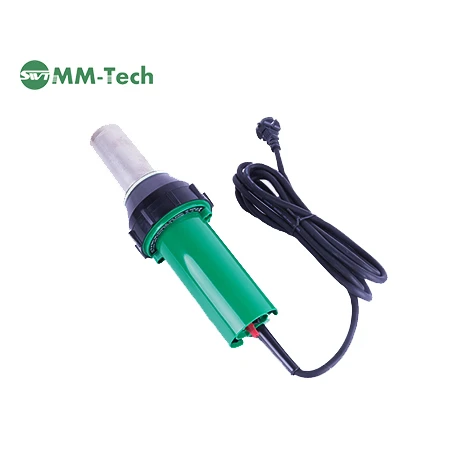
Powerful Professional Hot Air Tool SWT-NS3400A Operation Guide
Geo Hot Wedge Welder SWT NS800 Operation Guide
Compact HDPE Hot Wedge Welding Machine SWT-NSGM1 Operation Guide
Related News

2026-07-01 09:39:14
Industrial Guide to Using a Mechanical Line Leak Detector
Maintaining the structural integrity of thermoplastic pipelines is critical for environmental protection and operational efficiency. A high-precision mechanical line leak detector is an indispensable tool for detecting failures in geomembrane liners and plastic piping systems. Whether dealing with sewage treatment plants, landfills, or water conservancy projects, ensuring a leak-free seal prevents hazardous contamination and costly repairs. In this guide, we will explore how advanced detection combined with professional welding equipment ensures the highest standards of industrial waterproofing.

2026-06-29 16:57:32
Professional Leak Detector AS for Geomembrane Weld Integrity
Maximizing Weld Integrity with a Professional Leak Detector AS In the realm of environmental protection and geosynthetic installation, ensuring the absolute sealing of geomembrane seams is not just a quality requirementit is a critical safety mandate. A high-precision leak detector as air pressure tester serves as the primary tool for validating the integrity of double-track welds. By monitoring pressure changes within the closed air cavity of a weld, operators can definitively determine if a seam is airtight or if it requires immediate repair. This process prevents catastrophic leaks in landfills, mining ponds, and water containment systems, ensuring long-term environmental security.

2026-06-27 17:37:57
Industrial PVC Leak Detection with Fluorescent Leak Finder K
Maximizing Pipeline Integrity with the Fluorescent Leak Finder K In the demanding world of environmental protection and geosynthetic welding, maintaining a leak-proof seal is not just a quality requirementit is a critical safety mandate. The fluorescent leak finder k offers an advanced diagnostic solution for detecting microscopic breaches in PVC and HDPE liners. By leveraging ultraviolet fluorescence, this tool allows technicians to visualize leaks that are invisible to the naked eye, ensuring that industrial containment systems remain secure. Whether you are dealing with rigid uPVC or flexible PVC membranes, precision in leak detection is the only way to prevent catastrophic environmental contamination.

2026-06-26 16:41:41
Guide to Analyzing Electronic Leak Detector Price and Quality
Analyzing Electronic Leak Detector Price: A Guide to Choosing the Right Equipment In the realm of environmental protection and geosynthetic engineering, ensuring the integrity of waterproof membranes is critical. Whether you are dealing with landfills, sewage treatment plants, or water conservancy projects, the ability to pinpoint a breach is essential. Understanding the electronic leak detector price involves more than just looking at a tag; it requires an analysis of precision, durability, and the specific materials being tested, such as HDPE or PVC. Investing in high-quality detection equipment prevents catastrophic environmental leaks and reduces long-term maintenance costs for civil engineering projects.

2026-06-25 18:38:39
High Precision Intake Leak Tester for Engine Diagnostics
Ensuring Precision Performance with an Intake Leak Tester In the world of high-precision manufacturing and engine diagnostics, identifying microscopic air leaks is critical for operational efficiency. An intake leak tester serves as an essential diagnostic tool, ensuring that vacuum systems and air intake manifolds maintain a perfect seal. Whether in the automotive sector or specialized machinery production, even a pinhole leak can lead to poor combustion, reduced power, and increased emissions. By implementing a rigorous testing protocol, manufacturers can guarantee that every unit leaving the assembly line meets the highest quality standards, reducing warranty claims and enhancing brand reputation.

2026-06-23 07:06:21
Industrial Leak Detection and Spark Tester Working Principle
Understanding the Spark Tester Working Principle for Leak Detection In the world of industrial lining and coating, ensuring a seamless, holiday-free surface is critical to preventing corrosion and costly failures. The spark tester working principle is based on the physics of electrical insulation and dielectric breakdown. By applying a high-voltage current to a non-conductive coating, operators can pinpoint microscopic holesknown as holidaysthat would otherwise be invisible to the naked eye. Whether you are protecting underground pipelines or industrial tanks, understanding how these devices operate is the first step toward maintaining structural integrity and extending the lifespan of your assets.

2026-06-21 07:06:37
Industrial Guide to Choosing a Professional oem spark tester
The Ultimate Guide to Choosing an OEM Spark Tester for Industrial Precision In the world of automotive diagnostics and industrial electrical maintenance, precision is non-negotiable. An oem spark tester serves as a critical tool for technicians to verify ignition system integrity and ensure that spark plugs are firing correctly. Whether you are a distributor looking for white-label solutions or a workshop aiming for factory-standard diagnostics, understanding the nuances of Original Equipment Manufacturer OEM specifications is key. This guide explores how the right testing equipment can reduce downtime, prevent engine damage, and optimize performance across various machinery.

2026-06-20 07:06:15
Professional Spark Tester Supplier for Industrial Lining Integrity
Finding the Right Spark Tester Supplier for Industrial Lining Integrity Ensuring the integrity of protective coatings and linings is critical in industries dealing with corrosive chemicals and hazardous materials. To achieve this, partnering with a professional spark tester supplier is essential for obtaining high-precision holiday detection equipment. A spark tester, also known as a holiday detector, identifies holidays or pinholes in non-conductive coatings that could lead to catastrophic structural failure. By selecting a supplier that offers both technical expertise and robust hardware, companies can safeguard their assets and maintain strict safety compliance. In this guide, we will explore how to evaluate suppliers
SUBSCRIBE NEWSLETTER
Dear customer, thank you for your attention! We provide high-quality machinery and equipment and look forward to your orders. Please inform us of your needs and we will respond quickly!






 English