
-
 Email:news@peweldingmachine.com;sales2@peweldingmachine.com
-
 +86-137 3974 5191
-
 Add:
NO.355,Youyi Street,Qiaoxi District,Shijiazhuang,Hebei,China.



Hot Air Heat Gun Explained: Benefits, Applications & Future Trends | MM Tech Weld

Hot Air Heat Gun Explained: Benefits, Applications & Future Trends | MM Tech Weld
Dec . 02, 2025 10:30
Understanding the Hot Air Heat Gun: A Global Toolbox Essential
If you’ve ever fiddled with DIY projects, repaired electronics, or worked in construction, chances are you’ve come across a hot air heat gun. This nifty device blows heated air at high speeds, making it indispensable for countless tasks. But why does it matter on a global scale? And what makes it so critical in modern industries and emergency operations alike? Frankly, a hot air heat gun is more than a tool — it’s a versatile technology that supports everything from manufacturing to humanitarian relief. Understanding its role can unlock innovations in sustainability, efficiency, and safety worldwide.
Introduction: The Global Pulse of Hot Air Heat Guns
Globally, the demand for precise heating solutions is escalating. According to the United Nations Industrial Development Organization (UNIDO), over 70% of manufacturing processes require controlled heat applications to ensure product quality and safety. That’s a staggering figure that highlights why hot air heat guns have become mainstream. Oddly enough, even though these devices seem simple, their impact spreads across regions, from developed urban centers to remote industrial zones in emerging economies. Yet, a long-standing challenge remains: how to balance power efficiency with durability for varying applications. This is where understanding hot air heat guns becomes crucial.
What Exactly Is a Hot Air Heat Gun?
In plain terms, a hot air heat gun is a handheld tool that emits a stream of warm air, typically adjustable between 100°C to 600°C (212°F to 1112°F). Unlike a blow dryer, it produces much higher temperatures and steady, directed airflow. This makes it perfect for tasks like stripping paint, thawing frozen pipes, or even soldering electronics. On an industrial level, it supports drying, welding, and shrink wrapping — essentials for sectors like automotive manufacturing and packaging.
Its connection to humanitarian needs is less talked about, but significant. For example, in disaster relief operations, hot air heat guns help repair damaged equipment or create temporary shelters by heating and molding plastics or sealants right onsite. It’s sort of a “quick fix” tool with a heavy impact on ground logistics.
Core Components of Hot Air Heat Guns
1. Durability
Since these tools often work under rough conditions (construction sites, outdoor repairs), materials and build quality matter a lot. A robust casing plus heat-resistant internal components extend lifespan considerably.
2. Temperature Control
Adjustability is key. Precision heating prevents damage to delicate materials or overheating—important in electronics or creative arts.
3. Airflow Rate
Scientists and engineers often emphasize airflow volume (measured in liters per minute) because it directly influences efficiency. More air volume means faster heating but requires higher power consumption.
4. Energy Efficiency
Especially in developing regions or mobile operations without stable power, energy-efficient heat guns reduce operational costs and carbon footprints.
5. Safety Features
Automatic shutoff in case of overheating or tip-up safety switches prevent accidents, creating trust among workers who use these daily.
Global Applications & Use Cases: Real-World Versatility
Hot air heat guns have a surprisingly wide reach. In North America and Europe, they are staples in automotive shops and hobbyists' toolkits for tasks like removing decals, drying painted surfaces, and plastic welding. In Asia, where electronics assembly thrives, they assist with circuit board soldering and component repair.
In humanitarian contexts, NGOs rely on hot air heat guns to build rapid-deploy shelters and repair essential gear. Remember the 2015 Nepal earthquake relief efforts? Several organizations used these tools to fix communications devices and create temporary plastic sheeting seams to protect families from the elements.
Moreover, industries in Africa’s mining and energy sectors use them for equipment maintenance under challenging power situations, highlighting the heat gun’s indispensability in remote settings.
Advantages and Long-Term Value
Choosing a hot air heat gun is less about one-off convenience and more about long-term reliability. The obvious perks include cost efficiency — less costly than alternative industrial heaters — and versatility, adapting easily to numerous materials and surfaces. On a social level, reliable tools boost workplace safety and worker confidence. It feels reassuring when your equipment includes safety cutoffs and ergonomic designs that minimize fatigue during prolonged use.
From an environmental standpoint, moving towards more energy-efficient, digitally controlled heat guns reduces unnecessary wasteful heating cycles, a subtle but meaningful step towards sustainability goals defined by ISO standards in energy management.
Product Specifications at a Glance
| Specification | Typical Range/Value |
|---|---|
| Temperature Range | 100°C to 600°C (212°F to 1112°F) |
| Airflow Rate | 100 to 500 liters/minute |
| Power Consumption | 1200 to 2000 Watts |
| Weight | 0.5 to 1.2 kg |
| Safety | Thermal cut-off, tip-over switch |
Vendor Comparison: Choosing the Right Hot Air Heat Gun
| Vendor | Price Range | Temperature Control | Durability Rating | Warranty |
|---|---|---|---|---|
| Brand A | $50–$80 | Adjustable (3 modes) | 8/10 | 2 years |
| Brand B | $70–$120 | Digital temp display | 9/10 | 3 years |
| Brand C | $40–$65 | Fixed temp, 400°C | 7/10 | 1 year |
Durability rating based on material quality and user reviews.
Future Trends & Innovations
What’s next for hot air heat guns? Sustainability is a major driver. Researchers are pinning hopes on integrating greener heating elements powered by renewable electricity sources. Automation and IoT connectivity promise "smart" heat guns that self-adjust temperature and airflow based on materials being worked on — boosting efficiency and reducing waste.
Moreover, ergonomic designs are evolving, considering user fatigue and prolonged usage safety. Oddly enough, the humble heat gun is quietly riding the wave of digital transformation, joining other “smart” tools on the job site.
Challenges & Solutions
Despite their utility, hot air heat guns have limitations. A major pain point is the risk of overheating sensitive components or inconsistent airflow leading to subpar results. Another challenge is the varying electrical standards across countries, complicating deployment in remote or underdeveloped regions.
To address these, advanced models feature multi-stage temperature controls, sensors, and universal power adapters. Plus, training those using the tools enhances outcomes significantly — something many companies now prioritize over just selling hardware.
FAQ: Frequently Asked Questions About Hot Air Heat Guns
- Q: What temperature should I use to strip paint safely?
A: Generally, start around 300°C to soften paint without burning it. Adjust as needed depending on paint thickness and surface sensitivity. - Q: Can hot air heat guns be used for electronics repair?
A: Yes, but with caution. Low-temperature settings and precise airflow control are essential to avoid damaging delicate components. - Q: Are cordless heat guns effective for industrial use?
A: Cordless models offer mobility but tend to have lower power and runtime. Best for light tasks or remote use, not heavy-duty jobs. - Q: How do I maintain my heat gun for longevity?
A: Keep the nozzle clean, avoid overheating the motor, and store it properly after use. Periodic checks for airflow and heating element wear help too.
Conclusion & Call to Action
The hot air heat gun, simple as it might seem, holds enormous practical and strategic value across industries and humanitarian efforts globally. From enabling quality manufacturing to supporting disaster relief, its multifunctionality is hard to match. Its growth trajectory points toward smarter, greener, and more user-friendly designs. Interested in exploring our latest hot air heat gun options? Visit https://www.aquafusionwelder.com for expert advice and solutions tailored to your unique needs.
In sum, a well-chosen hot air heat gun is not just a purchase—it’s an investment in efficiency, safety, and sustainability.
Quick takeaway: The hot air heat gun quietly empowers countless industries, balancing power, precision, and environmental responsibility one heated airflow at a time.

Related Products
Related Video


Geo Hot Wedge Welder With Digital Display SWT NS800D Operation Guide
Heavy-Duty Geo Hot Wedge Welder SWT-NS900 Operation Guide
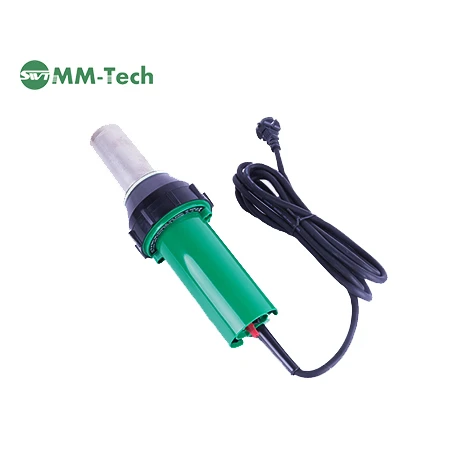
Powerful Professional Hot Air Tool SWT-NS3400A Operation Guide
Geo Hot Wedge Welder SWT NS800 Operation Guide
Compact HDPE Hot Wedge Welding Machine SWT-NSGM1 Operation Guide
Related News

2026-07-01 09:39:14
Industrial Guide to Using a Mechanical Line Leak Detector
Maintaining the structural integrity of thermoplastic pipelines is critical for environmental protection and operational efficiency. A high-precision mechanical line leak detector is an indispensable tool for detecting failures in geomembrane liners and plastic piping systems. Whether dealing with sewage treatment plants, landfills, or water conservancy projects, ensuring a leak-free seal prevents hazardous contamination and costly repairs. In this guide, we will explore how advanced detection combined with professional welding equipment ensures the highest standards of industrial waterproofing.

2026-06-29 16:57:32
Professional Leak Detector AS for Geomembrane Weld Integrity
Maximizing Weld Integrity with a Professional Leak Detector AS In the realm of environmental protection and geosynthetic installation, ensuring the absolute sealing of geomembrane seams is not just a quality requirementit is a critical safety mandate. A high-precision leak detector as air pressure tester serves as the primary tool for validating the integrity of double-track welds. By monitoring pressure changes within the closed air cavity of a weld, operators can definitively determine if a seam is airtight or if it requires immediate repair. This process prevents catastrophic leaks in landfills, mining ponds, and water containment systems, ensuring long-term environmental security.

2026-06-27 17:37:57
Industrial PVC Leak Detection with Fluorescent Leak Finder K
Maximizing Pipeline Integrity with the Fluorescent Leak Finder K In the demanding world of environmental protection and geosynthetic welding, maintaining a leak-proof seal is not just a quality requirementit is a critical safety mandate. The fluorescent leak finder k offers an advanced diagnostic solution for detecting microscopic breaches in PVC and HDPE liners. By leveraging ultraviolet fluorescence, this tool allows technicians to visualize leaks that are invisible to the naked eye, ensuring that industrial containment systems remain secure. Whether you are dealing with rigid uPVC or flexible PVC membranes, precision in leak detection is the only way to prevent catastrophic environmental contamination.

2026-06-26 16:41:41
Guide to Analyzing Electronic Leak Detector Price and Quality
Analyzing Electronic Leak Detector Price: A Guide to Choosing the Right Equipment In the realm of environmental protection and geosynthetic engineering, ensuring the integrity of waterproof membranes is critical. Whether you are dealing with landfills, sewage treatment plants, or water conservancy projects, the ability to pinpoint a breach is essential. Understanding the electronic leak detector price involves more than just looking at a tag; it requires an analysis of precision, durability, and the specific materials being tested, such as HDPE or PVC. Investing in high-quality detection equipment prevents catastrophic environmental leaks and reduces long-term maintenance costs for civil engineering projects.

2026-06-25 18:38:39
High Precision Intake Leak Tester for Engine Diagnostics
Ensuring Precision Performance with an Intake Leak Tester In the world of high-precision manufacturing and engine diagnostics, identifying microscopic air leaks is critical for operational efficiency. An intake leak tester serves as an essential diagnostic tool, ensuring that vacuum systems and air intake manifolds maintain a perfect seal. Whether in the automotive sector or specialized machinery production, even a pinhole leak can lead to poor combustion, reduced power, and increased emissions. By implementing a rigorous testing protocol, manufacturers can guarantee that every unit leaving the assembly line meets the highest quality standards, reducing warranty claims and enhancing brand reputation.

2026-06-23 07:06:21
Industrial Leak Detection and Spark Tester Working Principle
Understanding the Spark Tester Working Principle for Leak Detection In the world of industrial lining and coating, ensuring a seamless, holiday-free surface is critical to preventing corrosion and costly failures. The spark tester working principle is based on the physics of electrical insulation and dielectric breakdown. By applying a high-voltage current to a non-conductive coating, operators can pinpoint microscopic holesknown as holidaysthat would otherwise be invisible to the naked eye. Whether you are protecting underground pipelines or industrial tanks, understanding how these devices operate is the first step toward maintaining structural integrity and extending the lifespan of your assets.

2026-06-21 07:06:37
Industrial Guide to Choosing a Professional oem spark tester
The Ultimate Guide to Choosing an OEM Spark Tester for Industrial Precision In the world of automotive diagnostics and industrial electrical maintenance, precision is non-negotiable. An oem spark tester serves as a critical tool for technicians to verify ignition system integrity and ensure that spark plugs are firing correctly. Whether you are a distributor looking for white-label solutions or a workshop aiming for factory-standard diagnostics, understanding the nuances of Original Equipment Manufacturer OEM specifications is key. This guide explores how the right testing equipment can reduce downtime, prevent engine damage, and optimize performance across various machinery.

2026-06-20 07:06:15
Professional Spark Tester Supplier for Industrial Lining Integrity
Finding the Right Spark Tester Supplier for Industrial Lining Integrity Ensuring the integrity of protective coatings and linings is critical in industries dealing with corrosive chemicals and hazardous materials. To achieve this, partnering with a professional spark tester supplier is essential for obtaining high-precision holiday detection equipment. A spark tester, also known as a holiday detector, identifies holidays or pinholes in non-conductive coatings that could lead to catastrophic structural failure. By selecting a supplier that offers both technical expertise and robust hardware, companies can safeguard their assets and maintain strict safety compliance. In this guide, we will explore how to evaluate suppliers
SUBSCRIBE NEWSLETTER
Dear customer, thank you for your attention! We provide high-quality machinery and equipment and look forward to your orders. Please inform us of your needs and we will respond quickly!






 English