
-
 Email:news@peweldingmachine.com
-
 +86-137 3974 5191
-
 Add:
Add:NO.355,Youyi Street,Qiaoxi District,Shijiazhuang,Hebei,China.



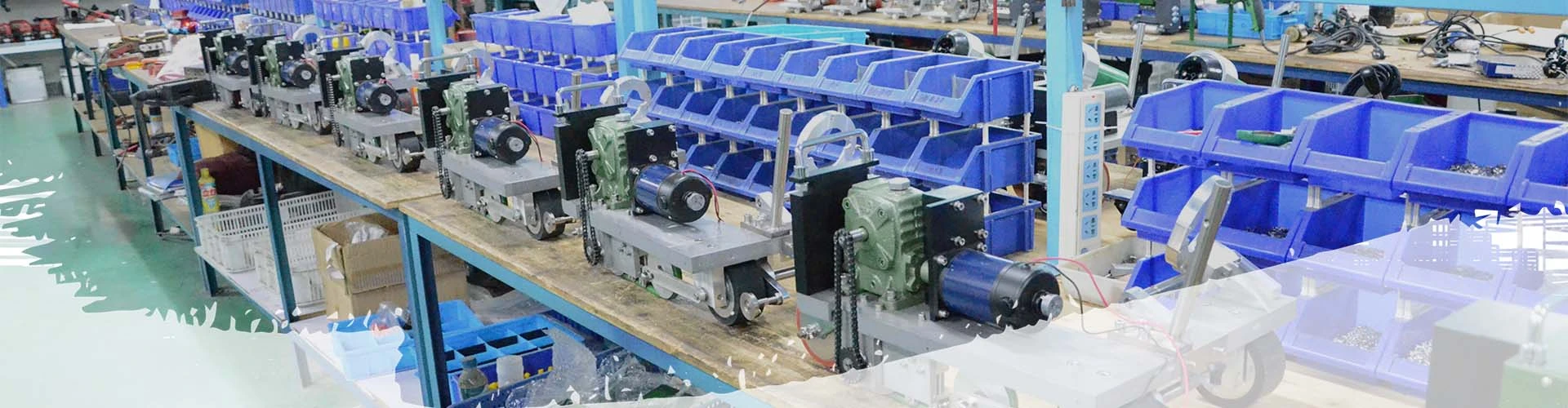
How Do Hot Air Welding Machines Revolutionize Plastic Joining?

How Do Hot Air Welding Machines Revolutionize Plastic Joining?
Jun . 04, 2025 16:40
In the realm of plastic fabrication and repair, hot air welding machines have emerged as indispensable tools, offering precision and durability for a wide range of applications. The hot air welding machine, hot welding machine, plastic welding machine with hot air gun, PVC heat welding machine, and PVC hot air welding machine are key variants within this category, each designed to meet specific material and project requirements. These machines leverage controlled heat and air flow to fuse plastic materials, creating strong, seamless joints in industries ranging from construction to manufacturing.
The Mechanics and Versatility of Hot Air Welding Machines
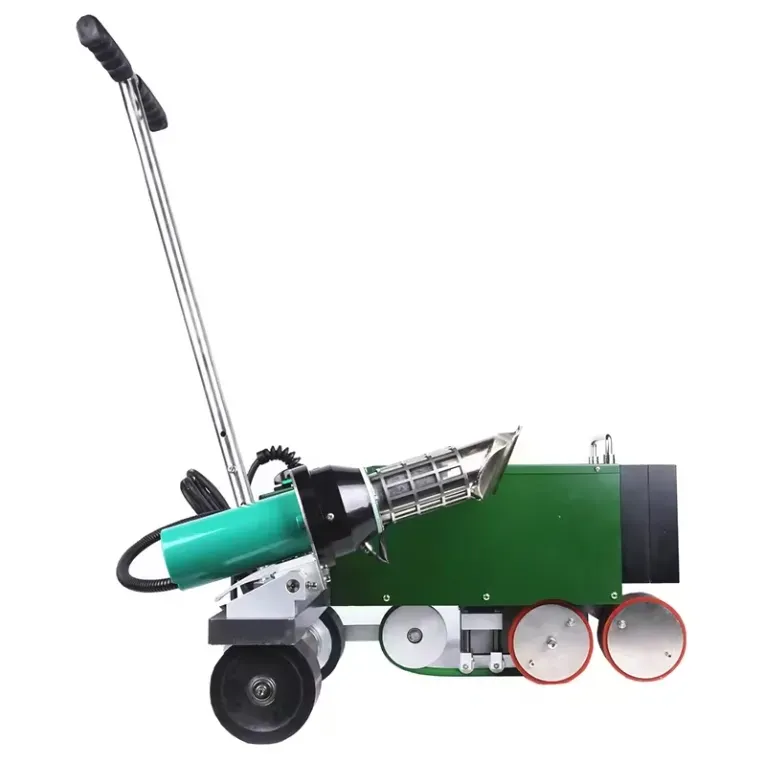
A hot air welding machine operates by directing a stream of heated air onto the plastic surfaces to be joined, along with a filler rod, to create a molten pool that bonds the materials together. This process is ideal for welding thermoplastics such as polyethylene (PE), polypropylene (PP), and polyvinyl chloride (PVC). For example, in the construction of plastic tanks or pipes, a hot air welding machine ensures leak - proof connections by melting both the base material and the filler rod simultaneously. The adjustable temperature and airflow settings allow operators to tailor the process to the thickness and type of plastic, ensuring consistent and reliable welds.
Exploring the Efficiency of Hot Welding Machines
Hot welding machines encompass a broad category of tools, including portable devices and industrial - grade systems. Portable hot welding machines with integrated hot air guns are widely used in field repairs, such as fixing damaged PVC tarps or plastic liners. These compact units offer mobility and ease of use, making them suitable for on - site projects. Industrial hot welding machines, on the other hand, are designed for high - volume production, featuring automated controls and higher heat output to handle large - scale plastic fabrication tasks, such as manufacturing plastic pallets or agricultural films.
Plastic Welding Machine with Hot Air Gun: A Precision Tool for Diverse Applications
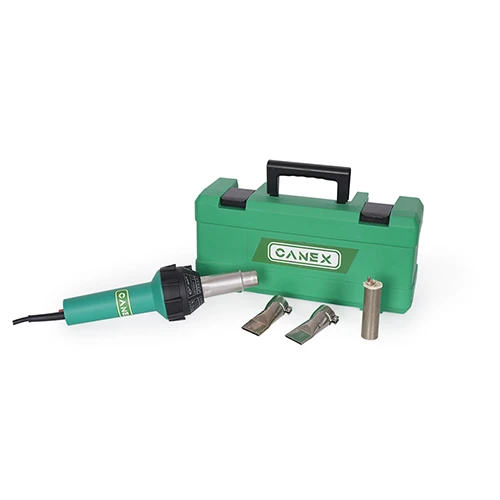
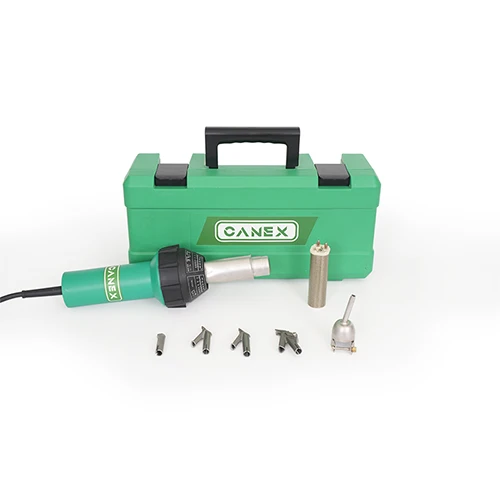
The plastic welding machine with hot air gun combines the versatility of a hot air gun with specialized nozzles and accessories to achieve precise welds. This setup is particularly useful for intricate or small - scale projects, such as welding plastic model kits, repairing automotive trim, or creating custom plastic components. The hot air gun’s ability to deliver focused heat allows for detailed work, while the use of compatible filler rods ensures strong bonds. In the automotive industry, technicians often use this type of machine to repair plastic bumpers or interior panels, saving time and costs compared to full component replacement.
PVC Heat Welding Machines: Tailored for PVC Materials
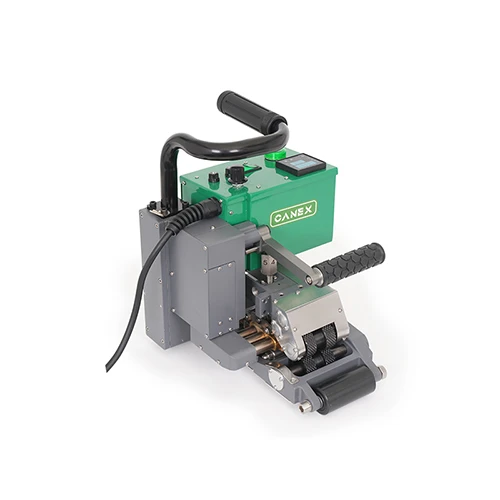
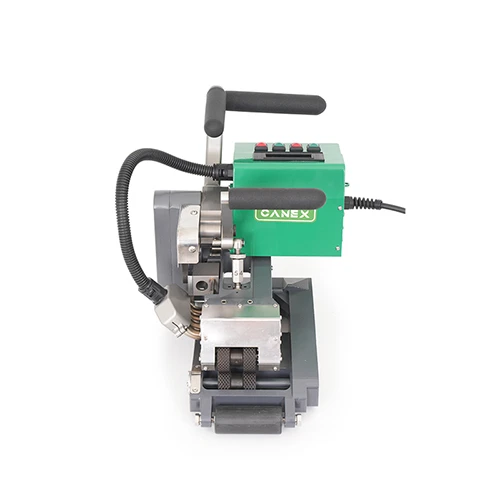
PVC heat welding machines are specifically engineered to work with polyvinyl chloride, a common thermoplastic used in applications like flooring, roofing membranes, and water beds. These machines generate the optimal heat range to melt PVC without causing degradation, ensuring strong and flexible welds. For instance, in the installation of PVC roofing membranes, a PVC heat welding machine creates secure seams that withstand weathering and UV exposure. The machines often feature temperature controls and pressure rollers to ensure uniform welds, making them essential for projects where water tightness and durability are critical.
PVC Hot Air Welding Machine: Streamlining PVC Joining Processes
A PVC hot air welding machine offers a specialized solution for welding PVC sheets, pipes, and profiles. The hot air gun component delivers a steady stream of heated air to soften the PVC surfaces, while the operator guides a filler rod into the joint to create a robust bond. This method is widely used in the production of PVC banners, inflatable structures, and industrial curtains. The machine’s adjustable settings allow for precise control over the welding speed and heat input, ensuring consistent results across different thicknesses of PVC material.
FAQ: Key Insights for Hot Air Welding Machine Users
What factors should I consider when selecting a hot air welding machine?
When choosing a hot air welding machine, consider the type and thickness of the plastic material, the required welding speed, and the project’s scale. For PVC applications, opt for a PVC heat welding machine or PVC hot air welding machine with temperature settings optimized for PVC. Portable hot welding machines are ideal for small - scale or on - site work, while industrial models are better suited for high - volume production. Additionally, check the machine’s compatibility with filler rods and available accessories, such as nozzles and pressure tools.
How do I maintain a hot air welding machine for optimal performance?
Regular maintenance is key to prolonging the life of your machine. Clean the hot air gun nozzle regularly to remove plastic residue, which can clog the airflow and affect heat distribution. Inspect the power cord and connections for signs of wear or damage. Lubricate moving parts, such as hinges or rollers, according to the manufacturer’s guidelines. Store the machine in a dry, dust - free environment to prevent corrosion and ensure consistent performance.
Can I weld different types of plastic with the same machine?
Most hot air welding machines are designed for specific types of thermoplastics. While some machines may be adjustable to work with multiple materials, it’s essential to verify compatibility. For example, a PVC hot air welding machine is optimized for PVC and may not achieve optimal results with PE or PP. Using the wrong machine for a material can lead to weak welds or material degradation. Always consult the manufacturer’s specifications to ensure the machine is suitable for your project’s plastic type.
What safety precautions should I take when using a hot welding machine?
Safety is critical when operating hot air welding machines. Always wear heat - resistant gloves and protective eyewear to prevent burns and eye injuries. Work in a well - ventilated area to avoid inhaling plastic fumes. Keep the hot air gun nozzle away from flammable materials and never leave the machine unattended while it’s powered on. Allow the machine to cool completely before storing or performing maintenance.
How does the thickness of plastic affect the welding process?
Thicker plastic materials require higher heat and longer welding times to ensure proper melting and bonding. With a hot air welding machine, you may need to increase the temperature setting and adjust the speed at which you move the gun and filler rod. For thin plastics, use lower heat settings to avoid melting through the material or causing warping. Always practice on scrap material first to determine the optimal settings for the specific thickness and type of plastic you are working with.

Related Products
Related Video

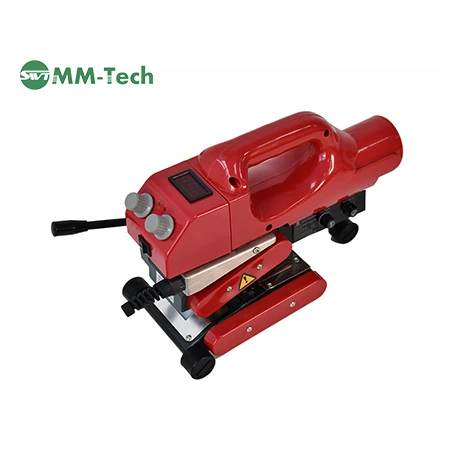

Geo Hot Wedge Welder With Digital Display SWT NS800D Operation Guide
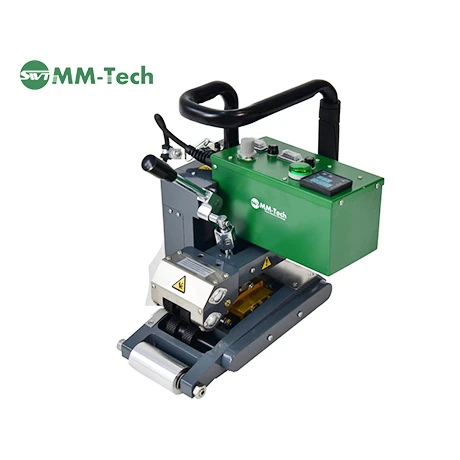
Heavy-Duty Geo Hot Wedge Welder SWT-NS900 Operation Guide
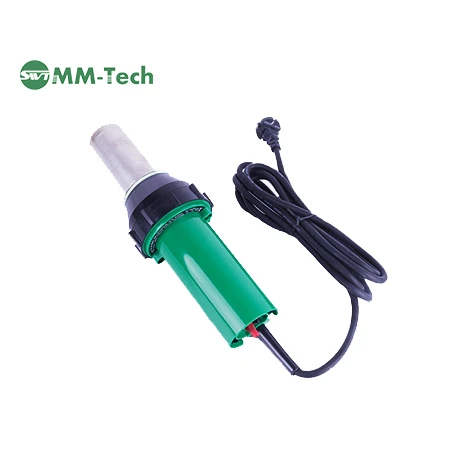
Powerful Professional Hot Air Tool SWT-NS3400A Operation Guide
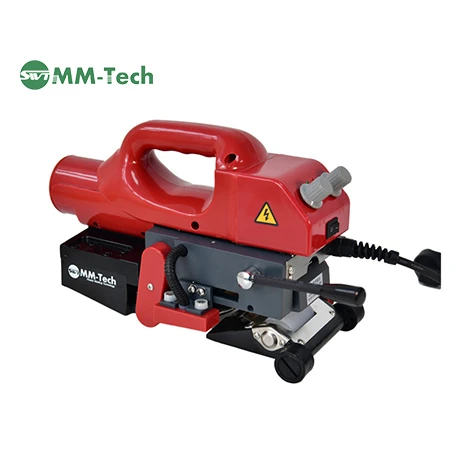
Geo Hot Wedge Welder SWT NS800 Operation Guide
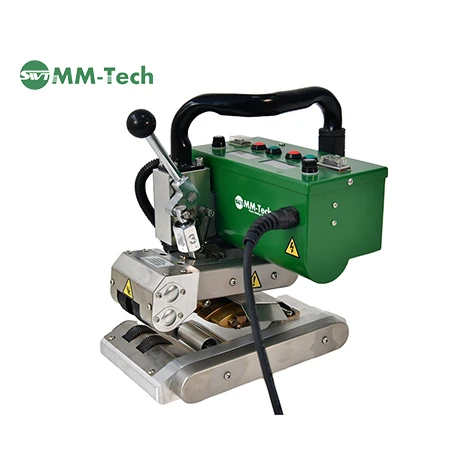
Compact HDPE Hot Wedge Welding Machine SWT-NSGM1 Operation Guide
Related News
2026-04-16 03:09:36
Improve Production Quality Using an Inline Coil Tester System
In the high-precision world of electrical component manufacturing, ensuring the integrity of every single wind is critical. An inline coil tester serves as the ultimate guardian of quality, integrating seamless testing directly into the production line. By detecting defects in real-time, manufacturers can eliminate the risk of faulty coils reaching the assembly stage, thereby reducing waste and protecting brand reputation. Whether you are producing inductors, transformers, or specialized electromagnets, implementing a robust testing strategy is no longer optional—it is a competitive necessity. This guide explores how inline testing transforms efficiency and precision in modern workshops.
2026-04-09 03:15:45
Industrial Leak Detection Using Electronic Spark Tester Guide
In the world of industrial maintenance and pipeline integrity, identifying microscopic leaks can be a daunting challenge. An electronic spark tester serves as a critical diagnostic tool, allowing technicians to pinpoint holidays—tiny pinholes or discontinuities in protective coatings—that are invisible to the naked eye. By applying a high-voltage current to the coating, these devices create a visible spark where the coating is compromised, ensuring that assets are fully protected against corrosion. In this guide, we will explore how this technology works and why it is indispensable for maintaining long-term structural safety.
2026-04-07 03:06:14
Enhancing Weld Quality with a Versatile Dynamic Spark Tester
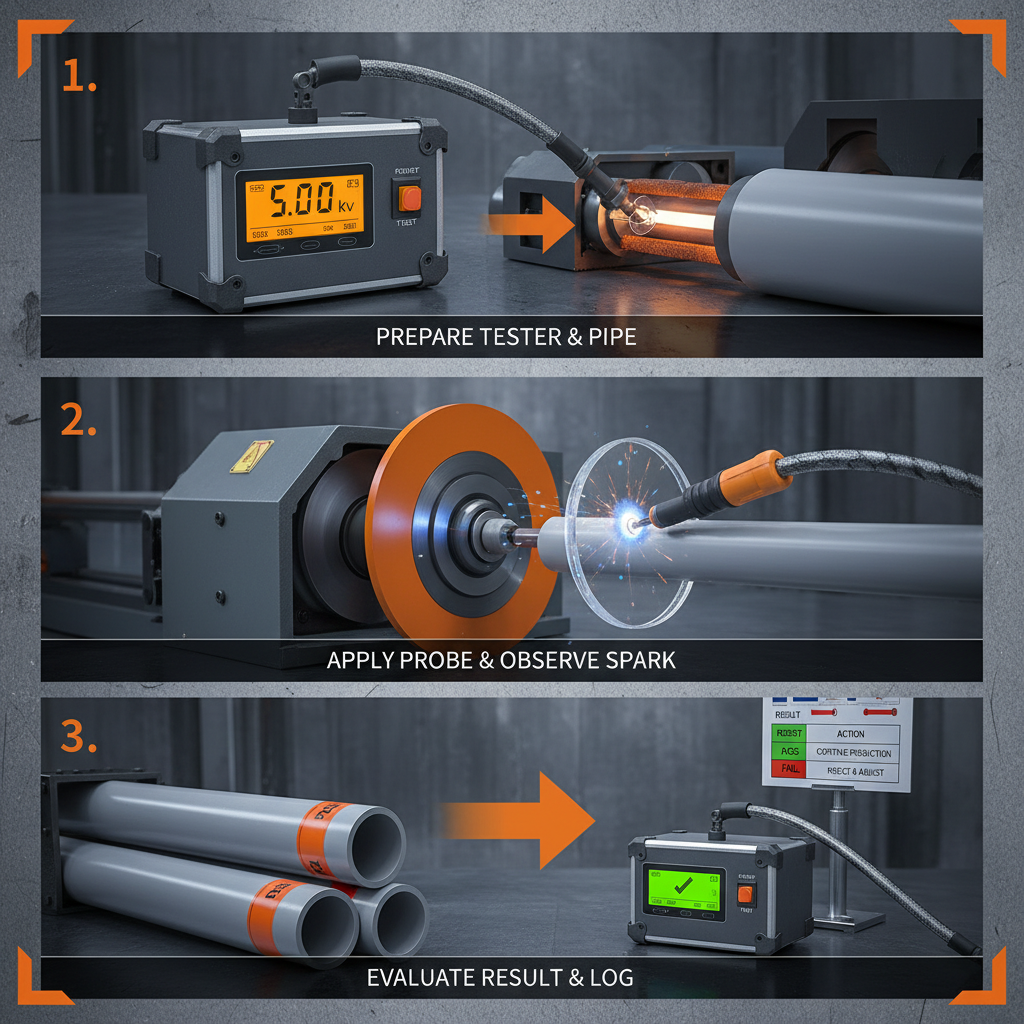
In the realm of welding and fabrication, ensuring the quality and integrity of welds is paramount. A dynamic spark tester is an indispensable tool for quickly and reliably assessing weld quality. This article will delve into the functionality, benefits, applications, and considerations when selecting a dynamic spark tester, particularly focusing on how Aqua Fusion Welder's offerings meet industry demands. We’ll explore how this crucial piece of equipment can enhance your quality control processes and reduce costly rework.
2026-04-04 03:16:07
Understanding the Power of a Digital Spark Tester for Weld Quality Assurance
In the realm of welding, particularly fusion welding, ensuring the integrity of the weld is paramount. A reliable method for quickly verifying weld quality is crucial for efficiency, safety, and cost-effectiveness. A digital spark tester offers a non-destructive testing solution, providing immediate feedback on weld penetration. This article will explore the benefits, applications, and key considerations when selecting a digital spark tester, especially concerning Aqua Fusion Welder's offerings. Effective weld quality control is not merely a best practice; it's a necessity for ensuring long-lasting, dependable results.
2026-03-31 03:08:14
Understanding and Utilizing a Calibrated Spark Tester for Quality Welding
In the realm of welding, ensuring quality and safety is paramount. A crucial tool for achieving this is the calibrated spark tester. This device is vital for verifying the correct settings on a hot gas welding machine, ensuring consistent and reliable welds. This article delves into what a calibrated spark tester is, how it works, its importance in various applications, choosing the right tester, maintenance best practices, and safety precautions. We’ll explore its role in optimizing welding processes and upholding industry standards.
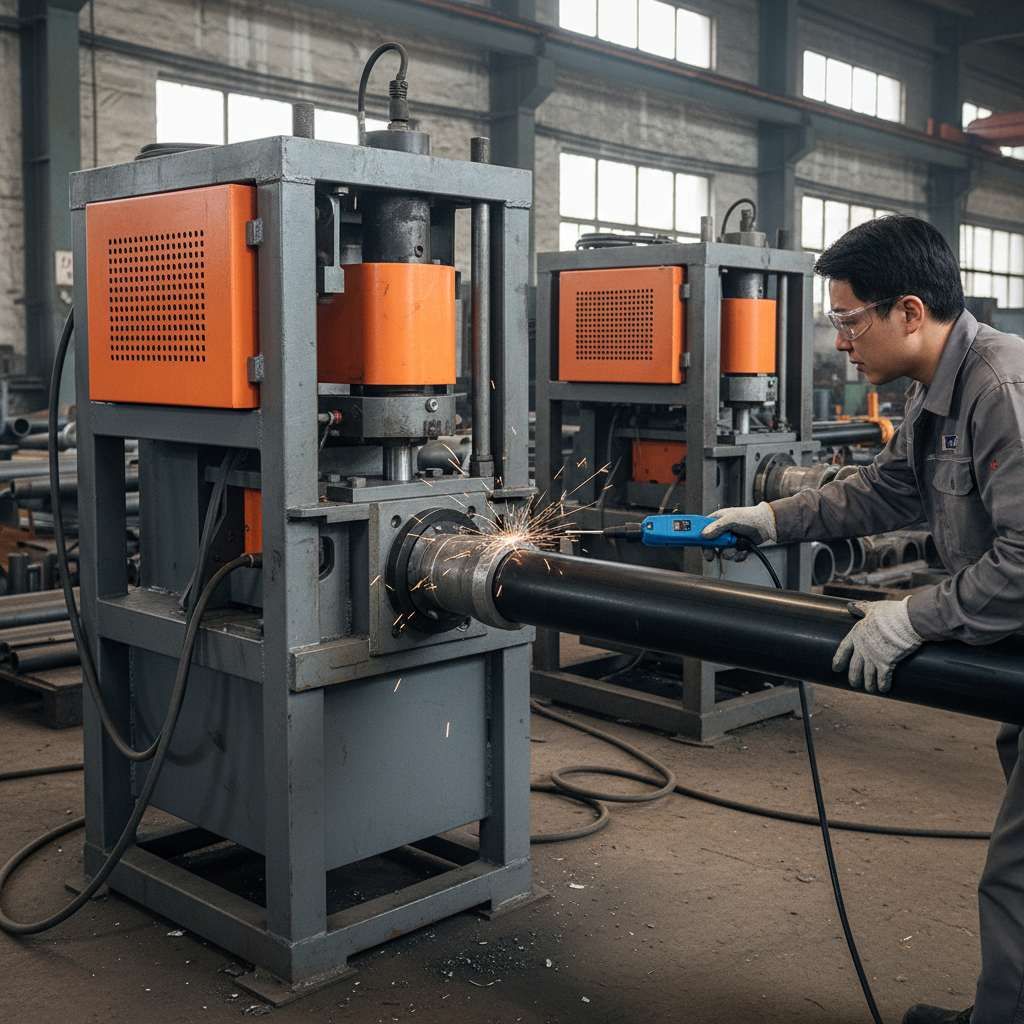
2026-03-28 03:25:06
Comprehensive Guide to the Blue Point Spark Tester for Welding Optimization
When dealing with gas metal arc welding (GMAW) and flux-cored arc welding (FCAW), ensuring a proper arc and consistent weld quality is critical. The Blue Point Spark Tester is an invaluable tool for verifying proper electrical connections and detecting potential issues before welding begins. This article provides a detailed overview of the Blue Point Spark Tester, its functionality, applications, and how it can improve your welding outcomes. Investing in a reliable spark tester like this can save time, materials, and ensure a higher quality of weld.
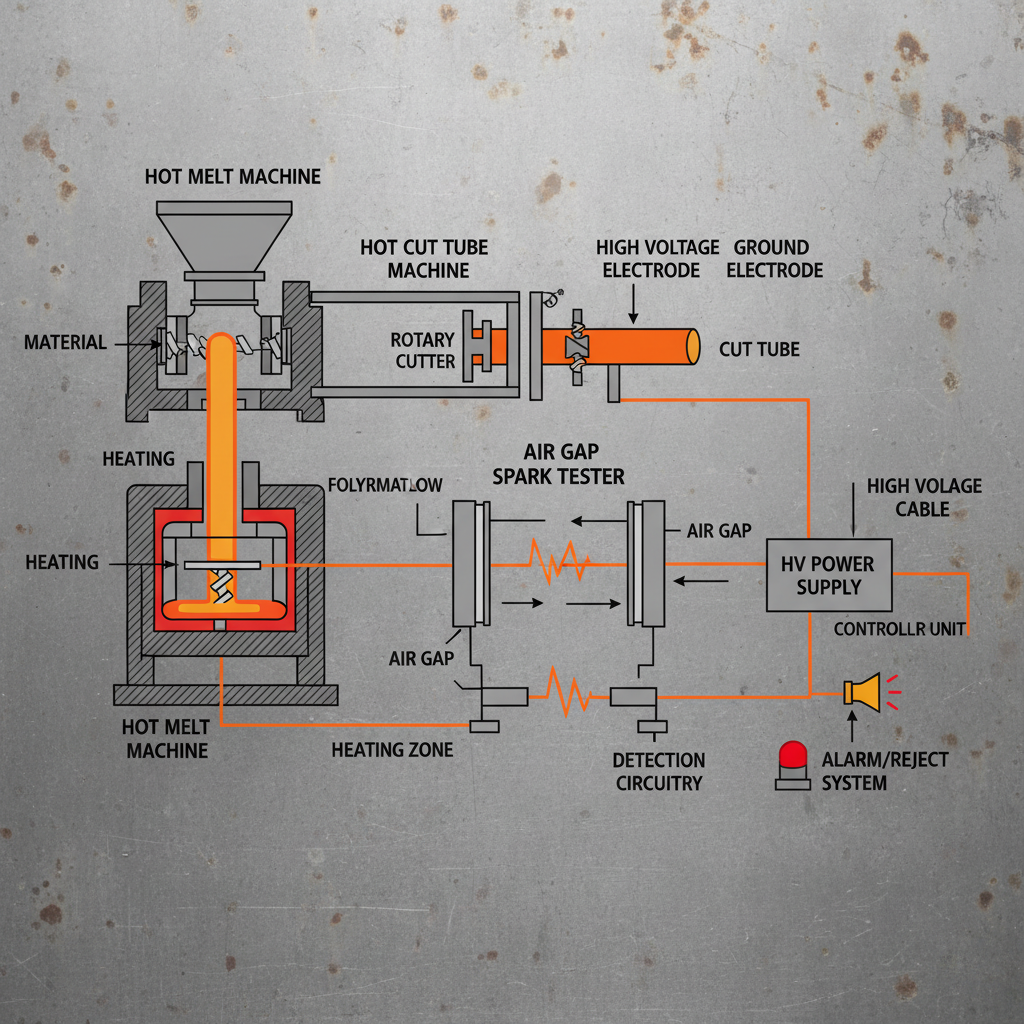
2026-03-26 03:15:05
Comprehensive Guide to Air Gap Spark Tester Applications and Selection
In the realm of welding and metal fabrication, ensuring the quality and integrity of welds is paramount. An air gap spark tester is a vital tool for non-destructive testing, allowing professionals to quickly and accurately identify potential issues in welds. This article provides an in-depth exploration of air gap spark testers, their applications, benefits, and considerations for choosing the right model. From quality control to safety, understanding this technology is crucial for maintaining high standards in your welding processes. Aqua Fusion Welder provides high-quality solutions for all your welding testing needs. An air gap spark tester, also known as a porosity tester, is a device used to detect the presence of air gaps, porosity, or incomplete fusion in welds. It works by applying a high-voltage electrical discharge across the weld surface. If flaws exist, the spark will travel through the air gap, producing a visible arc and indicating a defect. This provides a quick and efficient method for identifying potential weaknesses that could compromise the weld's structural integrity.
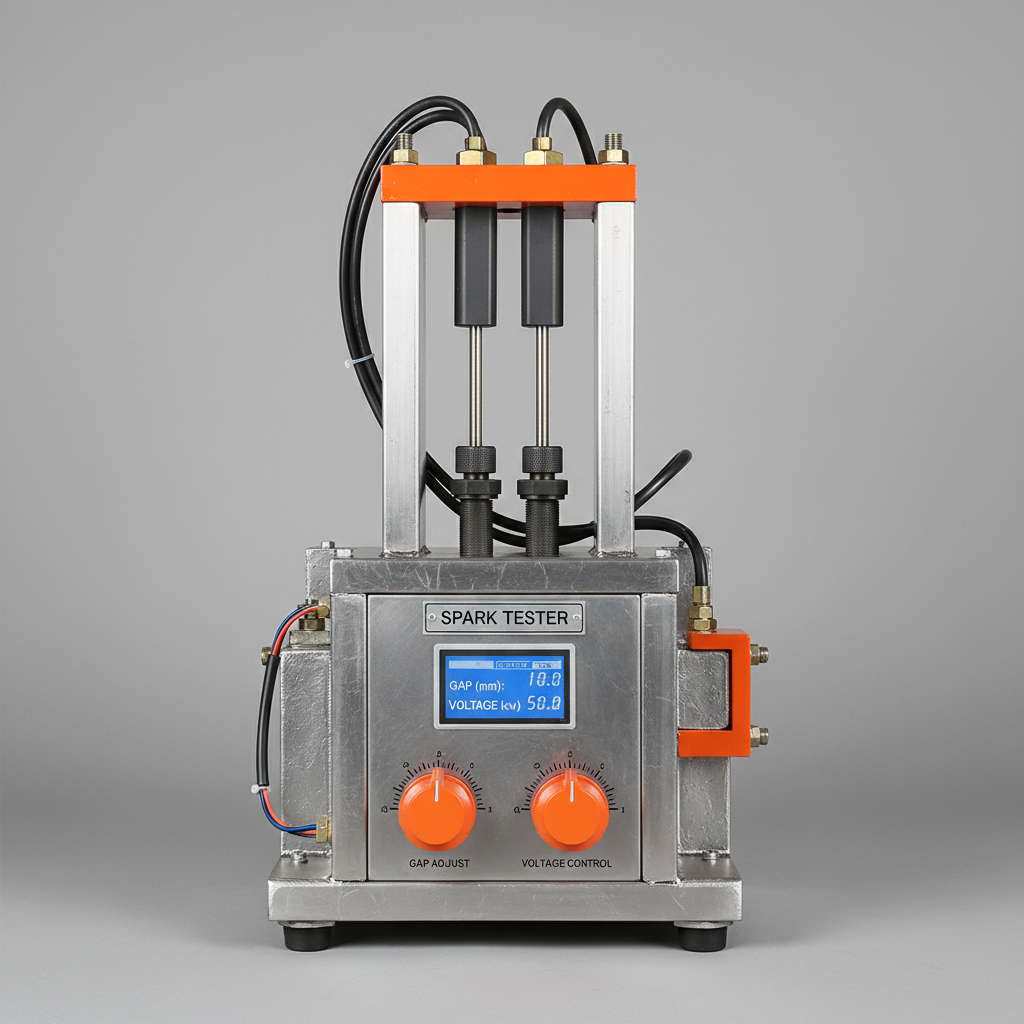
2026-03-24 03:17:19
Comprehensive Guide to the Adjustable Gap Spark Tester for Weld Quality Assurance
The adjustable gap spark tester is an essential tool for quality control in welding applications, particularly for polyethylene (PE) and polypropylene (PP) piping systems. This article dives deep into its functionality, benefits, applications, and why choosing a reliable tester like those from Aqua Fusion Welder is critical for ensuring weld integrity. Properly assessing weld quality prevents costly failures and maintains the long-term reliability of critical infrastructure. Let's explore the core principles and advantages of using an adjustable gap spark tester. An adjustable gap spark tester is a non-destructive testing (NDT) device used to identify gaps or voids within a weld. It operates on the principle of high voltage discharge. When a high voltage is applied across the weld, it arcs across any gaps or imperfections, creating a visible spark. The size of the adjustable gap determines the sensitivity of the test; a smaller gap detects smaller flaws.
SUBSCRIBE NEWSLETTER
Dear customer, thank you for your attention! We provide high-quality machinery and equipment and look forward to your orders. Please inform us of your needs and we will respond quickly!






 English