
-
 Email:news@peweldingmachine.com;sales2@peweldingmachine.com
-
 +86-137 3974 5191
-
 Add:
NO.355,Youyi Street,Qiaoxi District,Shijiazhuang,Hebei,China.



Industrial Hot Air Gun: Essential Tool for Precision Heating & Manufacturing

Industrial Hot Air Gun: Essential Tool for Precision Heating & Manufacturing
Dec . 01, 2025 12:35
Why Industrial Hot Air Guns Matter in Today’s World
Industrial hot air guns might not steal the spotlight like some flashy tech, but they quietly power a surprising range of industries worldwide. For anyone who’s ever peeled a stubborn sticker, shrunk packaging film, or tackled precision soldering, these tools are invaluable. But their utility goes deeper: from large factory floors to disaster relief zones, understanding the role industrial hot air guns play can reveal a lot about modern production efficiency and even humanitarian responses.
Why does this matter globally? According to ISO standards and industry reports, reliable heating tools like industrial hot air guns reduce waste, improve safety, and boost productivity. They make processes faster without sacrificing precision. And in a world that increasingly demands sustainable manufacturing and quick repairs, these devices fit right in.
Mini takeaway: Although small and often unseen, industrial hot air guns have a hand in making manufacturing smoother and emergency responses swifter worldwide.
Global Context: Facing Industrial Challenges with Practical Heat Tools
Industrial production is evolving at an unprecedented clip. The World Bank notes rapid growth in manufacturing hubs across Asia, Latin America, and Africa. These regions increasingly rely on flexible tools that can adapt to different materials and conditions — enter the industrial hot air gun.
Yet, challenges abound: processors face difficulties with inconsistent material quality, energy costs, and worker safety. Effective temperature control is crucial, particularly in sectors like electronics assembly or packaging. Industrial hot air guns help bridge these gaps by providing a controlled stream of hot air without direct flame, reducing hazards while accelerating workflows.
Mini takeaway: In an expanding global market, industrial hot air guns address real problems like safety and efficiency in manufacturing and repair.
What Is an Industrial Hot Air Gun?
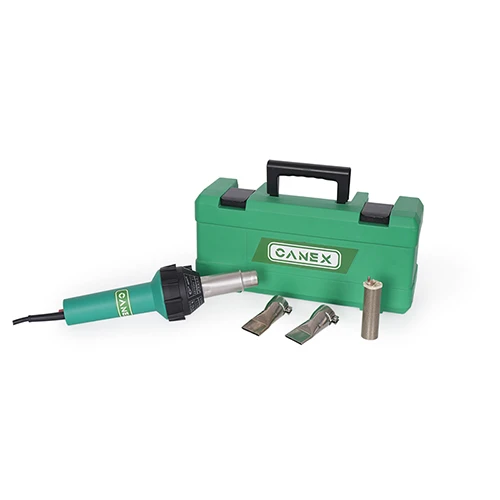
Simply put, an industrial hot air gun is a handheld device that emits a stream of hot air at controlled temperatures. Unlike a household hairdryer, these guns can reach much higher temperatures — up to around 650°C (1200°F) — and often come with adjustable airflow and nozzle attachments.
Connected deeply to modern industry, these tools are found in assembly lines, automotive shops, and even humanitarian settings, where they aid in plastic welding, paint stripping, shrink-wrapping, and more. They offer a flameless, precise alternative to open flames or ovens, reducing risk and increasing versatility.
Mini takeaway: Industrial hot air guns are powerful, precision heating tools critical for a variety of technical and practical tasks.
Core Components to Consider
1. Temperature Range and Control
The efficiency of an industrial hot air gun largely depends on its ability to reach and maintain specific temperatures, often between 100°C and 650°C. Many models have digital controls or stepless dials to adjust heat output, crucial for delicate materials that might melt or burn easily.
2. Airflow and Nozzle Versatility
Adjustable airflow helps direct heat precisely where needed. Swappable nozzles—such as flat, concentrator, or reflector types—mean operators can tailor the heat spread for different tasks, whether shrinking tubing or drying coatings.
3. Durability and Build Quality
Given the rugged environments they operate in, industrial hot air guns are designed with robust housings, often with heat-resistant plastics or metals. Some models include thermal cutoffs to prevent overheating, extending tool lifespan and safety.
4. Portability and Ergonomics
Most are handheld and lightweight, but design details like grip shape, trigger style, and cord length can impact operator comfort during prolonged use — obviously a big deal on factory floors.
Mini takeaway: When investing in an industrial hot air gun, consider temperature accuracy, airflow options, durability, and user comfort as essential factors.
Global Applications & Use Cases
From automotive manufacturing in Germany’s industrial belt to electronics assembly lines in Southeast Asia, industrial hot air guns serve many purposes. In post-disaster relief efforts (for example, after hurricanes), they’re used for rapid plastic welding to repair shelters. Remote regions in Africa benefit from their role in solar panel assembly, helping technicians install and fix components efficiently.
Even the packaging industry relies heavily on these tools for shrinking film wraps and heat sealing goods, ensuring shipments arrive intact across continents.
Mini takeaway: Whether it’s high-tech factories or humanitarian operations, industrial hot air guns are versatile tools for heating, sealing, and assembling tasks worldwide.
Advantages and Long-Term Benefits
- Cost Efficiency: Faster jobs mean labor savings and less energy waste.
- Safety: A flameless, controlled heat reduces risks compared to open flames.
- Sustainability: Durable tools reduce replacement frequency and lower environmental impact.
- Innovation Enablement: Allows new manufacturing techniques like plastic welding and controlled material shaping.
Besides the logical benefits, there’s an emotional layer: workers feel safer and more confident using tools that don’t “flare up” unexpectedly. Innovation brings pride, and trust in reliable equipment builds morale.
Mini takeaway: Industrial hot air guns combine practical savings with intangible benefits like worker safety and innovation.
The Future of Industrial Hot Air Guns: Trends & Innovations
The industry is gently shifting toward greener and smarter tools. Expect more hot air guns powered by energy-efficient heating elements, or rechargeable battery models offering cordless freedom (finally!). Integration with sensors and IoT could allow automatic temperature adjustments based on material feedback — reducing errors and waste.
Materials advances mean lighter but tougher housings, and digital interfaces let users save presets for specific jobs, making workflow smoother. These tools are also starting to appear in automated robotic stations, bringing precision heating into Industry 4.0 factories.
Mini takeaway: Upcoming advances will blend energy efficiency, digital control, and ergonomics in next-gen industrial hot air guns.
Challenges and Solutions
A few hitches remain. Heat consistency over long use can falter; lower-end models overheat; operators sometimes struggle with noisy fans or bulky designs. Not every unit is easy to repair either — which can stall production unexpectedly.
Luckily, many manufacturers improve these by upgrading electric components, adding thermal cutoffs, and designing modular parts for easier maintenance. Training operators carefully also cuts misuse, increasing tool longevity.
Mini takeaway: Understanding and addressing limitations in design and use fosters better industrial hot air gun reliability.
Product Specification Table
| Feature | Standard Model A1000 | Pro Model X500 |
|---|---|---|
| Temperature Range | 100°C – 550°C | 80°C – 650°C (Digital control) |
| Airflow Control | Fixed | Stepless adjustment |
| Weight | 750g | 680g |
| Safety Features | Thermal fuse | Thermal fuse + overheat sensor |
| Cord Length | 2.5 meters | 3 meters |
Comparing Industrial Hot Air Gun Vendors
| Vendor | Product Range | Warranty | Customer Support | Price Range |
|---|---|---|---|---|
| BrandHeat | Basic to Pro Levels | 2 years | 24/7 phone and online | $60–$180 |
| ThermoPro Tools | Wide, includes cordless | 3 years | Online ticket system, email | $90–$220 |
| HeatWeld Inc. | Specialized welding tools | 1 year | Phone support business hours | $150–$250 |
Frequently Asked Questions About Industrial Hot Air Guns
Q1: What makes an industrial hot air gun better than a regular heat gun?
Industrial hot air guns offer higher temperature control, more durable build suitable for long production cycles, and adjustable airflow/nozzle options that regular heat guns often lack. They’re designed for industrial environments where precision and safety matter more, so you get reliable and consistent performance on tougher tasks.
Q2: Can I use an industrial hot air gun for electronics soldering?
Absolutely. Many industrial hot air guns support delicate soldering because they allow precise temperature settings and focused airflow. Just make sure the model you pick offers fine control and appropriate nozzles, so you don’t risk damaging sensitive components.
Q3: How do I maintain my industrial hot air gun to ensure it lasts?
Regularly clean the air intake vents, avoid overheating by not running at maximum temperature unnecessarily, and inspect the power cord for damage. Using the tool with the right nozzle and proper storage after use also extends its life significantly.
Q4: Are industrial hot air guns energy efficient?
Many modern models are designed with energy-saving features like rapid heat-up and thermal cutoffs to prevent waste. However, efficiency varies by brand and model, so consider energy specs if sustainability is a priority for your operations.
Conclusion: Why Investing in an Industrial Hot Air Gun Pays Off
In the long run, these heating tools are economic, safe, and versatile workhorses. Whether you're assembling electronics down the street or providing rapid repairs after natural disasters, industrial hot air guns help you get the job done faster and cleaner. Their ability to evolve with renewable energy trends and digital controls also means they’ll remain relevant in the near future.
Ready to upgrade your toolkit? Visit our website for the latest selections and expert advice on industrial hot air guns.
References

Related Products
Related Video

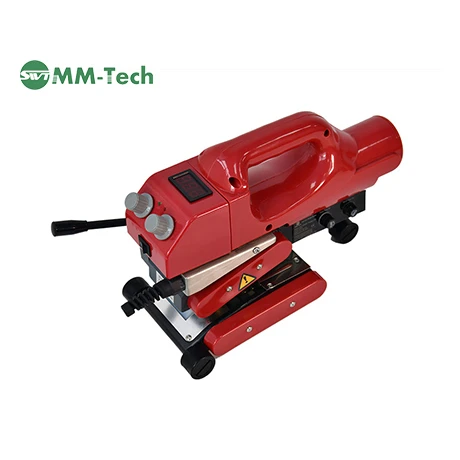

Geo Hot Wedge Welder With Digital Display SWT NS800D Operation Guide
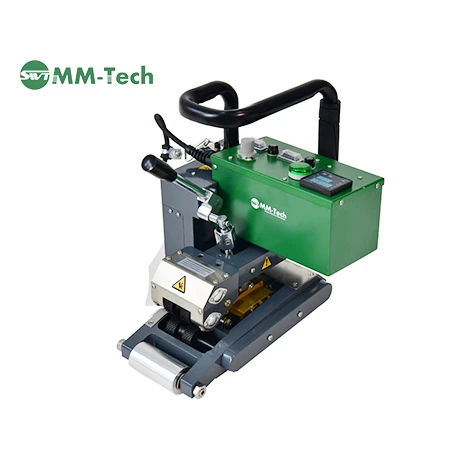
Heavy-Duty Geo Hot Wedge Welder SWT-NS900 Operation Guide
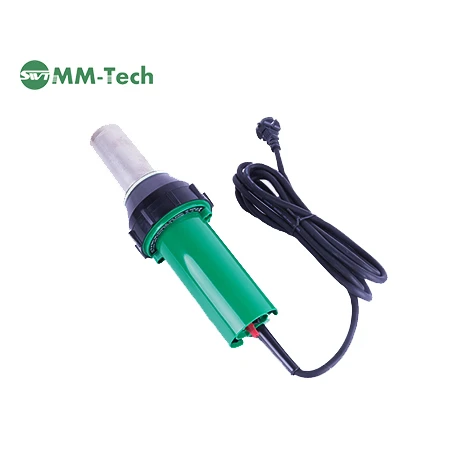
Powerful Professional Hot Air Tool SWT-NS3400A Operation Guide
Geo Hot Wedge Welder SWT NS800 Operation Guide
Compact HDPE Hot Wedge Welding Machine SWT-NSGM1 Operation Guide
Related News

2026-07-01 09:39:14
Industrial Guide to Using a Mechanical Line Leak Detector
Maintaining the structural integrity of thermoplastic pipelines is critical for environmental protection and operational efficiency. A high-precision mechanical line leak detector is an indispensable tool for detecting failures in geomembrane liners and plastic piping systems. Whether dealing with sewage treatment plants, landfills, or water conservancy projects, ensuring a leak-free seal prevents hazardous contamination and costly repairs. In this guide, we will explore how advanced detection combined with professional welding equipment ensures the highest standards of industrial waterproofing.

2026-06-29 16:57:32
Professional Leak Detector AS for Geomembrane Weld Integrity
Maximizing Weld Integrity with a Professional Leak Detector AS In the realm of environmental protection and geosynthetic installation, ensuring the absolute sealing of geomembrane seams is not just a quality requirementit is a critical safety mandate. A high-precision leak detector as air pressure tester serves as the primary tool for validating the integrity of double-track welds. By monitoring pressure changes within the closed air cavity of a weld, operators can definitively determine if a seam is airtight or if it requires immediate repair. This process prevents catastrophic leaks in landfills, mining ponds, and water containment systems, ensuring long-term environmental security.

2026-06-27 17:37:57
Industrial PVC Leak Detection with Fluorescent Leak Finder K
Maximizing Pipeline Integrity with the Fluorescent Leak Finder K In the demanding world of environmental protection and geosynthetic welding, maintaining a leak-proof seal is not just a quality requirementit is a critical safety mandate. The fluorescent leak finder k offers an advanced diagnostic solution for detecting microscopic breaches in PVC and HDPE liners. By leveraging ultraviolet fluorescence, this tool allows technicians to visualize leaks that are invisible to the naked eye, ensuring that industrial containment systems remain secure. Whether you are dealing with rigid uPVC or flexible PVC membranes, precision in leak detection is the only way to prevent catastrophic environmental contamination.

2026-06-26 16:41:41
Guide to Analyzing Electronic Leak Detector Price and Quality
Analyzing Electronic Leak Detector Price: A Guide to Choosing the Right Equipment In the realm of environmental protection and geosynthetic engineering, ensuring the integrity of waterproof membranes is critical. Whether you are dealing with landfills, sewage treatment plants, or water conservancy projects, the ability to pinpoint a breach is essential. Understanding the electronic leak detector price involves more than just looking at a tag; it requires an analysis of precision, durability, and the specific materials being tested, such as HDPE or PVC. Investing in high-quality detection equipment prevents catastrophic environmental leaks and reduces long-term maintenance costs for civil engineering projects.

2026-06-25 18:38:39
High Precision Intake Leak Tester for Engine Diagnostics
Ensuring Precision Performance with an Intake Leak Tester In the world of high-precision manufacturing and engine diagnostics, identifying microscopic air leaks is critical for operational efficiency. An intake leak tester serves as an essential diagnostic tool, ensuring that vacuum systems and air intake manifolds maintain a perfect seal. Whether in the automotive sector or specialized machinery production, even a pinhole leak can lead to poor combustion, reduced power, and increased emissions. By implementing a rigorous testing protocol, manufacturers can guarantee that every unit leaving the assembly line meets the highest quality standards, reducing warranty claims and enhancing brand reputation.

2026-06-23 07:06:21
Industrial Leak Detection and Spark Tester Working Principle
Understanding the Spark Tester Working Principle for Leak Detection In the world of industrial lining and coating, ensuring a seamless, holiday-free surface is critical to preventing corrosion and costly failures. The spark tester working principle is based on the physics of electrical insulation and dielectric breakdown. By applying a high-voltage current to a non-conductive coating, operators can pinpoint microscopic holesknown as holidaysthat would otherwise be invisible to the naked eye. Whether you are protecting underground pipelines or industrial tanks, understanding how these devices operate is the first step toward maintaining structural integrity and extending the lifespan of your assets.

2026-06-21 07:06:37
Industrial Guide to Choosing a Professional oem spark tester
The Ultimate Guide to Choosing an OEM Spark Tester for Industrial Precision In the world of automotive diagnostics and industrial electrical maintenance, precision is non-negotiable. An oem spark tester serves as a critical tool for technicians to verify ignition system integrity and ensure that spark plugs are firing correctly. Whether you are a distributor looking for white-label solutions or a workshop aiming for factory-standard diagnostics, understanding the nuances of Original Equipment Manufacturer OEM specifications is key. This guide explores how the right testing equipment can reduce downtime, prevent engine damage, and optimize performance across various machinery.

2026-06-20 07:06:15
Professional Spark Tester Supplier for Industrial Lining Integrity
Finding the Right Spark Tester Supplier for Industrial Lining Integrity Ensuring the integrity of protective coatings and linings is critical in industries dealing with corrosive chemicals and hazardous materials. To achieve this, partnering with a professional spark tester supplier is essential for obtaining high-precision holiday detection equipment. A spark tester, also known as a holiday detector, identifies holidays or pinholes in non-conductive coatings that could lead to catastrophic structural failure. By selecting a supplier that offers both technical expertise and robust hardware, companies can safeguard their assets and maintain strict safety compliance. In this guide, we will explore how to evaluate suppliers
SUBSCRIBE NEWSLETTER
Dear customer, thank you for your attention! We provide high-quality machinery and equipment and look forward to your orders. Please inform us of your needs and we will respond quickly!






 English