
-
 Email:news@peweldingmachine.com
-
 +86-137 3974 5191
-
 Add:
Add:NO.355,Youyi Street,Qiaoxi District,Shijiazhuang,Hebei,China.



Micro Heat Gun: Precision Heating Tools for Modern Electronics & Industrial Use

Micro Heat Gun: Precision Heating Tools for Modern Electronics & Industrial Use
Nov . 30, 2025 18:40
Understanding the Micro Heat Gun: Power, Precision, and Practicality
At first glance, a micro heat gun might sound like just a tiny gadget, but its impact stretches across global industries and even lifesaving scenarios. Whether you’re a technician repairing circuit boards, an artisan shaping delicate materials, or part of a humanitarian team restoring equipment in disaster zones, this tool's role matters more than you’d think. Grasping what micro heat guns do — and why they matter — unlocks new possibilities for innovation and efficiency worldwide.
The Rising Significance of Micro Heat Guns in Today’s World
Globally, precision tools like micro heat guns have gained serious traction, particularly with the rise of electronics manufacturing and microfabrication. According to the International Electrotechnical Commission (IEC), the electronics sector alone is forecasted to grow over 5% annually, signaling increasing demand for highly controlled tools.1 Beyond industry, environmental and humanitarian efforts are leveraging compact heat tools to repair, retrofit, or salvage sensitive equipment in challenging environments.
Why is this relevant? Because traditional heat guns are often too bulky or heavy-handed for tiny components or confined spaces. The micro heat gun fills that niche perfectly, offering technicians a fine-tuned temperature control within a compact design. This diminishes accidental damage and expands operational flexibility.
What Exactly Is a Micro Heat Gun?
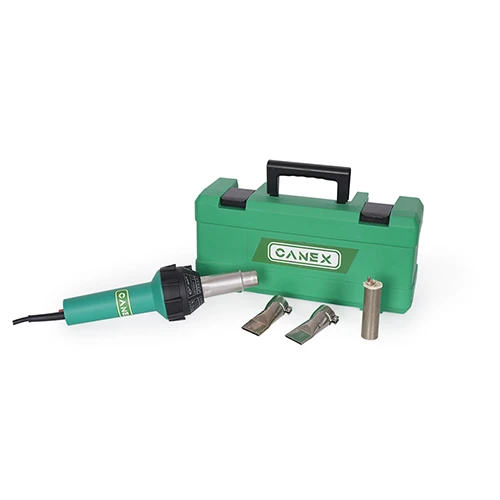
In essence, a micro heat gun is a compact, electric-powered tool designed to produce a steady stream of hot air at controlled temperatures—usually in the range of 100°C to 500°C. Unlike standard heat guns, micro heat guns focus on precision and size, allowing operators to target microscopic or sensitive parts without overheating adjacent areas. Think of it as the “scalpel” of heat application tools.
These tools are invaluable in fields like electronics repair, small-scale industrial manufacturing, and even conservation work, where delicate heat treatment can save fragile artworks or scientific instruments.
Core Components That Make Micro Heat Guns Reliable
1. Precision Temperature Control
One of the main attractions is the gun’s ability to precisely dial in temperatures, often with digital displays or variable dials. This ensures you’re not guessing — you get exactly the heat you need, no more, no less.
2. Compact, Ergonomic Design
In tight repair shops or tight electrical panel rooms, space is at a premium. Micro heat guns typically weigh under a pound and feature ergonomic grips, making prolonged usage far less taxing on your hands.
3. Consistent Airflow Distribution
Even heat delivery avoids “hot spots” that might warp or damage delicate parts. This uniformity is key to consistent results, especially when dealing with sensitive electronics or thin plastic components.
4. Safety Features
Many models include auto shut-off, thermal cutoffs, or insulated nozzles to reduce risk — particularly important when you’re working in close proximity to flammable materials or live circuits.
5. Versatile Nozzle Attachments
Add-on nozzles help tailor the airflow pattern, from narrow streams to broader spreads, thus broadening the range of tasks your micro heat gun can handle.
Real-World Uses of Micro Heat Guns Across the Globe
From Silicon Valley electronics shops to remote humanitarian aid bases, the micro heat gun has found diverse applications:
- Electronics Assembly and Repair: Soldering tiny circuit components without damage.
- Industrial Prototyping: Shaping and bending miniature plastic parts for custom devices.
- Art and Conservation: Removing paint layers or restoring sensitive historic materials.
- Field Maintenance: In disaster relief scenarios, repairing heat-shrink tubing or wiring harnesses where recycling and quick fixes matter.
- Jewelry Making and Repairs: Controlled melting and shaping of metals and resins.
For instance, in Southeast Asia, micro heat guns are standard issue for field electrical repairs in remote industrial plants, reducing downtime in power-hungry regions. Red Cross teams also use them to expedite communication equipment repairs in harsh climates.
Why Invest in a Micro Heat Gun? Advantages That Last
Sure, a standard heat gun might cost less upfront, but the micro version brings:
- Efficiency: Faster, focused heating means fewer mistakes and less wasted time.
- Cost Savings: Reduced damage and fewer replacements save money long term.
- Safety and Peace of Mind: Features like auto shut-off protect users and materials alike.
- Sustainability: Less waste, less energy consumption—better for your budget and the planet.
- User Comfort: Lightweight design means less fatigue, better precision, and happier technicians.
There’s an emotional side too: knowing you wield a tool designed to respect delicate components feels reassuring — especially when a critical repair hangs on it.
What's Next? Innovations Steering Micro Heat Guns Forward
The future looks promising. Industry whispers frequently mention:
- Smart Heat Guns: Integration with digital controls and app connectivity, allowing remote monitoring and adaptive temperature adjustments.
- Eco-efficient Power Sources: Battery advancements enabling cordless, longer-lasting use with less environmental impact.
- Material Innovation: Nozzles made from advanced ceramics or composites for improved heat retention and durability.
- Automation: Robotic arms equipped with micro heat guns for consistent industrial manufacturing.
If you think about it, tiny tools like this often pave the way for broader digital transformation in industries that rely on precision — so, keep an eye on this space.
Challenges and Clever Workarounds
Of course, no tool is without hurdles:
- Heat Limitations: Micro heat guns can't always reach the high temperatures standard guns can, limiting some heavy-duty applications.
- Price Point: Higher upfront cost means budgeting becomes critical for smaller operations.
- Fragility: Their precision sometimes means more delicate internal parts, requiring careful handling.
However, many experts suggest pairing micro heat guns with complementary tools, investing in proper training, and choosing proven vendors with solid warranties to mitigate risks.
Micro Heat Guns: Specification at a Glance
| Specification | Typical Value | Notes |
|---|---|---|
| Temperature Range | 100°C – 500°C (212°F – 932°F) | Adjustable with digital or analog controls |
| Power Output | 150W – 300W | Sufficient for small tasks |
| Weight | 0.45 – 0.9 kg (1-2 lbs) | Ergonomic and portable |
| Nozzle Types | Various (concentrator, reflector, flat) | Customizable for tasks |
| Safety Features | Auto shut-off, thermal cutoff | Essential for safe operation |
Vendor Comparison: Selecting the Right Micro Heat Gun
| Brand | Price Range | Temperature Accuracy | Warranty | Customer Ratings (out of 5) |
|---|---|---|---|---|
| HeatPro Micro | $120 – $150 | ±2°C | 2 years | 4.5 |
| MiniHeat Elite | $100 – $130 | ±3°C | 1 year | 4.0 |
| ThermoCraft Pro | $140 – $170 | ±1.5°C | 3 years | 4.7 |
FAQs: Practical Answers to Your Micro Heat Gun Questions
- What temperature range do micro heat guns typically cover?
- Most micro heat guns operate between 100°C and 500°C, with fine adjustments possible. This range lets you tackle delicate electronics repairs or plastic shaping without overheating surroundings.
- Can I use a micro heat gun for soldering electronics?
- Absolutely! Many technicians prefer micro heat guns specifically for reflow soldering because they provide concentrated heat that reduces the risk of damaging nearby components.
- Are micro heat guns safe to use in tight spaces?
- Yes, their compact size and safety features like insulated nozzles make them ideal for confined or delicate environments, but always adhere to manufacturer guidelines and safety protocols.
- How long does a typical micro heat gun last with regular use?
- With proper care and maintenance, your micro heat gun can last several years, especially if you avoid overheating and store it correctly. Checking the warranty and customer reviews can give you a better lifespan idea per model.
- Where can I buy reliable micro heat guns?
- Trusted online retailers and specialized electronic tool vendors are good places to start. We recommend visiting our website for a curated selection tested by professionals.
Wrapping It Up: Precision Heating for a Complex World
It’s funny how such a small, often overlooked tool like the micro heat gun can make a world of difference — not only improving how professionals work but enabling innovation and sustainability across various fields. From intricate electronics to field repair kits in remote areas, its role is quietly indispensable.
For anyone who’s ever wished they had better control, more portability, or just a smarter, safer way to apply heat exactly where needed, this tool delivers all of that and more. Curious? Check out our range and get hands-on with the latest micro heat guns today.
1. International Electrotechnical Commission - IEC - https://www.iec.ch
2. Wikipedia - Heat Gun - https://en.wikipedia.org/wiki/Heat_gun
3. ISO 9001 Quality Management Systems - https://www.iso.org/iso-9001-quality-management.html

Related Products
Related Video

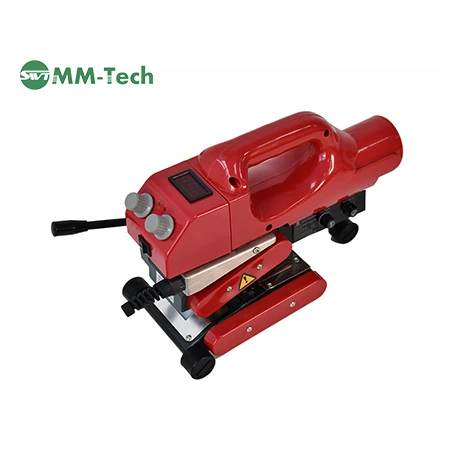

Geo Hot Wedge Welder With Digital Display SWT NS800D Operation Guide
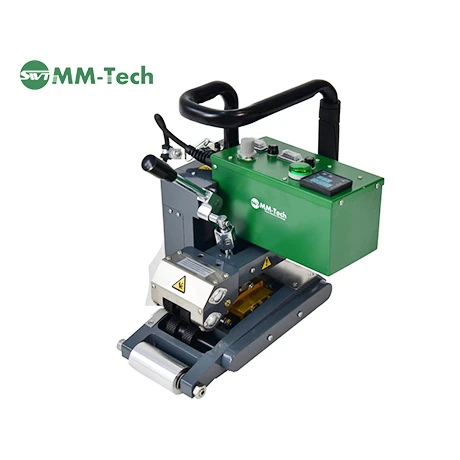
Heavy-Duty Geo Hot Wedge Welder SWT-NS900 Operation Guide
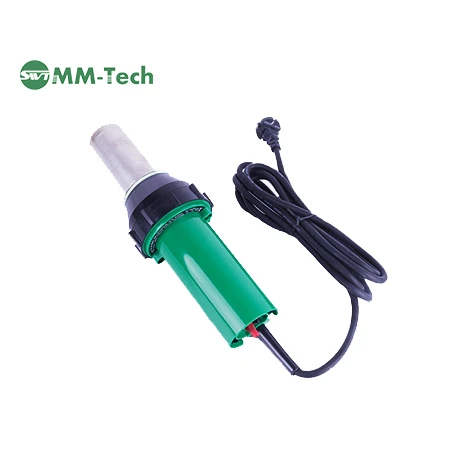
Powerful Professional Hot Air Tool SWT-NS3400A Operation Guide
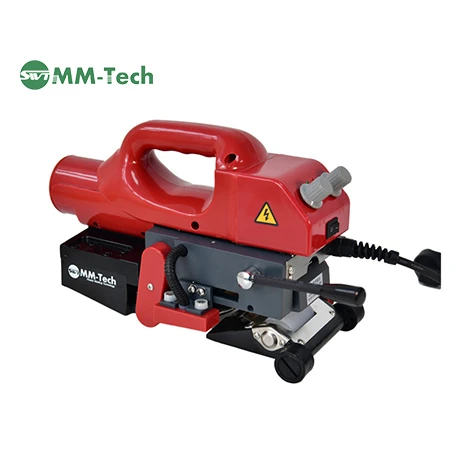
Geo Hot Wedge Welder SWT NS800 Operation Guide
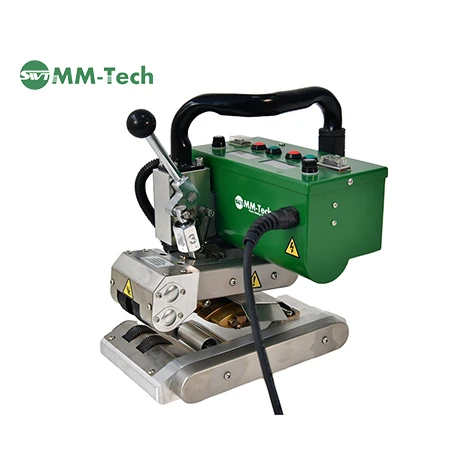
Compact HDPE Hot Wedge Welding Machine SWT-NSGM1 Operation Guide
Related News
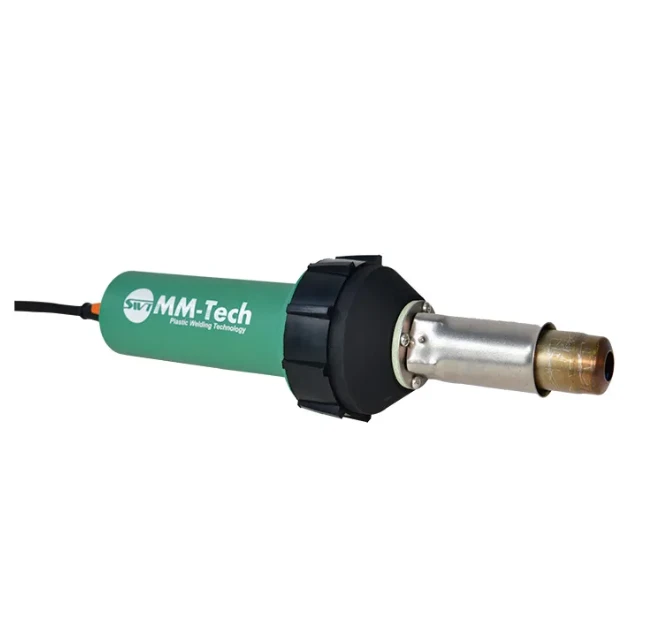
2026-04-30 17:37:47
Split-Type Hot Air Gun: The Next-Generation Welding Solution for Southeast Asia Industrial Fabrication
In the demanding industrial landscapes of Indonesia, Malaysia, and Thailand, efficiency, durability, and adaptability are the keys to staying competitive.
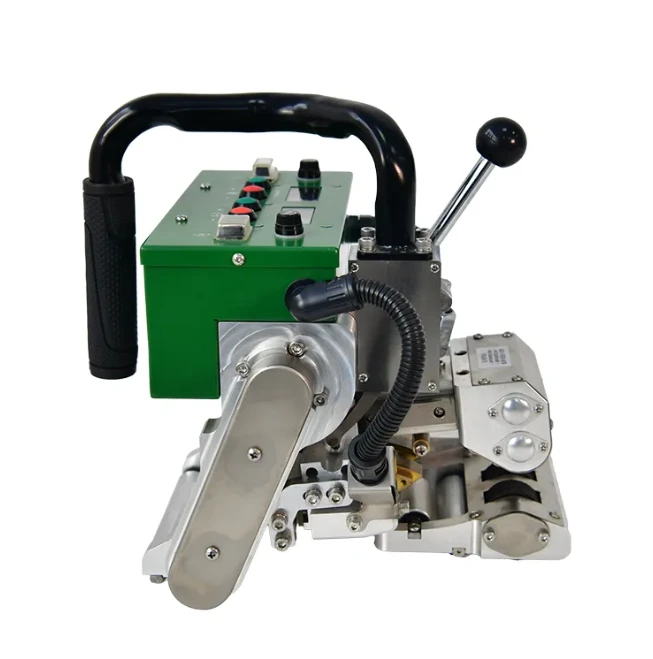
2026-04-24 16:42:25
How to Choose the Best HDPE Liner Welder for Water Conservancy in Africa: A 2026 Guide
In the arid regions of Egypt and the developing agricultural landscapes of Tanzania and Kenya, water is more than a resource—it is life. Whether you are building a massive reservoir, an irrigation canal, or a high-yield fish farm, the integrity of your HDPE liner is only as good as its seams.
2026-04-20 09:54:35
Efficient PVC/TPO Welding (0.8–1.2mm) for Advertising & Truck Curtains on a Budget
Three Functions in One Machine: Breaking Through Process Limitations. Traditional fabrication workshops often require purchasing multiple pieces of equipment to meet diverse processing needs.
2026-04-20 09:53:16
Headline: Maximizing Aquaculture Profits in Peru & Chile: The Ultimate Geomembrane Welding Solution
In the thriving aquaculture industries of Peru and Chile, the integrity of your pond liner is non-negotiable. Whether you are constructing vast square breeding reservoirs or intensive circular tanks, the quality of your seams determines your ROI.
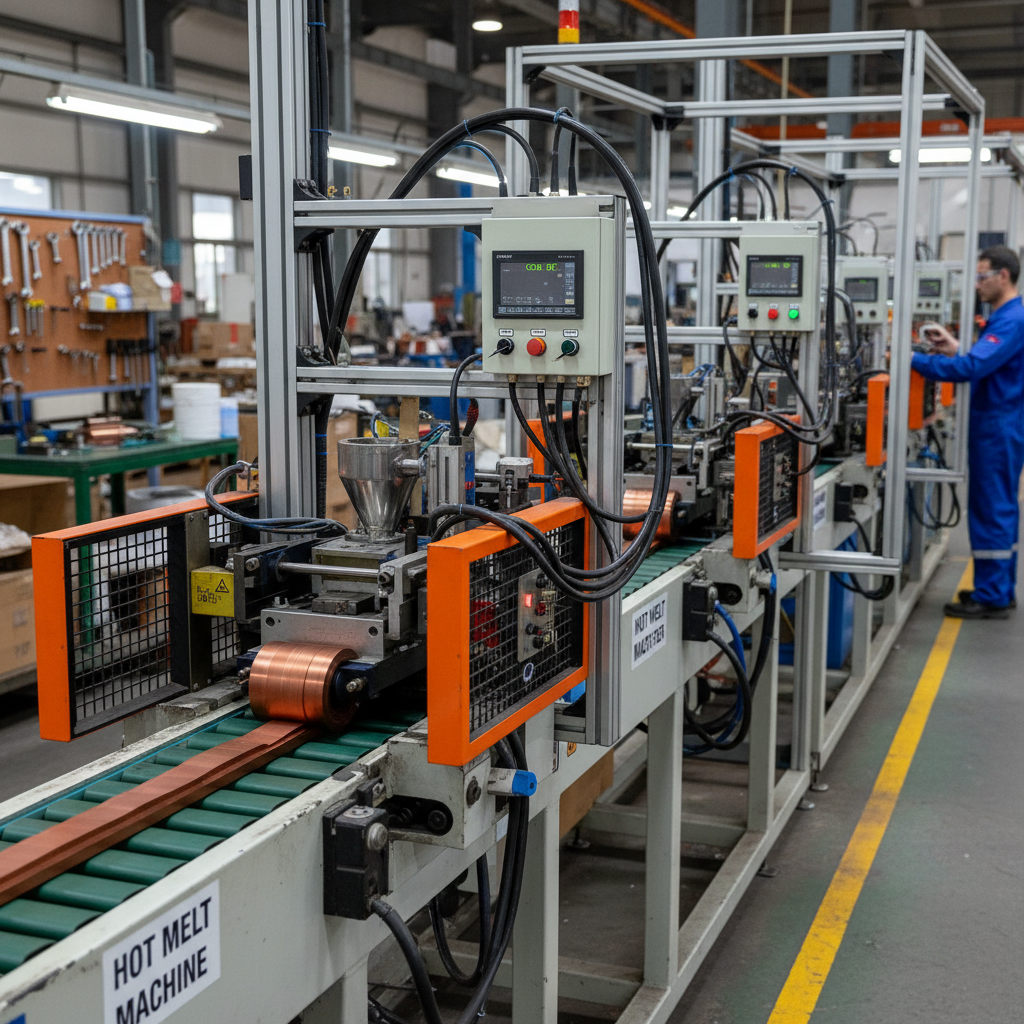
2026-04-16 03:09:36
Improve Production Quality Using an Inline Coil Tester System
In the high-precision world of electrical component manufacturing, ensuring the integrity of every single wind is critical. An inline coil tester serves as the ultimate guardian of quality, integrating seamless testing directly into the production line. By detecting defects in real-time, manufacturers can eliminate the risk of faulty coils reaching the assembly stage, thereby reducing waste and protecting brand reputation. Whether you are producing inductors, transformers, or specialized electromagnets, implementing a robust testing strategy is no longer optional—it is a competitive necessity. This guide explores how inline testing transforms efficiency and precision in modern workshops.
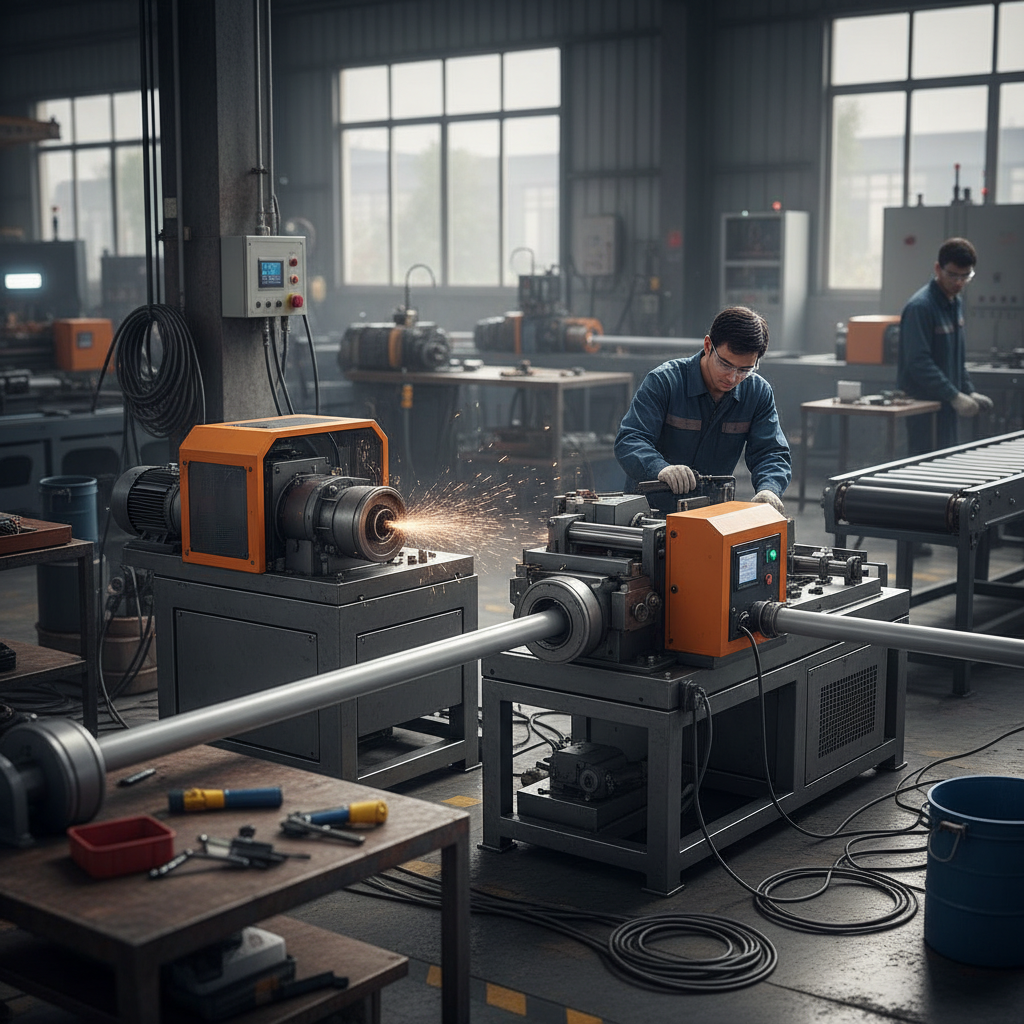
2026-04-09 03:15:45
Industrial Leak Detection Using Electronic Spark Tester Guide
In the world of industrial maintenance and pipeline integrity, identifying microscopic leaks can be a daunting challenge. An electronic spark tester serves as a critical diagnostic tool, allowing technicians to pinpoint holidays—tiny pinholes or discontinuities in protective coatings—that are invisible to the naked eye. By applying a high-voltage current to the coating, these devices create a visible spark where the coating is compromised, ensuring that assets are fully protected against corrosion. In this guide, we will explore how this technology works and why it is indispensable for maintaining long-term structural safety.
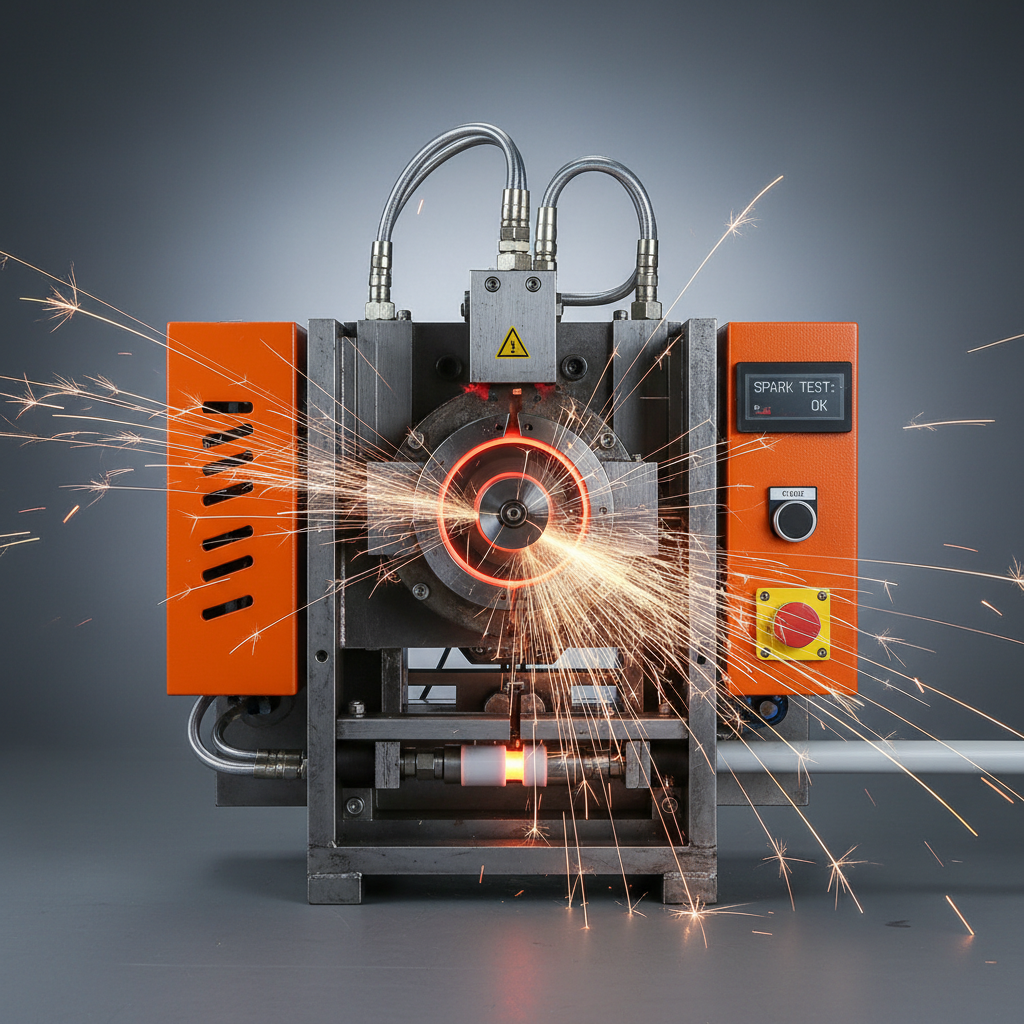
2026-04-07 03:06:14
Enhancing Weld Quality with a Versatile Dynamic Spark Tester
In the realm of welding and fabrication, ensuring the quality and integrity of welds is paramount. A dynamic spark tester is an indispensable tool for quickly and reliably assessing weld quality. This article will delve into the functionality, benefits, applications, and considerations when selecting a dynamic spark tester, particularly focusing on how Aqua Fusion Welder's offerings meet industry demands. We’ll explore how this crucial piece of equipment can enhance your quality control processes and reduce costly rework.
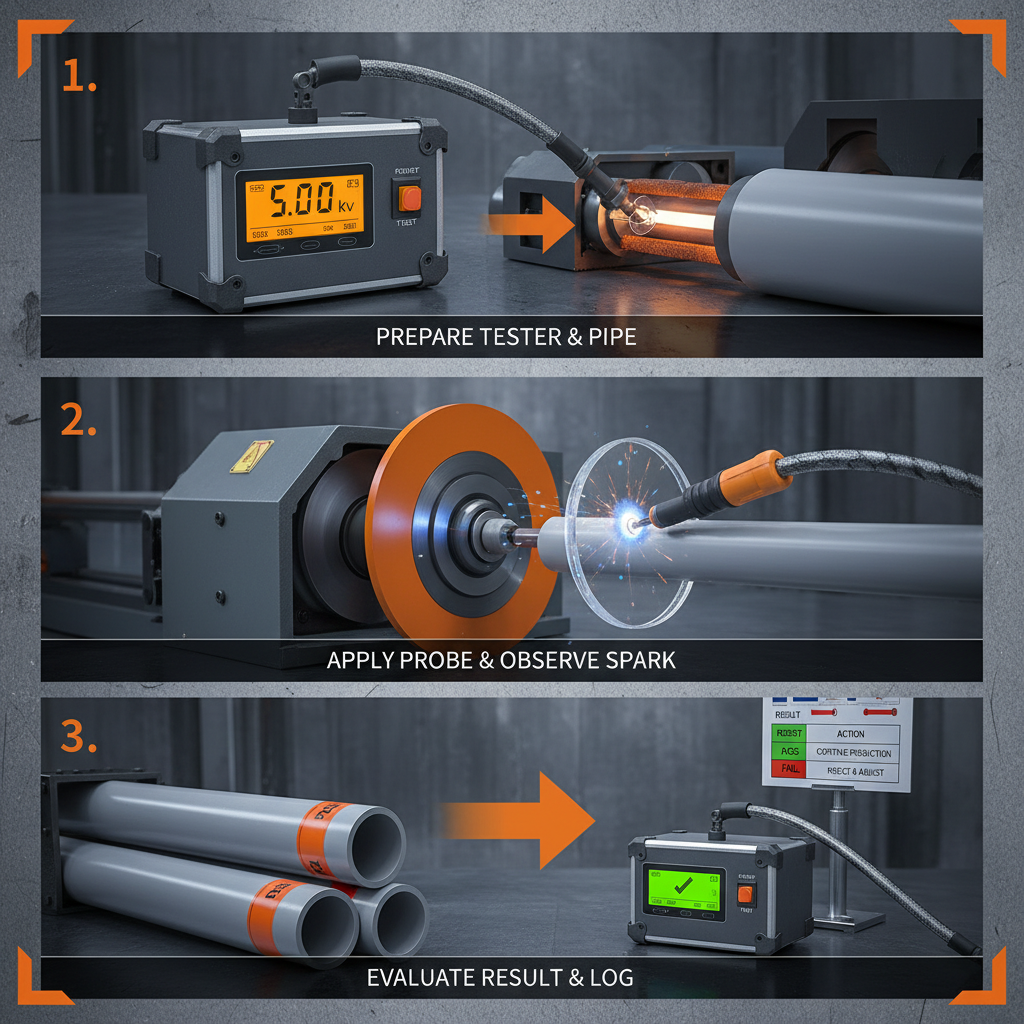
2026-04-04 03:16:07
Understanding the Power of a Digital Spark Tester for Weld Quality Assurance
In the realm of welding, particularly fusion welding, ensuring the integrity of the weld is paramount. A reliable method for quickly verifying weld quality is crucial for efficiency, safety, and cost-effectiveness. A digital spark tester offers a non-destructive testing solution, providing immediate feedback on weld penetration. This article will explore the benefits, applications, and key considerations when selecting a digital spark tester, especially concerning Aqua Fusion Welder's offerings. Effective weld quality control is not merely a best practice; it's a necessity for ensuring long-lasting, dependable results.
SUBSCRIBE NEWSLETTER
Dear customer, thank you for your attention! We provide high-quality machinery and equipment and look forward to your orders. Please inform us of your needs and we will respond quickly!






 English