
-
 Email:news@peweldingmachine.com;sales2@peweldingmachine.com
-
 +86-137 3974 5191
-
 Add:
NO.355,Youyi Street,Qiaoxi District,Shijiazhuang,Hebei,China.



Small Heat Gun for Electronics: Precise Tools for Repairs & Prototyping

Small Heat Gun for Electronics: Precise Tools for Repairs & Prototyping
Dec . 01, 2025 23:15
The Unsung Hero: Understanding the Small Heat Gun for Electronics
In a world where electronics are seemingly everywhere—from your smartwatch to the giant servers powering the cloud—tools that help maintain, repair, and innovate with these devices quietly deserve attention. One such tool, the small heat gun for electronics, is an unsung hero in workshops, factories, and even disaster relief efforts. These compact devices, sometimes called hot air guns, are specialized to offer controlled, localized heat that’s just enough to soften solder or shrink insulation without scorching sensitive components. Understanding their role isn’t just a technical curiosity—it's vital to industries that lean on precision, sustainability, and quick fixes. After all, keeping electronics alive and kicking saves resources, reduces e-waste, and keeps innovations moving forward.
Mini takeaway: The small heat gun for electronics isn't just a niche tool—it bridges industry demands and sustainability needs by enabling safe, precise heating solutions.
Global Overview: Why This Small Tool Makes a Big Difference
Globally, electronics production and repair have boomed dramatically. The ISO estimates over 1.5 billion smartphones are sold annually, and with billions of other electronic devices in circulation worldwide, the stakes for maintenance tools have never been higher. In emerging markets especially, where resources for full device replacement are scarce, the small heat gun for electronics plays a fundamental role in prolonging device life and optimizing manufacturing workflows. Data from the World Bank shows that micro and small enterprises—often dependent on affordable repair tools—make up nearly 90% of all businesses in developing economies, highlighting the geopolitical and economic importance of these tools.
However, many technicians face a challenge: how to deliver precise heat to tiny electronic parts without damage. This is exactly where small heat guns shine.
Mini takeaway: With millions of devices needing repair, precise thermal tools like small heat guns support livelihoods and reduce electronic waste on a global scale.
Breaking It Down: What Is a Small Heat Gun for Electronics?
Simply put, a small heat gun for electronics is a handheld device designed to blow hot air at controlled temperatures—usually ranging from 100°C to around 500°C—on small, delicate surfaces. Unlike industrial heat guns that can be bulky or too powerful, these compact versions focus on precise temperature control and targeted heat distribution. Electronics technicians use them primarily for tasks such as:
- Desoldering components on a PCB (printed circuit board).
- Shrinking heat shrink tubing for insulation.
- Softening adhesives or coatings.
- Drying circuit boards after cleaning.
Because excessive heat can fry circuits or deform plastics, the built-in thermostats and various nozzle attachments help balance power and precision. The idea is to apply just enough heat to get the job done, without unintended collateral damage, a principle crucial in fields including humanitarian device repair or remote maintenance.
Mini takeaway: Think of small heat guns as the surgeon’s scalpel of electronics—they provide focused heat where exactness counts.
Core Features That Matter When Choosing a Small Heat Gun for Electronics
Temperature Control and Stability
Adjustable settings matter. Many units let you dial temperatures in increments of 10–25 degrees, and some include LCD displays for precision. Stability is equally critical—temperature fluctuations can ruin components or lead to incomplete soldering.
Compact Size and Lightweight Design
Electronics repair often requires dexterity and working in tight spaces. Small, lightweight guns improve ease of handling—and reduce wrist fatigue during long projects.
Nozzle Variety
Swappable nozzles help direct airflow exactly where needed. Narrow, flat, or reflector nozzles each serve different functions, from desoldering tiny chips to evenly heating connectors.
Safety Features
Automatic shut-off for overheating and insulated handles prevent accidents, especially when you’re on a deadline or working in less-than-ideal lighting.
Power Source & Portability
Most are corded for steady power, but recent innovations include rechargeable models for on-the-go fixes—a real game-changer in remote repairs or field work where electricity isn’t always reliable.
Price and Warranty
While DIY hobbyists might opt for budget options, professional environments usually favor feature-rich models backed by warranties and reliable customer support.
Mini takeaway: The best small heat gun for electronics balances precise temperature control, ergonomics, and safety without breaking the bank.
Real-World Applications: Where and How This Tool Changes the Game
Consider a small tech repair shop in Nairobi, Kenya. With limited resources to import costly replacement parts, technicians rely heavily on precise heating tools to rescue smartphones, tablets, and circuit boards—turning what might seem like junk into usable devices. Similarly, in post-disaster relief operations in Southeast Asia, kits often include small heat guns alongside soldering irons and multimeters to quickly restore vital communications equipment.
In industrial settings, electronics manufacturers in Germany and Japan integrate small heat guns into quality control lines for rapid heat shrink tubing of sensor cables, increasing throughput without sacrificing component safety.
Even budding autonomous vehicle startups in Silicon Valley (a hotbed for innovation) sometimes use compact heat guns during rapid prototyping phases to reshape, repair, or modify delicate sensors and wiring harnesses.
Mini takeaway: From disaster zones to high-tech labs, small heat guns play a surprisingly versatile and critical role, underscoring their global importance.
Advantages and Long-Term Benefits of Using Small Heat Guns for Electronics
- Cost Efficiency: Extends device lifespans by enabling precise repairs, cutting down on wholesale replacements.
- Environmental Impact: Less e-waste, aligned with ISO’s recent push for sustainable electronics manufacturing.
- Safety: Prevents overheating and accidental damage, reducing workplace incidents—a must in regulated facilities.
- Social Impact: Empowers technicians in underserved regions to maintain communication infrastructure critical for education, health, and commerce.
- Innovation Catalyst: Speeds rapid prototyping workflows with flexible heating control, allowing more experimentation.
Mini takeaway: Small heat guns contribute far beyond the bench—they’re tools for economic, environmental, and social progress.
Innovation Ahead: Future Trends Shaping Small Heat Guns in Electronics
Looking forward, small heat guns are integrating smarter tech. Digital temperature sensors syncing with mobile apps promise greater control and repeatability. There’s ongoing R&D into more energy-efficient heating elements using ceramics or advanced composites, reducing overall power consumption. Battery-powered wireless models are gaining ground, driving mobility.
Given the growing focus on green electronics, expect growing adoption of heat guns compatible with lead-free soldering requirements and minimal VOC emissions. Automation could also blend hot air technology with robotic arms for precise mass production assembly or repairs, but still in early stages.
Mini takeaway: Small heat guns are quietly evolving, blending precision, sustainability, and connectivity to meet tomorrow’s electronics demands.
Common Hurdles—And How to Overcome Them
The biggest issues? Users might encounter inaccurate temperature calibration or inconsistent airflow, leading to accidental damage or inefficient work. Cheaper models tend to overheat or lack safety features, causing reliability worries. In remote areas, dependency on power grids limits portability.
Experts recommend brands that offer calibration tools and clear user manuals. Modular attachments extending nozzle compatibility can overcome application limitations. For off-grid use, rechargeable or solar-compatible battery packs are promising solutions gaining traction.
Mini takeaway: The right knowledge and investment in quality tools pay off, ensuring small heat guns perform safely and reliably wherever you are.
FAQ: Common Questions About Small Heat Guns for Electronics
Q1: What temperature is ideal for shrinking heat shrink tubing without burning it?
Typically, 120°C to 200°C works best depending on the tubing material. Most small heat guns provide adjustable temperatures within this range to ensure even shrinkage without damage.
Q2: Can a small heat gun replace a soldering iron for electronics repair?
Not quite. Heat guns are great for desoldering multiple pins or heat-shrinking, but fine-point soldering still requires a soldering iron for accuracy.
Q3: How important is the airflow adjustment function?
Crucial. Lower airflow allows gentle heating of sensitive components, while higher settings quickly heat larger areas. The ability to adjust improves versatility.
Q4: Are cordless heat guns reliable for field repairs?
Battery advancements have made cordless models quite reliable for quick jobs, but they might not match the continuous power and temperature consistency of corded units.
Choosing the Right Model: Technical Specs at a Glance
| Feature | Model A – ProTech Mini HG | Model B – HeatMaster 2024 | Model C – EcoHeat Compact |
|---|---|---|---|
| Temperature Range | 100°C – 480°C | 120°C – 500°C | 80°C – 400°C |
| Power | 450W | 600W | 350W (Eco Mode) |
| Weight | 320g | 420g | 280g |
| Nozzle Attachments | 3 types | 4 types | 2 types |
| Cordless Option | No | No | Yes (Li-ion, 2 hr runtime) |
| Safety Features | Overheat protection, insulated handle | Auto shutoff, thermal fuse | Overcurrent protection |
Vendor Comparison: Who’s Leading the Pack?
| Vendor | Focus Area | Warranty | Price Range (USD) | Global Availability |
|---|---|---|---|---|
| ProTech Tools | Professional repair & prototyping | 2 years | $80 – $120 | Worldwide |
| HeatMaster | High-power industrial use | 3 years | $100 – $150 | Europe, North America |
| EcoHeat | Portable, energy-efficient models | 1 year | $70 – $110 | Global online |
Wrapping It Up: Why Your Next Workshop Needs a Small Heat Gun for Electronics
So here’s the thing: even though it’s a tiny, often overlooked gadget, the small heat gun for electronics packs a punch in ease of repair, sustainability, and precision. Whether you’re a hobbyist delving into DIY electronics, a pro technician, or managing remote tech support in underserved regions, this tool is indispensable. The perfect blend of control, portability, safety, and affordability lets you tackle repairs, prototypes, or emergencies without missing a beat.
Want to explore some top-of-the-line models or brush up on expert advice? Visit our site: small heat gun for electronics for reviews, specs, and buying tips tailored to your needs. Here's to smarter repairs and longer-lasting electronics—one heat gun at a time.
References

Related Products
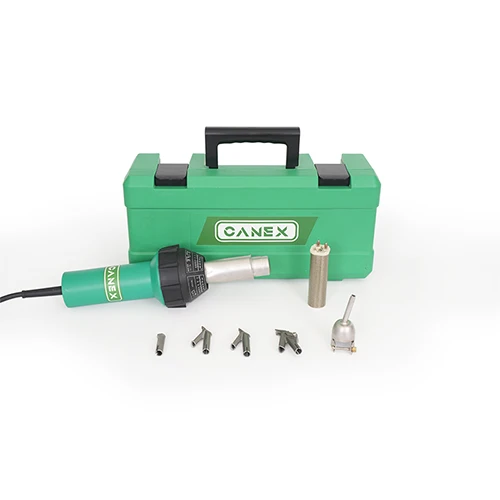
Related Video

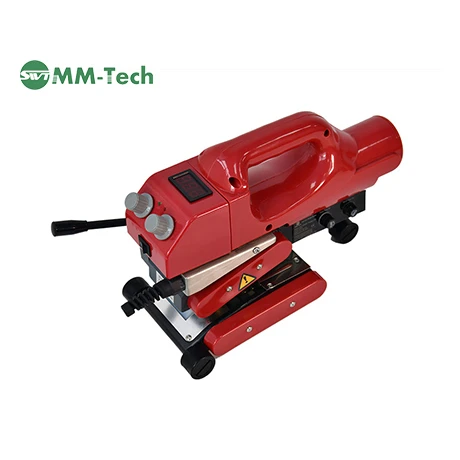

Geo Hot Wedge Welder With Digital Display SWT NS800D Operation Guide
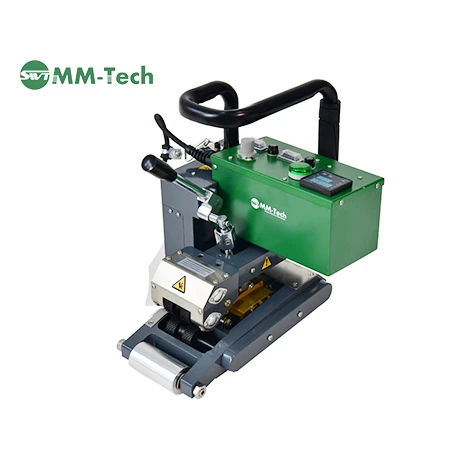
Heavy-Duty Geo Hot Wedge Welder SWT-NS900 Operation Guide
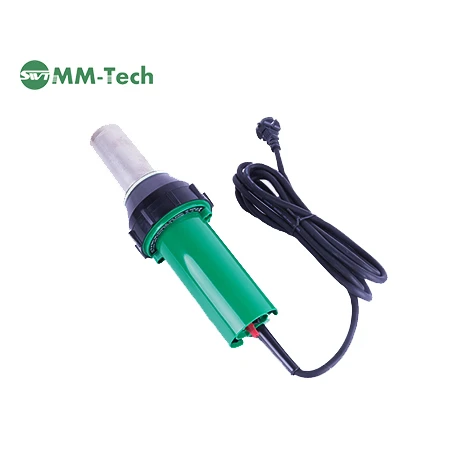
Powerful Professional Hot Air Tool SWT-NS3400A Operation Guide
Geo Hot Wedge Welder SWT NS800 Operation Guide
Compact HDPE Hot Wedge Welding Machine SWT-NSGM1 Operation Guide
Related News

2026-07-01 09:39:14
Industrial Guide to Using a Mechanical Line Leak Detector
Maintaining the structural integrity of thermoplastic pipelines is critical for environmental protection and operational efficiency. A high-precision mechanical line leak detector is an indispensable tool for detecting failures in geomembrane liners and plastic piping systems. Whether dealing with sewage treatment plants, landfills, or water conservancy projects, ensuring a leak-free seal prevents hazardous contamination and costly repairs. In this guide, we will explore how advanced detection combined with professional welding equipment ensures the highest standards of industrial waterproofing.

2026-06-29 16:57:32
Professional Leak Detector AS for Geomembrane Weld Integrity
Maximizing Weld Integrity with a Professional Leak Detector AS In the realm of environmental protection and geosynthetic installation, ensuring the absolute sealing of geomembrane seams is not just a quality requirementit is a critical safety mandate. A high-precision leak detector as air pressure tester serves as the primary tool for validating the integrity of double-track welds. By monitoring pressure changes within the closed air cavity of a weld, operators can definitively determine if a seam is airtight or if it requires immediate repair. This process prevents catastrophic leaks in landfills, mining ponds, and water containment systems, ensuring long-term environmental security.

2026-06-27 17:37:57
Industrial PVC Leak Detection with Fluorescent Leak Finder K
Maximizing Pipeline Integrity with the Fluorescent Leak Finder K In the demanding world of environmental protection and geosynthetic welding, maintaining a leak-proof seal is not just a quality requirementit is a critical safety mandate. The fluorescent leak finder k offers an advanced diagnostic solution for detecting microscopic breaches in PVC and HDPE liners. By leveraging ultraviolet fluorescence, this tool allows technicians to visualize leaks that are invisible to the naked eye, ensuring that industrial containment systems remain secure. Whether you are dealing with rigid uPVC or flexible PVC membranes, precision in leak detection is the only way to prevent catastrophic environmental contamination.

2026-06-26 16:41:41
Guide to Analyzing Electronic Leak Detector Price and Quality
Analyzing Electronic Leak Detector Price: A Guide to Choosing the Right Equipment In the realm of environmental protection and geosynthetic engineering, ensuring the integrity of waterproof membranes is critical. Whether you are dealing with landfills, sewage treatment plants, or water conservancy projects, the ability to pinpoint a breach is essential. Understanding the electronic leak detector price involves more than just looking at a tag; it requires an analysis of precision, durability, and the specific materials being tested, such as HDPE or PVC. Investing in high-quality detection equipment prevents catastrophic environmental leaks and reduces long-term maintenance costs for civil engineering projects.

2026-06-25 18:38:39
High Precision Intake Leak Tester for Engine Diagnostics
Ensuring Precision Performance with an Intake Leak Tester In the world of high-precision manufacturing and engine diagnostics, identifying microscopic air leaks is critical for operational efficiency. An intake leak tester serves as an essential diagnostic tool, ensuring that vacuum systems and air intake manifolds maintain a perfect seal. Whether in the automotive sector or specialized machinery production, even a pinhole leak can lead to poor combustion, reduced power, and increased emissions. By implementing a rigorous testing protocol, manufacturers can guarantee that every unit leaving the assembly line meets the highest quality standards, reducing warranty claims and enhancing brand reputation.

2026-06-23 07:06:21
Industrial Leak Detection and Spark Tester Working Principle
Understanding the Spark Tester Working Principle for Leak Detection In the world of industrial lining and coating, ensuring a seamless, holiday-free surface is critical to preventing corrosion and costly failures. The spark tester working principle is based on the physics of electrical insulation and dielectric breakdown. By applying a high-voltage current to a non-conductive coating, operators can pinpoint microscopic holesknown as holidaysthat would otherwise be invisible to the naked eye. Whether you are protecting underground pipelines or industrial tanks, understanding how these devices operate is the first step toward maintaining structural integrity and extending the lifespan of your assets.

2026-06-21 07:06:37
Industrial Guide to Choosing a Professional oem spark tester
The Ultimate Guide to Choosing an OEM Spark Tester for Industrial Precision In the world of automotive diagnostics and industrial electrical maintenance, precision is non-negotiable. An oem spark tester serves as a critical tool for technicians to verify ignition system integrity and ensure that spark plugs are firing correctly. Whether you are a distributor looking for white-label solutions or a workshop aiming for factory-standard diagnostics, understanding the nuances of Original Equipment Manufacturer OEM specifications is key. This guide explores how the right testing equipment can reduce downtime, prevent engine damage, and optimize performance across various machinery.

2026-06-20 07:06:15
Professional Spark Tester Supplier for Industrial Lining Integrity
Finding the Right Spark Tester Supplier for Industrial Lining Integrity Ensuring the integrity of protective coatings and linings is critical in industries dealing with corrosive chemicals and hazardous materials. To achieve this, partnering with a professional spark tester supplier is essential for obtaining high-precision holiday detection equipment. A spark tester, also known as a holiday detector, identifies holidays or pinholes in non-conductive coatings that could lead to catastrophic structural failure. By selecting a supplier that offers both technical expertise and robust hardware, companies can safeguard their assets and maintain strict safety compliance. In this guide, we will explore how to evaluate suppliers
SUBSCRIBE NEWSLETTER
Dear customer, thank you for your attention! We provide high-quality machinery and equipment and look forward to your orders. Please inform us of your needs and we will respond quickly!






 English