
-
 Email:news@peweldingmachine.com;sales2@peweldingmachine.com
-
 +86-137 3974 5191
-
 Add:
NO.355,Youyi Street,Qiaoxi District,Shijiazhuang,Hebei,China.



Understanding Heat Gun for Resin Price: Quality, Features, and Market Insights

Understanding Heat Gun for Resin Price: Quality, Features, and Market Insights
Nov . 26, 2025 14:50
The Unseen Value Behind Heat Gun for Resin Price
If you’ve ever worked with resin or plastics — maybe in crafts, repairs, or industrial manufacturing — you know the heat gun is an indispensable tool. But beyond just the function, there’s a fascinating story behind the heat gun for resin price that ties into global supply chains, innovation in materials, and the ever-growing demand for efficiency.
Understanding how heat gun prices, especially those tailored for resin work, fluctuate is more than a budget issue; it reflects shifts in industrial standards, sustainability drive, and even the socio-economic ripple effects across regions where these tools get manufactured or heavily utilized.
Why Heat Gun Pricing Matters Globally
According to the International Trade Centre (ITC), the global market for small electrical tools, which includes heat guns, has grown by nearly 7% annually in the last decade. Resin-based products, from automotive parts to medical devices, rely heavily on precise heating methods. This places heat guns specialized for resin work at a critical nexus of manufacturing innovation and cost pressure.
But the real kicker? Prices can be surprisingly variable depending on raw material availability, trade tariffs, energy costs, and even currency fluctuations. This creates a complex challenge for manufacturers and end users grappling with budgeting for projects that require consistent heating tools.
Interestingly, in sectors like remote industrial zones or developing countries where resin curing is pivotal, access to affordable, reliable heat guns can mean the difference between meeting safety standards or falling short — an economic and ethical challenge entwined with the very prices we often overlook.
What Exactly Is a Heat Gun for Resin Price?
At its core, when people refer to "heat gun for resin price," they’re zeroing in on the cost of tools designed to deliver precise, adjustable heat to properly cure or manipulate resin materials. Resin — like epoxy or polyester — requires a controlled heat source to accelerate curing or to shape components without damaging them.
Heat guns are more than just hot-air blowers; those adapted for resin work feature temperature stability, adjustable airflow, and ergonomic design to prevent fatigue during repetitive use. The price point usually reflects these special features besides basic heating capacity.
This sort of tool sits at the junction of modern manufacturing precision and the artisan’s touch, bridging mass production and bespoke crafting needs.
Mini Takeaway:
“Heat gun for resin price” is less about just a dollar figure — it signals the quality, reliability, and adaptability a user can expect, all crucial in today’s competitive and quality-focused markets.
Key Aspects Influencing Heat Gun for Resin Prices
1. Durability and Build Quality
Many engineers say a well-made heat gun can outlast multiple budget units in harsh environments. Sturdy casing, quality heating elements (like ceramic or nichrome), and reliable fans all push the price up but result in less downtime and safer operation.
2. Temperature Range and Control
Heat guns tailored for resin often need precise settings — between 50°C to 600°C — to accommodate diverse resin types. Guns with digital controls and temperature locks tend to cost more but greatly reduce user error and material waste.
3. Energy Efficiency
Energy-efficient models not only save running costs but reduce workplace heat buildup. This is vital for long operational periods, which explains why some units at higher price points include improved insulation and fan designs.
4. Safety Features
Features such as automatic shut-off, thermal cutoffs, and ergonomic grips add safety but can also nudge prices upward. Considering the burn risk or fire hazards in resin work, these features are essential.
5. Brand and Warranty
Brands with a strong history in industrial tools often price their heat guns higher but provide better after-sales support and warranties, which is a comforting fallback if the tool fails on a critical job.
Mini Takeaway:
- Paying a bit more up front for features like temperature precision and safety often saves more in the long run.
- Not all resin jobs are equal — the heat gun should match your specific resin's requirements.
Practical Applications Across the Globe
Heat guns specialized for resin curing and shaping find homes in various niches:
- Automotive Repair Workshops: Fine-tuning plastic parts with resin fillers, requiring consistent heating.
- Composite Manufacturing Plants: In North America and Europe, where carbon fiber-resin laminates are popular, heat guns help in small-scale repairs and custom fittings.
- Craft and DIY Communities: Resin art has boomed worldwide, and hobbyists need accessible, affordable heat guns.
- Disaster Relief Teams: Particularly in Southeast Asia where local teams repair equipment or fabricate parts on site using resin composites.
In remote settings without stable electricity, battery-powered or low-energy heat guns at reasonable prices can transform the ability to do quality repairs and assembly, keeping vital equipment running.
Heat Gun for Resin Price Specification Table
| Feature | Basic Model | Professional Model | Industrial Model |
|---|---|---|---|
| Price Range | $20 - $40 | $70 - $120 | $150 - $300 |
| Temp. Range | 100-450°C | 50-600°C | 50-650°C (digital) |
| Temperature Control | Basic dial | Digital with presets | Advanced digital with memory |
| Safety Features | Minimal | Overheat protection | Auto shut-off + thermal cutoff |
| Weight | 350g | 600g | 900g |
Comparing Leading Heat Gun Vendors for Resin Work
| Vendor | Price Range | Warranty | Notable Feature | Ideal For |
|---|---|---|---|---|
| TechHeat Pro | $80 - $140 | 2 years | Precision temp control | Professional workshops |
| ResiCure Tools | $40 - $70 | 1 year | Compact design | DIY and hobbyists |
| IndusHeat Masters | $150 - $280 | 3 years | Industrial grade durability | Factories and field repairs |
Long-Term Benefits of Knowing Your Heat Gun for Resin Price
Frankly, investing in the right heat gun for your resin projects isn’t just a budget decision — it’s a safety choice, a workflow optimization strategy, and a quality assurance step. The better the control over temperature and power, the more consistent your resin curing, reducing waste and ensuring products meet standards.
There’s also a psychological side; when using reliable equipment, artisans, and technicians feel more confident and efficient — which helps foster innovation and pride in craftsmanship. Affordable yet reliable heat guns can democratize access to this tech, empowering smaller operations worldwide. Plus, energy-saving features help curb carbon footprints.
Emerging Trends and the Road Ahead
The future? Oddly enough, heat guns are undergoing a quiet revolution. New materials for heating elements, IoT integration for remote monitoring, and eco-conscious designs are trending.
Digital transformation means you may soon calibrate heat guns via smartphone apps or get alerts when temperature drifts. More manufacturers are also focusing on recyclable components and reducing toxic materials in manufacturing, aligning with ISO 14001 environmental standards.
Automation also creeps in: robotic arms with precise heat guns for resin curing on assembly lines are improving speed and quality, changing the cost dynamic—and yes, the heat gun for resin price will naturally adjust with these advancements.
Challenges and Solutions in Today’s Market
Still, challenges persist. Inexpensive knock-offs flood markets, leading to injury risks or tool failure. Plus, fluctuating raw material costs—like copper wire or plastic housing—introduce unpredictability.
Experts recommend buying from reputable vendors and considering total cost of ownership—not just initial price. Warranty and support can save you headaches later. For low-budget users, modular designs where heating elements or fans can be replaced are gaining traction, balancing cost and longevity.
Frequently Asked Questions About Heat Gun for Resin Price
- Q1: What should I look for when comparing heat gun prices for resin work?
- Look beyond just price — check temperature range, control type, safety features, and warranty. A slightly higher price can mean longer life and better results.
- Q2: Can a cheaper heat gun damage my resin projects?
- Potentially, yes. Without precise temperature controls, you risk overheating or uneven curing, which affects durability and finish quality.
- Q3: How often should I replace my heat gun if used for resin?
- If used frequently, expect to replace heating elements every 1-2 years, and the entire unit every 3-5 years depending on quality and maintenance.
- Q4: Are there eco-friendly heat guns available?
- Yes, newer models focus on energy efficiency and use recyclable materials. Look for brands that highlight ISO 14001 compliance or similar certifications.
Wrapping Up: Why Price Really Does Matter
To sum it all, the heat gun for resin price is a window into the broader world of manufacturing efficiency, safety, and innovation. Choosing the right model involves balancing budget with features, and planning for long-term use. A good heat gun is one of those quiet tools that quietly supports your whole project’s success — and it’s worth a closer look if you want your resin work to truly shine.
Thinking about upgrading your toolkit? Visit our website: heat gun for resin price for detailed specs and the latest models tailored to every need.
References

Related Products
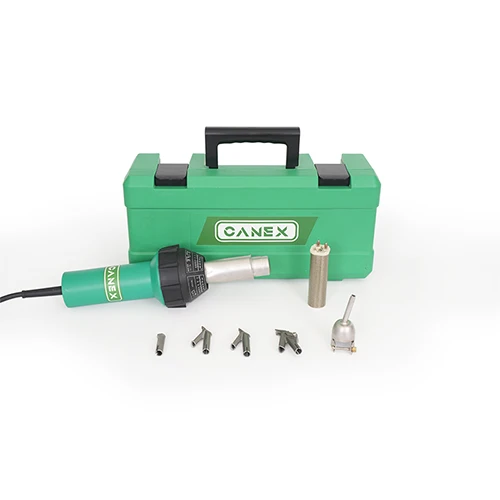
Related Video

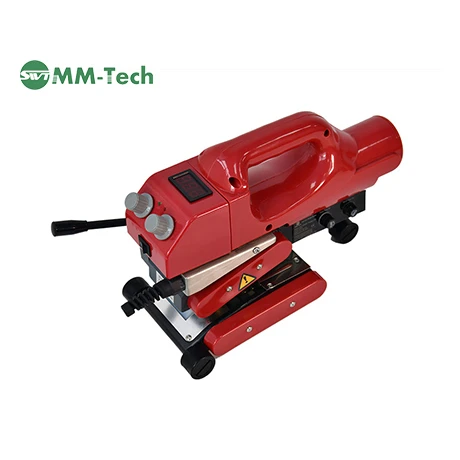

Geo Hot Wedge Welder With Digital Display SWT NS800D Operation Guide
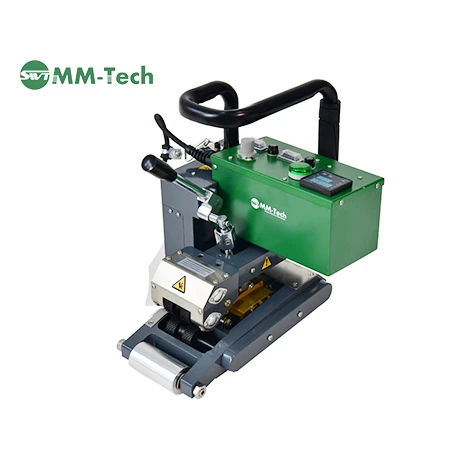
Heavy-Duty Geo Hot Wedge Welder SWT-NS900 Operation Guide
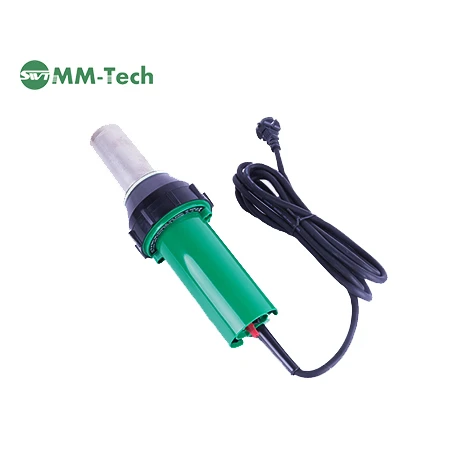
Powerful Professional Hot Air Tool SWT-NS3400A Operation Guide
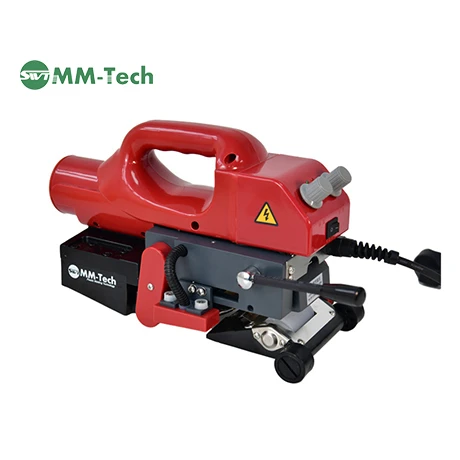
Geo Hot Wedge Welder SWT NS800 Operation Guide
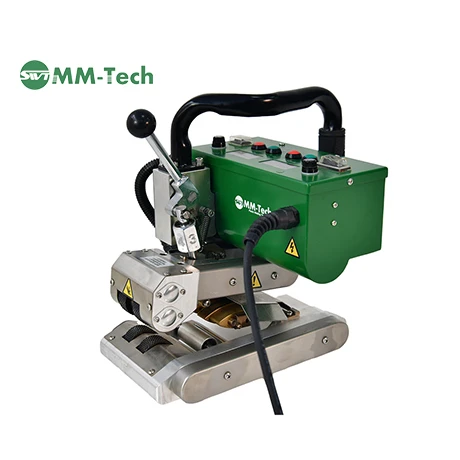
Compact HDPE Hot Wedge Welding Machine SWT-NSGM1 Operation Guide
Related News

2026-07-01 09:39:14
Industrial Guide to Using a Mechanical Line Leak Detector
Maintaining the structural integrity of thermoplastic pipelines is critical for environmental protection and operational efficiency. A high-precision mechanical line leak detector is an indispensable tool for detecting failures in geomembrane liners and plastic piping systems. Whether dealing with sewage treatment plants, landfills, or water conservancy projects, ensuring a leak-free seal prevents hazardous contamination and costly repairs. In this guide, we will explore how advanced detection combined with professional welding equipment ensures the highest standards of industrial waterproofing.

2026-06-29 16:57:32
Professional Leak Detector AS for Geomembrane Weld Integrity
Maximizing Weld Integrity with a Professional Leak Detector AS In the realm of environmental protection and geosynthetic installation, ensuring the absolute sealing of geomembrane seams is not just a quality requirementit is a critical safety mandate. A high-precision leak detector as air pressure tester serves as the primary tool for validating the integrity of double-track welds. By monitoring pressure changes within the closed air cavity of a weld, operators can definitively determine if a seam is airtight or if it requires immediate repair. This process prevents catastrophic leaks in landfills, mining ponds, and water containment systems, ensuring long-term environmental security.

2026-06-27 17:37:57
Industrial PVC Leak Detection with Fluorescent Leak Finder K
Maximizing Pipeline Integrity with the Fluorescent Leak Finder K In the demanding world of environmental protection and geosynthetic welding, maintaining a leak-proof seal is not just a quality requirementit is a critical safety mandate. The fluorescent leak finder k offers an advanced diagnostic solution for detecting microscopic breaches in PVC and HDPE liners. By leveraging ultraviolet fluorescence, this tool allows technicians to visualize leaks that are invisible to the naked eye, ensuring that industrial containment systems remain secure. Whether you are dealing with rigid uPVC or flexible PVC membranes, precision in leak detection is the only way to prevent catastrophic environmental contamination.

2026-06-26 16:41:41
Guide to Analyzing Electronic Leak Detector Price and Quality
Analyzing Electronic Leak Detector Price: A Guide to Choosing the Right Equipment In the realm of environmental protection and geosynthetic engineering, ensuring the integrity of waterproof membranes is critical. Whether you are dealing with landfills, sewage treatment plants, or water conservancy projects, the ability to pinpoint a breach is essential. Understanding the electronic leak detector price involves more than just looking at a tag; it requires an analysis of precision, durability, and the specific materials being tested, such as HDPE or PVC. Investing in high-quality detection equipment prevents catastrophic environmental leaks and reduces long-term maintenance costs for civil engineering projects.

2026-06-25 18:38:39
High Precision Intake Leak Tester for Engine Diagnostics
Ensuring Precision Performance with an Intake Leak Tester In the world of high-precision manufacturing and engine diagnostics, identifying microscopic air leaks is critical for operational efficiency. An intake leak tester serves as an essential diagnostic tool, ensuring that vacuum systems and air intake manifolds maintain a perfect seal. Whether in the automotive sector or specialized machinery production, even a pinhole leak can lead to poor combustion, reduced power, and increased emissions. By implementing a rigorous testing protocol, manufacturers can guarantee that every unit leaving the assembly line meets the highest quality standards, reducing warranty claims and enhancing brand reputation.

2026-06-23 07:06:21
Industrial Leak Detection and Spark Tester Working Principle
Understanding the Spark Tester Working Principle for Leak Detection In the world of industrial lining and coating, ensuring a seamless, holiday-free surface is critical to preventing corrosion and costly failures. The spark tester working principle is based on the physics of electrical insulation and dielectric breakdown. By applying a high-voltage current to a non-conductive coating, operators can pinpoint microscopic holesknown as holidaysthat would otherwise be invisible to the naked eye. Whether you are protecting underground pipelines or industrial tanks, understanding how these devices operate is the first step toward maintaining structural integrity and extending the lifespan of your assets.

2026-06-21 07:06:37
Industrial Guide to Choosing a Professional oem spark tester
The Ultimate Guide to Choosing an OEM Spark Tester for Industrial Precision In the world of automotive diagnostics and industrial electrical maintenance, precision is non-negotiable. An oem spark tester serves as a critical tool for technicians to verify ignition system integrity and ensure that spark plugs are firing correctly. Whether you are a distributor looking for white-label solutions or a workshop aiming for factory-standard diagnostics, understanding the nuances of Original Equipment Manufacturer OEM specifications is key. This guide explores how the right testing equipment can reduce downtime, prevent engine damage, and optimize performance across various machinery.

2026-06-20 07:06:15
Professional Spark Tester Supplier for Industrial Lining Integrity
Finding the Right Spark Tester Supplier for Industrial Lining Integrity Ensuring the integrity of protective coatings and linings is critical in industries dealing with corrosive chemicals and hazardous materials. To achieve this, partnering with a professional spark tester supplier is essential for obtaining high-precision holiday detection equipment. A spark tester, also known as a holiday detector, identifies holidays or pinholes in non-conductive coatings that could lead to catastrophic structural failure. By selecting a supplier that offers both technical expertise and robust hardware, companies can safeguard their assets and maintain strict safety compliance. In this guide, we will explore how to evaluate suppliers
SUBSCRIBE NEWSLETTER
Dear customer, thank you for your attention! We provide high-quality machinery and equipment and look forward to your orders. Please inform us of your needs and we will respond quickly!






 English