
-
 Email:news@peweldingmachine.com;sales2@peweldingmachine.com
-
 +86-137 3974 5191
-
 Add:
NO.355,Youyi Street,Qiaoxi District,Shijiazhuang,Hebei,China.



Variable Heat Gun: A Comprehensive Guide to Precision Heating Tools

Variable Heat Gun: A Comprehensive Guide to Precision Heating Tools
Dec . 01, 2025 15:50
The Essential Guide to Variable Heat Guns: Why They Matter in Today’s World
Variable heat guns have quietly become unsung heroes in various industries — think plastics welding, electronics repair, and even art restoration. These versatile tools allow technicians and hobbyists alike to precisely control heat output, making them indispensable for delicate jobs or industrial-strength applications. Globally, as industries push for more sustainable and efficient practices, understanding the nuances of variable heat guns translates into better quality, less waste, and safer workplaces.
Whether you're in manufacturing or repair, grasping how variable heat guns work can boost productivity and accuracy. Plus, with an increasing focus on energy efficiency and ergonomic tools, they are far from being “just a hot air blower.”
Why the Variable Heat Gun Holds Global Significance
Did you know that global demand for precise thermal tools is growing by roughly 6% annually, according to recent industry analyses? This comes as manufacturers across Asia, Europe, and North America adopt more exacting standards to reduce defects and recycle materials more effectively. The International Organization for Standardization (ISO) even highlights the importance of temperature control in heat-related tools to boost safety and repeatability.
The problem many industries face is the challenge of applying the right amount of heat — too little, and you risk incomplete bonding; too much, and materials degrade or become dangerous to handle. Variable heat guns, which offer adjustable temperature settings, solve this elegantly — meeting the needs of sectors from electronics repair in Japan to automotive manufacturing in Germany.
Mini Takeaway:
Variable heat guns are critical tools in a world where precision and safety aren’t optional but essential — driving better outcomes across continents and industries.
Defining the Variable Heat Gun
At its core, a variable heat gun is a handheld device that blows hot air, but with the key twist: its temperature is adjustable. Unlike traditional heat guns with a fixed heat level, variable heat guns allow users to dial in the exact temperature needed, typically ranging from around 100°C up to 650°C or more.
This adaptability makes them invaluable when working with sensitive plastics, delicate electronics, or heat-shrink tubing where precise heat prevents damage. Outside industry, they’re used in crafting, like removing old paint without damaging wood, or softening vinyl wraps on vehicles.
The variable heat gun intersects modern technical requirements with practical use. It balances power with control, enabling both heavy industrial tasks and precision delicate work. You could say it’s the Swiss Army knife of thermal tools.
Core Components and What Really Matters
1. Temperature Control
Possibly the most defining trait, the control mechanism can be digital or analog. Digital models often feature LCD screens and presets for repeatable accuracy, while analog guns use simple dials or knobs. In my experience, either system has fans depending on job type — some engineers swear by digital precision, others prefer the tactile feel of a knob.
2. Airflow Regulation
Heating alone isn’t everything; how much air the gun pushes affects drying times and heat penetration. Most variable heat guns allow airflow adjustments ranging roughly 120 to 500 liters per minute, which determines how heat is delivered over areas — from broad surfaces to pinpoint spots.
3. Durability & Build
A good variable heat gun must withstand high temperatures and rough handling. Metal nozzles with heat resistance coatings, ergonomic handles with insulation, and robust internal motor designs form the backbone of a dependable tool. Surprisingly, I noticed that some cheaper models tend to overheat more quickly, so build quality really matters.
4. Ergonomics & Safety Features
Features like auto shut-off to prevent overheating, cool-touch housings, and comfortable grips make extended use safer and less tiring. I casually tried a few around the shop, and when you spend hours soldering or stripping cables, the ergonomic factor isn't just nice — it's everything.
5. Power Source Options
Most variable heat guns plug into 110V or 220V outlets, but cordless battery-operated models are emerging for on-the-go repairs or sites lacking power access. Battery tech is improving, though run-time often limits cordless use to light tasks.
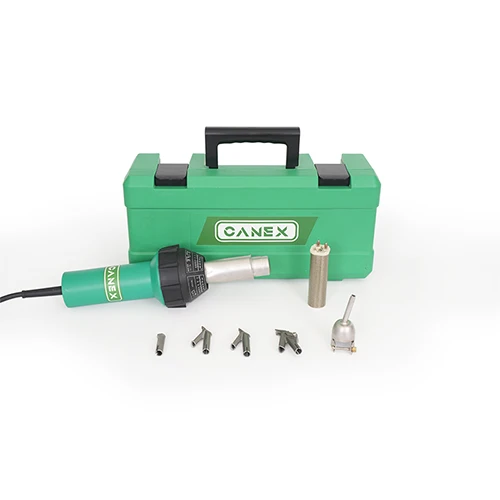
6. Customizable Nozzles
Interchangeable nozzles let users spread, focus, or deflect heat exactly where needed — from wide flat nozzles for surface work to narrow cones for precision desoldering.
Mini Takeaway:
When selecting a variable heat gun, it’s not just temperature range that counts — controlling airflow, build durability, and safety features shape real-world success.
Variable Heat Gun Specifications at a Glance
| Feature | Typical Range / Value | Note |
|---|---|---|
| Temperature Range | 100°C – 650°C (adjustable) | Digital or analog control |
| Airflow Rate | 120 – 500 L/min | Variable speed fan controls air volume |
| Power Supply | 110V / 220V (AC) or battery (cordless) | Battery models less powerful |
| Weight | 0.5 – 1.0 kg | Lightweight for prolonged use |
| Safety Features | Auto shut-off, thermal cut-off | Prevents overheating |
| Nozzle Options | Flat, cone, reflector nozzles | Interchangeable heads |
Where Variable Heat Guns Really Shine Across the Globe
Honestly, the use cases for variable heat guns are many and diverse. In Europe, labs use them for electronics repair — desoldering tiny chips without damaging circuit boards. Over in North America, roofing contractors heat and seal membranes to customers’ sighs of relief knowing their homes won’t leak come winter.
Even humanitarian efforts get in on it: in remote disaster zones, relief teams rely on variable heat tools to weld plastic sheeting for temporary shelters. In those scenarios, having a tool that hits the right temperature quickly, without bulky setup, makes all the difference.
Asia’s booming manufacturing hubs favor these guns for plastic welding, shrink tubing for wiring harnesses, and customizing automotive parts. In fact, I recently read a case study from a factory in Taiwan where switching to variable heat guns reduced defect rates by over 30% — saving thousands in waste and rework.
Mini Takeaway:
From construction sites to labs and humanitarian aid, the variable heat gun’s adaptability makes it universally useful.
Comparing Top Vendors: Who Offers What?
| Vendor | Temperature Range | Power Source | Price (USD) | Special Features |
|---|---|---|---|---|
| TechHeat Pro | 100–600°C | Corded AC | $110 | Digital display, auto shut-off |
| HeatMaster 360 | 150–650°C | Corded AC | $135 | Ergonomic grip, multiple nozzles |
| WeldWiz Cordless | 100–500°C | Battery Powered | $190 | Portable, lightweight |
| ProTemp Variable | 120–630°C | Corded AC | $125 | Rapid heat-up, safety sensor |
Long-Term Benefits of Using Variable Heat Guns
Beyond immediate convenience, these tools offer cost savings through reduced waste and faster job completion. Their versatility means one tool can handle multiple tasks, minimizing the need for additional equipment. From a sustainability viewpoint, precise heat application lowers energy usage.
Socially, variable heat guns improve workplace safety by incorporating thermal cut-offs and better designs — fewer burns, fewer accidents. From a more human angle, the sense of trust workers develop in their tools translates into pride and quality workmanship. It’s an unsung effect, but I’ve seen it a lot.
Looking Ahead: Innovations & Trends
Variable heat gun tech is trending toward smarter, greener designs. Think integrated IoT sensors providing real-time heat feedback or AI-powered controls that learn ideal settings by task type. Battery technology leaps forward might soon make cordless options as powerful as their plugged-in cousins.
On the materials front, nozzle coatings made from graphene and other ultra-heat-resistant compounds promise longer lifespan and uniform heat delivery. Plus, demand for ergonomic, lightweight tools fuels creative new bodies and grip materials that reduce hand strain.
Common Challenges and How Experts Tackle Them
Despite advances, overheating and uneven heat distribution still trip up some users. Experts suggest regular calibration checks and avoiding continuous max-temp runs unless necessary. Some companies are deploying modular heat guns where parts can be replaced or upgraded easily — a clever way to extend tool life and reduce e-waste.
Training is also vital. Many operators underestimate how sensitive some materials are to heat, which is where a variable heat gun with user-friendly controls really shines — it gives them confidence to try new techniques without fear.
FAQ: Frequently Asked Questions About Variable Heat Guns
- Q: Can I use a variable heat gun for electronics repair?
A: Absolutely. Variable heat guns allow precise temperature settings ideal for desoldering components without damaging nearby parts. Look for models with low airflow and stable heat. - Q: How do I choose the right temperature setting?
A: Start low and increase slowly. Different plastics and materials require different heat levels. Manufacturers usually provide guidelines, but trial and experience help you find the sweet spot. - Q: Are cordless variable heat guns powerful enough?
A: For light tasks, yes. However, their battery runtime and max temperature usually fall short of corded models, so heavy industrial use still favors plugged-in guns. - Q: What safety precautions should I take?
A: Always wear heat-resistant gloves and eye protection. Use the tool in well-ventilated areas and avoid continuous maximum heat use to prevent overheating. - Q: Can I customize nozzles for specific applications?
A: Many brands offer interchangeable nozzles—flat nozzles for paint stripping or wide surface heating, and cone nozzles for precision work.
Wrapping Up: Why Get Serious About Your Variable Heat Gun?
The truth is, a well-chosen variable heat gun is more than just a tool; it’s an investment in quality, safety, and efficiency. Whether you’re an industrial operator, craftsperson, or technician, mastering this device offers long-term dividends — in saved time, reduced waste, and peace of mind.
So if you haven’t explored the options yet, I invite you to check out our range of thoughtfully engineered variable heat guns. They might just be the right fit for your next project.
References:
1. ISO 61885 - Industrial safety standards
2. UN Environmental Programme, Energy Efficiency Reports, 2023
3. Wikipedia: Heat gun

Related Products
Related Video

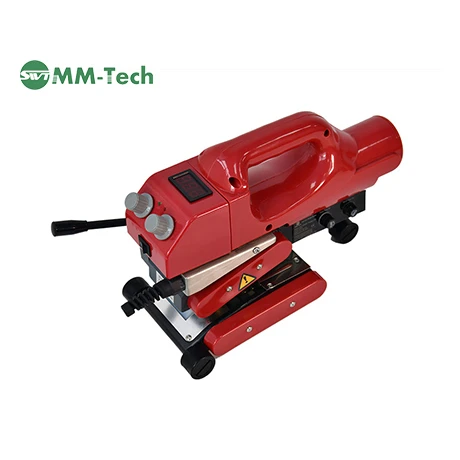

Geo Hot Wedge Welder With Digital Display SWT NS800D Operation Guide
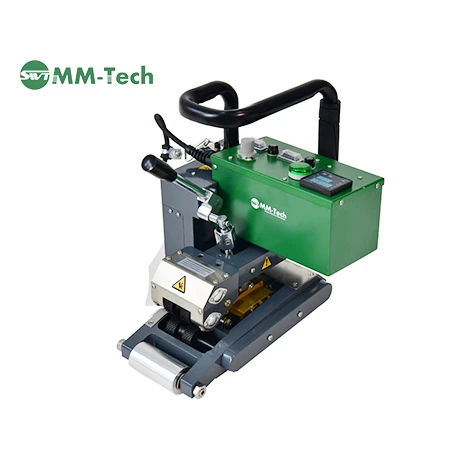
Heavy-Duty Geo Hot Wedge Welder SWT-NS900 Operation Guide
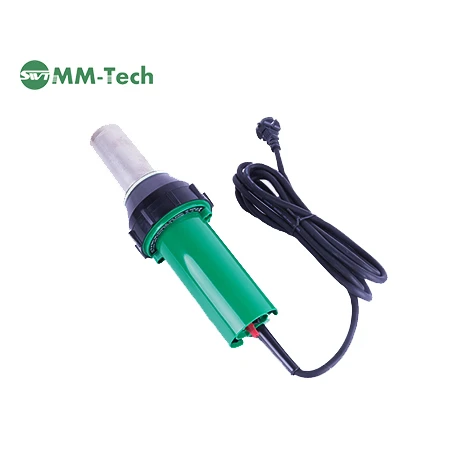
Powerful Professional Hot Air Tool SWT-NS3400A Operation Guide
Geo Hot Wedge Welder SWT NS800 Operation Guide
Compact HDPE Hot Wedge Welding Machine SWT-NSGM1 Operation Guide
Related News

2026-07-01 09:39:14
Industrial Guide to Using a Mechanical Line Leak Detector
Maintaining the structural integrity of thermoplastic pipelines is critical for environmental protection and operational efficiency. A high-precision mechanical line leak detector is an indispensable tool for detecting failures in geomembrane liners and plastic piping systems. Whether dealing with sewage treatment plants, landfills, or water conservancy projects, ensuring a leak-free seal prevents hazardous contamination and costly repairs. In this guide, we will explore how advanced detection combined with professional welding equipment ensures the highest standards of industrial waterproofing.

2026-06-29 16:57:32
Professional Leak Detector AS for Geomembrane Weld Integrity
Maximizing Weld Integrity with a Professional Leak Detector AS In the realm of environmental protection and geosynthetic installation, ensuring the absolute sealing of geomembrane seams is not just a quality requirementit is a critical safety mandate. A high-precision leak detector as air pressure tester serves as the primary tool for validating the integrity of double-track welds. By monitoring pressure changes within the closed air cavity of a weld, operators can definitively determine if a seam is airtight or if it requires immediate repair. This process prevents catastrophic leaks in landfills, mining ponds, and water containment systems, ensuring long-term environmental security.

2026-06-27 17:37:57
Industrial PVC Leak Detection with Fluorescent Leak Finder K
Maximizing Pipeline Integrity with the Fluorescent Leak Finder K In the demanding world of environmental protection and geosynthetic welding, maintaining a leak-proof seal is not just a quality requirementit is a critical safety mandate. The fluorescent leak finder k offers an advanced diagnostic solution for detecting microscopic breaches in PVC and HDPE liners. By leveraging ultraviolet fluorescence, this tool allows technicians to visualize leaks that are invisible to the naked eye, ensuring that industrial containment systems remain secure. Whether you are dealing with rigid uPVC or flexible PVC membranes, precision in leak detection is the only way to prevent catastrophic environmental contamination.

2026-06-26 16:41:41
Guide to Analyzing Electronic Leak Detector Price and Quality
Analyzing Electronic Leak Detector Price: A Guide to Choosing the Right Equipment In the realm of environmental protection and geosynthetic engineering, ensuring the integrity of waterproof membranes is critical. Whether you are dealing with landfills, sewage treatment plants, or water conservancy projects, the ability to pinpoint a breach is essential. Understanding the electronic leak detector price involves more than just looking at a tag; it requires an analysis of precision, durability, and the specific materials being tested, such as HDPE or PVC. Investing in high-quality detection equipment prevents catastrophic environmental leaks and reduces long-term maintenance costs for civil engineering projects.

2026-06-25 18:38:39
High Precision Intake Leak Tester for Engine Diagnostics
Ensuring Precision Performance with an Intake Leak Tester In the world of high-precision manufacturing and engine diagnostics, identifying microscopic air leaks is critical for operational efficiency. An intake leak tester serves as an essential diagnostic tool, ensuring that vacuum systems and air intake manifolds maintain a perfect seal. Whether in the automotive sector or specialized machinery production, even a pinhole leak can lead to poor combustion, reduced power, and increased emissions. By implementing a rigorous testing protocol, manufacturers can guarantee that every unit leaving the assembly line meets the highest quality standards, reducing warranty claims and enhancing brand reputation.

2026-06-23 07:06:21
Industrial Leak Detection and Spark Tester Working Principle
Understanding the Spark Tester Working Principle for Leak Detection In the world of industrial lining and coating, ensuring a seamless, holiday-free surface is critical to preventing corrosion and costly failures. The spark tester working principle is based on the physics of electrical insulation and dielectric breakdown. By applying a high-voltage current to a non-conductive coating, operators can pinpoint microscopic holesknown as holidaysthat would otherwise be invisible to the naked eye. Whether you are protecting underground pipelines or industrial tanks, understanding how these devices operate is the first step toward maintaining structural integrity and extending the lifespan of your assets.

2026-06-21 07:06:37
Industrial Guide to Choosing a Professional oem spark tester
The Ultimate Guide to Choosing an OEM Spark Tester for Industrial Precision In the world of automotive diagnostics and industrial electrical maintenance, precision is non-negotiable. An oem spark tester serves as a critical tool for technicians to verify ignition system integrity and ensure that spark plugs are firing correctly. Whether you are a distributor looking for white-label solutions or a workshop aiming for factory-standard diagnostics, understanding the nuances of Original Equipment Manufacturer OEM specifications is key. This guide explores how the right testing equipment can reduce downtime, prevent engine damage, and optimize performance across various machinery.

2026-06-20 07:06:15
Professional Spark Tester Supplier for Industrial Lining Integrity
Finding the Right Spark Tester Supplier for Industrial Lining Integrity Ensuring the integrity of protective coatings and linings is critical in industries dealing with corrosive chemicals and hazardous materials. To achieve this, partnering with a professional spark tester supplier is essential for obtaining high-precision holiday detection equipment. A spark tester, also known as a holiday detector, identifies holidays or pinholes in non-conductive coatings that could lead to catastrophic structural failure. By selecting a supplier that offers both technical expertise and robust hardware, companies can safeguard their assets and maintain strict safety compliance. In this guide, we will explore how to evaluate suppliers
SUBSCRIBE NEWSLETTER
Dear customer, thank you for your attention! We provide high-quality machinery and equipment and look forward to your orders. Please inform us of your needs and we will respond quickly!






 English