
-
 Email:news@peweldingmachine.com
-
 +86-137 3974 5191
-
 Add:
Add:NO.355,Youyi Street,Qiaoxi District,Shijiazhuang,Hebei,China.



Weld Bend Tester is Essential for Quality Assurance in Welding

Weld Bend Tester is Essential for Quality Assurance in Welding
May . 07, 2025 16:45
Ensuring the integrity and strength of a welded joint is crucial in any industrial application. One of the most effective ways to test weld quality is through a weld bend tester. This specialized equipment is designed to assess the ductility, strength, and overall performance of welded materials by applying controlled bending forces.
A weld bend tester helps manufacturers and fabricators identify weak points in a weld before the material is put into service. By performing bend tests, companies can ensure compliance with industry standards such as ASME, AWS, and ISO. These tests are particularly important in critical industries like aerospace, automotive, construction, and pipeline manufacturing, where weld failure can have catastrophic consequences.
Modern weld bend testers are built with advanced features such as digital force measurement, adjustable bending angles, and automated testing procedures. These features allow precise and repeatable results, making them ideal for both research laboratories and industrial production lines.
Investing in a high-quality weld bend tester not only improves safety and reliability but also enhances productivity. By detecting defects early, manufacturers can reduce material waste, minimize rework, and maintain a strong reputation for quality.
Choosing the Right Weld Bend Test Equipment for Your Needs
Selecting the appropriate weld bend test equipment depends on several factors, including material type, testing standards, and production volume. With a wide range of models available in the market, it is important to choose equipment that meets your specific testing requirements.
One of the key considerations when purchasing weld bend test equipment is the testing method. Guided bend tests, free bend tests, and back bend tests are among the most common procedures used to evaluate weld performance. Each method requires specialized tooling and fixtures to ensure accurate results.
The force capacity of the weld bend test equipment is another critical factor. For heavy-duty industrial applications, high-capacity machines with hydraulic or servo-driven mechanisms are preferred, while smaller, manually operated machines may be sufficient for laboratory testing.
Automation and digital controls have revolutionized modern weld bend test equipment, allowing for more efficient testing and data collection. Many advanced machines now feature touchscreen interfaces, programmable test sequences, and real-time data analysis, making them user-friendly and highly accurate.
Durability and maintenance are also key factors. Investing in robust weld bend test equipment with high-quality components ensures long-term reliability and minimizes downtime. Regular calibration and servicing are essential to maintain precision and compliance with international testing standards.
How a Welding Bend Test Machine Ensures Compliance with Industry Standards
A welding bend test machine plays a vital role in ensuring welded materials meet the required safety and performance standards. Various industries, including construction, shipbuilding, and oil and gas, rely on these machines to verify the quality of their welded joints.
To comply with international welding codes, a welding bend test machine must be capable of performing tests that simulate real-world stress conditions. The machine applies controlled bending forces to a welded specimen, checking for cracks, fractures, or other defects. A successful bend test confirms that the weld possesses sufficient ductility and strength.
Different welding codes, such as ASME Section IX, AWS D1.1, and ISO 5173, specify guidelines for conducting bend tests. A high-quality welding bend test machine should have adjustable settings to accommodate various test standards.
The ability to document and store test results is another crucial aspect of compliance. Many modern welding bend test machines come with integrated software that allows users to generate detailed test reports, ensuring traceability and quality control.
For businesses involved in large-scale welding operations, investing in a welding bend test machine is not just a regulatory requirement but a competitive advantage. Reliable testing helps maintain high production standards, prevents failures, and builds customer confidence.
The Benefits of Using Weld Bend Testing Equipment in Manufacturing
Integrating weld bend testing equipment into the manufacturing process offers multiple benefits, ranging from improved product quality to cost savings. By identifying defects early in production, companies can avoid expensive rework and material waste.
One of the primary advantages of using weld bend testing equipment is enhanced safety. Poorly welded joints can lead to structural failures, equipment breakdowns, and even life-threatening accidents. Regular testing ensures that all welded components meet stringent safety standards.
Efficiency is another key benefit. Advanced weld bend testing equipment allows for rapid and repeatable testing, significantly reducing the time required for quality control. Automated machines, in particular, streamline the testing process, freeing up valuable labor resources for other tasks.
Using weld bend testing equipment also boosts a company's reputation. Clients and regulatory bodies demand proof of weld integrity, and consistent testing demonstrates a commitment to quality. Businesses that prioritize testing are more likely to win contracts and maintain long-term customer relationships.
Additionally, well-maintained weld bend testing equipment ensures long-term cost savings. By preventing defects and failures, companies reduce warranty claims, legal liabilities, and unexpected repairs. Investing in the right testing equipment ultimately leads to higher profitability and a stronger market position.
Testing Tool FAQs
What is the purpose of a weld bend tester?
A weld bend tester is used to evaluate the ductility, strength, and overall integrity of a welded joint. By applying controlled bending forces, it identifies potential weaknesses, ensuring the weld meets industry standards and is safe for use in structural applications.
What are the different types of weld bend test equipment?
There are several types of weld bend test equipment, including guided bend testers, free bend testers, and back bend testers. Each type is designed for specific testing applications and follows different industry standards. The choice of equipment depends on the material being tested, the required testing method, and the production environment.
How do I choose the right welding bend test machine?
When selecting a welding bend test machine, consider factors such as force capacity, automation level, compliance with testing standards, and ease of operation. Machines with digital controls and automated data recording are preferred for high-precision testing. Additionally, ensuring the machine is durable and easy to maintain is crucial for long-term use.
What standards govern weld bend testing?
Several international standards regulate weld bend testing, including ASME Section IX, AWS D1.1, and ISO 5173. These standards specify test procedures, sample preparation guidelines, and acceptable defect criteria. Compliance with these standards ensures welded materials meet safety and performance requirements.
Why is weld bend testing important in manufacturing?
Weld bend testing is essential in manufacturing to ensure product quality, safety, and compliance with industry regulations. It helps detect welding defects early, reducing material waste, preventing failures, and maintaining a company's reputation for high-quality workmanship.

Related Products
Related Video

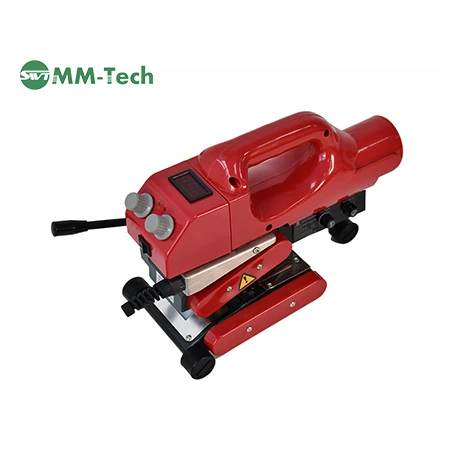

Geo Hot Wedge Welder With Digital Display SWT NS800D Operation Guide
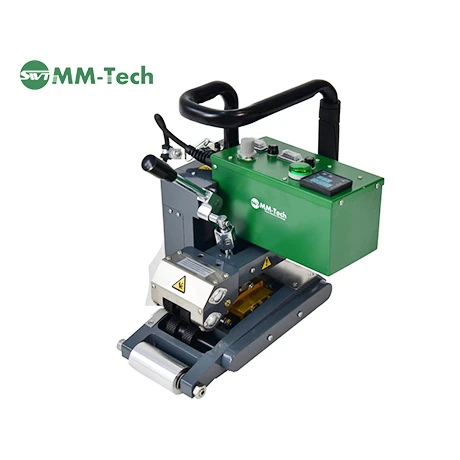
Heavy-Duty Geo Hot Wedge Welder SWT-NS900 Operation Guide
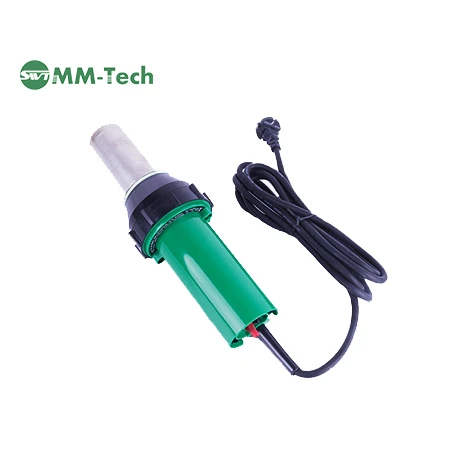
Powerful Professional Hot Air Tool SWT-NS3400A Operation Guide
Geo Hot Wedge Welder SWT NS800 Operation Guide
Compact HDPE Hot Wedge Welding Machine SWT-NSGM1 Operation Guide
Related News
2026-04-16 03:09:36
Improve Production Quality Using an Inline Coil Tester System
In the high-precision world of electrical component manufacturing, ensuring the integrity of every single wind is critical. An inline coil tester serves as the ultimate guardian of quality, integrating seamless testing directly into the production line. By detecting defects in real-time, manufacturers can eliminate the risk of faulty coils reaching the assembly stage, thereby reducing waste and protecting brand reputation. Whether you are producing inductors, transformers, or specialized electromagnets, implementing a robust testing strategy is no longer optional—it is a competitive necessity. This guide explores how inline testing transforms efficiency and precision in modern workshops.
2026-04-09 03:15:45
Industrial Leak Detection Using Electronic Spark Tester Guide
In the world of industrial maintenance and pipeline integrity, identifying microscopic leaks can be a daunting challenge. An electronic spark tester serves as a critical diagnostic tool, allowing technicians to pinpoint holidays—tiny pinholes or discontinuities in protective coatings—that are invisible to the naked eye. By applying a high-voltage current to the coating, these devices create a visible spark where the coating is compromised, ensuring that assets are fully protected against corrosion. In this guide, we will explore how this technology works and why it is indispensable for maintaining long-term structural safety.
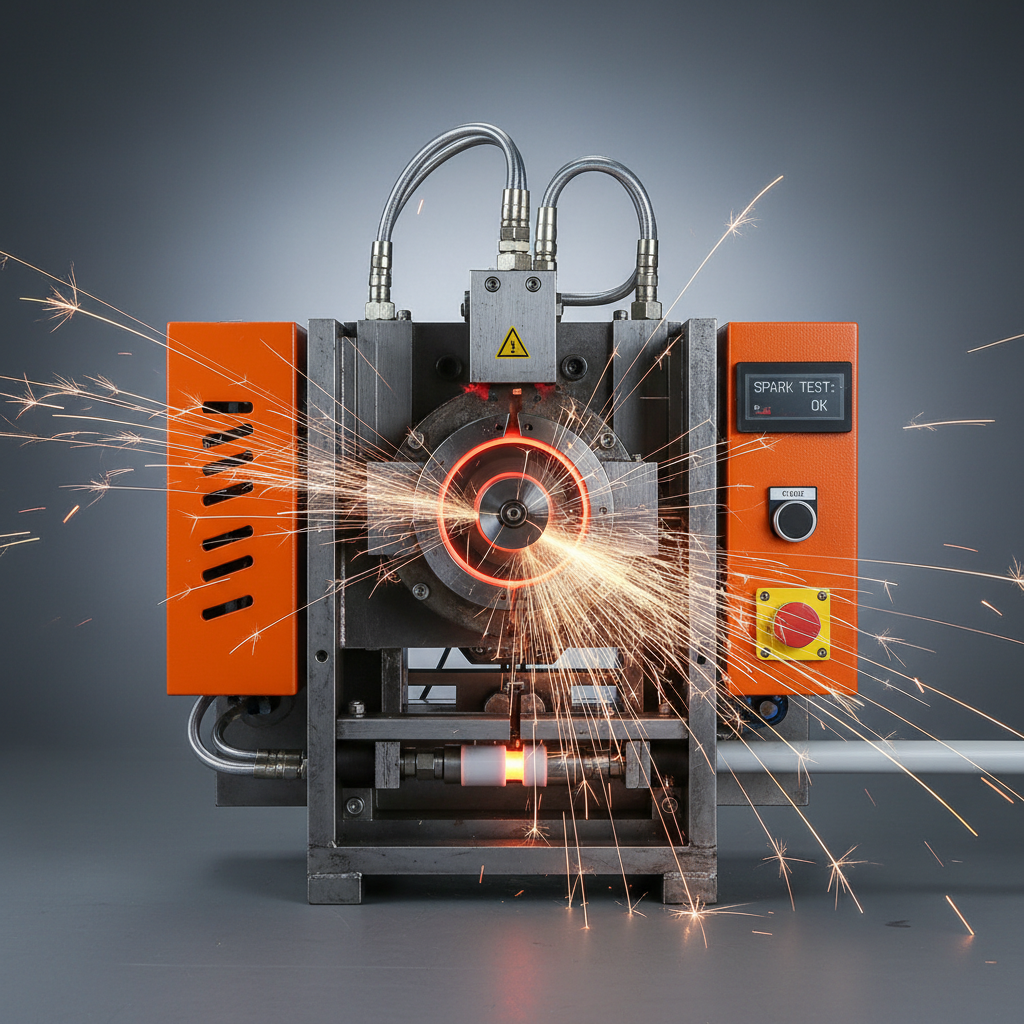
2026-04-07 03:06:14
Enhancing Weld Quality with a Versatile Dynamic Spark Tester
In the realm of welding and fabrication, ensuring the quality and integrity of welds is paramount. A dynamic spark tester is an indispensable tool for quickly and reliably assessing weld quality. This article will delve into the functionality, benefits, applications, and considerations when selecting a dynamic spark tester, particularly focusing on how Aqua Fusion Welder's offerings meet industry demands. We’ll explore how this crucial piece of equipment can enhance your quality control processes and reduce costly rework.
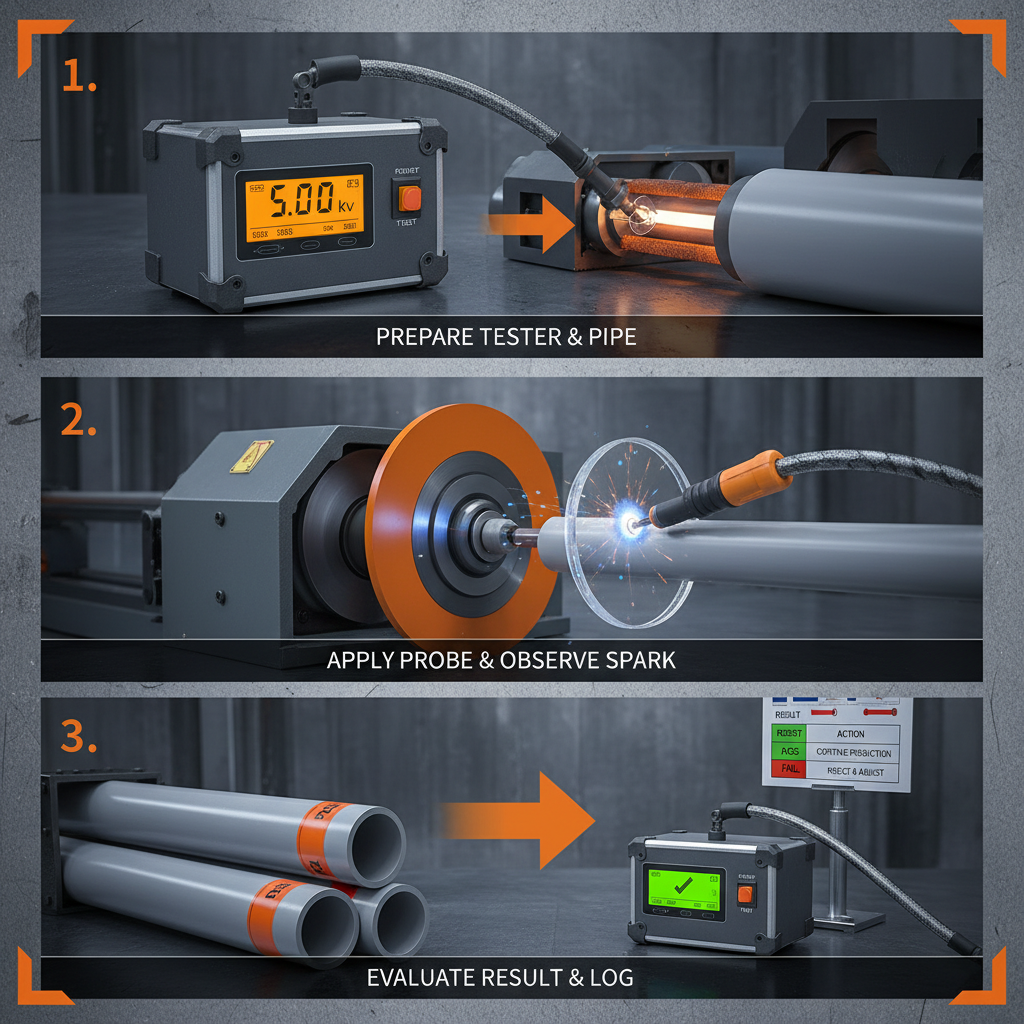
2026-04-04 03:16:07
Understanding the Power of a Digital Spark Tester for Weld Quality Assurance
In the realm of welding, particularly fusion welding, ensuring the integrity of the weld is paramount. A reliable method for quickly verifying weld quality is crucial for efficiency, safety, and cost-effectiveness. A digital spark tester offers a non-destructive testing solution, providing immediate feedback on weld penetration. This article will explore the benefits, applications, and key considerations when selecting a digital spark tester, especially concerning Aqua Fusion Welder's offerings. Effective weld quality control is not merely a best practice; it's a necessity for ensuring long-lasting, dependable results.
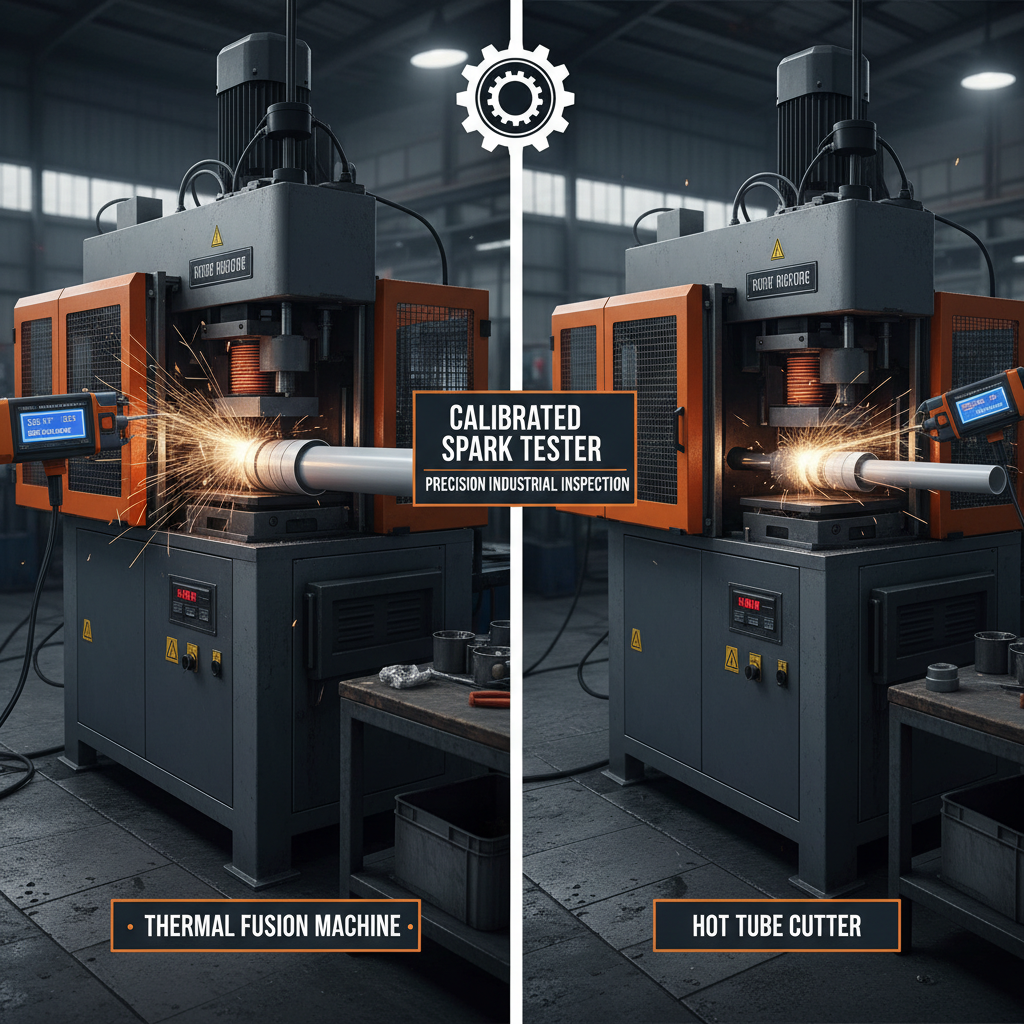
2026-03-31 03:08:14
Understanding and Utilizing a Calibrated Spark Tester for Quality Welding
In the realm of welding, ensuring quality and safety is paramount. A crucial tool for achieving this is the calibrated spark tester. This device is vital for verifying the correct settings on a hot gas welding machine, ensuring consistent and reliable welds. This article delves into what a calibrated spark tester is, how it works, its importance in various applications, choosing the right tester, maintenance best practices, and safety precautions. We’ll explore its role in optimizing welding processes and upholding industry standards.
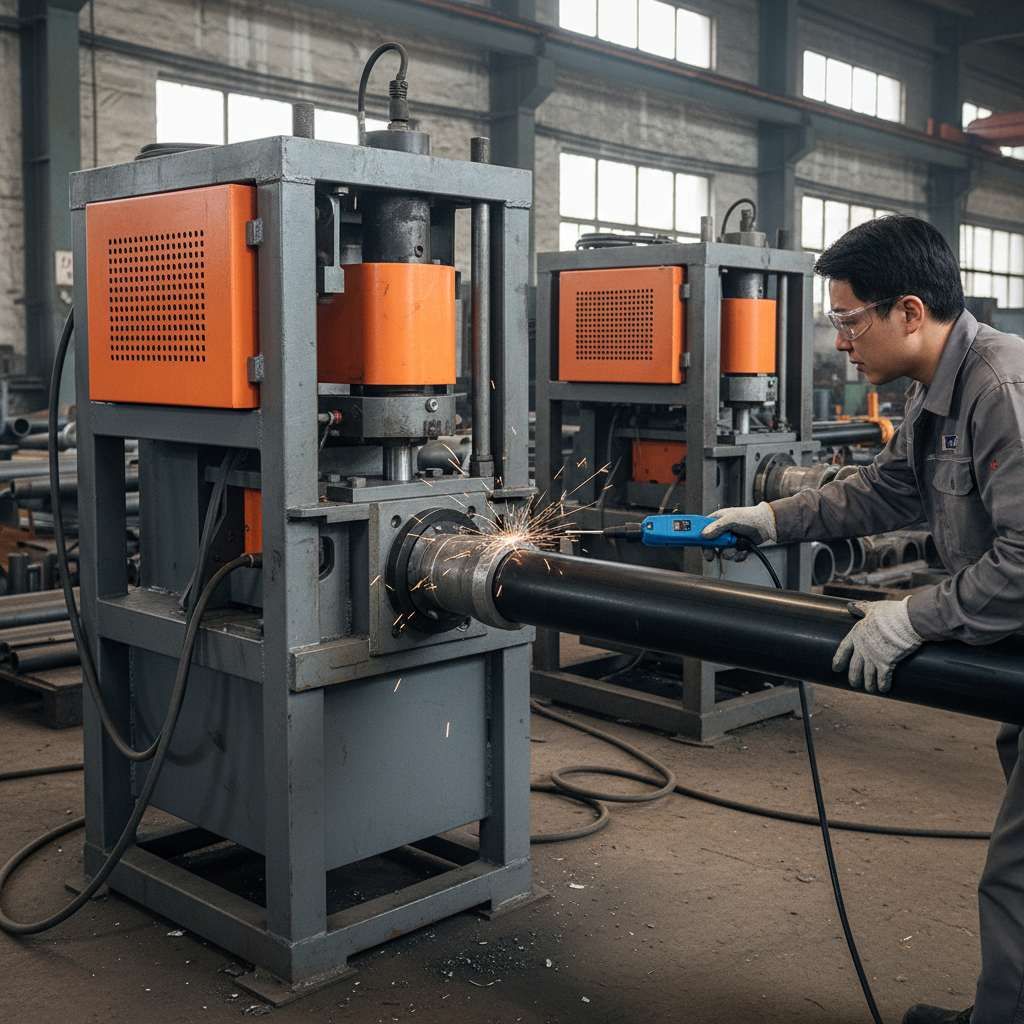
2026-03-28 03:25:06
Comprehensive Guide to the Blue Point Spark Tester for Welding Optimization
When dealing with gas metal arc welding (GMAW) and flux-cored arc welding (FCAW), ensuring a proper arc and consistent weld quality is critical. The Blue Point Spark Tester is an invaluable tool for verifying proper electrical connections and detecting potential issues before welding begins. This article provides a detailed overview of the Blue Point Spark Tester, its functionality, applications, and how it can improve your welding outcomes. Investing in a reliable spark tester like this can save time, materials, and ensure a higher quality of weld.
2026-03-26 03:15:05
Comprehensive Guide to Air Gap Spark Tester Applications and Selection
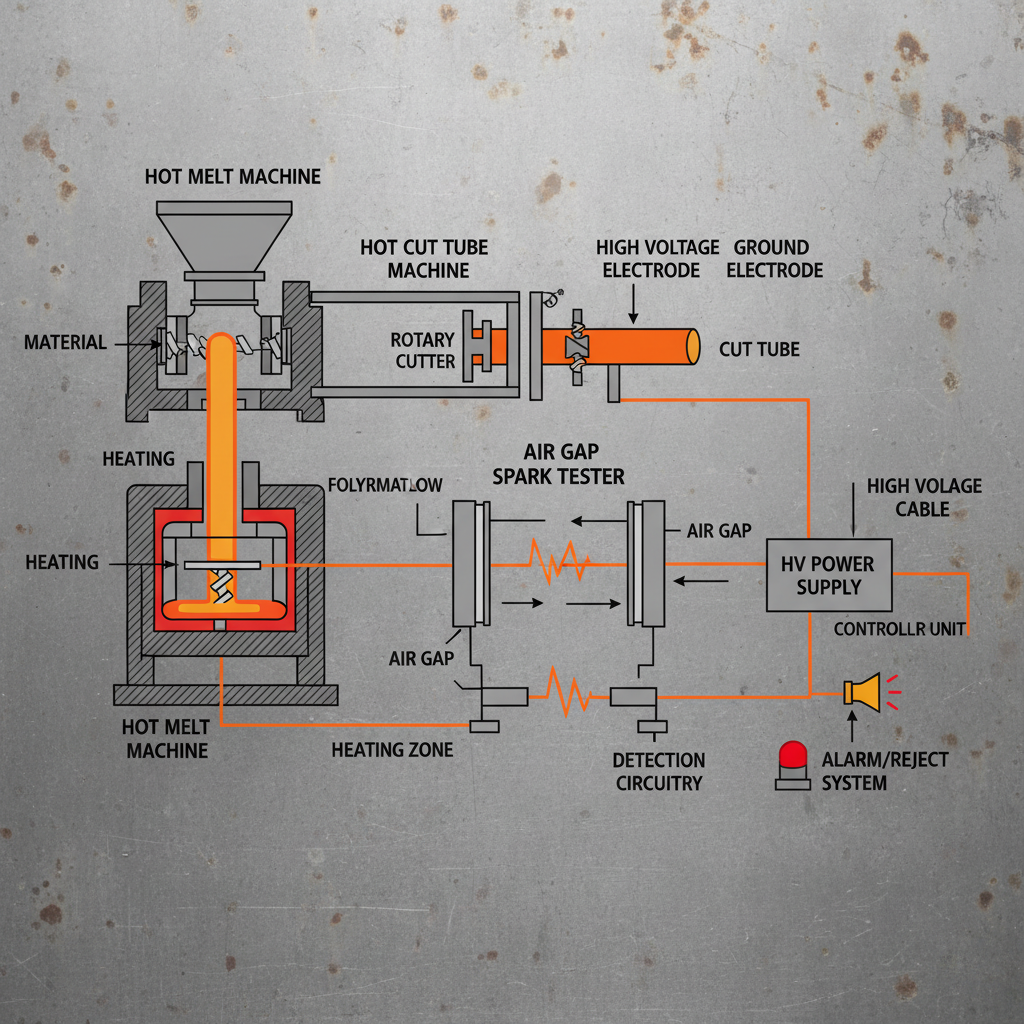
In the realm of welding and metal fabrication, ensuring the quality and integrity of welds is paramount. An air gap spark tester is a vital tool for non-destructive testing, allowing professionals to quickly and accurately identify potential issues in welds. This article provides an in-depth exploration of air gap spark testers, their applications, benefits, and considerations for choosing the right model. From quality control to safety, understanding this technology is crucial for maintaining high standards in your welding processes. Aqua Fusion Welder provides high-quality solutions for all your welding testing needs. An air gap spark tester, also known as a porosity tester, is a device used to detect the presence of air gaps, porosity, or incomplete fusion in welds. It works by applying a high-voltage electrical discharge across the weld surface. If flaws exist, the spark will travel through the air gap, producing a visible arc and indicating a defect. This provides a quick and efficient method for identifying potential weaknesses that could compromise the weld's structural integrity.
2026-03-24 03:17:19
Comprehensive Guide to the Adjustable Gap Spark Tester for Weld Quality Assurance
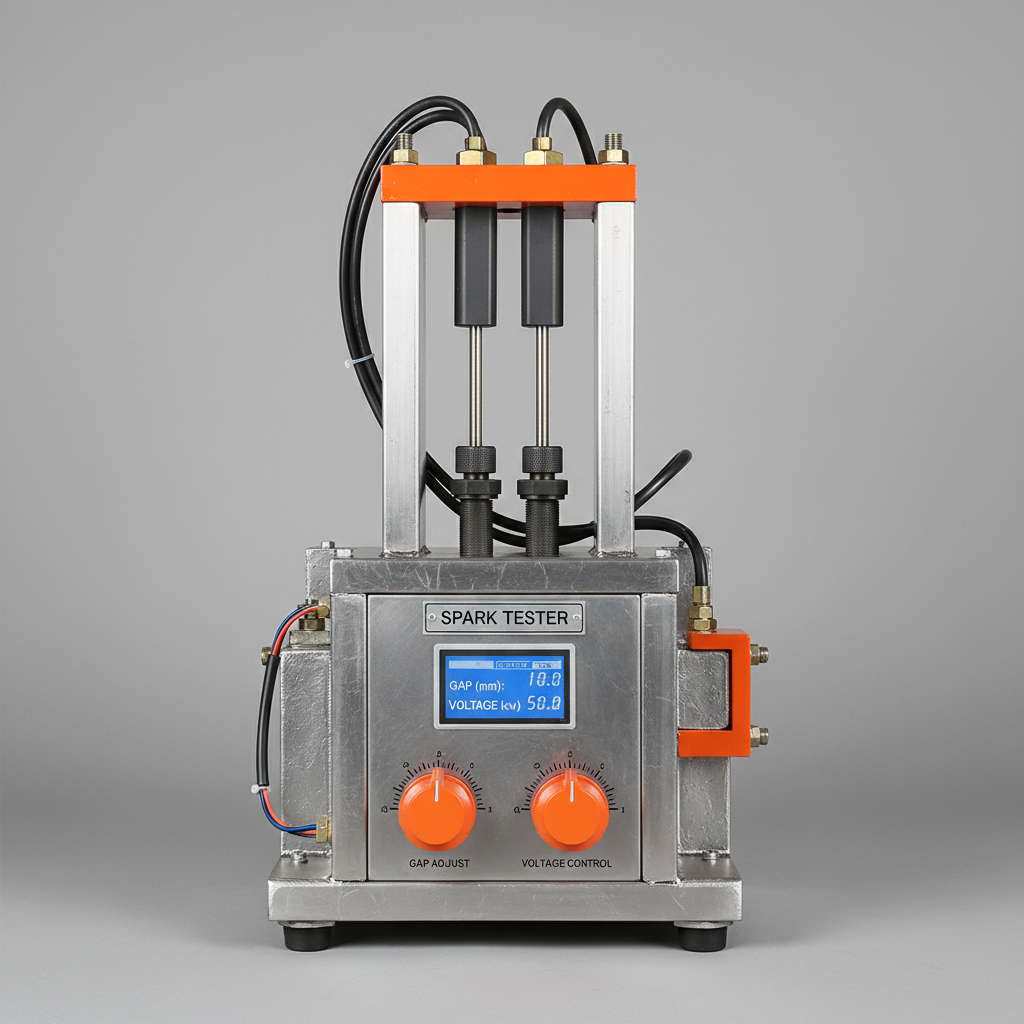
The adjustable gap spark tester is an essential tool for quality control in welding applications, particularly for polyethylene (PE) and polypropylene (PP) piping systems. This article dives deep into its functionality, benefits, applications, and why choosing a reliable tester like those from Aqua Fusion Welder is critical for ensuring weld integrity. Properly assessing weld quality prevents costly failures and maintains the long-term reliability of critical infrastructure. Let's explore the core principles and advantages of using an adjustable gap spark tester. An adjustable gap spark tester is a non-destructive testing (NDT) device used to identify gaps or voids within a weld. It operates on the principle of high voltage discharge. When a high voltage is applied across the weld, it arcs across any gaps or imperfections, creating a visible spark. The size of the adjustable gap determines the sensitivity of the test; a smaller gap detects smaller flaws.
SUBSCRIBE NEWSLETTER
Dear customer, thank you for your attention! We provide high-quality machinery and equipment and look forward to your orders. Please inform us of your needs and we will respond quickly!






 English