
-
 Email:news@peweldingmachine.com;sales2@peweldingmachine.com
-
 +86-137 3974 5191
-
 Add:
NO.355,Youyi Street,Qiaoxi District,Shijiazhuang,Hebei,China.



Automotive Heat Gun: Essential Tool for Efficient Auto Repairs & Sustainability

Automotive Heat Gun: Essential Tool for Efficient Auto Repairs & Sustainability
Nov . 30, 2025 13:50
What Exactly Is an Automotive Heat Gun and Why Should We Care?
At first glance, the term automotive heat gun might sound like a straightforward tool for car repairs, but it actually plays a vital role in industries that ripple far beyond the auto shop. With global automotive markets projected to grow steadily (according to the International Organization of Motor Vehicle Manufacturers), understanding this tool’s purpose offers us a window into efficient repairs, energy-saving maintenance, and even environmental sustainability.
Simply put, automotive heat guns provide controlled heat for applications like paint drying, shrink-wrapping wires, or loosening adhesives. Why does this matter? Because on a global scale — where automotive repairs and manufacturing affect millions of jobs and tons of materials — the way heat is applied can save energy, improve product lifespan, and reduce environmental impact. For industries striving to improve efficiency and cut waste, grasping the nuances around these heat guns is more than just handy; it’s essential.
Introduction: Global and Industry Context of Automotive Heat Guns
Industries worldwide are under pressure to increase efficiency while shrinking their carbon footprint. The automotive sector alone accounts for nearly 3% of global CO2 emissions according to the International Energy Agency (IEA). While not a massive figure on its own, the ripple effects from material waste, repair inefficiencies, and needless energy use show why tools like automotive heat guns are becoming indispensable.
Heat guns help technicians apply precise heat where needed — preventing damage from overheating and reducing energy waste. Take the challenge of repairing cracked windshields or reshaping glued plastic trims — improper heat application can cause costly damage. The automotive heat gun offers that perfect middle ground: effective heat that’s controllable, portable, and versatile. It’s a small solution addressing a big problem of material longevity and repair quality.
What Is an Automotive Heat Gun?
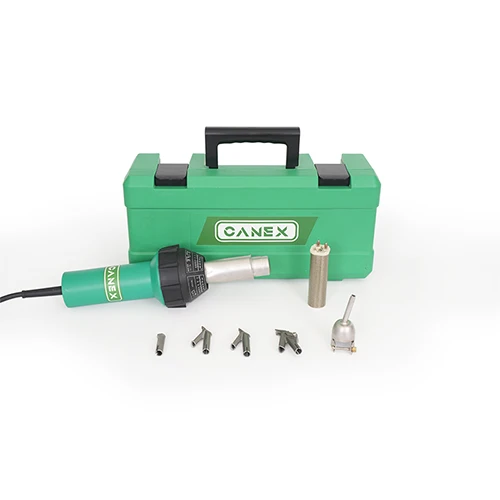
In essence, an automotive heat gun is a handheld device that blows hot air for industrial or repair purposes, tailored for automotive applications. Think of it as a high-powered hairdryer — but designed to regulate heat up to 1200°F (roughly 650°C) to carefully soften adhesives, melt plastic, or dry paint without damaging delicate components.
This tool connects to modern industry by fostering faster, safer, and more sustainable repairs. Beyond mechanics, it’s even critical in humanitarian fields — for example, in equipping rugged vehicles for emergency response in remote areas where traditional tools and replacements are hard to get.
Key Features That Make Automotive Heat Guns Stand Out
1. Variable Temperature Control
Many engineers say this is the heart of the tool's practicality. Having adjustable heat levels—from a gentle warm breeze to a full-throttle scorching blast—means technicians can work with fragile glass or tough adhesives alike, without risk. It’s like having a heat dial tuned exactly for the task.
2. Durable and Ergonomic Design
In automotive workshops, tools get knocked and tossed around. Good heat guns feature rugged casing and ergonomic handles that reduce fatigue during long sessions. Surprisingly, this affects repair precision — if the tool feels comfortable, mistakes fall away.
3. Safety Features
Overheating protection and insulated surfaces prevent accidents. Given heat guns operate at very high temperatures, these features reduce injury risk — a must-have in busy garages or manufacturing floors.
4. Portability and Power Options
Some models run corded for constant power, others offer cordless convenience. Depending on fieldwork or shop setup, this choice impacts productivity. For emergency vehicles or mobile mechanics, cordless heat guns are lifesavers.
Here’s a quick glance at common automotive heat gun specs:
| Specification | Typical Range | Notes |
|---|---|---|
| Temperature Range | 120°F to 1200°F (50°C to 650°C) | Adjustable for delicate or tough materials |
| Power Source | Corded (110-240V) or Cordless (Battery 18-20V) | Cordless models favor mobility |
| Airflow Rate | 120-500 L/min | Controls heat application area |
| Weight | 0.7-1.5 kg (1.5-3.3 lbs) | Lightweight models reduce fatigue |
| Safety Features | Overheat protection, insulated nozzle | Commonly built-in for safe use |
How Automotive Heat Guns Make a Difference Around the Globe
In practice, these heat guns turn up just about everywhere: from sprawling automotive factories in Germany to small, independent mechanical shops in Southeast Asia. Their utility spans:
- Paint and body repair: Quick and eco-friendlier drying of lacquer or enamel finishes reduces wait times and energy.
- Wire harness assembly: Shrink tubing requires precise heat — avoiding electrical faults later on.
- Adhesive application or removal: Removing old bumper adhesives during vehicle refurbishment becomes easier and less damaging.
- Plastic repair and molding: Reshaping cracked dashboards or trim without replacement.
For example, in post-disaster recovery zones where damaged vehicles are critical lifelines, automotive heat guns equip technicians to repair faster and cheaper—helping relief workers keep going. Or, in remote industrial hubs where replacing parts is difficult, extending vehicle life with heat gun repairs becomes a real game-changer.
Oddly enough, many NGOs involved in vehicle upkeep for humanitarian missions cite handy automotive heat guns as essential gear. Their lightweight portability and efficiency make them ideal for field conditions.
Advantages of Using Automotive Heat Guns: More Than Just Hot Air
Why do mechanics, engineers, and fleet managers swear by these tools? The tangible benefits extend past the apparent:
- Cost Efficiency: Repairs are quicker and less frequent with correct heat applications, saving thousands over vehicle lifecycles.
- Environmental Impact: Using heat guns reduces the need for chemical solvents and excess part replacements, helping cut waste and emissions.
- Improved Safety: Safer repairs mean less risk for workers and end-users — a priority in automotive safety standards worldwide.
- Durability and Longevity: Proper heat treatment enhances adhesive bonds and material performance.
- Innovation Friendly: As vehicle tech evolves with composites and sensitive electronics, heat guns provide a gentle, customizable way to work without damage.
Future Trends & Innovations in Automotive Heat Gun Technology
Looking ahead, the market is buzzing with innovations such as:
- Green Energy Integration: Solar-powered or rechargeable batteries designed for sustainability.
- Smart Controls: Heat guns equipped with IoT sensors to regulate temperature more precisely based on material feedback.
- Lightweight Materials: Use of composites in casings making equipment easier to carry for mobile mechanics.
- Automation: Robotic arms incorporating heat guns for factory applications, minimizing human exposure to hazards.
Such trends promise a future where automotive heat guns blend seamlessly into digital workflows while shrinking their ecological footprint.
Challenges and How The Industry Is Tackling Them
It’s not all smooth sailing. Some common hurdles include:
- Energy Consumption: Heat guns can be power-hungry, making sustainability goals tricky.
- Operator Skill Variance: Incorrect heat settings can cause damage — training is crucial.
- Tool Durability: Rough environments can be tough on delicate electronics.
The good news is companies are focusing on longer battery lives, improved training modules (including VR), and ruggedized designs to push back against these challenges.
Comparing Leading Automotive Heat Gun Vendors
| Brand | Temperature Range | Power Source | Price Range | Key Strength |
|---|---|---|---|---|
| Brand A | 120°F – 1100°F | Corded | $50-$80 | Affordable and reliable |
| Brand B | 150°F – 1200°F | Cordless (Battery) | $90-$150 | High portability, ergonomic |
| Brand C | 100°F – 1000°F | Corded | $70-$120 | Advanced safety features |
Frequently Asked Questions About Automotive Heat Guns
Q1: What makes an automotive heat gun different from a regular heat gun?
A: Automotive heat guns offer more precise temperature control and durability designed specifically for automotive materials such as plastic trims, paint, and adhesives. They often include safety features geared toward automotive use, making them more reliable than generic heat guns.
Q2: How do I choose the right temperature setting for my repair job?
A: Start at the lowest setting to avoid damage and gradually increase as needed. Always consult the material manufacturer’s specs or repair manual. For example, shrinking tube insulation typically requires about 300°F, while paint drying might need closer to 1200°F but for a short duration.
Q3: Are cordless automotive heat guns worth the extra cost?
A: If you work in mobile environments or need ease of movement, cordless options provide excellent flexibility despite slightly higher prices. However, corded models usually offer continuous power suited for shop-based tasks.
Q4: Can I use an automotive heat gun for tasks unrelated to cars?
A: Absolutely. Many use these heat guns in electronics, plumbing, or craftwork due to their precise heat control. Still, ensure the tool suits your application; automotive heat guns are optimized for vehicle-related materials.
Q5: How do I maintain my automotive heat gun to extend its lifespan?
A: Regular cleaning of the nozzle, avoiding dropping the tool, and storing it in a cool, dry place extend lifespan. Also, prevent blocking air intake vents to avoid overheating.
Wrapping Up: Why Understanding Automotive Heat Guns Pays Off
Learning about automotive heat guns feels like uncovering a quiet secret of the industrial world — a simple tool that holds big promise across manufacturing, repair, and even humanitarian aid. Whether you’re a mechanic, engineer, or fleet manager, knowing how to pick and use the right heat gun saves money, boosts safety, and supports sustainability goals.
Looking for the perfect tool to add to your arsenal? Visit our website: https://www.aquafusionwelder.com — and get equipped with solutions designed for today’s challenges and tomorrow’s innovations.
Mini Takeaway:
Automotive heat guns are more than just hot air blowers — they’re versatile, efficient tools helping industries meet evolving demands with precision and care.
References:

Related Products
Related Video

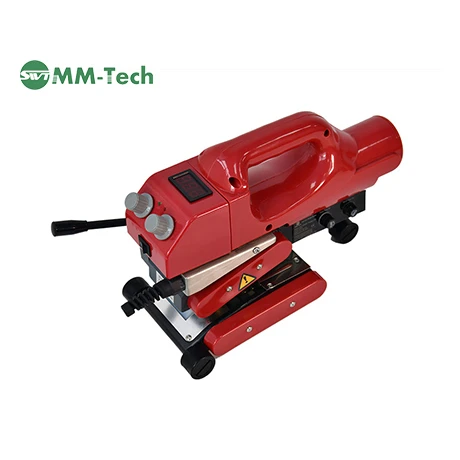

Geo Hot Wedge Welder With Digital Display SWT NS800D Operation Guide
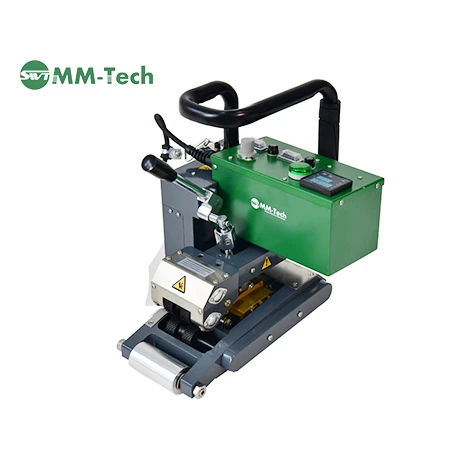
Heavy-Duty Geo Hot Wedge Welder SWT-NS900 Operation Guide
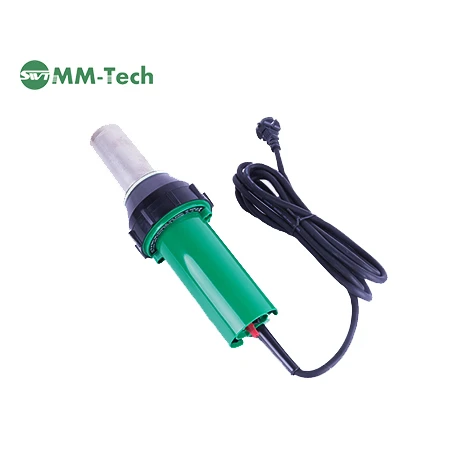
Powerful Professional Hot Air Tool SWT-NS3400A Operation Guide
Geo Hot Wedge Welder SWT NS800 Operation Guide
Compact HDPE Hot Wedge Welding Machine SWT-NSGM1 Operation Guide
Related News

2026-07-01 09:39:14
Industrial Guide to Using a Mechanical Line Leak Detector
Maintaining the structural integrity of thermoplastic pipelines is critical for environmental protection and operational efficiency. A high-precision mechanical line leak detector is an indispensable tool for detecting failures in geomembrane liners and plastic piping systems. Whether dealing with sewage treatment plants, landfills, or water conservancy projects, ensuring a leak-free seal prevents hazardous contamination and costly repairs. In this guide, we will explore how advanced detection combined with professional welding equipment ensures the highest standards of industrial waterproofing.

2026-06-29 16:57:32
Professional Leak Detector AS for Geomembrane Weld Integrity
Maximizing Weld Integrity with a Professional Leak Detector AS In the realm of environmental protection and geosynthetic installation, ensuring the absolute sealing of geomembrane seams is not just a quality requirementit is a critical safety mandate. A high-precision leak detector as air pressure tester serves as the primary tool for validating the integrity of double-track welds. By monitoring pressure changes within the closed air cavity of a weld, operators can definitively determine if a seam is airtight or if it requires immediate repair. This process prevents catastrophic leaks in landfills, mining ponds, and water containment systems, ensuring long-term environmental security.

2026-06-27 17:37:57
Industrial PVC Leak Detection with Fluorescent Leak Finder K
Maximizing Pipeline Integrity with the Fluorescent Leak Finder K In the demanding world of environmental protection and geosynthetic welding, maintaining a leak-proof seal is not just a quality requirementit is a critical safety mandate. The fluorescent leak finder k offers an advanced diagnostic solution for detecting microscopic breaches in PVC and HDPE liners. By leveraging ultraviolet fluorescence, this tool allows technicians to visualize leaks that are invisible to the naked eye, ensuring that industrial containment systems remain secure. Whether you are dealing with rigid uPVC or flexible PVC membranes, precision in leak detection is the only way to prevent catastrophic environmental contamination.

2026-06-26 16:41:41
Guide to Analyzing Electronic Leak Detector Price and Quality
Analyzing Electronic Leak Detector Price: A Guide to Choosing the Right Equipment In the realm of environmental protection and geosynthetic engineering, ensuring the integrity of waterproof membranes is critical. Whether you are dealing with landfills, sewage treatment plants, or water conservancy projects, the ability to pinpoint a breach is essential. Understanding the electronic leak detector price involves more than just looking at a tag; it requires an analysis of precision, durability, and the specific materials being tested, such as HDPE or PVC. Investing in high-quality detection equipment prevents catastrophic environmental leaks and reduces long-term maintenance costs for civil engineering projects.

2026-06-25 18:38:39
High Precision Intake Leak Tester for Engine Diagnostics
Ensuring Precision Performance with an Intake Leak Tester In the world of high-precision manufacturing and engine diagnostics, identifying microscopic air leaks is critical for operational efficiency. An intake leak tester serves as an essential diagnostic tool, ensuring that vacuum systems and air intake manifolds maintain a perfect seal. Whether in the automotive sector or specialized machinery production, even a pinhole leak can lead to poor combustion, reduced power, and increased emissions. By implementing a rigorous testing protocol, manufacturers can guarantee that every unit leaving the assembly line meets the highest quality standards, reducing warranty claims and enhancing brand reputation.

2026-06-23 07:06:21
Industrial Leak Detection and Spark Tester Working Principle
Understanding the Spark Tester Working Principle for Leak Detection In the world of industrial lining and coating, ensuring a seamless, holiday-free surface is critical to preventing corrosion and costly failures. The spark tester working principle is based on the physics of electrical insulation and dielectric breakdown. By applying a high-voltage current to a non-conductive coating, operators can pinpoint microscopic holesknown as holidaysthat would otherwise be invisible to the naked eye. Whether you are protecting underground pipelines or industrial tanks, understanding how these devices operate is the first step toward maintaining structural integrity and extending the lifespan of your assets.

2026-06-21 07:06:37
Industrial Guide to Choosing a Professional oem spark tester
The Ultimate Guide to Choosing an OEM Spark Tester for Industrial Precision In the world of automotive diagnostics and industrial electrical maintenance, precision is non-negotiable. An oem spark tester serves as a critical tool for technicians to verify ignition system integrity and ensure that spark plugs are firing correctly. Whether you are a distributor looking for white-label solutions or a workshop aiming for factory-standard diagnostics, understanding the nuances of Original Equipment Manufacturer OEM specifications is key. This guide explores how the right testing equipment can reduce downtime, prevent engine damage, and optimize performance across various machinery.

2026-06-20 07:06:15
Professional Spark Tester Supplier for Industrial Lining Integrity
Finding the Right Spark Tester Supplier for Industrial Lining Integrity Ensuring the integrity of protective coatings and linings is critical in industries dealing with corrosive chemicals and hazardous materials. To achieve this, partnering with a professional spark tester supplier is essential for obtaining high-precision holiday detection equipment. A spark tester, also known as a holiday detector, identifies holidays or pinholes in non-conductive coatings that could lead to catastrophic structural failure. By selecting a supplier that offers both technical expertise and robust hardware, companies can safeguard their assets and maintain strict safety compliance. In this guide, we will explore how to evaluate suppliers
SUBSCRIBE NEWSLETTER
Dear customer, thank you for your attention! We provide high-quality machinery and equipment and look forward to your orders. Please inform us of your needs and we will respond quickly!






 English