
-
 Email:news@peweldingmachine.com
-
 +86-137 3974 5191
-
 Add:
Add:NO.355,Youyi Street,Qiaoxi District,Shijiazhuang,Hebei,China.



Ultimate Guide to Choosing the Best Heat Gun for Epoxy in 2024

Ultimate Guide to Choosing the Best Heat Gun for Epoxy in 2024
Nov . 30, 2025 12:15
Why a Heat Gun for Epoxy Matters Worldwide
Epoxy resins rank high as go-to adhesives and coatings across countless industries — automotive, construction, electronics, and even artistic crafts. But curing epoxy efficiently? That’s where the humble heat gun for epoxy steps into the spotlight. It’s not just a fancy tool; it’s a global workhorse helping technicians, engineers, and hobbyists get the perfect bond or finish, precisely and repeatedly.
On a global scale, with the rise in composite materials usage and the demand for quick, durable repairs even in remote or harsh environments, mastering how to use a heat gun for epoxy isn’t just a convenience — it’s vital. Without it, curing times drag, quality can suffer, and bad bonds lead to costly failures or safety issues.
So, understanding these tools isn’t just “nice to have,” it cuts across industry lines and links into sustainability, efficiency, and even disaster relief operations where epoxy is used to swiftly repair infrastructure.
Heat Guns for Epoxy: What Are They, Exactly?
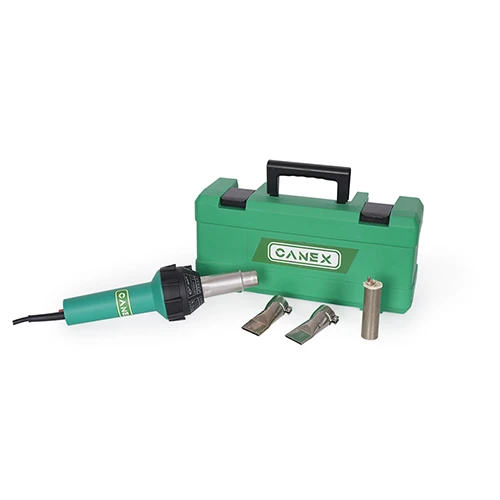
At its core, a heat gun for epoxy is basically a handheld device that blows heated air, allowing you to raise the temperature of epoxy resin for curing or shaping. You’ll find these devices come with variable temperature controls — perfect for the delicate balance required with epoxy, which tends to cure too fast or too slow depending on heat input.
But it’s more than just a heat source. Modern heat guns used on epoxy are precision instruments. They help ensure uniform curing, avoid bubbles or cracking, and speed up work — whether in a high-tech industrial setting or a craftsperson’s workshop. Interestingly, epoxy sometimes links to humanitarian tasks, like structural repairs after natural disasters, and heat guns make these tasks feasible and reliable even on tight deadlines.
Core Components and Key Factors to Consider
1. Temperature Range & Control
Epoxy curing can be a little finicky. Too much heat, and the resin might blister or turn brittle. Too little, and it simply won’t cure properly. Most reliable heat guns designed for epoxy offer adjustable temperature settings — roughly from 100°C up to 600°C — letting users dial in the sweet spot.
2. Airflow and Nozzle Design
The way hot air is distributed really matters. Wide nozzles provide gentle, spread out heat, ideal for large surfaces. Narrow nozzles focus the heat for spot curing or tricky angles. Having interchangeable nozzles or attachments boosts versatility.
3. Durability and Power Source
Depending on where you work — cluttered workshops or rough job sites — a sturdy, ergonomic build can be lifesaving. Corded models will often push out steady power, but cordless rechargeable options are gaining ground for portability.
4. Safety Features
Overheat protection, cool-down modes, and insulated handles are more than luxuries — they protect the operator and the workpiece. Epoxy fumes can be hazardous, so a heat gun designed to minimize excessive hot spots also helps.
5. Cost Efficiency
Experts often balance price with longevity and precision. Investing upfront in a versatile, reliable heat gun can save hours and scrap materials down the line.
| Specification | Details |
|---|---|
| Temperature Range | 100°C to 600°C adjustable |
| Power Source | Corded (1200-1800W) / Cordless Li-ion Battery Options |
| Airflow | 150-500 L/min (variable) |
| Weight | 0.7 - 1.5 kg |
| Safety Features | Overheat protection, insulated handle |
Worldwide Applications: Where Heat Guns for Epoxy Shine
Oddly enough, you’ll find heat guns for epoxy used everywhere from busy automotive factories in Germany to remote utility repair operations in sub-Saharan Africa — a true testament to their versatility.
- Industrial Manufacturing: From bonding composite panels in aircraft assembly to circuit board encapsulation.
- Construction & Maintenance: Repairing epoxy-coated floors or sealing joints.
- Disaster Relief & Infrastructure Repair: Rapid epoxy curing after earthquakes or floods to restore pipelines or structural components.
- Hobbyists & Artisans: Jewelry making, custom coatings, and prototyping epoxy models.
A quick example: After the 2020 wildfires in Australia, repair teams used heat guns to speed epoxy repairs on damaged water infrastructure, helping communities regain safe water access faster.
Vendor Comparison: Popular Heat Guns for Epoxy (2024 Models)
| Brand & Model | Temp Range | Power Source | Key Feature | Price Range |
|---|---|---|---|---|
| ThermoPro XP-1500 | 120-600°C | Corded (1500W) | Digital temp control with memory | $110–$140 |
| VoltAir Mini Pro | 100-450°C | Cordless Li-ion Battery | Lightweight, ergonomic | $160–$190 |
| EpoxyMaster HG-2000 | 150-600°C | Corded (1800W) | Wide and narrow nozzles included | $130–$160 |
The Many Advantages of Using Heat Guns for Epoxy
To me, the biggest benefit stands out: control. You get to tune temperature and airflow precisely, meaning consistently strong bonds and high-quality finishes. This avoids costly errors — no cracked epoxy or sticky surfaces.
From a cost standpoint, speeding curing times can slash labor expenses by as much as 40% in large-scale operations, according to some industry reports. And environmentally? Energy-efficient models reduce waste and lower carbon footprints, which matters more than ever.
Plus, safety. You avoid flames or solvents, and the built-in protections lower burn risks. In humanitarian contexts, reliable tools build trust — showing affected communities that repairs are durable and done right.
Emerging Trends in Heat Gun Technology for Epoxy
Looking ahead, we’ll see more integration of digital controls and monitoring — Bluetooth apps that track temperature curves for consistent results across shifts. Manufacturers also experiment with greener energy sources and lighter materials for better portability.
Automation is creeping in, such as robotic arms equipped with heat guns for epoxy, allowing hands-free, ultra-precise curing in factories.
Finally, smarter nozzles that adapt their airflow pattern automatically based on surface area are on the horizon. It’s kind of exciting to watch what once was a simple heat-blower become a finely tuned instrument in the epoxy workflow.
Challenges & How To Tackle Them
Of course, perfection is still elusive. Common problems include uneven heating, overheating delicate components, or user error with temperature settings. But most modern heat guns come with solutions molded exactly to address these issues — like digital temp readouts, cool-down features, and ergonomic designs that minimize mistakes.
For users in the field, training and thorough understanding of epoxy chemistry help offset those risks. There’s also ongoing development of epoxy formulations that cure under milder heat, expanding safety margins.
FAQ: Frequently Asked Questions About Heat Guns for Epoxy
- What temperature is ideal for curing most epoxy resins with a heat gun?
- Typically, somewhere between 120°C and 150°C works well for most epoxy types. However, always check the epoxy manufacturer’s guidance—too much heat can cause bubbles or degrade bonds.
- Can I use a regular heat gun for epoxy, or does it need to be specialized?
- While general heat guns blow hot air, specialized epoxy heat guns offer finer temperature control and appropriate nozzles that prevent overheating and ensure even curing.
- How long does it usually take to cure epoxy using a heat gun?
- It varies by epoxy type but generally ranges from a few minutes up to half an hour. Using a heat gun speeds up the process considerably compared to ambient curing.
- Are cordless heat guns reliable for epoxy work in remote locations?
- Yes, especially recent models with robust battery life and powerful outputs. They offer excellent portability, ideal for jobs without easy power access.
- What safety precautions should I take when using a heat gun for epoxy?
- Always use in well-ventilated areas, avoid direct skin contact with hot air, wear heat-resistant gloves, and follow the epoxy’s safety data sheets to minimize inhalation risks.
Wrapping Up: Why Invest in a Quality Heat Gun for Epoxy?
The long-term payoff is pretty straightforward: better, faster epoxy curing with less waste and more reliability — wherever you work, whatever you build. It’s no exaggeration to say that picking the right heat gun can transform your epoxy projects from frustrating to flawless.
Interested? Explore our latest selection and learn more about choosing the perfect heat gun for epoxy at MM Tech Weld. There’s a whole world of epoxy curing waiting.
References

Related Products
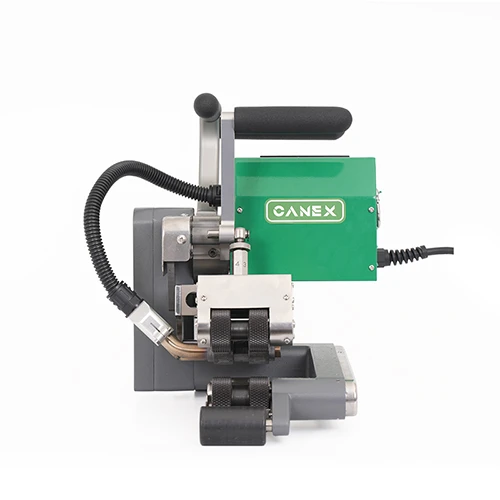
Related Video

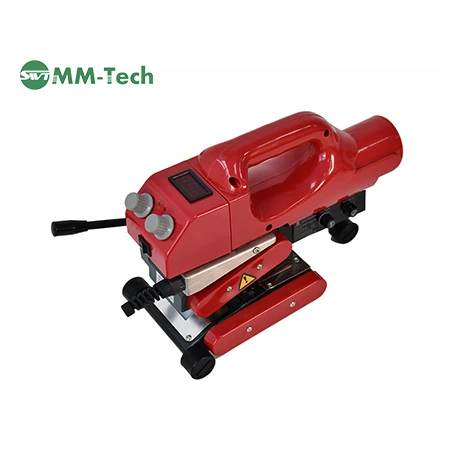

Geo Hot Wedge Welder With Digital Display SWT NS800D Operation Guide
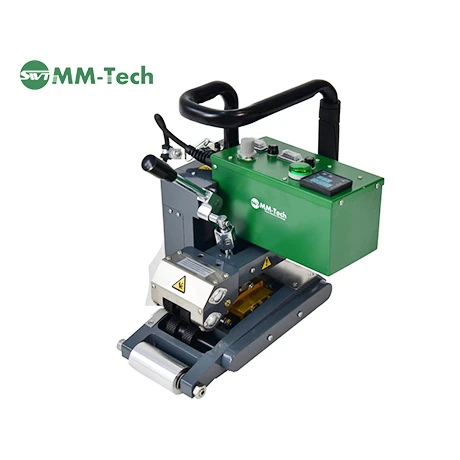
Heavy-Duty Geo Hot Wedge Welder SWT-NS900 Operation Guide
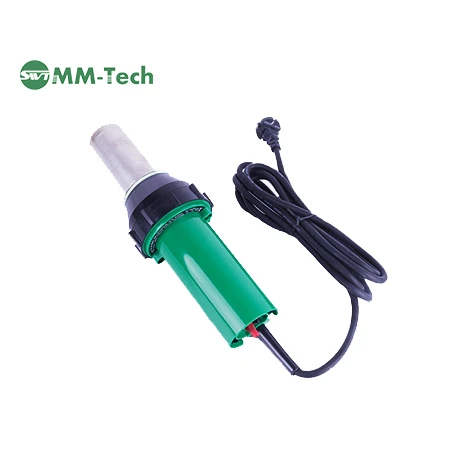
Powerful Professional Hot Air Tool SWT-NS3400A Operation Guide
Geo Hot Wedge Welder SWT NS800 Operation Guide
Compact HDPE Hot Wedge Welding Machine SWT-NSGM1 Operation Guide
Related News
2026-04-30 17:37:47
Split-Type Hot Air Gun: The Next-Generation Welding Solution for Southeast Asia Industrial Fabrication
In the demanding industrial landscapes of Indonesia, Malaysia, and Thailand, efficiency, durability, and adaptability are the keys to staying competitive.
2026-04-24 16:42:25
How to Choose the Best HDPE Liner Welder for Water Conservancy in Africa: A 2026 Guide
In the arid regions of Egypt and the developing agricultural landscapes of Tanzania and Kenya, water is more than a resource—it is life. Whether you are building a massive reservoir, an irrigation canal, or a high-yield fish farm, the integrity of your HDPE liner is only as good as its seams.
2026-04-20 09:54:35
Efficient PVC/TPO Welding (0.8–1.2mm) for Advertising & Truck Curtains on a Budget
Three Functions in One Machine: Breaking Through Process Limitations. Traditional fabrication workshops often require purchasing multiple pieces of equipment to meet diverse processing needs.
2026-04-20 09:53:16
Headline: Maximizing Aquaculture Profits in Peru & Chile: The Ultimate Geomembrane Welding Solution
In the thriving aquaculture industries of Peru and Chile, the integrity of your pond liner is non-negotiable. Whether you are constructing vast square breeding reservoirs or intensive circular tanks, the quality of your seams determines your ROI.
2026-04-16 03:09:36
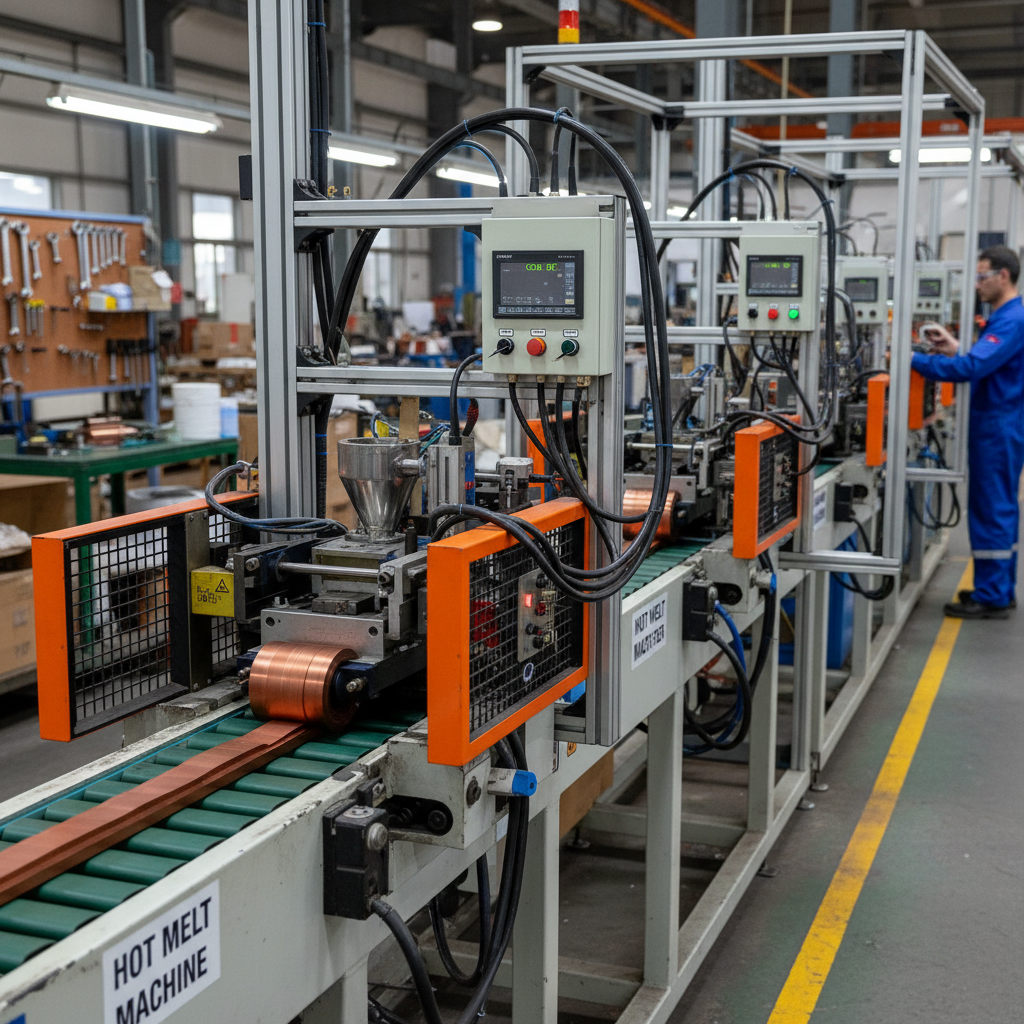
Improve Production Quality Using an Inline Coil Tester System
In the high-precision world of electrical component manufacturing, ensuring the integrity of every single wind is critical. An inline coil tester serves as the ultimate guardian of quality, integrating seamless testing directly into the production line. By detecting defects in real-time, manufacturers can eliminate the risk of faulty coils reaching the assembly stage, thereby reducing waste and protecting brand reputation. Whether you are producing inductors, transformers, or specialized electromagnets, implementing a robust testing strategy is no longer optional—it is a competitive necessity. This guide explores how inline testing transforms efficiency and precision in modern workshops.
2026-04-09 03:15:45
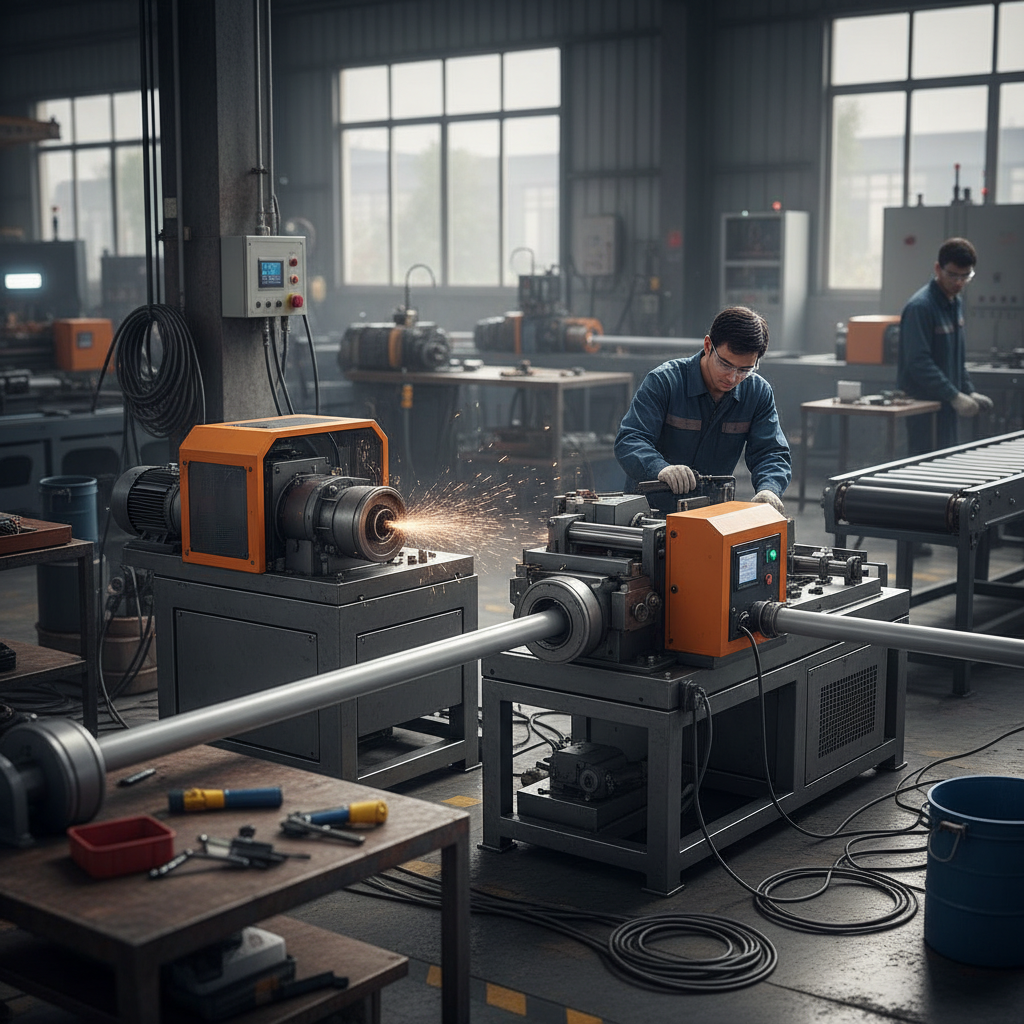
Industrial Leak Detection Using Electronic Spark Tester Guide
In the world of industrial maintenance and pipeline integrity, identifying microscopic leaks can be a daunting challenge. An electronic spark tester serves as a critical diagnostic tool, allowing technicians to pinpoint holidays—tiny pinholes or discontinuities in protective coatings—that are invisible to the naked eye. By applying a high-voltage current to the coating, these devices create a visible spark where the coating is compromised, ensuring that assets are fully protected against corrosion. In this guide, we will explore how this technology works and why it is indispensable for maintaining long-term structural safety.
2026-04-07 03:06:14
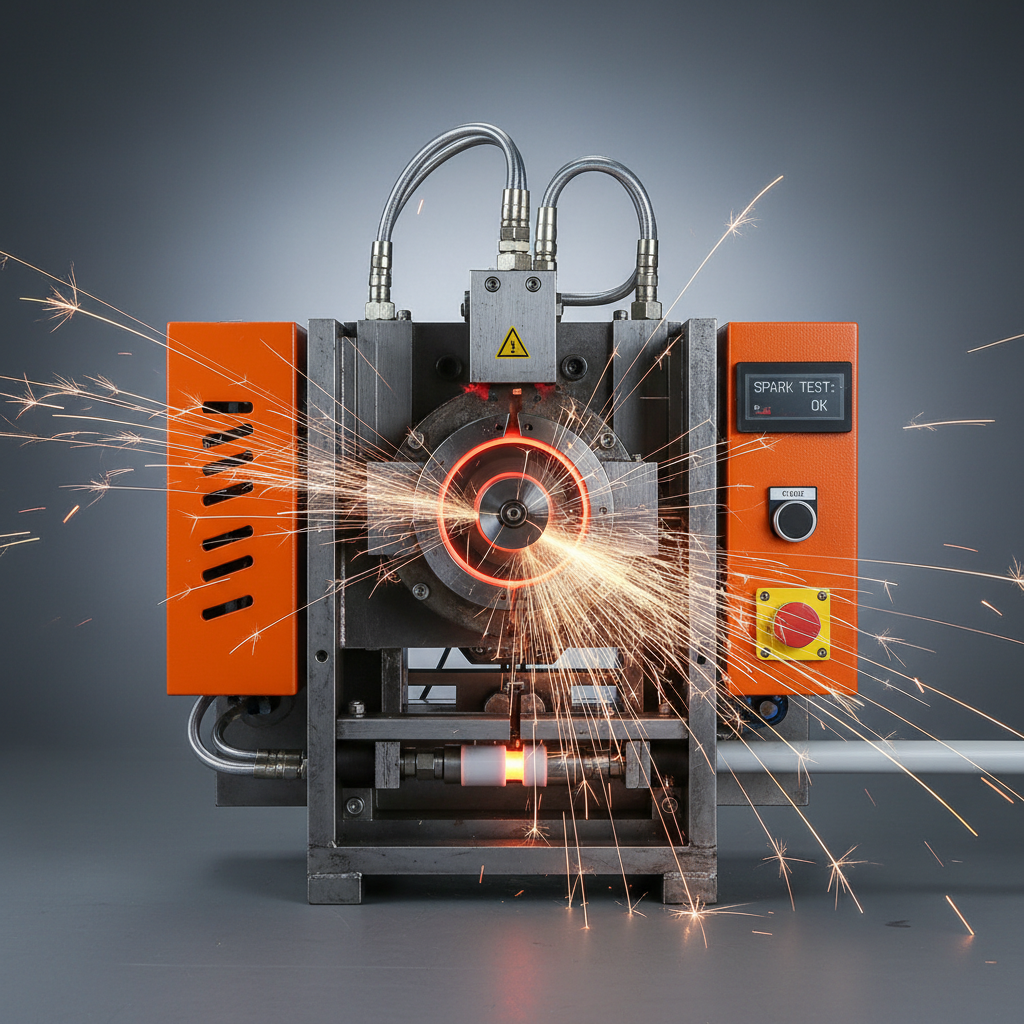
Enhancing Weld Quality with a Versatile Dynamic Spark Tester
In the realm of welding and fabrication, ensuring the quality and integrity of welds is paramount. A dynamic spark tester is an indispensable tool for quickly and reliably assessing weld quality. This article will delve into the functionality, benefits, applications, and considerations when selecting a dynamic spark tester, particularly focusing on how Aqua Fusion Welder's offerings meet industry demands. We’ll explore how this crucial piece of equipment can enhance your quality control processes and reduce costly rework.
2026-04-04 03:16:07
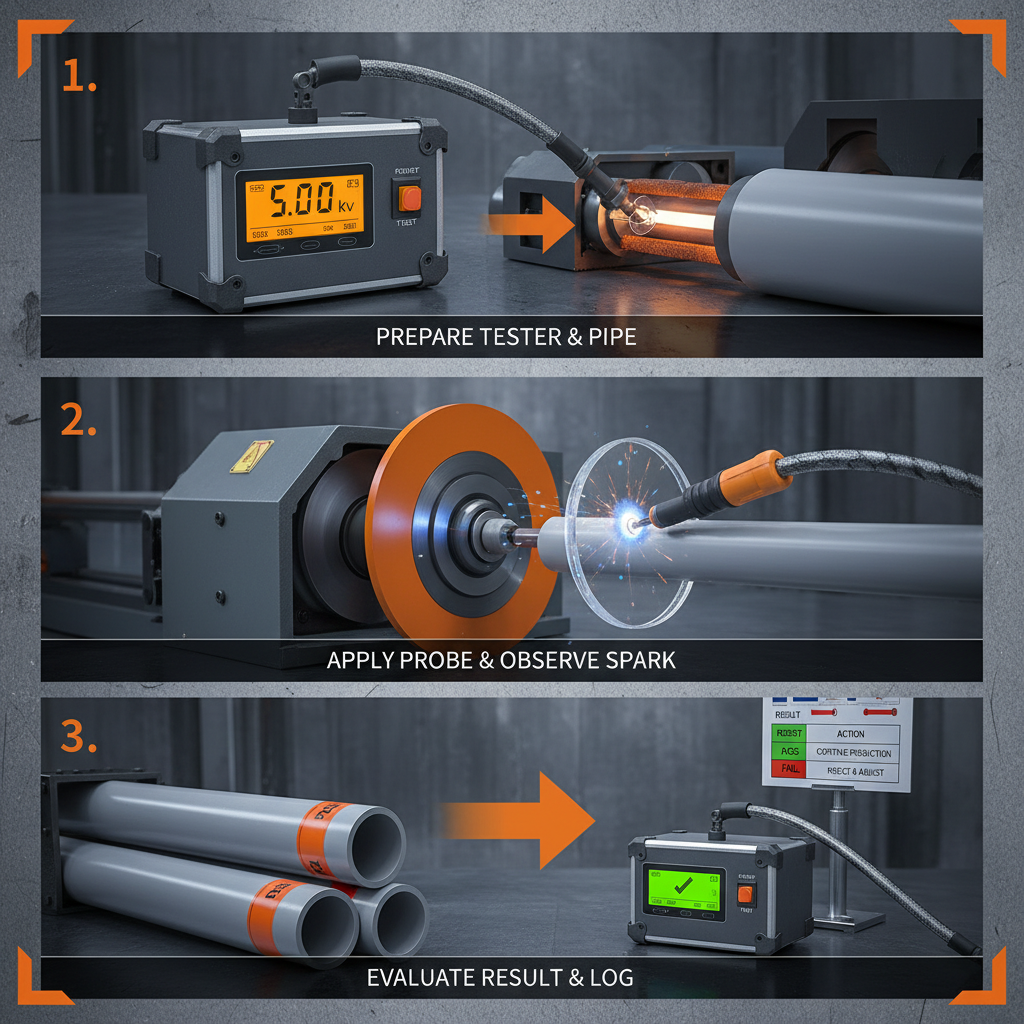
Understanding the Power of a Digital Spark Tester for Weld Quality Assurance
In the realm of welding, particularly fusion welding, ensuring the integrity of the weld is paramount. A reliable method for quickly verifying weld quality is crucial for efficiency, safety, and cost-effectiveness. A digital spark tester offers a non-destructive testing solution, providing immediate feedback on weld penetration. This article will explore the benefits, applications, and key considerations when selecting a digital spark tester, especially concerning Aqua Fusion Welder's offerings. Effective weld quality control is not merely a best practice; it's a necessity for ensuring long-lasting, dependable results.
SUBSCRIBE NEWSLETTER
Dear customer, thank you for your attention! We provide high-quality machinery and equipment and look forward to your orders. Please inform us of your needs and we will respond quickly!






 English