
-
 Email:news@peweldingmachine.com
-
 +86-137 3974 5191
-
 Add:
Add:NO.355,Youyi Street,Qiaoxi District,Shijiazhuang,Hebei,China.



Comprehensive Guide to Inline Spark Checkers for Superior Weld Quality

Comprehensive Guide to Inline Spark Checkers for Superior Weld Quality
Mar . 17, 2026 03:09
Understanding the Inline Spark Checker and its Importance
In the realm of welding, particularly with plastic materials, ensuring a strong, reliable, and visually inspected weld is critical. The inline spark checker plays a vital role in achieving this. This technology is a crucial component of automated welding systems, ensuring quality control and minimizing defects. It’s a non-destructive testing method that offers real-time feedback on weld integrity. This article will delve into the function, benefits, applications, and future trends surrounding the inline spark checker. By understanding this technology, professionals can optimize their welding processes and maintain the highest standards of product quality.
How Does an Inline Spark Checker Work?
The principle behind an inline spark checker is relatively straightforward. During the welding process, a small amount of energy is released as a spark. This spark's characteristics – its intensity, duration, and pattern – are directly related to the quality of the weld. The spark checker utilizes sensors and sophisticated algorithms to analyze these spark characteristics in real-time. If the spark deviates from pre-defined parameters indicative of a good weld, the system signals a potential defect, triggering an alarm or automatically rejecting the welded piece. This proactive approach significantly reduces the number of faulty products and enhances overall production efficiency. It detects issues like insufficient fusion, material gaps, and inconsistencies in the welding parameters.
Key Highlights: The system analyzes spark characteristics like intensity, duration, and pattern in real-time. Signals potential defects, triggering alarms or automatic rejection. Detects insufficient fusion, material gaps and inconsistencies.
The Benefits of Implementing an Inline Spark Checker
Implementing an inline spark checker offers a multitude of advantages. Primarily, it drastically improves quality control, reducing the likelihood of defective products reaching the customer. This, in turn, minimizes warranty claims and enhances brand reputation. Secondly, it increases production efficiency by identifying and addressing welding issues promptly, preventing further processing of flawed parts. Furthermore, it reduces material waste and labor costs associated with rework. By automating the quality inspection process, it also frees up human operators to focus on more complex tasks. The result is a streamlined, more reliable, and cost-effective welding operation.
Key Benefits:
• Improved quality control and reduced defects
• Increased production efficiency
• Reduced material waste and labor costs
• Enhanced brand reputation
Inline Spark Checker vs. Traditional Welding Inspection Methods
Traditional welding inspection methods, such as visual inspection and manual testing, are often time-consuming, subjective, and prone to human error. An inline spark checker, in contrast, provides a consistent, objective, and automated assessment. Unlike visual inspection, which relies on an operator's judgment, the spark checker uses precise measurements and pre-defined criteria. Furthermore, it can detect defects that might be invisible to the naked eye. The automated nature of the system also significantly reduces inspection time, leading to faster production cycles. While traditional methods can still be useful for supplemental checks, the inline spark checker offers a superior level of reliability and efficiency.
Applications of Inline Spark Checkers Across Industries
The applications of inline spark checkers are diverse, spanning across numerous industries. They are particularly crucial in the automotive sector for welding plastic components, ensuring the integrity of fuel tanks and other critical parts. In the pipe manufacturing industry, they guarantee the quality of welds in pipelines used for transporting liquids and gases. The packaging industry utilizes them to weld plastic containers and closures, maintaining product safety and preventing leaks. Furthermore, industries like medical device manufacturing and aerospace leverage this technology for applications requiring high precision and reliability.
Future Trends in Inline Spark Checker Technology
The field of inline spark checking is constantly evolving. Current trends focus on integrating artificial intelligence (AI) and machine learning (ML) algorithms to improve defect detection accuracy and predictive maintenance capabilities. AI-powered systems can learn from historical data to identify patterns and anticipate potential welding issues before they occur. Another emerging trend is the development of more sophisticated sensor technologies that can capture a wider range of spark characteristics, providing a more comprehensive assessment of weld quality. We can also expect greater integration with Industry 4.0 initiatives, enabling seamless data exchange and remote monitoring.
Conclusion: Embracing Innovation for Superior Welding Quality
Investing in an inline spark checker is a strategic step towards achieving higher welding quality, increased efficiency, and reduced costs. By embracing this innovative technology, businesses can stay ahead of the competition and deliver superior products to their customers. Don’t hesitate to explore the capabilities of this essential tool for a more robust and reliable welding operation.
Frequently Asked Questions (FAQs)
What types of plastic materials can be welded using a system with an inline spark checker?
Inline spark checkers are versatile and can be used with a wide range of thermoplastic materials commonly used in welding applications. This includes Polypropylene (PP), Polyethylene (PE), Polyvinyl Chloride (PVC), Acrylonitrile Butadiene Styrene (ABS), and Polyurethane (PU), among others. The specific welding parameters and spark checker settings will need to be optimized based on the specific material being used. The key is ensuring the material has consistent heating and proper fusion characteristics, which the spark checker monitors to verify weld quality. Aquafusion Welder provides expertise in matching the optimal settings for various plastic types.
What maintenance is required for an inline spark checker?
Regular maintenance is crucial for ensuring the accuracy and reliability of an inline spark checker. This typically involves periodic cleaning of the sensors to remove any debris or contaminants. Calibration should be performed at recommended intervals, often every 6-12 months, to ensure the system is providing accurate readings. Software updates are also important for accessing the latest features and improvements. It's advisable to follow the manufacturer's guidelines for maintenance procedures. Aquafusion Welder offers comprehensive maintenance plans.
Can an inline spark checker detect all types of welding defects?
While inline spark checkers are incredibly effective at detecting common welding defects like insufficient fusion, porosity, and material gaps, they may not catch every single type of flaw. For example, very small, subsurface cracks might not be readily detectable. Therefore, it’s often recommended to supplement the inline spark checker with other quality control methods, such as visual inspection or ultrasonic testing, for critical applications where absolute reliability is paramount.
What is the typical return on investment (ROI) for implementing an inline spark checker?
The ROI for an inline spark checker can be substantial. The primary benefits – reduced scrap rates, lower warranty claims, and increased production efficiency – translate into significant cost savings. The specific ROI will depend on factors such as production volume, the cost of materials, and the frequency of defects. However, many companies report a payback period of less than one year. Beyond the direct cost savings, the improved product quality and enhanced brand reputation contribute to long-term value.

Related Products
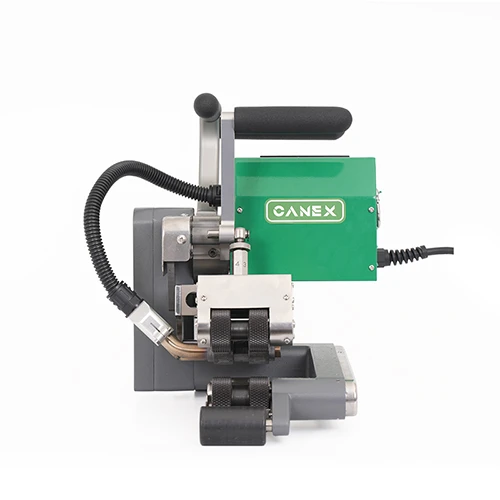
Related Video

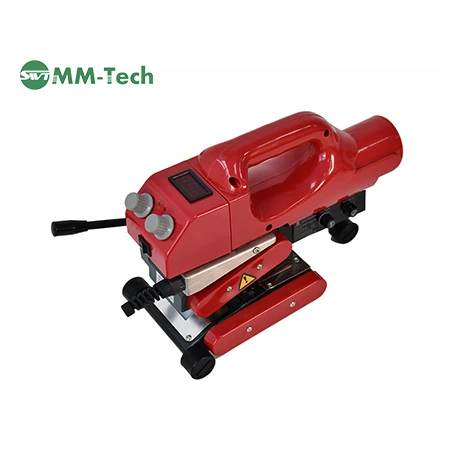

Geo Hot Wedge Welder With Digital Display SWT NS800D Operation Guide
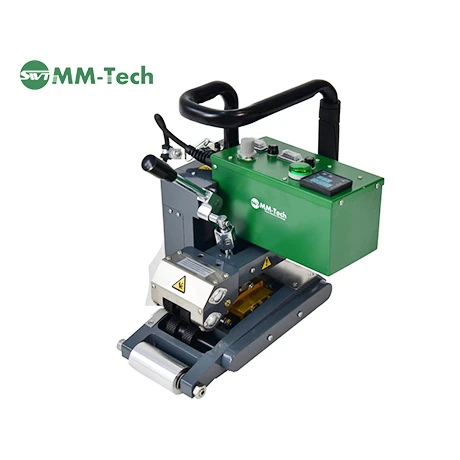
Heavy-Duty Geo Hot Wedge Welder SWT-NS900 Operation Guide
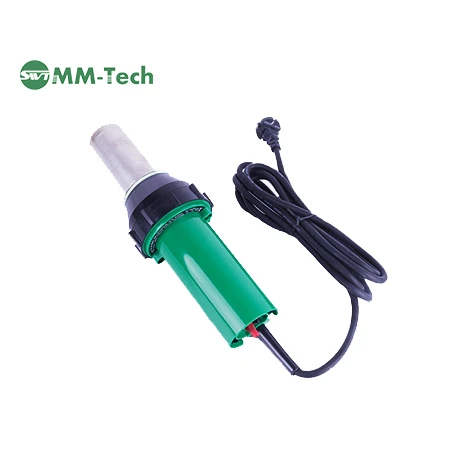
Powerful Professional Hot Air Tool SWT-NS3400A Operation Guide
Geo Hot Wedge Welder SWT NS800 Operation Guide
Compact HDPE Hot Wedge Welding Machine SWT-NSGM1 Operation Guide
Related News
2026-04-16 03:09:36
Improve Production Quality Using an Inline Coil Tester System
In the high-precision world of electrical component manufacturing, ensuring the integrity of every single wind is critical. An inline coil tester serves as the ultimate guardian of quality, integrating seamless testing directly into the production line. By detecting defects in real-time, manufacturers can eliminate the risk of faulty coils reaching the assembly stage, thereby reducing waste and protecting brand reputation. Whether you are producing inductors, transformers, or specialized electromagnets, implementing a robust testing strategy is no longer optional—it is a competitive necessity. This guide explores how inline testing transforms efficiency and precision in modern workshops.
2026-04-09 03:15:45
Industrial Leak Detection Using Electronic Spark Tester Guide
In the world of industrial maintenance and pipeline integrity, identifying microscopic leaks can be a daunting challenge. An electronic spark tester serves as a critical diagnostic tool, allowing technicians to pinpoint holidays—tiny pinholes or discontinuities in protective coatings—that are invisible to the naked eye. By applying a high-voltage current to the coating, these devices create a visible spark where the coating is compromised, ensuring that assets are fully protected against corrosion. In this guide, we will explore how this technology works and why it is indispensable for maintaining long-term structural safety.
2026-04-07 03:06:14
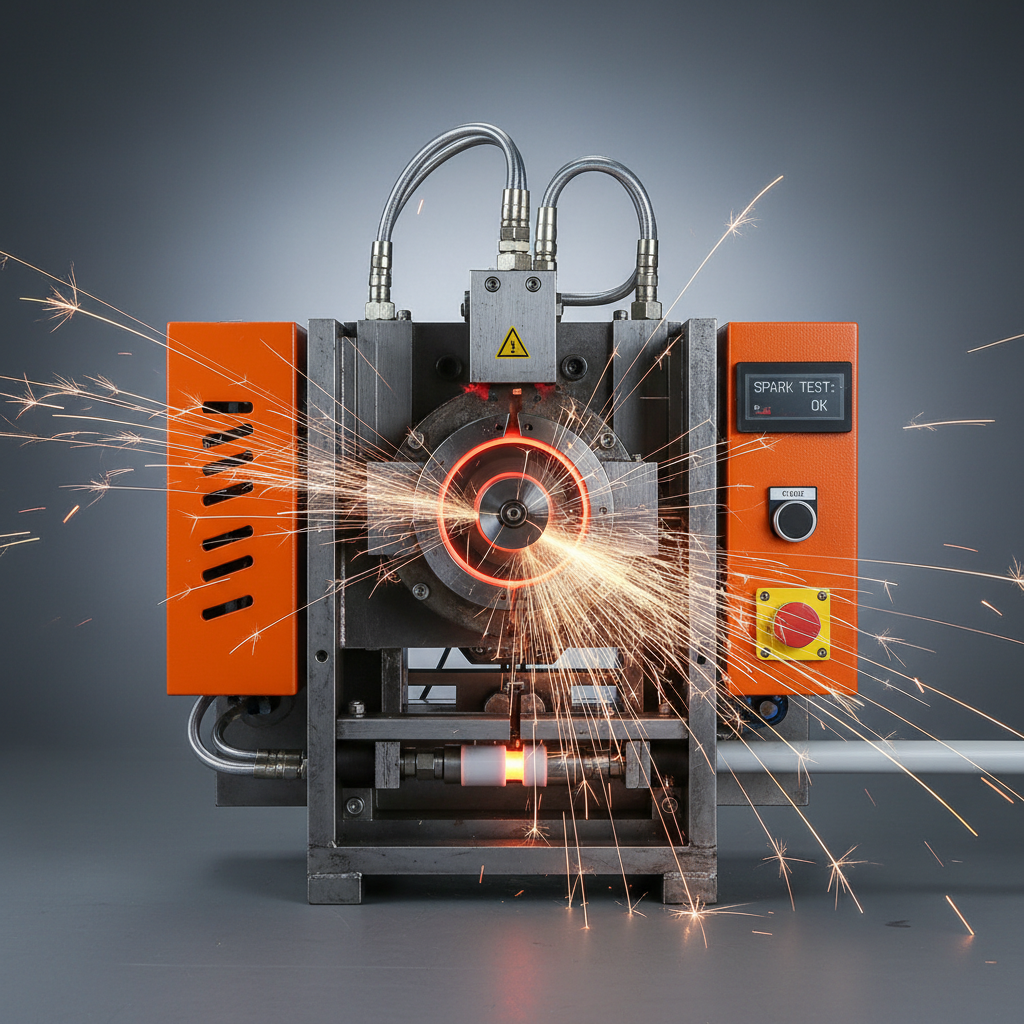
Enhancing Weld Quality with a Versatile Dynamic Spark Tester
In the realm of welding and fabrication, ensuring the quality and integrity of welds is paramount. A dynamic spark tester is an indispensable tool for quickly and reliably assessing weld quality. This article will delve into the functionality, benefits, applications, and considerations when selecting a dynamic spark tester, particularly focusing on how Aqua Fusion Welder's offerings meet industry demands. We’ll explore how this crucial piece of equipment can enhance your quality control processes and reduce costly rework.
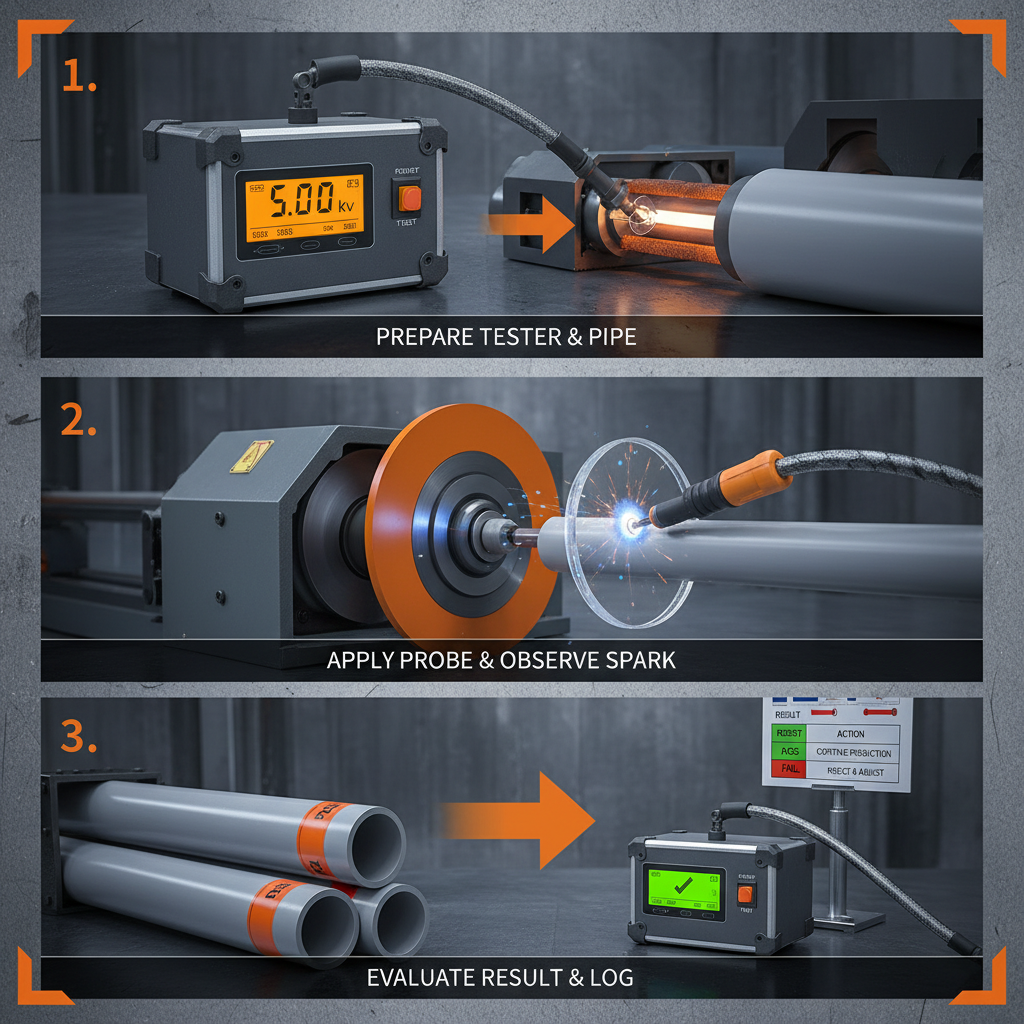
2026-04-04 03:16:07
Understanding the Power of a Digital Spark Tester for Weld Quality Assurance
In the realm of welding, particularly fusion welding, ensuring the integrity of the weld is paramount. A reliable method for quickly verifying weld quality is crucial for efficiency, safety, and cost-effectiveness. A digital spark tester offers a non-destructive testing solution, providing immediate feedback on weld penetration. This article will explore the benefits, applications, and key considerations when selecting a digital spark tester, especially concerning Aqua Fusion Welder's offerings. Effective weld quality control is not merely a best practice; it's a necessity for ensuring long-lasting, dependable results.
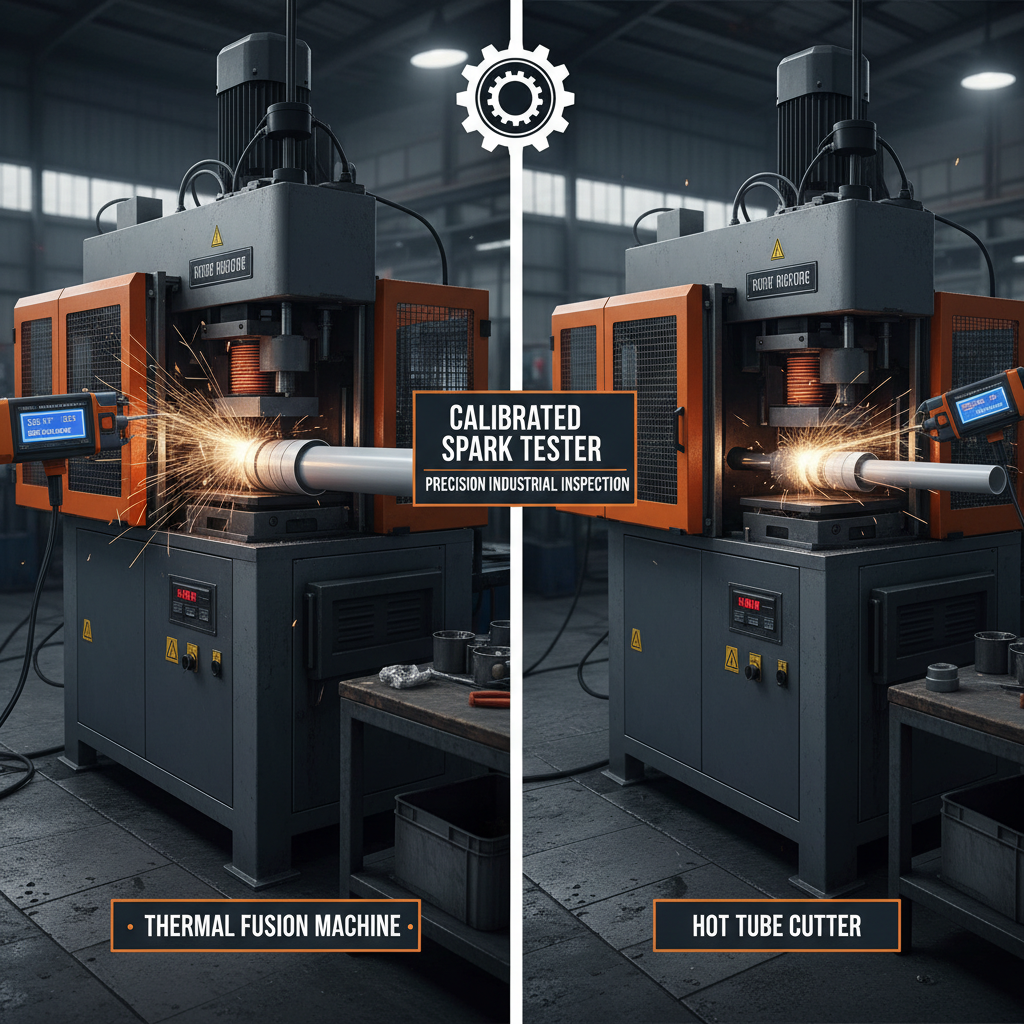
2026-03-31 03:08:14
Understanding and Utilizing a Calibrated Spark Tester for Quality Welding
In the realm of welding, ensuring quality and safety is paramount. A crucial tool for achieving this is the calibrated spark tester. This device is vital for verifying the correct settings on a hot gas welding machine, ensuring consistent and reliable welds. This article delves into what a calibrated spark tester is, how it works, its importance in various applications, choosing the right tester, maintenance best practices, and safety precautions. We’ll explore its role in optimizing welding processes and upholding industry standards.
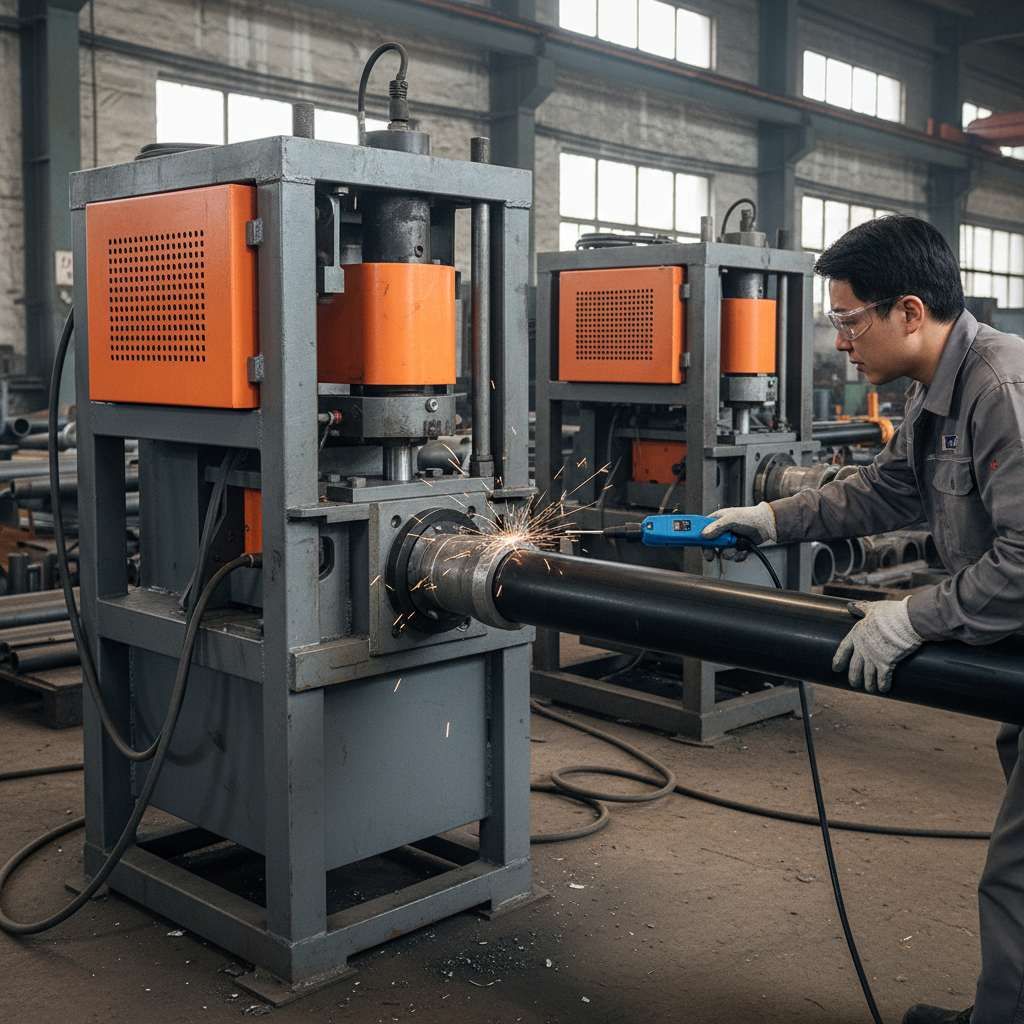
2026-03-28 03:25:06
Comprehensive Guide to the Blue Point Spark Tester for Welding Optimization
When dealing with gas metal arc welding (GMAW) and flux-cored arc welding (FCAW), ensuring a proper arc and consistent weld quality is critical. The Blue Point Spark Tester is an invaluable tool for verifying proper electrical connections and detecting potential issues before welding begins. This article provides a detailed overview of the Blue Point Spark Tester, its functionality, applications, and how it can improve your welding outcomes. Investing in a reliable spark tester like this can save time, materials, and ensure a higher quality of weld.
2026-03-26 03:15:05
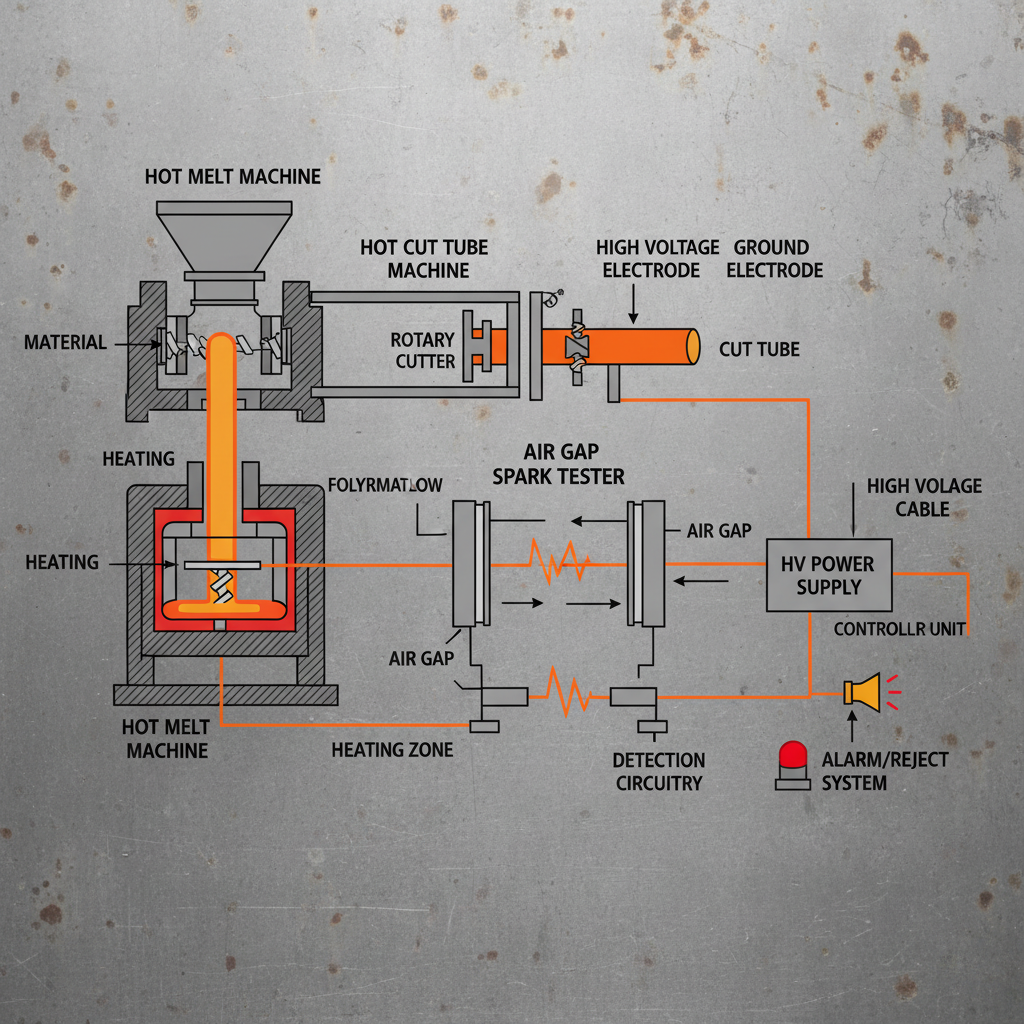
Comprehensive Guide to Air Gap Spark Tester Applications and Selection
In the realm of welding and metal fabrication, ensuring the quality and integrity of welds is paramount. An air gap spark tester is a vital tool for non-destructive testing, allowing professionals to quickly and accurately identify potential issues in welds. This article provides an in-depth exploration of air gap spark testers, their applications, benefits, and considerations for choosing the right model. From quality control to safety, understanding this technology is crucial for maintaining high standards in your welding processes. Aqua Fusion Welder provides high-quality solutions for all your welding testing needs. An air gap spark tester, also known as a porosity tester, is a device used to detect the presence of air gaps, porosity, or incomplete fusion in welds. It works by applying a high-voltage electrical discharge across the weld surface. If flaws exist, the spark will travel through the air gap, producing a visible arc and indicating a defect. This provides a quick and efficient method for identifying potential weaknesses that could compromise the weld's structural integrity.
2026-03-24 03:17:19
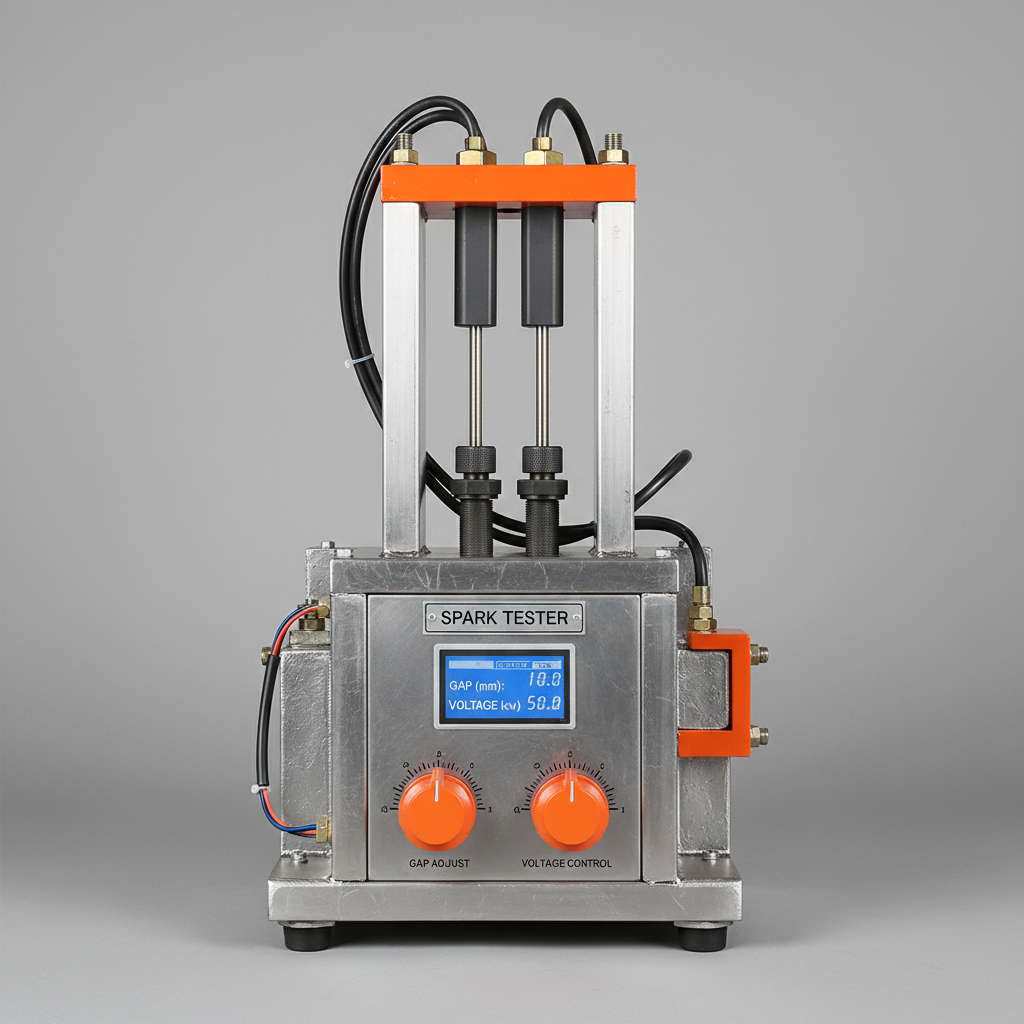
Comprehensive Guide to the Adjustable Gap Spark Tester for Weld Quality Assurance
The adjustable gap spark tester is an essential tool for quality control in welding applications, particularly for polyethylene (PE) and polypropylene (PP) piping systems. This article dives deep into its functionality, benefits, applications, and why choosing a reliable tester like those from Aqua Fusion Welder is critical for ensuring weld integrity. Properly assessing weld quality prevents costly failures and maintains the long-term reliability of critical infrastructure. Let's explore the core principles and advantages of using an adjustable gap spark tester. An adjustable gap spark tester is a non-destructive testing (NDT) device used to identify gaps or voids within a weld. It operates on the principle of high voltage discharge. When a high voltage is applied across the weld, it arcs across any gaps or imperfections, creating a visible spark. The size of the adjustable gap determines the sensitivity of the test; a smaller gap detects smaller flaws.
SUBSCRIBE NEWSLETTER
Dear customer, thank you for your attention! We provide high-quality machinery and equipment and look forward to your orders. Please inform us of your needs and we will respond quickly!






 English