
-
 Email:news@peweldingmachine.com
-
 +86-137 3974 5191
-
 Add:
Add:NO.355,Youyi Street,Qiaoxi District,Shijiazhuang,Hebei,China.



Industrial Leak Detection Using Electronic Spark Tester Guide

Industrial Leak Detection Using Electronic Spark Tester Guide
Apr . 09, 2026 03:15
Mastering Leak Detection with an Electronic Spark Tester
In the world of industrial maintenance and pipeline integrity, identifying microscopic leaks can be a daunting challenge. An electronic spark tester serves as a critical diagnostic tool, allowing technicians to pinpoint holidays—tiny pinholes or discontinuities in protective coatings—that are invisible to the naked eye. By applying a high-voltage current to the coating, these devices create a visible spark where the coating is compromised, ensuring that assets are fully protected against corrosion. In this guide, we will explore how this technology works and why it is indispensable for maintaining long-term structural safety.
How an Electronic Spark Tester Detects Coating Defects
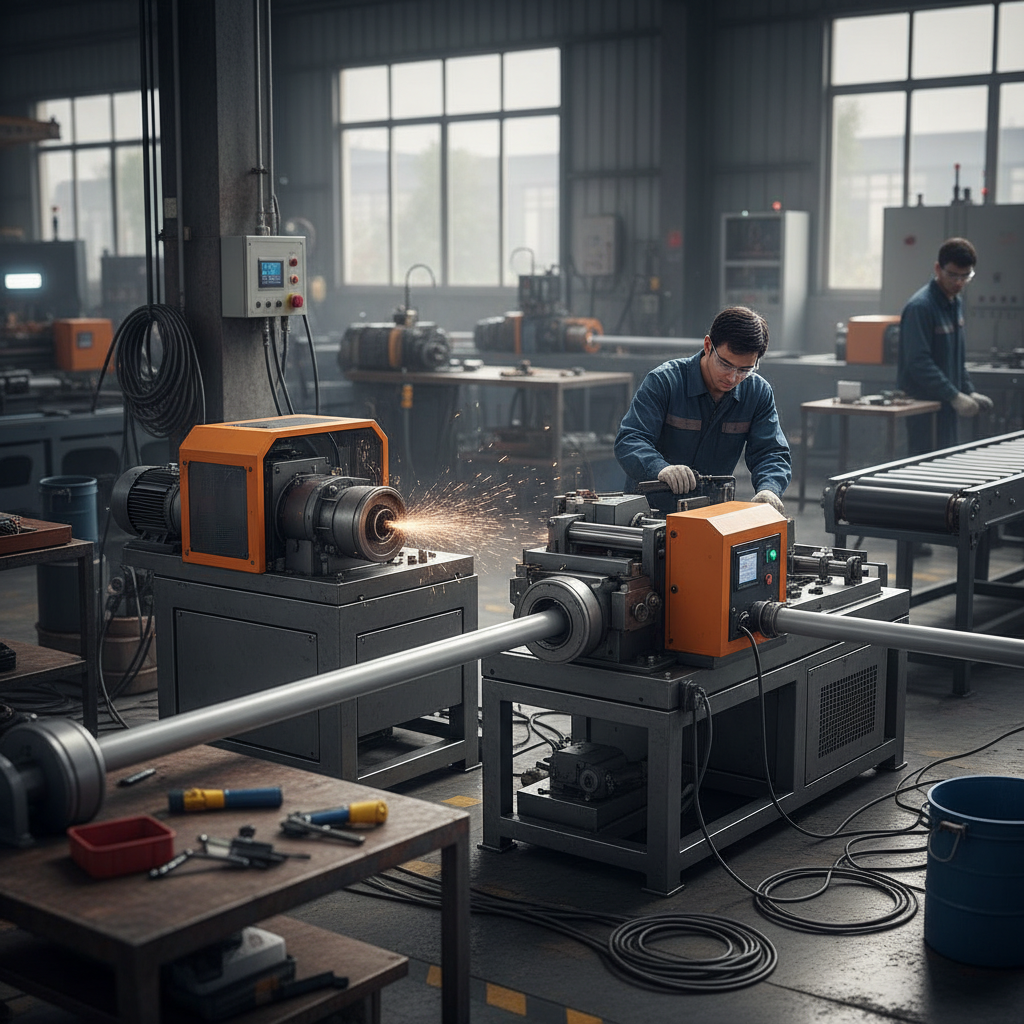
The fundamental principle behind an electronic spark tester is the creation of an electrical circuit. The device generates a high-voltage DC current that is passed through a handheld probe. When the probe moves across a perfectly coated surface, the insulating properties of the coating prevent the current from flowing to the grounded metal substrate. However, when the probe encounters a "holiday" or a void in the coating, the electricity jumps the gap, creating a distinct electrical spark and often triggering an audible alarm. This immediate feedback allows operators to mark the exact location of the defect for immediate repair, preventing costly corrosion failures.
Pro Tip: Always ensure the substrate is properly grounded before beginning the test to ensure the spark is consistent and the readings are accurate.
Key Benefits of Using a Professional Electronic Spark Tester
Utilizing a professional-grade electronic spark tester offers several advantages over manual visual inspections. First, it provides objective verification; while a human eye might miss a pinhole, electricity never does. Second, it significantly reduces the time required for quality control in large-scale projects, such as pipeline coatings or tank linings. Third, it ensures compliance with international standards (like NACE or ASTM), which often mandate spark testing for high-pressure or hazardous material containment. By eliminating guesswork, companies can avoid the catastrophic risks associated with undetected coating failures.
Main Advantages:
• Detects microscopic pinholes invisible to the human eye
• Provides instant audible and visual alerts for defect detection
• Ensures adherence to global industrial coating standards
• Prevents premature corrosion and extends asset lifespan
Comparing Spark Testing vs. Wet Sponge Testing
Depending on the thickness of the coating, different methods are required. While the electronic spark tester is the gold standard for thick-film coatings, "wet sponge" testing is used for very thin coatings to avoid burning through the material. The primary difference lies in the voltage used and the sensitivity of the detection. High-voltage spark testing is faster and more effective for heavy-duty industrial linings, whereas low-voltage testing is safer for delicate films. Understanding which tool to use is essential for maintaining the integrity of the protective layer without causing secondary damage.
Industrial Applications of Electronic Spark Testers
The versatility of the electronic spark tester makes it essential across various high-stakes industries. In the oil and gas sector, it is used to test the external coatings of buried pipelines to prevent soil-induced corrosion. In chemical processing, it ensures that storage tanks are perfectly lined to withstand aggressive acids. Additionally, the marine industry relies on these testers to verify the integrity of hull coatings against saltwater erosion. From aerospace components to municipal water systems, spark testing is the final line of defense in quality assurance.
Technical Specifications for Selecting a Spark Tester
When purchasing an electronic spark tester, it is vital to match the equipment's specifications to the material being tested. The most critical factor is the voltage range; if the voltage is too low, it won't penetrate the coating to find the hole; if it's too high, it could puncture the coating. Modern testers also offer adjustable voltage controls and high-sensitivity alarms to accommodate different environmental noise levels. Below is a typical specification table for industrial-grade testers:
Conclusion: Ensuring Quality with Precise Testing
The implementation of an electronic spark tester is more than just a quality check—it is a critical insurance policy for your industrial assets. By identifying "invisible" defects before they lead to corrosion, companies can save millions in repair costs and prevent environmental disasters. Whether you are managing a pipeline project or maintaining a chemical tank, investing in high-precision testing equipment ensures that your protective coatings perform exactly as intended. Don't leave your infrastructure to chance; embrace the precision of spark testing.
Frequently Asked Questions (FAQs)
Can an electronic spark tester damage my coating?
If the voltage is set correctly according to the coating's thickness and material, it will not damage the surface. However, if the voltage is set excessively high for a thin coating, it can "burn through" the material, creating a new hole. This is why it is essential to calculate the correct voltage based on the dielectric strength of the coating. Following the manufacturer's guidelines and industry standards (like NACE) ensures that the test remains non-destructive and safe for the surface.
What is a "holiday" in the context of spark testing?
In the coatings industry, a "holiday" is a technical term for any discontinuity, void, or pinhole in a protective film. These gaps can be caused by improper application, contamination on the substrate, or physical damage during transport. Even a microscopic holiday provides a pathway for moisture and oxygen to reach the metal, leading to rapid localized corrosion. The electronic spark tester is specifically designed to find these holidays by completing a circuit between the probe and the metal through the gap.
How do I ensure the spark tester is calibrated?
Calibration is key to accuracy. Most professional testers come with a calibration kit or a known-defect sample. To calibrate, the operator tests a surface with a known holiday size and thickness to verify that the alarm triggers at the expected voltage. Regular calibration intervals (usually annually or every six months) are recommended to account for component wear. Always check the calibration date before starting a critical project to ensure the results are legally and technically valid.
Is grounding necessary for the spark test to work?
Yes, grounding is absolutely mandatory. For an electronic spark tester to create a spark, there must be a potential difference between the probe and the substrate. If the metal pipe or tank is not grounded, the electricity has nowhere to flow, and the device will not trigger an alarm even if a holiday is present. Technicians typically use a grounding clamp attached directly to the clean metal of the workpiece or a grounding rod driven into the earth for buried pipelines.

Related Products
Related Video

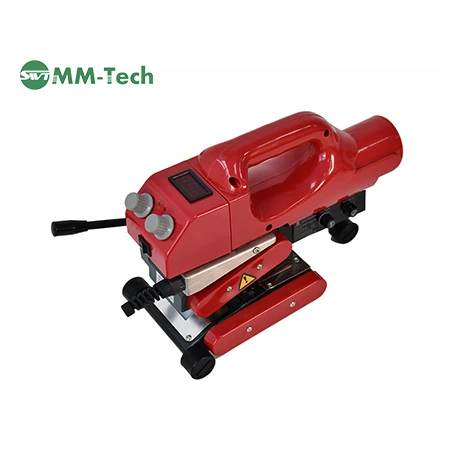

Geo Hot Wedge Welder With Digital Display SWT NS800D Operation Guide
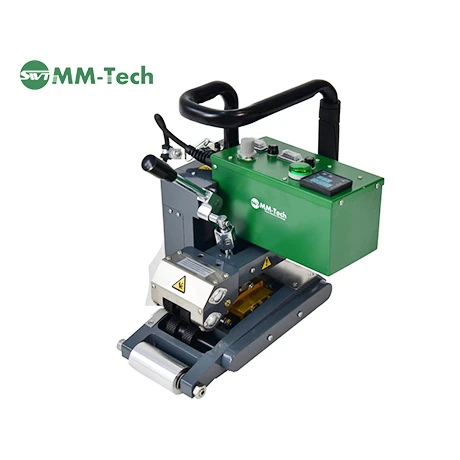
Heavy-Duty Geo Hot Wedge Welder SWT-NS900 Operation Guide
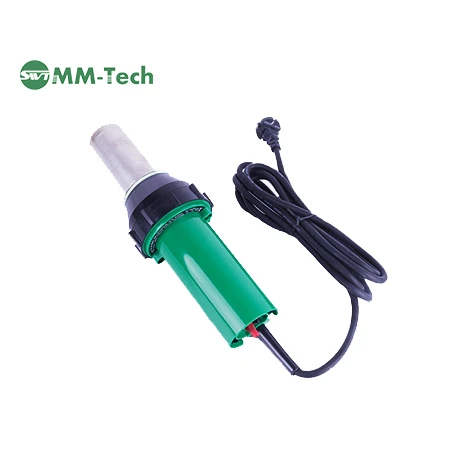
Powerful Professional Hot Air Tool SWT-NS3400A Operation Guide
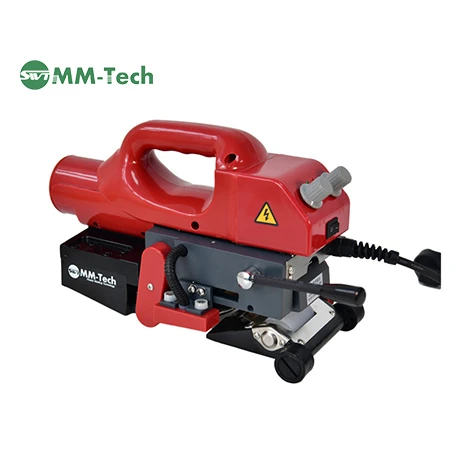
Geo Hot Wedge Welder SWT NS800 Operation Guide
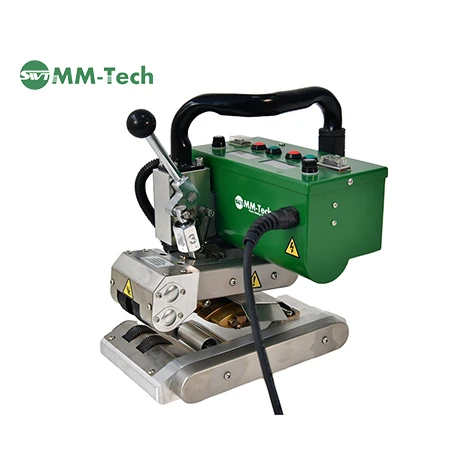
Compact HDPE Hot Wedge Welding Machine SWT-NSGM1 Operation Guide
Related News
2026-04-16 03:09:36
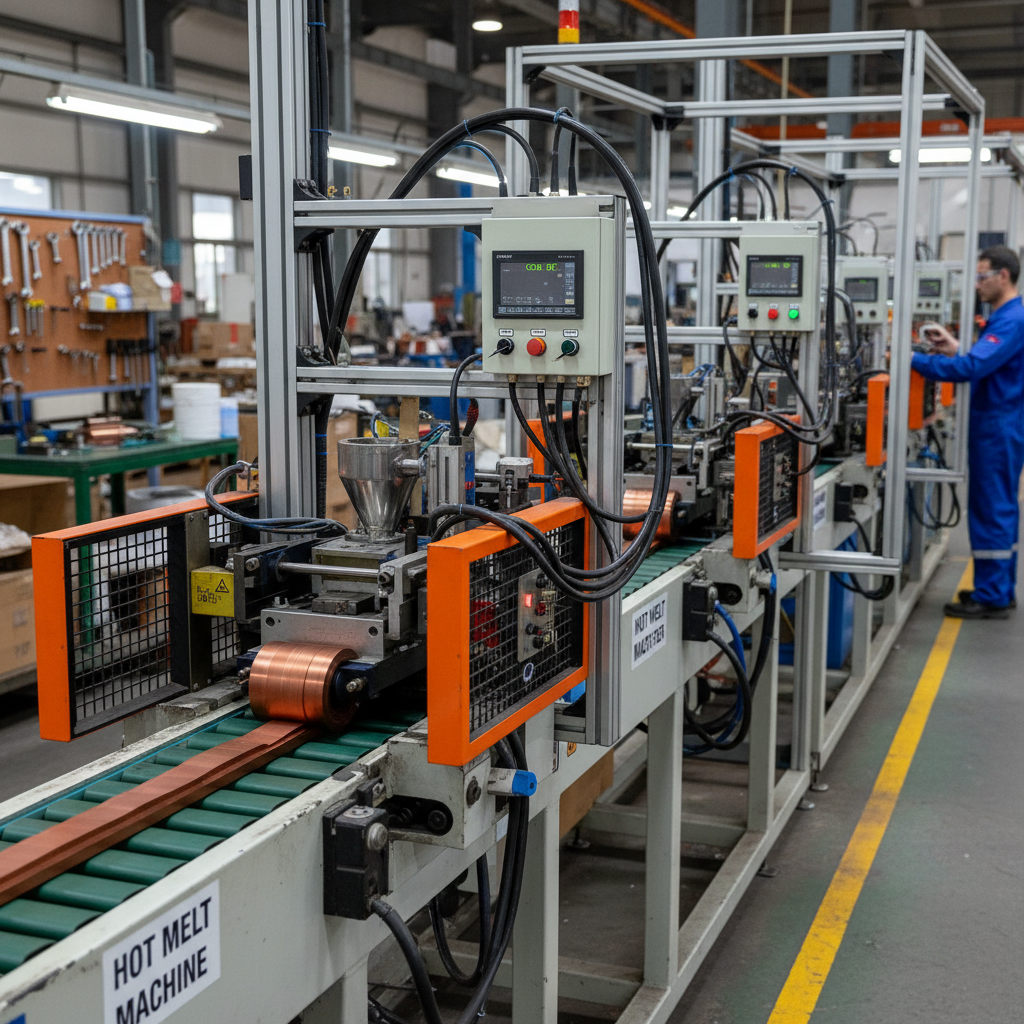
Improve Production Quality Using an Inline Coil Tester System
In the high-precision world of electrical component manufacturing, ensuring the integrity of every single wind is critical. An inline coil tester serves as the ultimate guardian of quality, integrating seamless testing directly into the production line. By detecting defects in real-time, manufacturers can eliminate the risk of faulty coils reaching the assembly stage, thereby reducing waste and protecting brand reputation. Whether you are producing inductors, transformers, or specialized electromagnets, implementing a robust testing strategy is no longer optional—it is a competitive necessity. This guide explores how inline testing transforms efficiency and precision in modern workshops.
2026-04-07 03:06:14
Enhancing Weld Quality with a Versatile Dynamic Spark Tester
In the realm of welding and fabrication, ensuring the quality and integrity of welds is paramount. A dynamic spark tester is an indispensable tool for quickly and reliably assessing weld quality. This article will delve into the functionality, benefits, applications, and considerations when selecting a dynamic spark tester, particularly focusing on how Aqua Fusion Welder's offerings meet industry demands. We’ll explore how this crucial piece of equipment can enhance your quality control processes and reduce costly rework.
2026-04-04 03:16:07
Understanding the Power of a Digital Spark Tester for Weld Quality Assurance
In the realm of welding, particularly fusion welding, ensuring the integrity of the weld is paramount. A reliable method for quickly verifying weld quality is crucial for efficiency, safety, and cost-effectiveness. A digital spark tester offers a non-destructive testing solution, providing immediate feedback on weld penetration. This article will explore the benefits, applications, and key considerations when selecting a digital spark tester, especially concerning Aqua Fusion Welder's offerings. Effective weld quality control is not merely a best practice; it's a necessity for ensuring long-lasting, dependable results.
2026-03-31 03:08:14
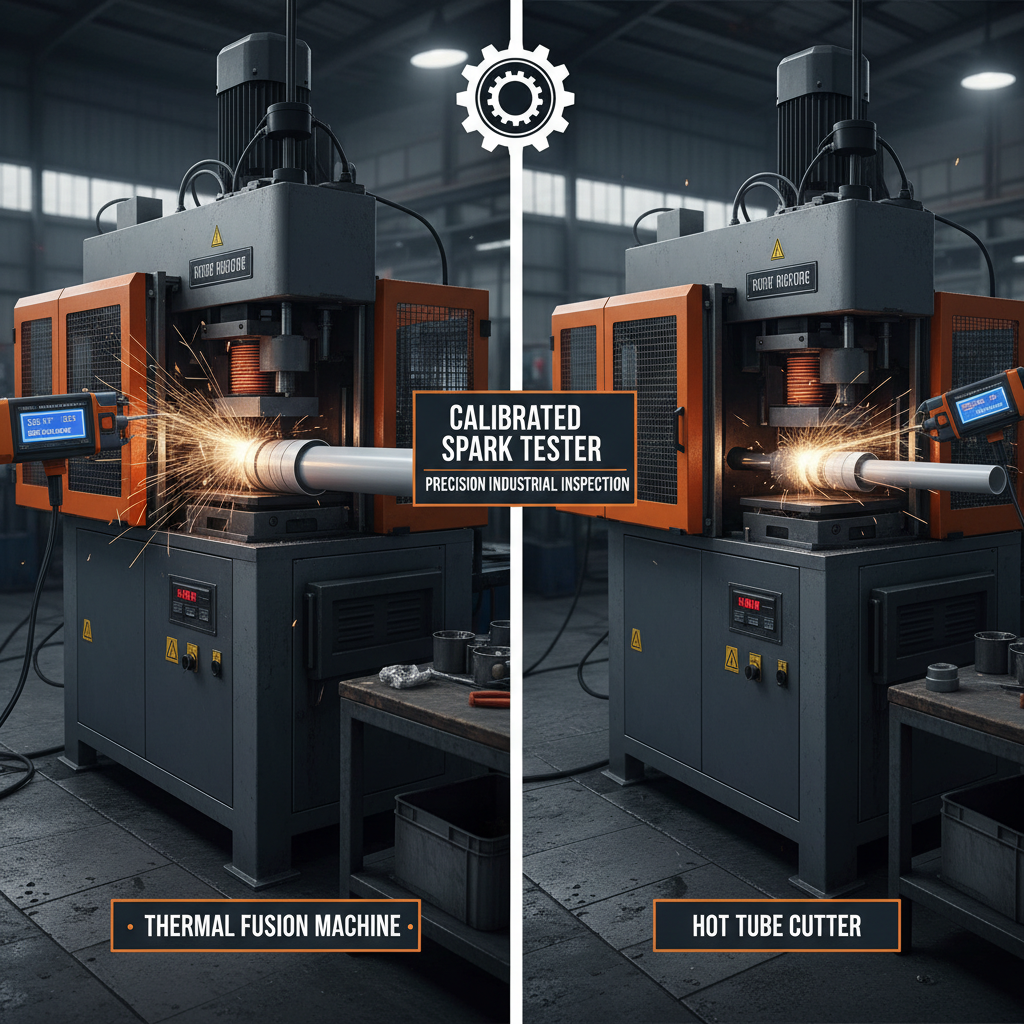
Understanding and Utilizing a Calibrated Spark Tester for Quality Welding
In the realm of welding, ensuring quality and safety is paramount. A crucial tool for achieving this is the calibrated spark tester. This device is vital for verifying the correct settings on a hot gas welding machine, ensuring consistent and reliable welds. This article delves into what a calibrated spark tester is, how it works, its importance in various applications, choosing the right tester, maintenance best practices, and safety precautions. We’ll explore its role in optimizing welding processes and upholding industry standards.
2026-03-28 03:25:06
Comprehensive Guide to the Blue Point Spark Tester for Welding Optimization
When dealing with gas metal arc welding (GMAW) and flux-cored arc welding (FCAW), ensuring a proper arc and consistent weld quality is critical. The Blue Point Spark Tester is an invaluable tool for verifying proper electrical connections and detecting potential issues before welding begins. This article provides a detailed overview of the Blue Point Spark Tester, its functionality, applications, and how it can improve your welding outcomes. Investing in a reliable spark tester like this can save time, materials, and ensure a higher quality of weld.
2026-03-26 03:15:05
Comprehensive Guide to Air Gap Spark Tester Applications and Selection
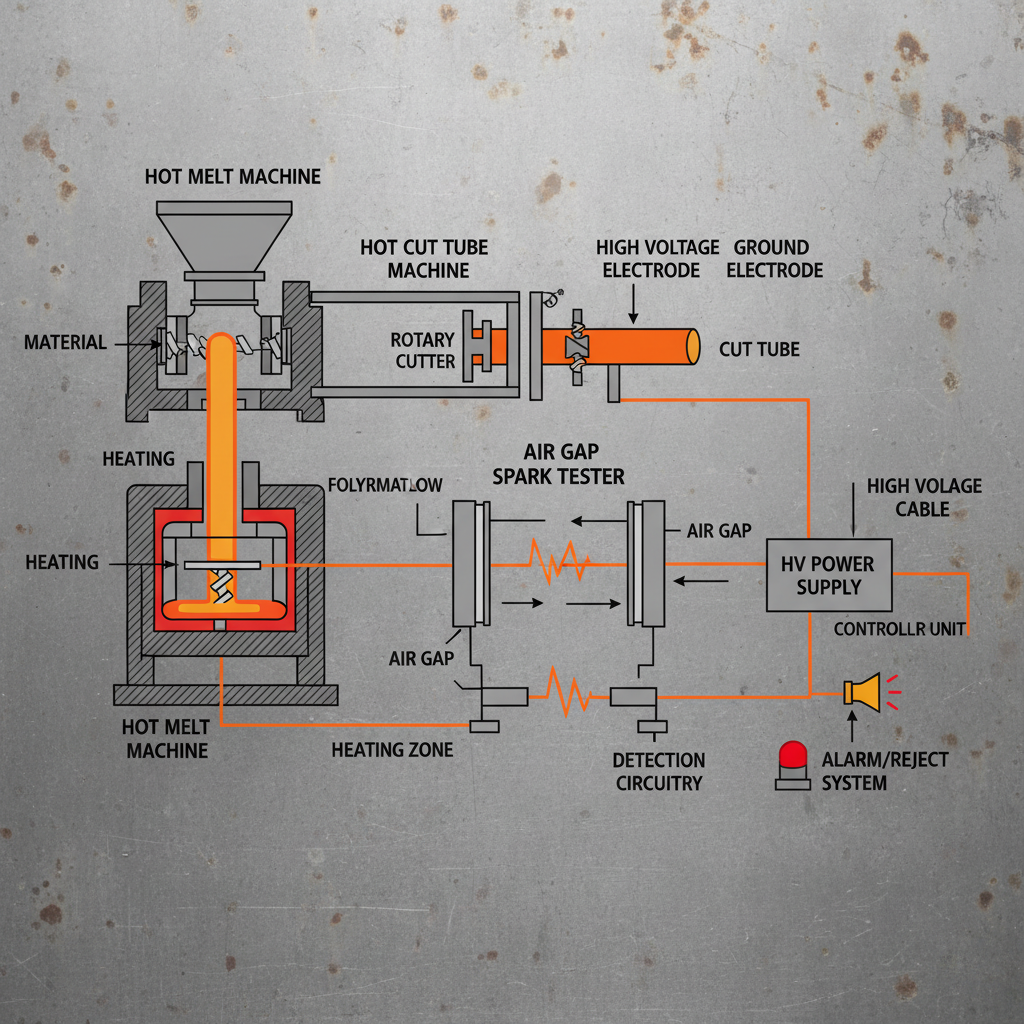
In the realm of welding and metal fabrication, ensuring the quality and integrity of welds is paramount. An air gap spark tester is a vital tool for non-destructive testing, allowing professionals to quickly and accurately identify potential issues in welds. This article provides an in-depth exploration of air gap spark testers, their applications, benefits, and considerations for choosing the right model. From quality control to safety, understanding this technology is crucial for maintaining high standards in your welding processes. Aqua Fusion Welder provides high-quality solutions for all your welding testing needs. An air gap spark tester, also known as a porosity tester, is a device used to detect the presence of air gaps, porosity, or incomplete fusion in welds. It works by applying a high-voltage electrical discharge across the weld surface. If flaws exist, the spark will travel through the air gap, producing a visible arc and indicating a defect. This provides a quick and efficient method for identifying potential weaknesses that could compromise the weld's structural integrity.
2026-03-24 03:17:19
Comprehensive Guide to the Adjustable Gap Spark Tester for Weld Quality Assurance
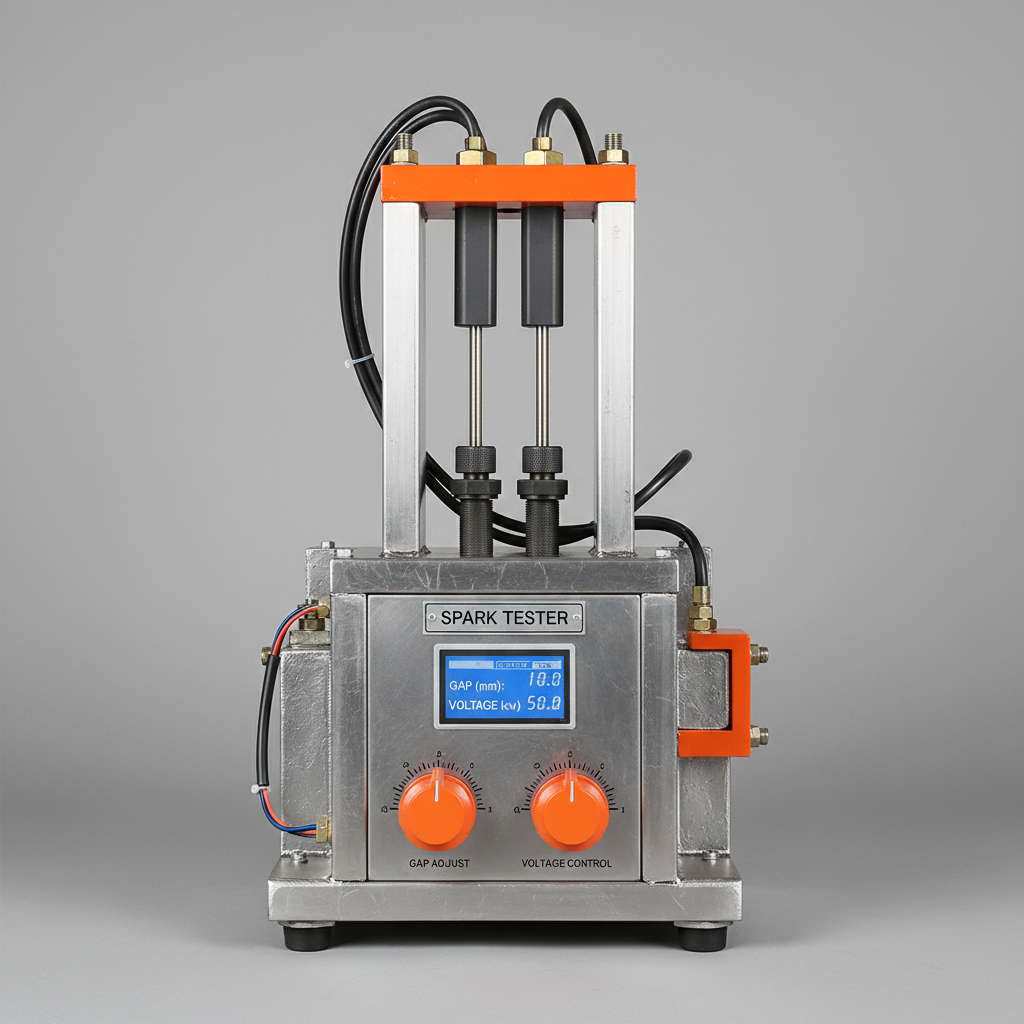
The adjustable gap spark tester is an essential tool for quality control in welding applications, particularly for polyethylene (PE) and polypropylene (PP) piping systems. This article dives deep into its functionality, benefits, applications, and why choosing a reliable tester like those from Aqua Fusion Welder is critical for ensuring weld integrity. Properly assessing weld quality prevents costly failures and maintains the long-term reliability of critical infrastructure. Let's explore the core principles and advantages of using an adjustable gap spark tester. An adjustable gap spark tester is a non-destructive testing (NDT) device used to identify gaps or voids within a weld. It operates on the principle of high voltage discharge. When a high voltage is applied across the weld, it arcs across any gaps or imperfections, creating a visible spark. The size of the adjustable gap determines the sensitivity of the test; a smaller gap detects smaller flaws.
SUBSCRIBE NEWSLETTER
Dear customer, thank you for your attention! We provide high-quality machinery and equipment and look forward to your orders. Please inform us of your needs and we will respond quickly!






 English