
-
 Email:news@peweldingmachine.com
-
 +86-137 3974 5191
-
 Add:
Add:NO.355,Youyi Street,Qiaoxi District,Shijiazhuang,Hebei,China.



Discover the Hot Air Gun: Technology, Applications & Future Trends

Discover the Hot Air Gun: Technology, Applications & Future Trends
Nov . 28, 2025 13:50
Getting to Know the Hot Air Gun: Why It Matters in Today’s Tech Landscape
At first glance, a hot air gun might just seem like another handheld tool — a bit like a hair dryer on steroids, right? But it’s far more than that. These devices have woven themselves quietly into global industries and even humanitarian efforts, handling tasks from plastic welding to electronics repair, and thermal shrinking applications. Understanding the hot air gun isn’t just about knowing a tool; it’s about seeing how precision heat helps build, fix, and innovate around the world — a small but mighty technology with big impacts.
The Global Context: Why Hot Air Tools Are More Relevant Than Ever
According to recent International Electrotechnical Commission (IEC) statistics, over 50 million hand tools similar to hot air guns are used internationally each year, spanning construction zones in Asia to medical device production lines in Europe. The global push for industrial automation and flexible manufacturing methods keeps the demand rising. Plus, with climate awareness on the rise, hot air guns are often preferred over open flames, reducing fire hazards and volatile emissions. Yet, despite wide use, challenges remain — especially in standardizing safety and energy efficiency across various markets.
Oddly enough, some emerging economies see hot air guns as essential for their repair and recycling sectors, crucial to reducing e-waste. In short, the tool’s small size belies its enormous industrial and environmental relevance.
Defining the Hot Air Gun: What Exactly Is It?
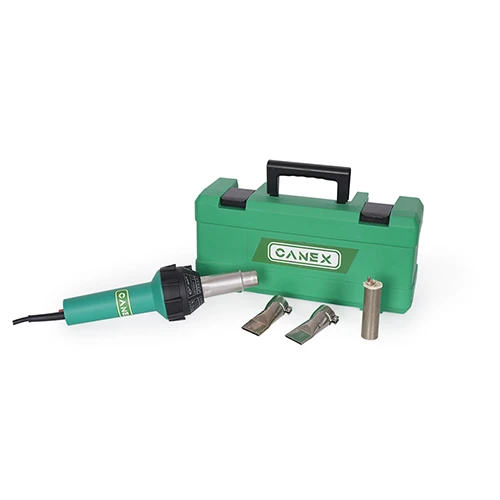
Put simply, a hot air gun is an electrically powered device that blows out heated air, often adjustable from about 100°C to 600°C (212°F to 1112°F). Unlike a regular hair dryer, its concentrated heat and air volume are tailored for industrial tasks. Think of it as a precision heat wand: you can soften plastics, loosen paint, shrink tubing, thaw pipes, or even dry moisture on a circuit board. Because it's portable and versatile, it has found a niche in production environments, handyman kits, and emergency repair gear alike.
On a humanitarian note, hot air guns play roles in quickly setting up temporary infrastructure — think heat-shrinking protective covers on water tanks or sealing plastic in flood relief shelters. It's one of those quiet helpers behind the scenes in crises.
Core Components & Key Features to Consider
1. Temperature Range & Control
Being able to dial in precise temperatures is critical — too hot or too cold, and you risk damaging the material or wasting energy. Modern units often feature digital displays and variable heat settings for this very reason.
2. Airflow Volume and Concentration
The volume of air (measured in liters per minute) influences how quickly materials heat or dry. Narrow nozzles provide focused heat, while wider ones cover larger areas. Choosing the right balance depends on the job at hand.
3. Build Quality and Durability
Many hot air guns are used in harsh conditions — dusty construction sites, welding shops, or outdoor settings — so rugged casings and heat-resistant materials matter. Some models are even rated for continuous operation without overheating.
4. Safety Features
Overheat protection, insulated handles, and airflow monitoring make the difference between a safe tool and a hazard. This is especially vital in tight workshop spaces or when working near sensitive electronics.
5. Power Source & Portability
Most run on standard AC power, but cordless and battery-powered versions are gaining popularity for their flexibility — essential for remote jobs or field repairs.
Mini takeaway:
When selecting a hot air gun, these elements work hand-in-hand — it’s less about the flashiest feature and more about balanced, reliable performance tailored for your specific needs.
Applications Across the Globe: From Industrial Floors to Disaster Zones
Hot air guns find use so broadly it’s almost surprising. Let’s peek at some real-world applications:
- Manufacturing & Assembly: Electronics firms rely on hot air guns for soldering and component reshaping.
- Automotive Repair: Removing decals or shrink-wrapping components for protection.
- Construction: Paint stripping, drying damp surfaces, and plastic pipe bending.
- Disaster Relief: NGOs use them for quick setup of temporary shelters, sealing materials, and equipment repair in remote areas.
- Arts & Crafts: Plastic welding for repairs or creating custom projects.
Interestingly, in colder climates like Scandinavia, these guns are a staple for thawing frozen pipes quickly, preventing major infrastructure problems during winter.
Product Specifications: A Closer Look
| Feature | Specification | Notes |
|---|---|---|
| Temperature Range | 100°C to 600°C / 212°F to 1112°F | Adjustable via dial or digital control |
| Airflow Volume | 120 – 500 L/min | Multiple nozzle options for precision |
| Power | 1500 W (typical AC model) | Corded, with some cordless variants available |
| Weight | 500 g – 1.2 kg | Varies by model and features |
| Safety Features | Overheat cut-off, insulated grip | Improves usability and reduces risks |
Vendor Comparison: Choosing the Best Hot Air Gun
| Brand | Price Range | Key Strengths | Best Use Case |
|---|---|---|---|
| ThermoPro | $50 – $80 | Budget-friendly, easy controls | Home DIY, crafts |
| HeatMaster Pro | $120 – $200 | Advanced temperature control, durable body | Industrial, electrical repairs |
| EcoHeat Tools | $180 – $250 | Energy efficient, battery-powered models | Fieldwork, remote sites |
Why the Hot Air Gun Is More Than Just a Gadget: Advantages & Value
It’s not just about blasting hot air; it’s the combination of speed, precision, and safety that delivers value. Users appreciate how hot air guns reduce dependency on open flames, minimizing fire risk especially in sensitive environments. Their energy efficiency often comes with long-term cost savings too—less wasted heat, fewer accidents, less downtime.
Aside from the logical perks, there’s an emotional side too. Many technicians swear by their trusty hot air gun, citing not only reliability but also a sort of craft pride. When wiring a control panel or prepping delicate parts, the focused heat gives you the confidence that’s harder to get with a torch or hair dryer. It’s a trustworthy partner.
Looking Forward: Trends and Innovations on the Horizon
As the world turns greener, manufacturers are integrating eco-friendly features into hot air guns — from smart power management to recycled casings and battery tech promising longer runtime with less environmental impact. Digital touchscreen controls and IoT integration are beginning to appear, enabling remote temperature monitoring and predictive maintenance.
Automation is not far behind either; robot arms equipped with specialized hot air guns are now taking over tedious repetitive tasks in automotive and electronics manufacturing lines. It’s an exciting time — analog heat control blending with digital precision.
Common Challenges and How Users Are Overcoming Them
Still, they’re not perfect. Issues like uneven heat distribution, nozzle clogging, or insufficient power can crop up. Many engineers tackle this by pairing hot air guns with tailored nozzles or preheating workflows. New filters and maintenance protocols extend lifespan. And cordless versions solve the notorious “cord-in-the-way” hassle, but sometimes sacrifice power or runtime.
Training users on correct temperature settings is another hurdle — too hot and parts warp, too cool and repairs fail. This is where smarter controls and better user manuals come into play.
FAQ: What You’re Really Curious About Regarding Hot Air Guns
Q1: What safety precautions should I take when using a hot air gun?
Always wear heat-resistant gloves and eye protection. Avoid pointing the gun at flammable materials, and never leave it unattended while powered. Keep a fire extinguisher nearby if working indoors. Ensure proper ventilation to avoid inhaling fumes from heated plastics or paints.
Q2: Can a hot air gun be used to remove paint from wood?
Yes, it’s a common use. Heat softens the paint, making it easier to scrape off. Keep the gun moving to prevent scorching the wood. Use a nozzle that spreads heat evenly for best results.
Q3: Are cordless hot air guns as powerful as corded ones?
Cordless models offer convenience but usually at a slight cost in maximum heat output and runtime. They’re ideal for small tasks or remote areas, but for heavy-duty industrial work, corded remains the standard due to sustained power.
Q4: How do I choose the right nozzle for my project?
Nozzle shapes concentrate or disperse heat differently. Use wide nozzles for broad drying or heating, while narrow/nozzle sticks focus on precision tasks like shrink tubing or soldering. Manufacturers often supply multiple nozzles with models for flexibility.
Q5: Is a hot air gun suitable for electrical repairs?
Absolutely! Regulated hot air guns are preferred in electronics for soldering and heat shrinking components. They avoid localized overheating and help maintain component integrity when used properly.
Wrapping It Up: The Heat Behind Efficiency and Innovation
Whether you’re an industrial professional, a hobbyist, or part of a disaster relief team, a hot air gun is one of those quietly indispensable tools. It blends safety, precision, and adaptability in a way few other devices can. Next time you consider tackling a task involving plastics, paint, or electronics, the hot air gun might just be your best ally.
If you want to explore a range of reliable models and expert advice, feel free to visit our website: hot air gun.
References

Related Products
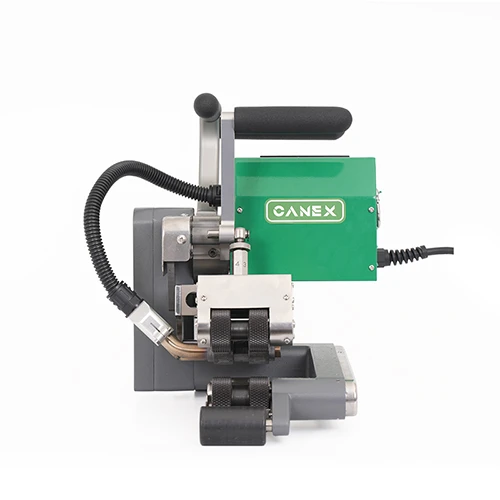
Related Video

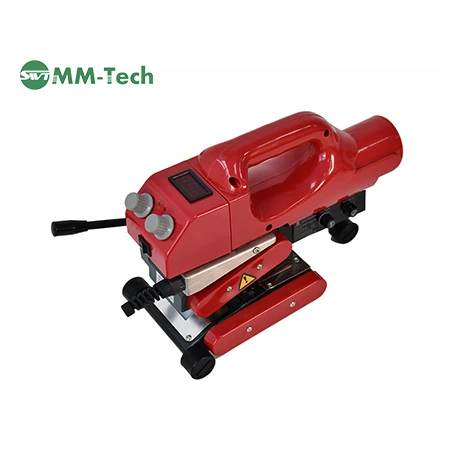

Geo Hot Wedge Welder With Digital Display SWT NS800D Operation Guide
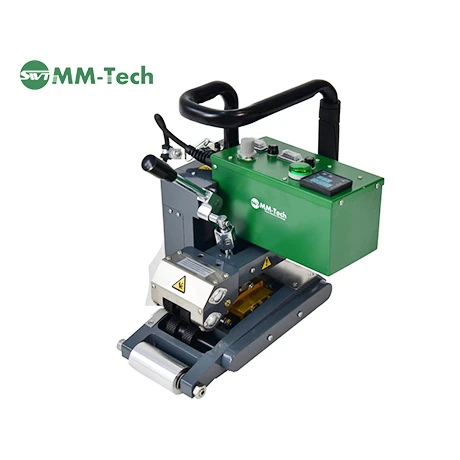
Heavy-Duty Geo Hot Wedge Welder SWT-NS900 Operation Guide
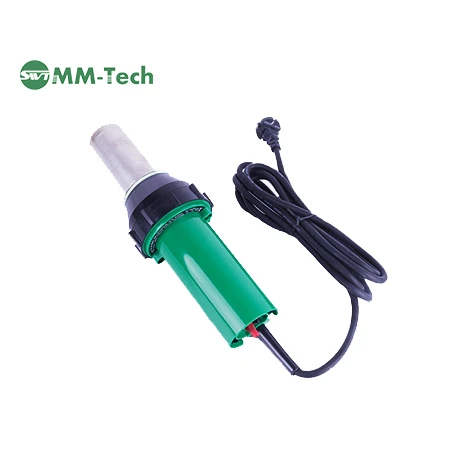
Powerful Professional Hot Air Tool SWT-NS3400A Operation Guide
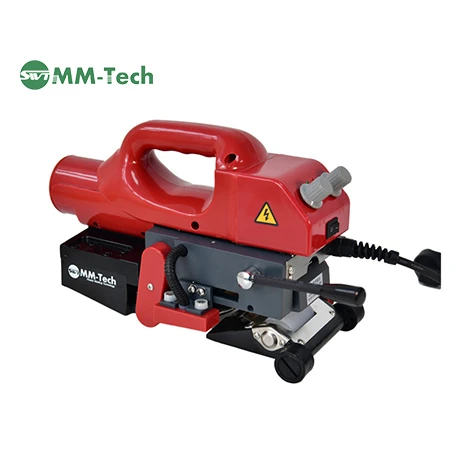
Geo Hot Wedge Welder SWT NS800 Operation Guide
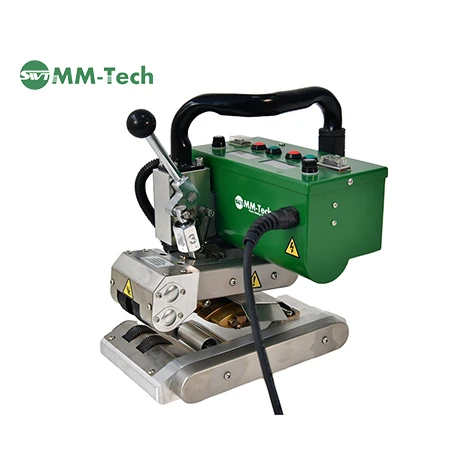
Compact HDPE Hot Wedge Welding Machine SWT-NSGM1 Operation Guide
Related News
2026-04-24 16:42:25
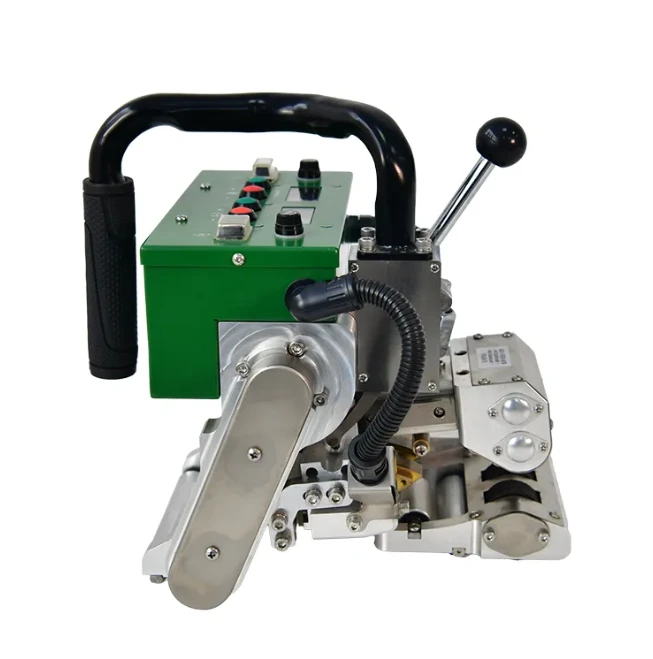
How to Choose the Best HDPE Liner Welder for Water Conservancy in Africa: A 2026 Guide
In the arid regions of Egypt and the developing agricultural landscapes of Tanzania and Kenya, water is more than a resource—it is life. Whether you are building a massive reservoir, an irrigation canal, or a high-yield fish farm, the integrity of your HDPE liner is only as good as its seams.
2026-04-20 09:54:35
Efficient PVC/TPO Welding (0.8–1.2mm) for Advertising & Truck Curtains on a Budget
Three Functions in One Machine: Breaking Through Process Limitations. Traditional fabrication workshops often require purchasing multiple pieces of equipment to meet diverse processing needs.
2026-04-20 09:53:16
Headline: Maximizing Aquaculture Profits in Peru & Chile: The Ultimate Geomembrane Welding Solution
In the thriving aquaculture industries of Peru and Chile, the integrity of your pond liner is non-negotiable. Whether you are constructing vast square breeding reservoirs or intensive circular tanks, the quality of your seams determines your ROI.
2026-04-16 03:09:36
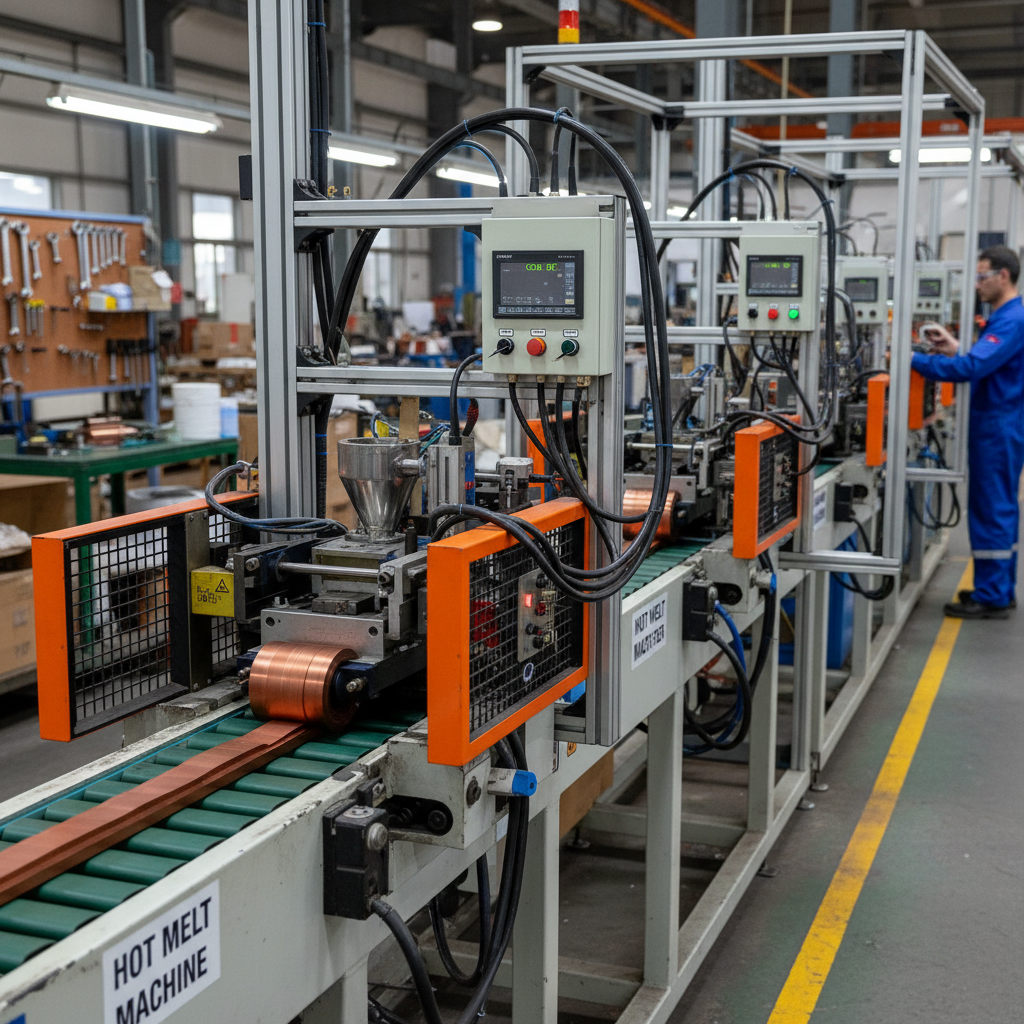
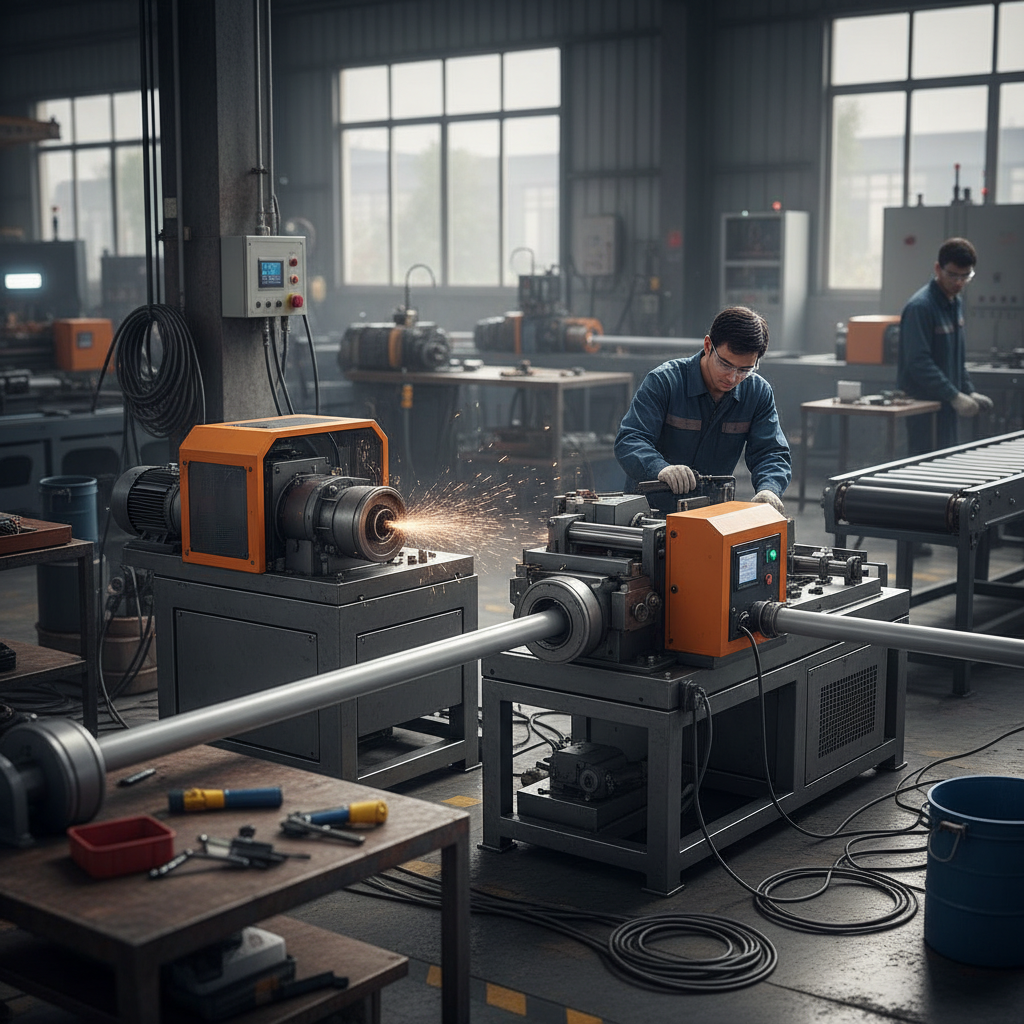
Improve Production Quality Using an Inline Coil Tester System
In the high-precision world of electrical component manufacturing, ensuring the integrity of every single wind is critical. An inline coil tester serves as the ultimate guardian of quality, integrating seamless testing directly into the production line. By detecting defects in real-time, manufacturers can eliminate the risk of faulty coils reaching the assembly stage, thereby reducing waste and protecting brand reputation. Whether you are producing inductors, transformers, or specialized electromagnets, implementing a robust testing strategy is no longer optional—it is a competitive necessity. This guide explores how inline testing transforms efficiency and precision in modern workshops.
2026-04-09 03:15:45
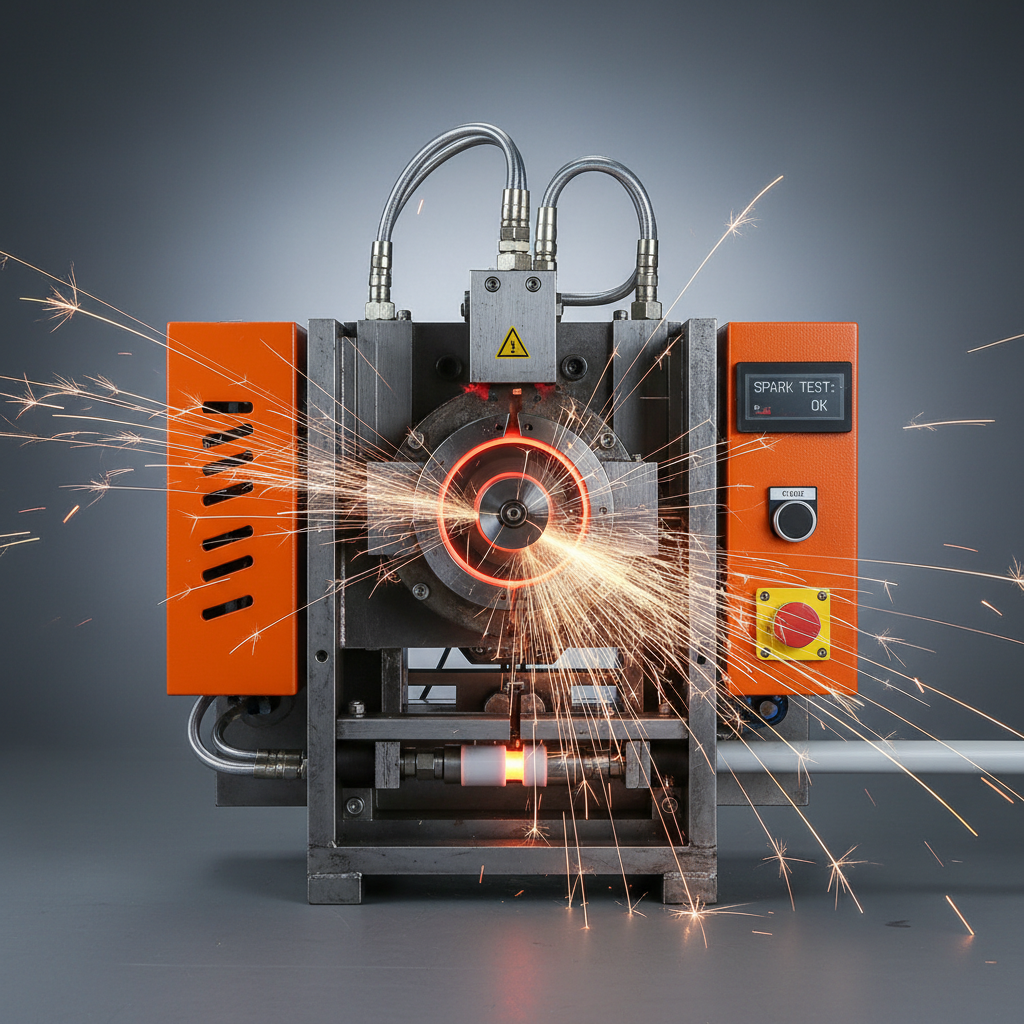
Industrial Leak Detection Using Electronic Spark Tester Guide
In the world of industrial maintenance and pipeline integrity, identifying microscopic leaks can be a daunting challenge. An electronic spark tester serves as a critical diagnostic tool, allowing technicians to pinpoint holidays—tiny pinholes or discontinuities in protective coatings—that are invisible to the naked eye. By applying a high-voltage current to the coating, these devices create a visible spark where the coating is compromised, ensuring that assets are fully protected against corrosion. In this guide, we will explore how this technology works and why it is indispensable for maintaining long-term structural safety.
2026-04-07 03:06:14
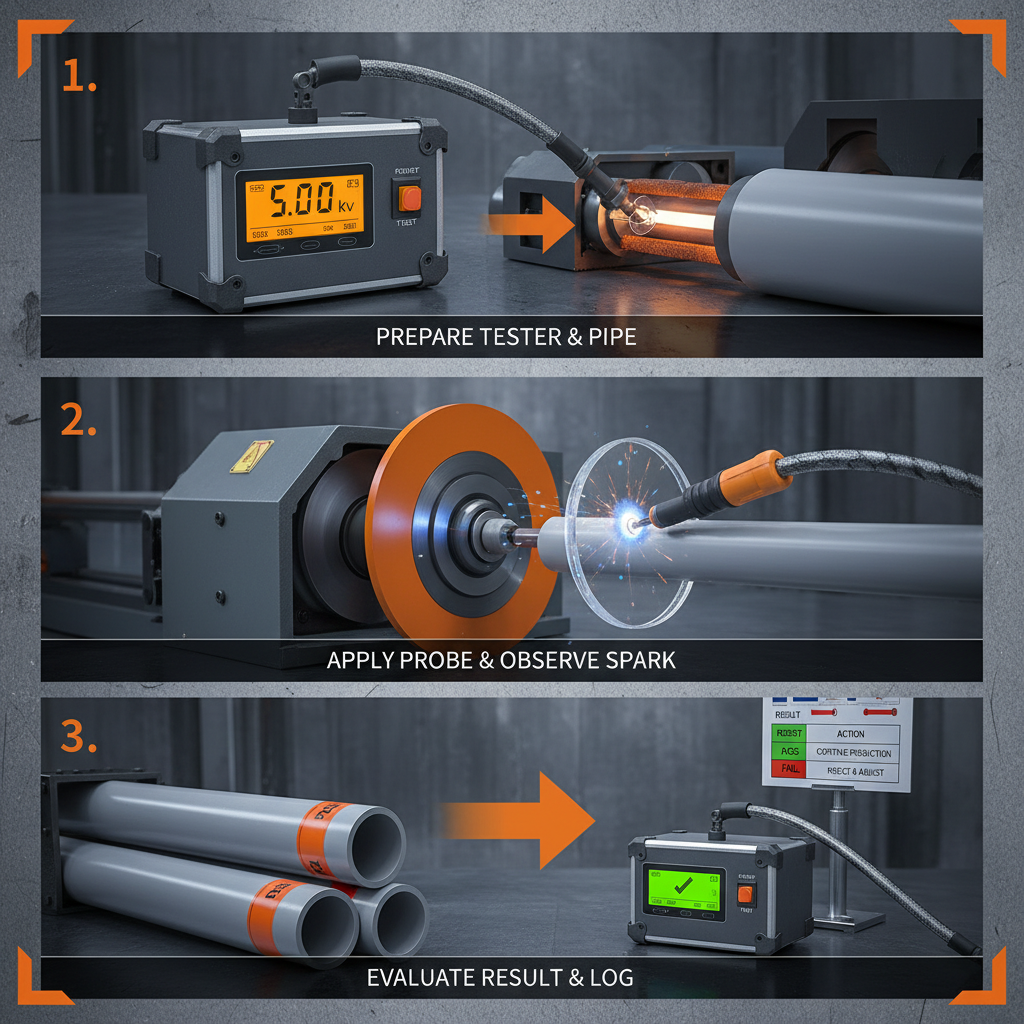
Enhancing Weld Quality with a Versatile Dynamic Spark Tester
In the realm of welding and fabrication, ensuring the quality and integrity of welds is paramount. A dynamic spark tester is an indispensable tool for quickly and reliably assessing weld quality. This article will delve into the functionality, benefits, applications, and considerations when selecting a dynamic spark tester, particularly focusing on how Aqua Fusion Welder's offerings meet industry demands. We’ll explore how this crucial piece of equipment can enhance your quality control processes and reduce costly rework.
2026-04-04 03:16:07
Understanding the Power of a Digital Spark Tester for Weld Quality Assurance
In the realm of welding, particularly fusion welding, ensuring the integrity of the weld is paramount. A reliable method for quickly verifying weld quality is crucial for efficiency, safety, and cost-effectiveness. A digital spark tester offers a non-destructive testing solution, providing immediate feedback on weld penetration. This article will explore the benefits, applications, and key considerations when selecting a digital spark tester, especially concerning Aqua Fusion Welder's offerings. Effective weld quality control is not merely a best practice; it's a necessity for ensuring long-lasting, dependable results.
2026-03-31 03:08:14
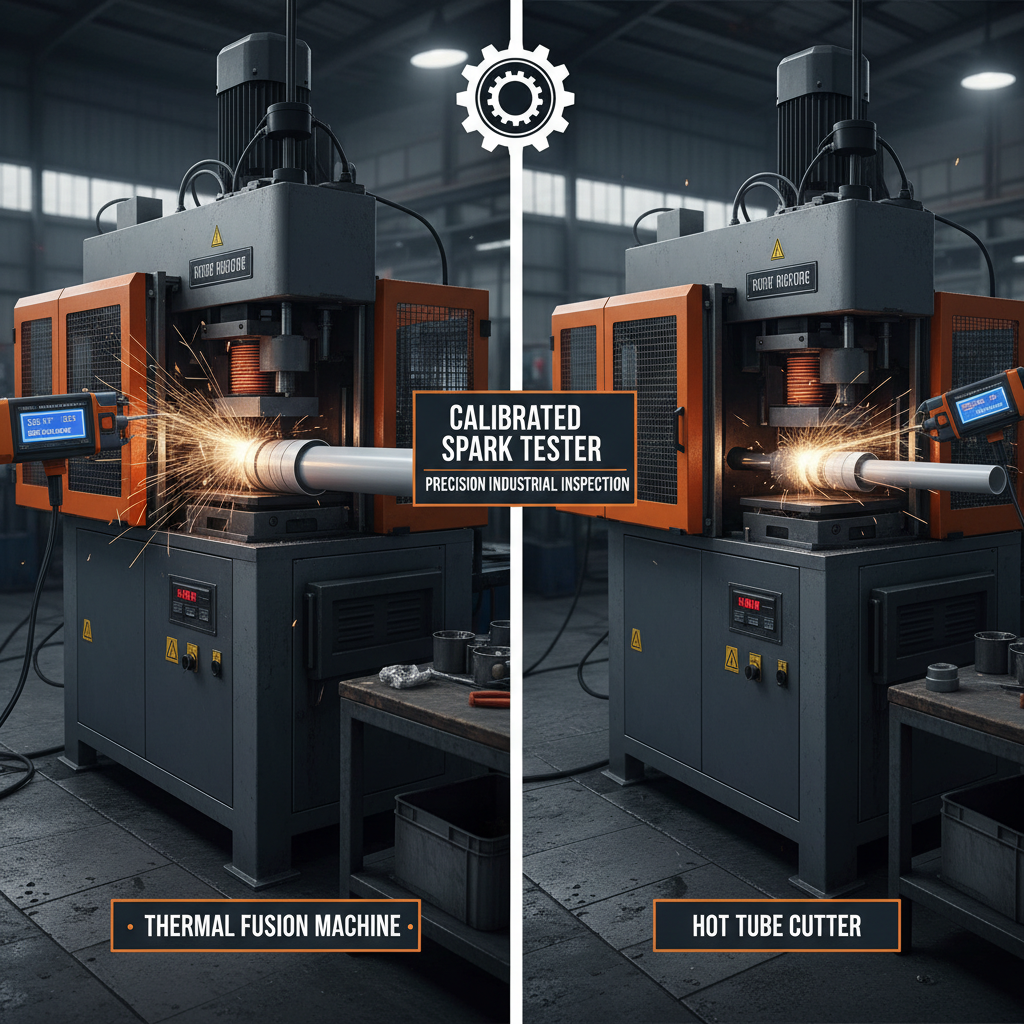
Understanding and Utilizing a Calibrated Spark Tester for Quality Welding
In the realm of welding, ensuring quality and safety is paramount. A crucial tool for achieving this is the calibrated spark tester. This device is vital for verifying the correct settings on a hot gas welding machine, ensuring consistent and reliable welds. This article delves into what a calibrated spark tester is, how it works, its importance in various applications, choosing the right tester, maintenance best practices, and safety precautions. We’ll explore its role in optimizing welding processes and upholding industry standards.
SUBSCRIBE NEWSLETTER
Dear customer, thank you for your attention! We provide high-quality machinery and equipment and look forward to your orders. Please inform us of your needs and we will respond quickly!






 English