
-
 Email:news@peweldingmachine.com;sales2@peweldingmachine.com
-
 +86-137 3974 5191
-
 Add:
NO.355,Youyi Street,Qiaoxi District,Shijiazhuang,Hebei,China.



Enhancing Weld Quality with the Advanced In Line Spark Checker System

Enhancing Weld Quality with the Advanced In Line Spark Checker System
Mar . 12, 2026 03:16
Understanding the In Line Spark Checker and Its Applications
In critical welding processes, maintaining quality and identifying defects early is paramount. An in line spark checker is an essential tool for real-time monitoring of the welding process, ensuring consistent weld quality and minimizing costly rework. This article provides a comprehensive overview of in line spark checkers, their benefits, how they work, and why AquaFusion Welder's solutions are leading the way in precision welding technology. Investing in a reliable spark checker is a proactive step towards enhancing manufacturing efficiency and product reliability.

What is an In Line Spark Checker?
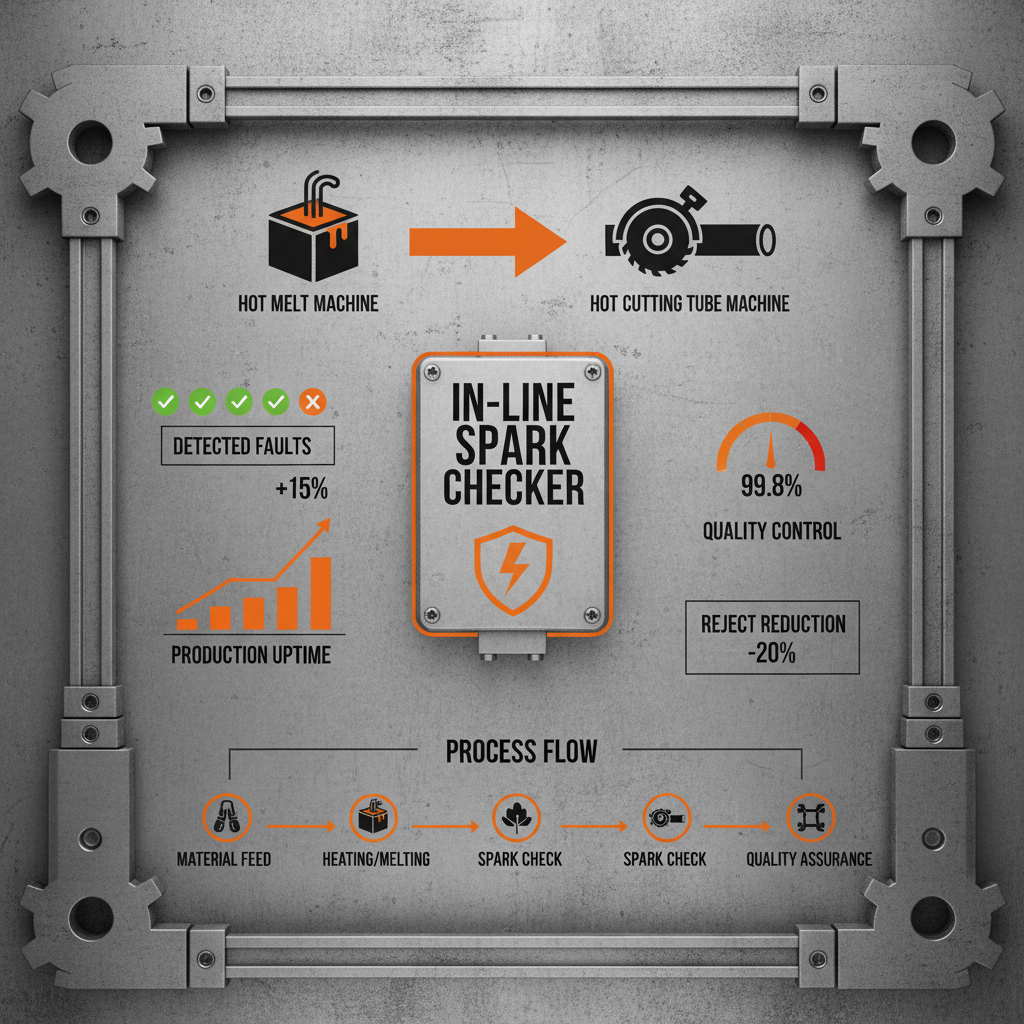
An in line spark checker is a non-destructive testing (NDT) device integrated directly into the welding production line. It monitors the characteristics of the sparks generated during the welding process – specifically, the frequency, amplitude, and duration of each spark. These characteristics are directly correlated to the quality of the weld. By analyzing these sparks in real-time, the system can detect anomalies that indicate potential defects such as insufficient penetration, porosity, or inconsistent material feed. Unlike post-weld inspection methods, in line spark checking allows for immediate correction of process parameters, preventing the propagation of defects and ensuring consistent quality throughout the entire production run. AquaFusion Welder offers cutting-edge in line spark checker solutions designed for diverse welding applications.
Key Highlights: Real-time monitoring, non-destructive testing, immediate defect detection, process optimization, consistent weld quality.
How Does an In Line Spark Checker Work?
The core principle behind an in line spark checker lies in the direct relationship between welding parameters and spark characteristics. As the weld is created, a sensor positioned close to the welding arc captures the emitted sparks. This sensor then converts the spark data into electrical signals, which are processed by a sophisticated algorithm. The algorithm analyzes spark features like frequency (number of sparks per unit time), amplitude (spark intensity), and duration (spark length). Deviations from pre-defined thresholds – established during process qualification – trigger an alert, indicating a potential weld defect. Modern systems, like those offered by AquaFusion Welder, can automatically adjust welding parameters in response to these anomalies, creating a closed-loop control system for optimal weld quality.
Spark Characteristic Analysis:
• Frequency: Indicates material feed rate consistency.
• Amplitude: Reflects welding current and penetration depth.
• Duration: Correlates to weld pool stability.
In Line Spark Checker vs. Traditional Weld Inspection Methods
Traditional weld inspection methods, such as visual inspection, radiographic testing (X-ray), and ultrasonic testing, are often performed after the welding process is complete. These methods are time-consuming, labor-intensive, and can lead to significant rework costs if defects are discovered. An in line spark checker, in contrast, provides real-time feedback, allowing for immediate adjustments to the welding process, preventing defects from occurring in the first place. This proactive approach significantly reduces waste, improves efficiency, and lowers overall production costs. AquaFusion Welder’s solutions outperform traditional methods in speed, accuracy, and cost-effectiveness.
Industries Benefitting from In Line Spark Checkers
Numerous industries leverage in line spark checkers to enhance welding quality and efficiency. These include automotive manufacturing, aerospace, shipbuilding, pipeline construction, and pressure vessel fabrication. Any application involving critical welds where reliability and safety are paramount can benefit from this technology. AquaFusion Welder serves a diverse range of clients, providing customized solutions tailored to their specific welding requirements.
Choosing the Right In Line Spark Checker: Key Considerations
Selecting the appropriate in line spark checker requires careful consideration of several factors. These include the welding process being used (e.g., GMAW, GTAW, SAW), the material being welded, the desired level of sensitivity, and the integration requirements with existing automation systems. AquaFusion Welder provides expert guidance in selecting the optimal solution, offering customized configurations and comprehensive support to ensure seamless integration and peak performance.
Conclusion: Enhance Welding Quality with In Line Spark Checking
Investing in an in line spark checker from AquaFusion Welder is a strategic move towards optimizing welding processes, improving product quality, and reducing manufacturing costs. By embracing this advanced technology, businesses can gain a competitive edge in today's demanding market. Don't settle for anything less than perfect weld quality – choose AquaFusion Welder.
Frequently Asked Questions (FAQs)
What types of welding processes are compatible with in line spark checkers?
In line spark checkers are versatile and can be integrated with a wide range of welding processes, including Gas Metal Arc Welding (GMAW), Gas Tungsten Arc Welding (GTAW), Submerged Arc Welding (SAW), and Flux-Cored Arc Welding (FCAW). The key is to ensure the sensor is properly positioned and calibrated to capture the sparks generated during the specific welding process. AquaFusion Welder offers solutions tailored to various welding applications, ensuring optimal performance regardless of the process used.
How easy is it to integrate an in line spark checker into an existing welding line?
Integration complexity varies depending on the level of automation already in place. However, modern in line spark checkers, like those offered by AquaFusion Welder, are designed for easy integration. They typically utilize industry-standard communication protocols and offer flexible mounting options. AquaFusion Welder provides comprehensive installation support and training to ensure a smooth and seamless integration process.
What kind of maintenance does an in line spark checker require?
In line spark checkers generally require minimal maintenance. Regular cleaning of the sensor to remove debris and periodic calibration are typically the only necessary procedures. AquaFusion Welder provides detailed maintenance guidelines and offers preventative maintenance services to ensure continued optimal performance.
How does an in line spark checker help reduce waste?
By detecting weld defects in real-time, in line spark checkers prevent the production of flawed parts. This eliminates the need for costly rework or scrapping of materials. Furthermore, the system's ability to automatically adjust welding parameters helps maintain consistent weld quality, minimizing variations and reducing the overall amount of waste generated during the manufacturing process.

Related Products

Related Video

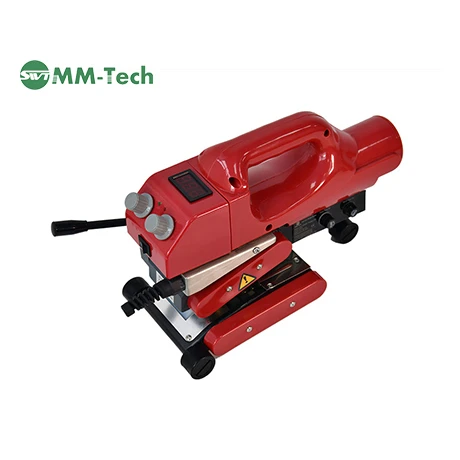

Geo Hot Wedge Welder With Digital Display SWT NS800D Operation Guide
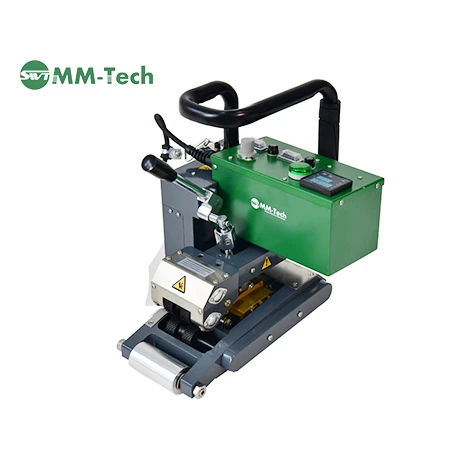
Heavy-Duty Geo Hot Wedge Welder SWT-NS900 Operation Guide
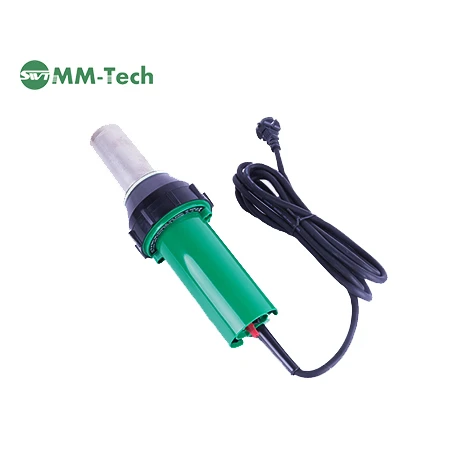
Powerful Professional Hot Air Tool SWT-NS3400A Operation Guide
Geo Hot Wedge Welder SWT NS800 Operation Guide
Compact HDPE Hot Wedge Welding Machine SWT-NSGM1 Operation Guide
Related News

2026-07-01 09:39:14
Industrial Guide to Using a Mechanical Line Leak Detector
Maintaining the structural integrity of thermoplastic pipelines is critical for environmental protection and operational efficiency. A high-precision mechanical line leak detector is an indispensable tool for detecting failures in geomembrane liners and plastic piping systems. Whether dealing with sewage treatment plants, landfills, or water conservancy projects, ensuring a leak-free seal prevents hazardous contamination and costly repairs. In this guide, we will explore how advanced detection combined with professional welding equipment ensures the highest standards of industrial waterproofing.

2026-06-29 16:57:32
Professional Leak Detector AS for Geomembrane Weld Integrity
Maximizing Weld Integrity with a Professional Leak Detector AS In the realm of environmental protection and geosynthetic installation, ensuring the absolute sealing of geomembrane seams is not just a quality requirementit is a critical safety mandate. A high-precision leak detector as air pressure tester serves as the primary tool for validating the integrity of double-track welds. By monitoring pressure changes within the closed air cavity of a weld, operators can definitively determine if a seam is airtight or if it requires immediate repair. This process prevents catastrophic leaks in landfills, mining ponds, and water containment systems, ensuring long-term environmental security.

2026-06-27 17:37:57
Industrial PVC Leak Detection with Fluorescent Leak Finder K
Maximizing Pipeline Integrity with the Fluorescent Leak Finder K In the demanding world of environmental protection and geosynthetic welding, maintaining a leak-proof seal is not just a quality requirementit is a critical safety mandate. The fluorescent leak finder k offers an advanced diagnostic solution for detecting microscopic breaches in PVC and HDPE liners. By leveraging ultraviolet fluorescence, this tool allows technicians to visualize leaks that are invisible to the naked eye, ensuring that industrial containment systems remain secure. Whether you are dealing with rigid uPVC or flexible PVC membranes, precision in leak detection is the only way to prevent catastrophic environmental contamination.

2026-06-26 16:41:41
Guide to Analyzing Electronic Leak Detector Price and Quality
Analyzing Electronic Leak Detector Price: A Guide to Choosing the Right Equipment In the realm of environmental protection and geosynthetic engineering, ensuring the integrity of waterproof membranes is critical. Whether you are dealing with landfills, sewage treatment plants, or water conservancy projects, the ability to pinpoint a breach is essential. Understanding the electronic leak detector price involves more than just looking at a tag; it requires an analysis of precision, durability, and the specific materials being tested, such as HDPE or PVC. Investing in high-quality detection equipment prevents catastrophic environmental leaks and reduces long-term maintenance costs for civil engineering projects.

2026-06-25 18:38:39
High Precision Intake Leak Tester for Engine Diagnostics
Ensuring Precision Performance with an Intake Leak Tester In the world of high-precision manufacturing and engine diagnostics, identifying microscopic air leaks is critical for operational efficiency. An intake leak tester serves as an essential diagnostic tool, ensuring that vacuum systems and air intake manifolds maintain a perfect seal. Whether in the automotive sector or specialized machinery production, even a pinhole leak can lead to poor combustion, reduced power, and increased emissions. By implementing a rigorous testing protocol, manufacturers can guarantee that every unit leaving the assembly line meets the highest quality standards, reducing warranty claims and enhancing brand reputation.

2026-06-23 07:06:21
Industrial Leak Detection and Spark Tester Working Principle
Understanding the Spark Tester Working Principle for Leak Detection In the world of industrial lining and coating, ensuring a seamless, holiday-free surface is critical to preventing corrosion and costly failures. The spark tester working principle is based on the physics of electrical insulation and dielectric breakdown. By applying a high-voltage current to a non-conductive coating, operators can pinpoint microscopic holesknown as holidaysthat would otherwise be invisible to the naked eye. Whether you are protecting underground pipelines or industrial tanks, understanding how these devices operate is the first step toward maintaining structural integrity and extending the lifespan of your assets.

2026-06-21 07:06:37
Industrial Guide to Choosing a Professional oem spark tester
The Ultimate Guide to Choosing an OEM Spark Tester for Industrial Precision In the world of automotive diagnostics and industrial electrical maintenance, precision is non-negotiable. An oem spark tester serves as a critical tool for technicians to verify ignition system integrity and ensure that spark plugs are firing correctly. Whether you are a distributor looking for white-label solutions or a workshop aiming for factory-standard diagnostics, understanding the nuances of Original Equipment Manufacturer OEM specifications is key. This guide explores how the right testing equipment can reduce downtime, prevent engine damage, and optimize performance across various machinery.

2026-06-20 07:06:15
Professional Spark Tester Supplier for Industrial Lining Integrity
Finding the Right Spark Tester Supplier for Industrial Lining Integrity Ensuring the integrity of protective coatings and linings is critical in industries dealing with corrosive chemicals and hazardous materials. To achieve this, partnering with a professional spark tester supplier is essential for obtaining high-precision holiday detection equipment. A spark tester, also known as a holiday detector, identifies holidays or pinholes in non-conductive coatings that could lead to catastrophic structural failure. By selecting a supplier that offers both technical expertise and robust hardware, companies can safeguard their assets and maintain strict safety compliance. In this guide, we will explore how to evaluate suppliers
SUBSCRIBE NEWSLETTER
Dear customer, thank you for your attention! We provide high-quality machinery and equipment and look forward to your orders. Please inform us of your needs and we will respond quickly!






 English