
-
 Email:news@peweldingmachine.com;sales2@peweldingmachine.com
-
 +86-137 3974 5191
-
 Add:
NO.355,Youyi Street,Qiaoxi District,Shijiazhuang,Hebei,China.



Expert Guide to Using Heat Guns to Remove Paint Safely & Efficiently

Expert Guide to Using Heat Guns to Remove Paint Safely & Efficiently
Nov . 28, 2025 23:00
Mastering the Heat Gun to Remove Paint: Practical Insights and Global Relevance
In today’s fast-moving industries and restoration projects, the humble heat gun to remove paint is a surprisingly powerful tool. From refreshing vintage furniture to prepping large industrial machinery for repainting, understanding how this tool works — and why it matters — gives you not only better results but also a more sustainable, efficient workflow. Whether you’re a seasoned professional or a DIY enthusiast, knowing the nuances of heat gun paint removal can help you avoid costly damages and improve finish quality.
Why Heat Guns to Remove Paint Matter Worldwide
According to the International Organization for Standardization (ISO) and environmental agencies, paint stripping contributes significantly to both occupational hazards and pollution if handled improperly. Heat guns, in particular, serve as an effective alternative to chemical strippers, which often involve volatile organic compounds (VOCs) harmful to both workers and the environment. The heat gun to remove paint therefore represents a cleaner, safer solution whose benefits ripple across industries as diverse as automotive restoration, shipbuilding, construction, and more.
With the rise in sustainability regulations worldwide, many organizations report a 30% drop in hazardous waste when switching to heat guns for paint removal. Still, it’s not just about being “green”—it’s also about speed and safety. For global contractors, especially in regions like Europe and North America with strict safety protocols, mastering the use of heat guns is fast becoming standard practice.
In brief: heat guns help reduce toxic chemical use and improve safety – a real win-win in paint removal.
What Exactly Is a Heat Gun to Remove Paint?
At its core, a heat gun is a handheld device that blows hot air, generally between 100°C to over 600°C, to soften paint layers. Once softened, the paint can be scraped off easily without damaging the underlying surface. It’s a kind of thermal stripper rather than a chemical one. Unlike a blow torch, the heat gun’s airflow is gentle enough to prevent scorching.
In many manufacturing or restoration settings, heat guns facilitate controlled paint removal — preserving sensitive oils, wood grains, or metallic finishes underneath. They’re widely used in refurbishing everything from vintage cabinets to industrial plant equipment. On a humanitarian level, tools like these also aid in restoring damaged infrastructure quickly after disasters, helping communities bounce back faster.
Simply put, heat guns use controlled hot air to efficiently peel paint without chemicals—a modern industry staple with many benefits.
Key Factors to Consider When Using Heat Guns to Remove Paint
1. Temperature Range & Control
The effectiveness largely depends on accurate heat settings. Lower temperatures work well for delicate surfaces like wood, while tougher industrial coatings often require higher heat. Many advanced heat guns offer precise temperature dials (150°C–600°C+), giving operators fine control to avoid surface damage.
2. Airflow and Nozzle Design
A good heat gun has adjustable airflow to target specific paint thicknesses or shapes. Some models feature specialized nozzles — flat, cone, or reflector types — which focus heat evenly over stubborn curves or corners, improving efficiency. In real-world use, nozzle choice can be a game-changer.
3. Safety Features
Given the high heat involved, safety is paramount. Features like thermal cutoffs, cool-down modes, and heat-resistant handles reduce risks. Workers often pair heat guns with protective gear, especially since paint fumes can become toxic when heated.
4. Power Source and Portability
While bench heat guns plug in with steady power, cordless models powered by lithium-ion batteries offer portability for fieldwork. This flexibility matters in remote industrial zones or outdoor restoration projects.
5. Cost-Effectiveness and Durability
Quality heat guns may cost more upfront, but their long lifespan and low maintenance make them cost-efficient over time. In heavy-use environments, durability is crucial — many professional-grade guns survive years of daily use without significant wear.
In practice, temperature precision, safety, nozzle design, and portability shape every heat gun’s success story.
Global Applications & Use Cases of Heat Guns in Paint Removal
Industries worldwide appreciate heat guns for both big and small projects. In North America, automotive restoration shops rely on heat guns to delicately strip decades-old paint from classic cars. In Europe, shipyards use powerful heat guns with heavy-duty nozzles during dry dock maintenance. Meanwhile, in developing regions, NGOs deploy portable heat guns in disaster zones to remove damaged paint and rust rapidly, helping speed up rebuilding efforts while minimizing chemical exposure.
In the manufacturing sector, heat guns prepare metal surfaces before repainting or powder-coating to ensure adhesion. Even art restorers use mini heat guns to help soften stubborn, layered paints without harming the underlying canvas or wood.
| Specification | Details |
|---|---|
| Temperature Range | 100°C to 600°C adjustable |
| Airflow Settings | Low & High speed modes |
| Weight | 800 grams (~1.76 lbs) |
| Power | 1500 Watts (corded) / 18V (cordless) |
| Safety Features | Overheat protection, cool-down mode |
| Nozzle Types Included | Flat, Cone, Reflector |
From cars to ships to post-disaster rebuilds, heat guns span industries with tailored specs and versatile designs.
Advantages and Long-Term Value of Heat Guns in Paint Removal
- Cost Efficiency: Eliminates need for expensive chemicals and hazardous waste disposal.
- Environmental Impact: Reduces VOC emissions by avoiding chemical strippers. Much safer for operators and surroundings.
- Speed and Precision: Accelerates paint removal while protecting original surfaces.
- Worker Safety: Proper use minimizes inhalation risks and skin exposure compared to solvents.
- Durability: A solid investment lasting many years in heavy-duty settings.
It’s odd how a simple tool can carry such emotional weight, too — protecting craftspeople’s health, preserving heritage surfaces, and saving local economies from downtime. People often forget the human side of these technical choices.
Future Trends & Innovations
As the world shifts towards digitization and sustainability, heat guns are not left behind. Expect new models with smart sensors that auto-adjust temperature for optimum efficiency, reducing operator error. Battery tech is also improving — longer cordless runtimes empower contractors working on remote sites or preservation projects.
Furthermore, some manufacturers experiment with greener materials for nozzle construction and heat generation mechanisms powered partly by renewable energy sources. Pressure is mounting for further regulation on paint strippers; heat guns are positioned well to become frontline tools in eco-friendly paint removal.
Common Challenges & How To Overcome Them
Despite their advantages, heat guns do have limitations. For instance, overheating can cause damage, and prolonged exposure to fumes still poses health risks. Many users struggle with consistent technique or selecting correct nozzle types.
Expert operators suggest thorough training, alongside protective gear such as respirators and gloves, to mitigate risks. Meanwhile, incremental innovations, like digital temperature feedback and improved ventilation attachments, are helping ease these concerns.
Vendor Comparison: Popular Heat Guns for Paint Removal
| Brand & Model | Temp Range | Power | Portability | Price (USD) | Special Features |
|---|---|---|---|---|---|
| Makita HG6031VK | 100–580°C | 1500W corded | No | $120 | Overheat protection, 6 nozzles |
| DeWalt D26960K | 50–600°C | 1800W corded | No | $150 | Digital temp control |
| Milwaukee M18 2646-20 (Cordless) | Up to 582°C | 18V Battery | Yes | $210 | Variable temp, compact design |
| Wagner Furno 750 | 90–610°C | 1500W corded | No | $100 | Integrated stand, 3 nozzles |
FAQ: Your Questions About Heat Guns for Paint Removal
Q1: Can I use a heat gun to remove paint on delicate wood surfaces?
Absolutely, but you must use the lowest heat setting and keep the heat gun moving to avoid scorching. Use a flat nozzle for even heat distribution. Practice patience—slow and steady is key to preserving wood grains while softening paint.
Q2: How does using a heat gun compare to chemical paint strippers?
Heat guns avoid harmful solvents, reducing toxicity and environmental issues. They provide faster paint softening on most surfaces, but may require more manual scraping. Chemical strippers can be effective on thick coatings but pose inhalation risks and disposal challenges.
Q3: What safety precautions should I take when using a heat gun?
Wear heat-resistant gloves, eye protection, and a respirator to avoid fumes. Always work in a ventilated area and be mindful of flammable materials nearby. Never point the heat gun at yourself or others, and allow it to cool fully before storage.
Q4: Are cordless heat guns as powerful as corded ones?
Cordless models typically have slightly lower heat output and shorter use time but offer exceptional portability. For small- to medium-scale jobs in remote locations, they’re excellent. For industrial applications, corded heat guns often remain the preferred choice.
Q5: Can heat guns help remove lead-based paint safely?
Using heat guns for lead paint requires extreme caution as heating lead paint releases toxic fumes. It’s critical to work in proper protective gear and consult local regulations. Some experts recommend wet scraping or chemical methods with certified professionals instead.
Conclusion: The Lasting Value of Heat Guns to Remove Paint
Given their blend of speed, safety, and environmental benefits, heat guns for paint removal have earned their place in workshops and industrial yards worldwide. They offer a practical way to respect materials, protect health, and deploy smart solutions that match today’s green agendas. As technology evolves, so too will these essential tools, helping professionals work smarter and cleaner.
If you want to upgrade your toolkit, explore reliable options and expert tips, visit our website at https://www.aquafusionwelder.com. Your next project deserves the best start.
References

Related Products
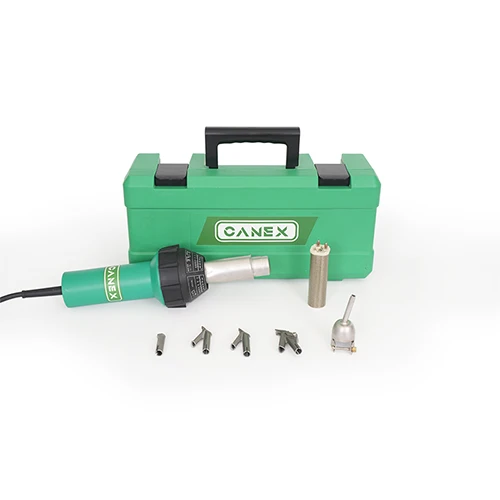
Related Video

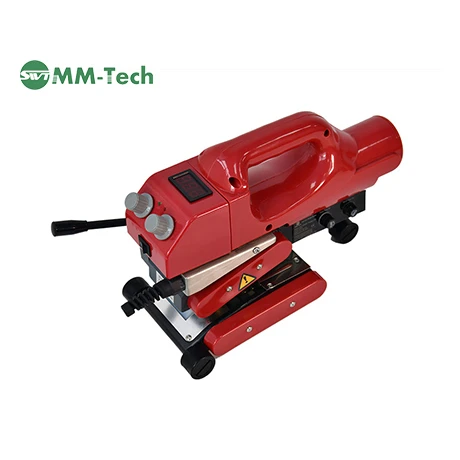

Geo Hot Wedge Welder With Digital Display SWT NS800D Operation Guide
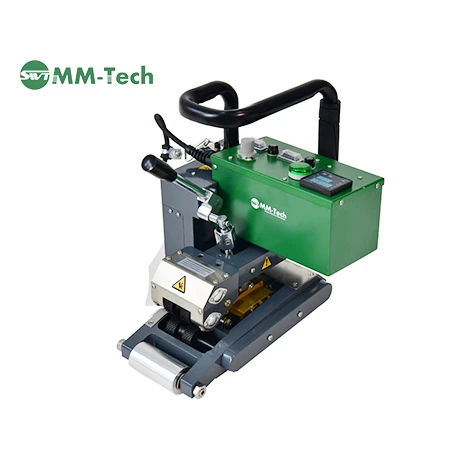
Heavy-Duty Geo Hot Wedge Welder SWT-NS900 Operation Guide
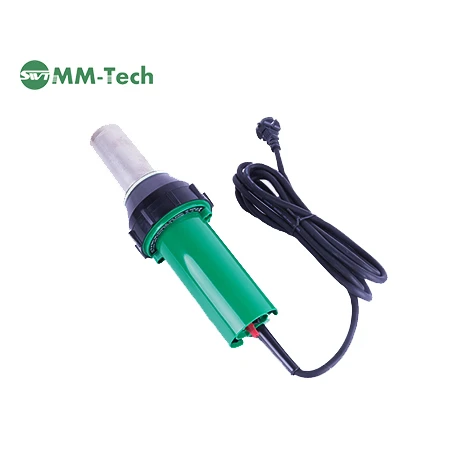
Powerful Professional Hot Air Tool SWT-NS3400A Operation Guide
Geo Hot Wedge Welder SWT NS800 Operation Guide
Compact HDPE Hot Wedge Welding Machine SWT-NSGM1 Operation Guide
Related News

2026-07-01 09:39:14
Industrial Guide to Using a Mechanical Line Leak Detector
Maintaining the structural integrity of thermoplastic pipelines is critical for environmental protection and operational efficiency. A high-precision mechanical line leak detector is an indispensable tool for detecting failures in geomembrane liners and plastic piping systems. Whether dealing with sewage treatment plants, landfills, or water conservancy projects, ensuring a leak-free seal prevents hazardous contamination and costly repairs. In this guide, we will explore how advanced detection combined with professional welding equipment ensures the highest standards of industrial waterproofing.

2026-06-29 16:57:32
Professional Leak Detector AS for Geomembrane Weld Integrity
Maximizing Weld Integrity with a Professional Leak Detector AS In the realm of environmental protection and geosynthetic installation, ensuring the absolute sealing of geomembrane seams is not just a quality requirementit is a critical safety mandate. A high-precision leak detector as air pressure tester serves as the primary tool for validating the integrity of double-track welds. By monitoring pressure changes within the closed air cavity of a weld, operators can definitively determine if a seam is airtight or if it requires immediate repair. This process prevents catastrophic leaks in landfills, mining ponds, and water containment systems, ensuring long-term environmental security.

2026-06-27 17:37:57
Industrial PVC Leak Detection with Fluorescent Leak Finder K
Maximizing Pipeline Integrity with the Fluorescent Leak Finder K In the demanding world of environmental protection and geosynthetic welding, maintaining a leak-proof seal is not just a quality requirementit is a critical safety mandate. The fluorescent leak finder k offers an advanced diagnostic solution for detecting microscopic breaches in PVC and HDPE liners. By leveraging ultraviolet fluorescence, this tool allows technicians to visualize leaks that are invisible to the naked eye, ensuring that industrial containment systems remain secure. Whether you are dealing with rigid uPVC or flexible PVC membranes, precision in leak detection is the only way to prevent catastrophic environmental contamination.

2026-06-26 16:41:41
Guide to Analyzing Electronic Leak Detector Price and Quality
Analyzing Electronic Leak Detector Price: A Guide to Choosing the Right Equipment In the realm of environmental protection and geosynthetic engineering, ensuring the integrity of waterproof membranes is critical. Whether you are dealing with landfills, sewage treatment plants, or water conservancy projects, the ability to pinpoint a breach is essential. Understanding the electronic leak detector price involves more than just looking at a tag; it requires an analysis of precision, durability, and the specific materials being tested, such as HDPE or PVC. Investing in high-quality detection equipment prevents catastrophic environmental leaks and reduces long-term maintenance costs for civil engineering projects.

2026-06-25 18:38:39
High Precision Intake Leak Tester for Engine Diagnostics
Ensuring Precision Performance with an Intake Leak Tester In the world of high-precision manufacturing and engine diagnostics, identifying microscopic air leaks is critical for operational efficiency. An intake leak tester serves as an essential diagnostic tool, ensuring that vacuum systems and air intake manifolds maintain a perfect seal. Whether in the automotive sector or specialized machinery production, even a pinhole leak can lead to poor combustion, reduced power, and increased emissions. By implementing a rigorous testing protocol, manufacturers can guarantee that every unit leaving the assembly line meets the highest quality standards, reducing warranty claims and enhancing brand reputation.

2026-06-23 07:06:21
Industrial Leak Detection and Spark Tester Working Principle
Understanding the Spark Tester Working Principle for Leak Detection In the world of industrial lining and coating, ensuring a seamless, holiday-free surface is critical to preventing corrosion and costly failures. The spark tester working principle is based on the physics of electrical insulation and dielectric breakdown. By applying a high-voltage current to a non-conductive coating, operators can pinpoint microscopic holesknown as holidaysthat would otherwise be invisible to the naked eye. Whether you are protecting underground pipelines or industrial tanks, understanding how these devices operate is the first step toward maintaining structural integrity and extending the lifespan of your assets.

2026-06-21 07:06:37
Industrial Guide to Choosing a Professional oem spark tester
The Ultimate Guide to Choosing an OEM Spark Tester for Industrial Precision In the world of automotive diagnostics and industrial electrical maintenance, precision is non-negotiable. An oem spark tester serves as a critical tool for technicians to verify ignition system integrity and ensure that spark plugs are firing correctly. Whether you are a distributor looking for white-label solutions or a workshop aiming for factory-standard diagnostics, understanding the nuances of Original Equipment Manufacturer OEM specifications is key. This guide explores how the right testing equipment can reduce downtime, prevent engine damage, and optimize performance across various machinery.

2026-06-20 07:06:15
Professional Spark Tester Supplier for Industrial Lining Integrity
Finding the Right Spark Tester Supplier for Industrial Lining Integrity Ensuring the integrity of protective coatings and linings is critical in industries dealing with corrosive chemicals and hazardous materials. To achieve this, partnering with a professional spark tester supplier is essential for obtaining high-precision holiday detection equipment. A spark tester, also known as a holiday detector, identifies holidays or pinholes in non-conductive coatings that could lead to catastrophic structural failure. By selecting a supplier that offers both technical expertise and robust hardware, companies can safeguard their assets and maintain strict safety compliance. In this guide, we will explore how to evaluate suppliers
SUBSCRIBE NEWSLETTER
Dear customer, thank you for your attention! We provide high-quality machinery and equipment and look forward to your orders. Please inform us of your needs and we will respond quickly!






 English