
-
 Email:news@peweldingmachine.com
-
 +86-137 3974 5191
-
 Add:
Add:NO.355,Youyi Street,Qiaoxi District,Shijiazhuang,Hebei,China.



The Ultimate Guide to Hot Guns: Uses, Benefits & Innovations

The Ultimate Guide to Hot Guns: Uses, Benefits & Innovations
Nov . 28, 2025 21:30
Understanding the Hot Gun: Why This Tool Matters Globally
At first glance, a hot gun might seem like just another handy electrical tool tucked away in the toolbox. But if you pause and think about it, the humble hot gun actually addresses a striking array of industrial and humanitarian challenges worldwide. Whether it’s thawing frozen pipes in Siberia, shrinking heat-shrink tubing inside remote electronics rigs, or even helping repair equipment in post-disaster zones, this tool's benefits ripple across countless settings.
Globally, tools like hot guns contribute to safer and more efficient maintenance and manufacturing processes. Understanding how they work—and why their design keeps evolving—is crucial as industries push for faster, more reliable solutions in a complex world.
The Big Picture: Hot Guns in Global Industry and Humanitarian Work
Hot guns, also known as heat guns or hot air guns, play an unexpectedly critical role in both heavy industry and aid contexts alike. The International Labour Organization estimates that over 50% of repair and maintenance tasks across manufacturing sectors rely on precision heating tools, many of which are heat guns. Meanwhile, organizations such as the United Nations and the Red Cross have documented hot guns' use in rapid-response setups — think emergency infrastructure repairs or temporary shelter assembly in disaster zones.
Why does this matter? Because as climate change intensifies weather extremes, maintaining infrastructure quickly and safely becomes a life-or-death priority. Tools like the hot gun enable speedy fixes without specialized equipment, lowering downtime and fostering resilience.
What Exactly Is a Hot Gun?
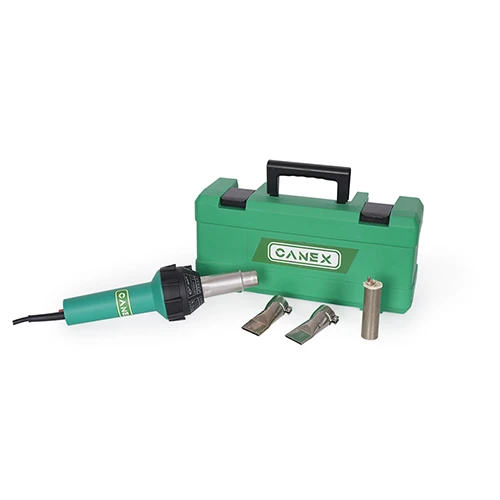
Simply put, a hot gun is a handheld device that blows hot air at controllable temperatures typically ranging from 100°C to 600°C (roughly 210°F to 1100°F). Unlike a standard hairdryer, the air is much hotter, suitable for tasks like softening adhesives, drying paint, melting plastics, or stripping wallpaper.
They usually have nozzles to direct airflow precisely and may come with variable temperature settings. In modern industry, hot guns are indispensable for their versatility: soldering electronics, adjusting heat-shrink tubing, curing coatings, or even loosening stuck bolts. But outside factories, they empower humanitarian workers patching up vital systems where facilities are limited.
Core Components of a Hot Gun
- Heating Element: Typically made from nichrome wire or ceramic, it converts electrical energy into heat.
- Fan Motor: Blows air over the heating element to produce a directed flow.
- Temperature Control: Allows the user to adjust the heat output to suit delicate or heavy-duty jobs.
- Nozzles and Attachments: Variably shaped to focus heat or spread it wider, depending on task.
- Ergonomic Handle and Housing: Designed for comfortable, safe grip even for extended use.
Each of these factors determines how effective a hot gun is in particular applications.
Global Hot Gun Applications and Real-World Use Cases
Strangely enough, hot guns have found their place in some of the most unexpected settings:
- Post-Disaster Relief Operations: NGOs use hot guns to quickly remove damaged wiring insulation or repair plastic piping on temporary shelters.
- Automotive Industry: Heat guns are used for paint curing, shrink wrapping wiring harnesses, or removing decals.
- Electronics Manufacturing: From shrink tubing to solder reflow, hot guns provide precise, localized heating.
- Construction and Renovations: Removing old paint, drying out moisture-infested wood, or bending plastic pipes.
- Arts and Crafts: I know it sounds niche, but artisans use hot guns for embossing, shaping plastics, and more.
The reach is incredibly broad and growing, especially in regions like Southeast Asia and Northern Europe where climate conditions demand specialized maintenance equipment.
Why Choose a Hot Gun? Advantages and Long-Term Value
- Cost-Effective Repair Solution: Generally affordable and versatile, minimizing the need for multiple specialized tools.
- Portability and Ease of Use: Lightweight designs mean operators can bring a hot gun anywhere — even a remote industrial site.
- Enhanced Safety: Compared to open flames or blowtorches, hot guns offer controlled heat, reducing risk.
- Energy Efficiency: Newer models consume less power but maintain high heat performance.
- Improved Innovation: Modern hot guns have smart features like digital controls and auto shutoff.
- Supporting Social Impact: Quick repair in humanitarian aid scenarios promotes dignity and reliable access to resources.
Compact Hot Gun Specification Table
| Feature | Description |
|---|---|
| Temperature Range | 100°C to 600°C (210°F to 1100°F) |
| Airflow Settings | Variable, 250-500 L/min |
| Power Consumption | 1500W typical |
| Weight | Approx. 600g (1.3 lbs) |
| Safety Features | Thermal cut-off, insulated grip, auto shutoff |
Comparing Popular Hot Gun Vendors
| Brand | Temperature Range | Warranty | Special Features | Price |
|---|---|---|---|---|
| ThermoPro XL | 50°C–600°C | 3 years | LCD display, digital controls | $120 |
| HeatMate Pro | 100°C–580°C | 2 years | Multiple nozzle kit included | $95 |
| EcoHeat 1500 | 120°C–600°C | 3 years | Energy-saving mode, low noise | $110 |
Recent Innovations and the Future of Hot Guns
The hot gun isn’t standing still. Innovations like integrating smart sensors to monitor temperature in real time, improving material efficiency with ceramic heating elements, and developing cordless, battery-powered models promise more freedom on the job site. There's also a clear sustainability push: manufacturers are replacing heavy metals in casing with recyclable polymers and focusing on energy-efficient circuitry.
Looking ahead, coupled with IoT (Internet of Things) tech, we might soon see hot guns that provide remote diagnostics or maintenance prompts, a neat feature for industrial plants running 24/7. These upcoming trends signal a shift from simple heat tools to multi-faceted digital solutions.
Addressing Common Challenges with Hot Guns
That said, hot guns do come with quirks. First, excess heat if not carefully managed can damage sensitive materials. Second, many models require a reliable power source, limiting outdoor use somewhat. Also, improper nozzle selection can cause inefficient heating or user fatigue.
Experts recommend: adequate training on temperature settings, selecting the right accessories, and opting for devices with built-in safety features. Plus, pairing with hot gun vendors offering comprehensive support — because, frankly, troubleshooting is inevitable.
FAQs About Hot Guns
- What is the ideal temperature range for a hot gun used in electronics?
- For electronics, a temperature range from about 150°C to 450°C is usually ideal. This lets you shrink tubing without overheating components. Many models have digital controls so you can dial in precise heat to avoid damage.
- How safe is a hot gun compared to a traditional blowtorch?
- Hot guns provide controlled and even heat without an open flame, making them safer for indoor and delicate tasks. Although users should always wear protective gear, hot guns significantly reduce fire risk compared to blowtorches.
- Can hot guns be used outdoors, and what are the power requirements?
- Most hot guns require a steady electrical supply, which may limit outdoor use. However, cordless, battery-operated models are gaining popularity for remote jobsites. In general, check the power specs before planning outdoor tasks.
- Which industries benefit most from using hot guns?
- Industries like automotive repair, electrical manufacturing, construction, and even crafts rely heavily on hot guns. Their versatility makes them invaluable across sectors.
Wrapping Up: Why Embracing Hot Guns Makes Sense
It’s easy to overlook the hot gun as just another power tool — but the reality is it’s a backbone technology enabling a vast array of vital, often urgent tasks globally. Whether you’re fixing equipment in a remote industrial zone or repairing plastic piping after a flood, the hot gun offers efficiency, safety, and versatility. And with improvements in materials, energy use, and digital features, hot guns will only become more indispensable.
If you want to explore top models or upgrade your toolkit, check out our hot gun selection and see how they can make your next project easier.
Mini Takeaways:
- Hot guns deliver critical, controllable heat for diverse industrial and humanitarian tasks worldwide.
- Key features include adjustable temperatures, specialized nozzles, and safety mechanisms.
- Emerging tech trends promise smarter, greener, and more flexible hot guns soon.
References

Related Products
Related Video

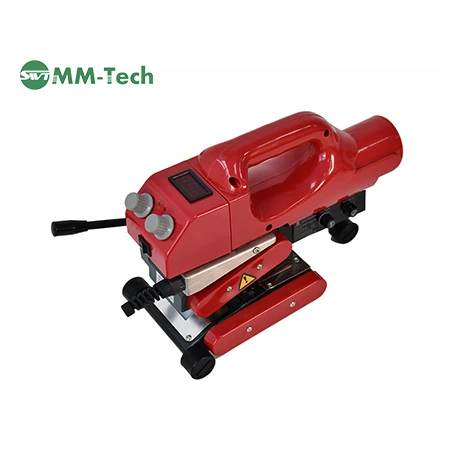

Geo Hot Wedge Welder With Digital Display SWT NS800D Operation Guide
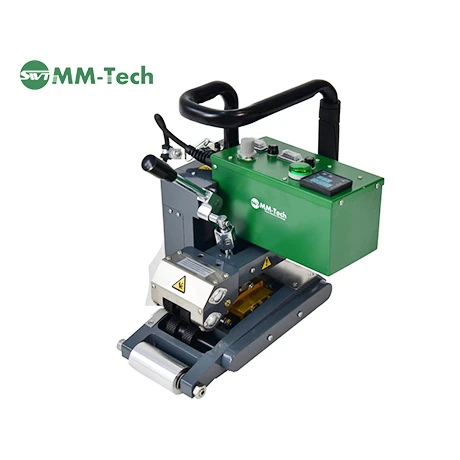
Heavy-Duty Geo Hot Wedge Welder SWT-NS900 Operation Guide
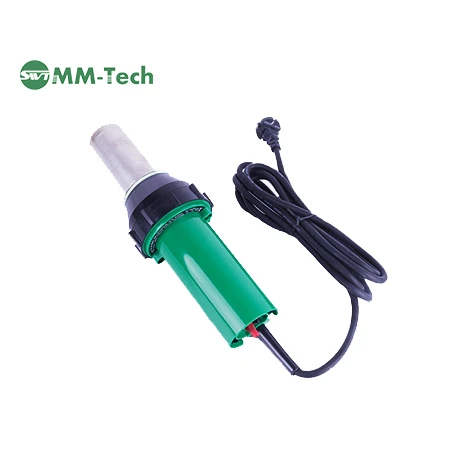
Powerful Professional Hot Air Tool SWT-NS3400A Operation Guide
Geo Hot Wedge Welder SWT NS800 Operation Guide
Compact HDPE Hot Wedge Welding Machine SWT-NSGM1 Operation Guide
Related News
2026-04-24 16:42:25
How to Choose the Best HDPE Liner Welder for Water Conservancy in Africa: A 2026 Guide
In the arid regions of Egypt and the developing agricultural landscapes of Tanzania and Kenya, water is more than a resource—it is life. Whether you are building a massive reservoir, an irrigation canal, or a high-yield fish farm, the integrity of your HDPE liner is only as good as its seams.
2026-04-20 09:54:35
Efficient PVC/TPO Welding (0.8–1.2mm) for Advertising & Truck Curtains on a Budget
Three Functions in One Machine: Breaking Through Process Limitations. Traditional fabrication workshops often require purchasing multiple pieces of equipment to meet diverse processing needs.
2026-04-20 09:53:16
Headline: Maximizing Aquaculture Profits in Peru & Chile: The Ultimate Geomembrane Welding Solution
In the thriving aquaculture industries of Peru and Chile, the integrity of your pond liner is non-negotiable. Whether you are constructing vast square breeding reservoirs or intensive circular tanks, the quality of your seams determines your ROI.
2026-04-16 03:09:36
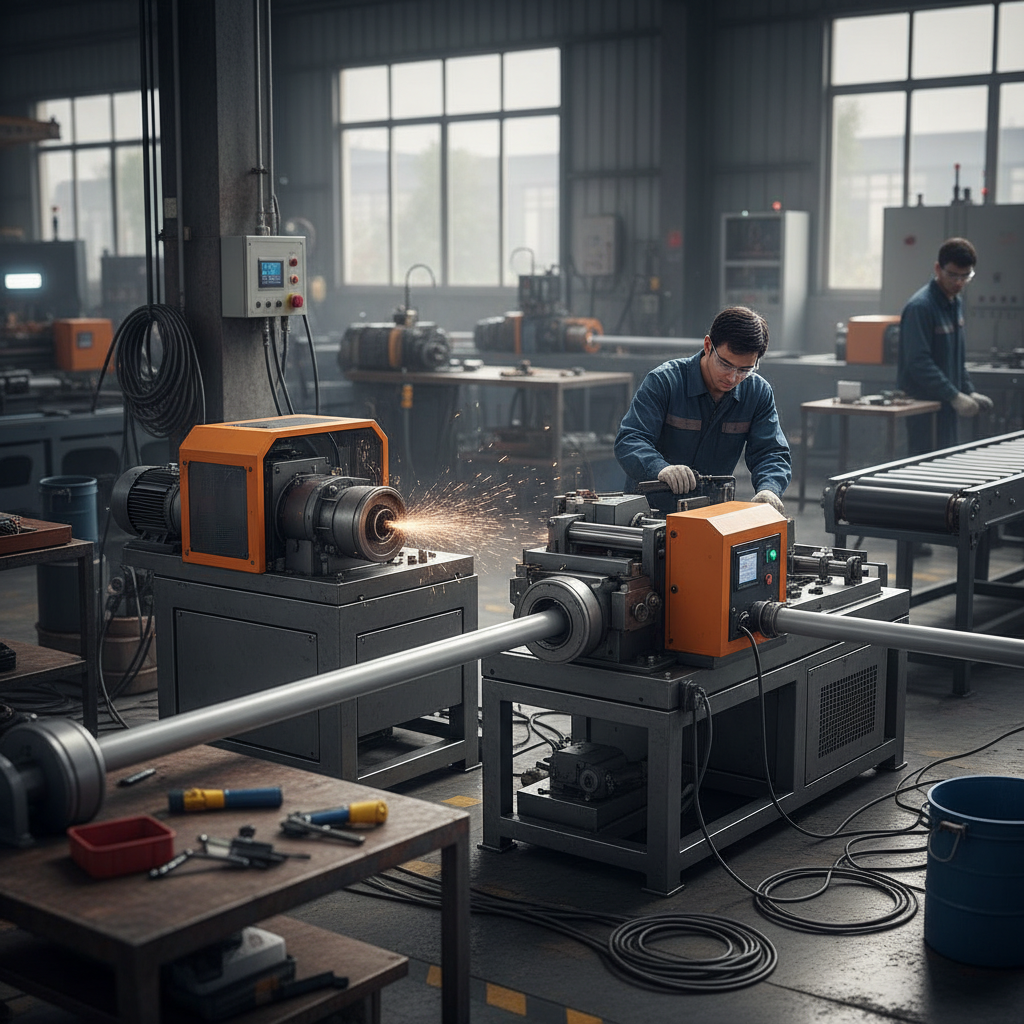
Improve Production Quality Using an Inline Coil Tester System
In the high-precision world of electrical component manufacturing, ensuring the integrity of every single wind is critical. An inline coil tester serves as the ultimate guardian of quality, integrating seamless testing directly into the production line. By detecting defects in real-time, manufacturers can eliminate the risk of faulty coils reaching the assembly stage, thereby reducing waste and protecting brand reputation. Whether you are producing inductors, transformers, or specialized electromagnets, implementing a robust testing strategy is no longer optional—it is a competitive necessity. This guide explores how inline testing transforms efficiency and precision in modern workshops.
2026-04-09 03:15:45
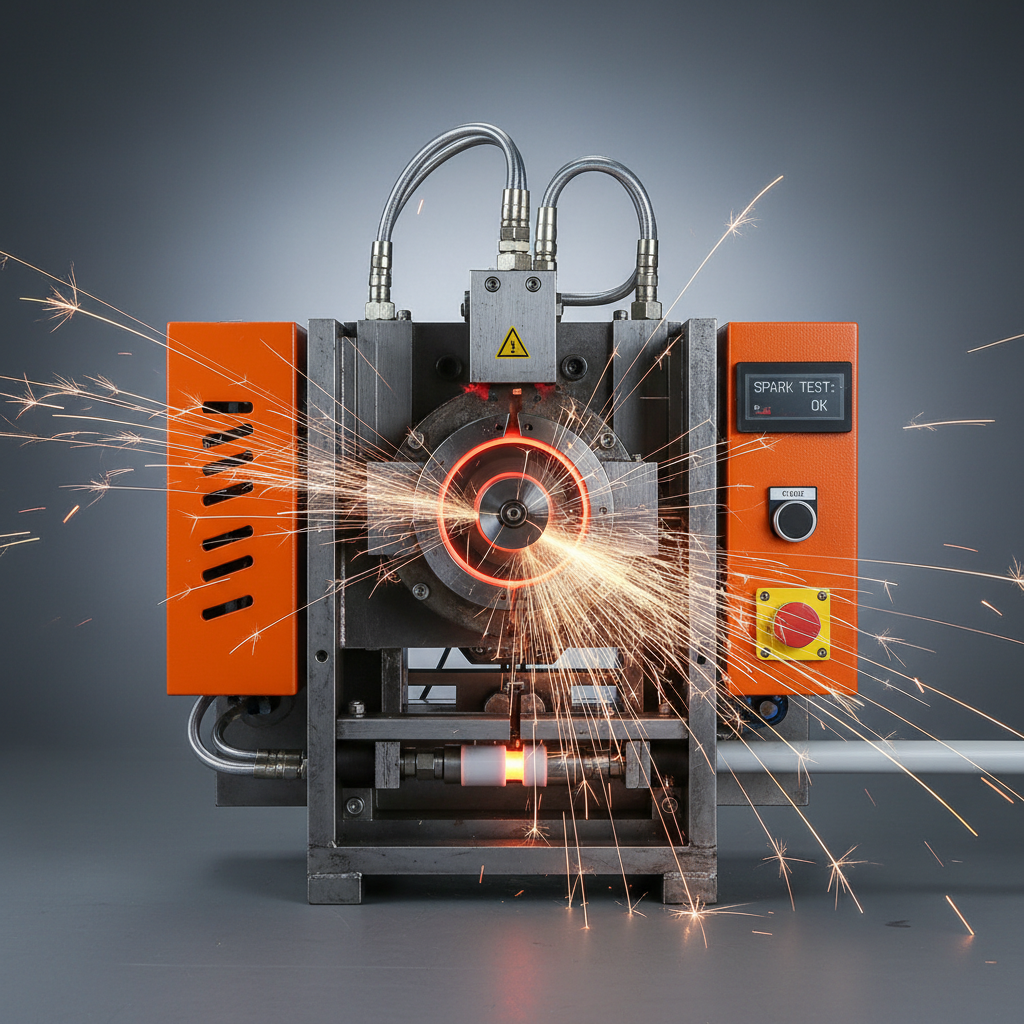
Industrial Leak Detection Using Electronic Spark Tester Guide
In the world of industrial maintenance and pipeline integrity, identifying microscopic leaks can be a daunting challenge. An electronic spark tester serves as a critical diagnostic tool, allowing technicians to pinpoint holidays—tiny pinholes or discontinuities in protective coatings—that are invisible to the naked eye. By applying a high-voltage current to the coating, these devices create a visible spark where the coating is compromised, ensuring that assets are fully protected against corrosion. In this guide, we will explore how this technology works and why it is indispensable for maintaining long-term structural safety.
2026-04-07 03:06:14
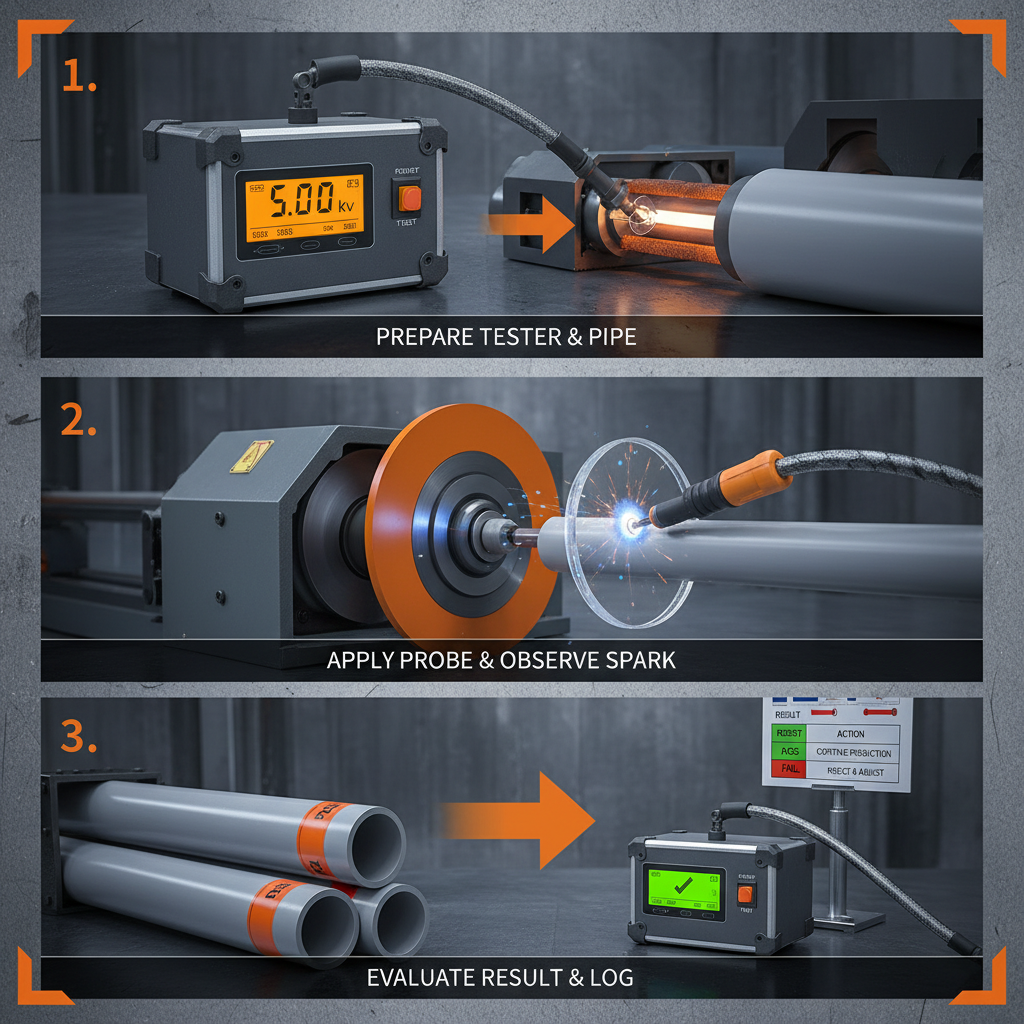
Enhancing Weld Quality with a Versatile Dynamic Spark Tester
In the realm of welding and fabrication, ensuring the quality and integrity of welds is paramount. A dynamic spark tester is an indispensable tool for quickly and reliably assessing weld quality. This article will delve into the functionality, benefits, applications, and considerations when selecting a dynamic spark tester, particularly focusing on how Aqua Fusion Welder's offerings meet industry demands. We’ll explore how this crucial piece of equipment can enhance your quality control processes and reduce costly rework.
2026-04-04 03:16:07
Understanding the Power of a Digital Spark Tester for Weld Quality Assurance
In the realm of welding, particularly fusion welding, ensuring the integrity of the weld is paramount. A reliable method for quickly verifying weld quality is crucial for efficiency, safety, and cost-effectiveness. A digital spark tester offers a non-destructive testing solution, providing immediate feedback on weld penetration. This article will explore the benefits, applications, and key considerations when selecting a digital spark tester, especially concerning Aqua Fusion Welder's offerings. Effective weld quality control is not merely a best practice; it's a necessity for ensuring long-lasting, dependable results.
2026-03-31 03:08:14
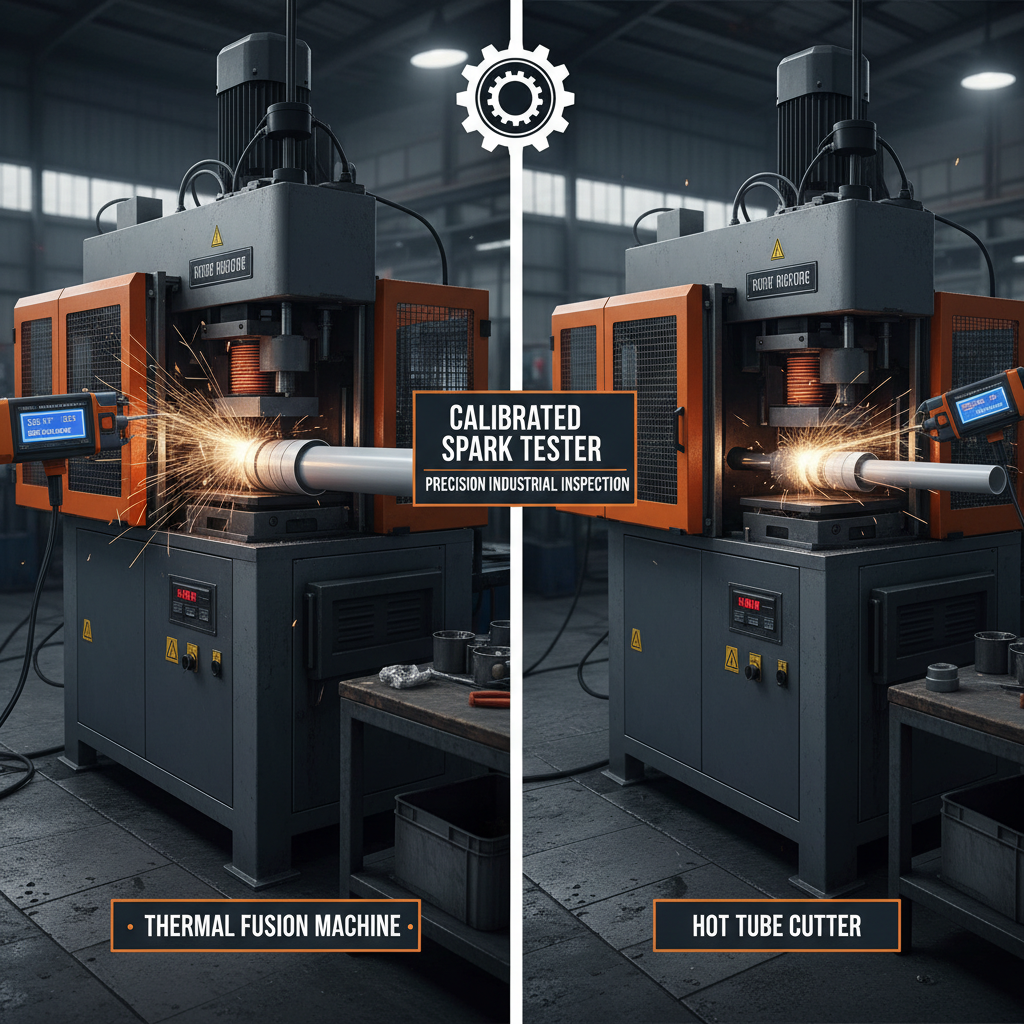
Understanding and Utilizing a Calibrated Spark Tester for Quality Welding
In the realm of welding, ensuring quality and safety is paramount. A crucial tool for achieving this is the calibrated spark tester. This device is vital for verifying the correct settings on a hot gas welding machine, ensuring consistent and reliable welds. This article delves into what a calibrated spark tester is, how it works, its importance in various applications, choosing the right tester, maintenance best practices, and safety precautions. We’ll explore its role in optimizing welding processes and upholding industry standards.
SUBSCRIBE NEWSLETTER
Dear customer, thank you for your attention! We provide high-quality machinery and equipment and look forward to your orders. Please inform us of your needs and we will respond quickly!






 English