
-
 Email:news@peweldingmachine.com
-
 +86-137 3974 5191
-
 Add:
Add:NO.355,Youyi Street,Qiaoxi District,Shijiazhuang,Hebei,China.



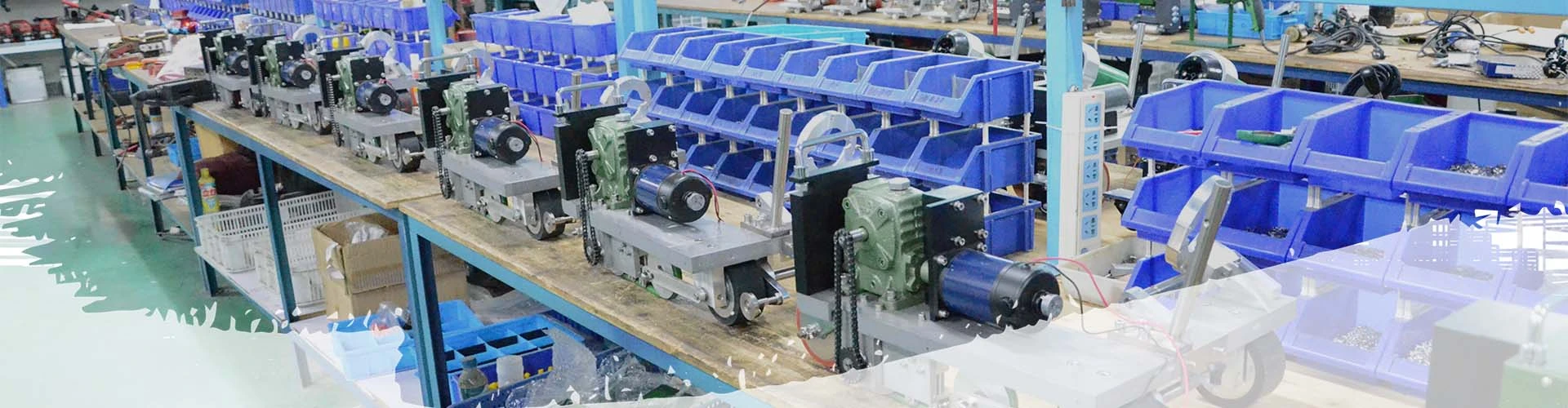
Geomembrane Welding Machine: Technological progress and application prospects

Geomembrane Welding Machine: Technological progress and application prospects
May . 15, 2025 11:42
As a key equipment in the application field of geosynthetic materials, the performance of geomembrane welding machine directly affects the quality and service life of anti-seepage engineering. With the increasing awareness of environmental protection and the vigorous development of infrastructure construction, The importance of Geomembrane Welding Machine is becoming increasingly prominent. This article will explore the current status and future prospects of Geomembrane Welding Machines from two aspects: technological progress and application prospects.
Core functions of Geomembrane Welding Machine
The core function of a geomembrane welder is to effectively connect geomembrane materials together, forming a continuous and sealed impermeable layer. The traditional welding method mainly relies on manual operation, which is inefficient and difficult to guarantee quality. In recent years, with the introduction of automation technology and the upgrading of control systems, Geomembrane Welding Machine has made significant progress in welding speed, welding accuracy, and welding strength.
At present, the mainstream geomembrane welding methods on the market are mainly divided into two categories: hot melt welding and extrusion welding.
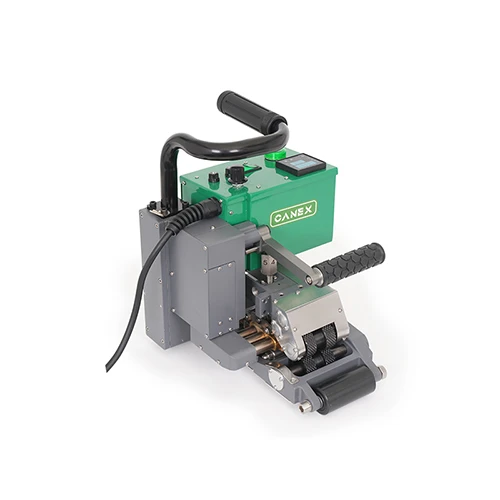
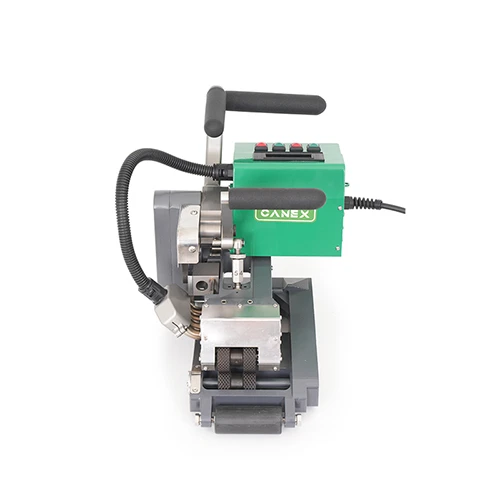
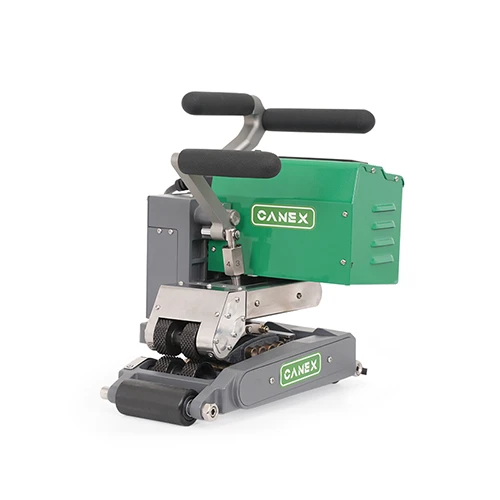
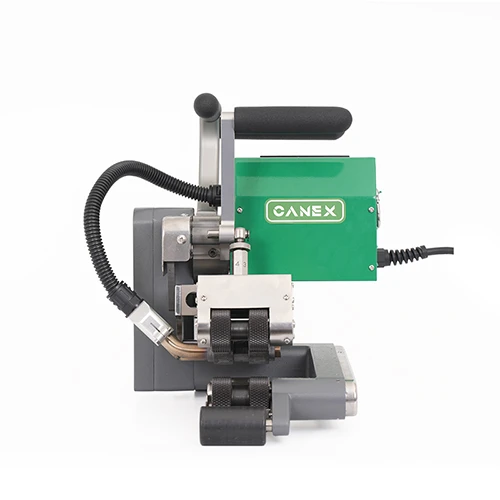
The hot wedge welder machine melts the surface of the geomembrane by heating, and then uses a roller to apply pressure for bonding. Its advantages are fast welding speed, simple operation, and suitable for large areas of flat ground. However, for complex terrains and special materials, the effect of hot melt welding may not be ideal. The extrusion welding machine extrudes melted plastic and fills it between two geomembranes to achieve connection. This method is suitable for welding thick geomembranes and special parts such as corners and facades, but the welding speed is relatively slow.
The advancement of Geomembrane Welding Machine technology is not only reflected in welding methods, but also in intelligent control and real-time monitoring
The advanced hot wedge welder is equipped with a temperature control system, speed regulation system, and pressure monitoring system, which can automatically adjust welding parameters according to different geomembrane materials and environmental temperatures to ensure welding quality. In addition, some high-end devices also have real-time monitoring functions, which can record various data during the welding process and timely detect potential defects, effectively reducing quality risks.
The application fields of Geomembrane Welding Machine are very extensive, covering multiple aspects such as water conservancy engineering, environmental protection engineering, transportation infrastructure, etc
In hydraulic engineering, geomembranes are widely used for reservoir seepage prevention, dam reinforcement, and irrigation canal lining, and high-quality welding is the key to ensuring the safe operation of these projects. In environmental protection engineering, geomembrane is the core material for anti-seepage systems such as landfills, sewage treatment plants, and mine tailings ponds. Its welding quality directly affects the protection of soil and groundwater. In the construction of transportation infrastructure, geomembranes are used for waterproofing and seepage prevention in highways, railways, and tunnels, improving the durability and safety of roads.
Looking ahead to the future, The development trend of Geomembrane Welding Machine will pay more attention to intelligence, automation, and refinement
On the one hand, the application of artificial intelligence technology will further enhance the automation level of welding machines, enabling them to automatically identify geomembrane materials, environmental conditions, and welding positions, and automatically adjust welding parameters to achieve unmanned operation. On the other hand, the introduction of new sensors will make the real-time monitoring capability of welding machines more accurate, capable of detecting defects in welding seams in real time and issuing alerts in a timely manner. In addition, customized welding solutions for special materials and complex terrains will also become an important direction for future development.
In short, as a key equipment in the application field of geosynthetic materials, the technological progress of the pond liner welder is directly related to the quality and service life of anti-seepage engineering. With the continuous development of technology and the expansion of application fields, wedge welders will play a more important role in environmental protection and infrastructure construction. We have reason to believe that future Geomembrane Welding Machines will be more intelligent, automated, and refined, providing reliable guarantees for building safe and sustainable infrastructure.
Geomembrane Welding Machine
What is the main purpose of Geomembrane Welding Machine?
This equipment is specifically designed for welding geomembranes (such as HDPE, LDPE, PVC, etc.) and is widely used in projects such as landfill sites, artificial lakes, mine anti-seepage, sewage treatment, etc., ensuring waterproofing and leakage prevention at joints and meeting engineering strength requirements.
What are the common types of geomembrane welding?
Hot Wedge Welder: melts the geomembrane by heating the wedge, suitable for straight and long welds, with fast speed and high strength.
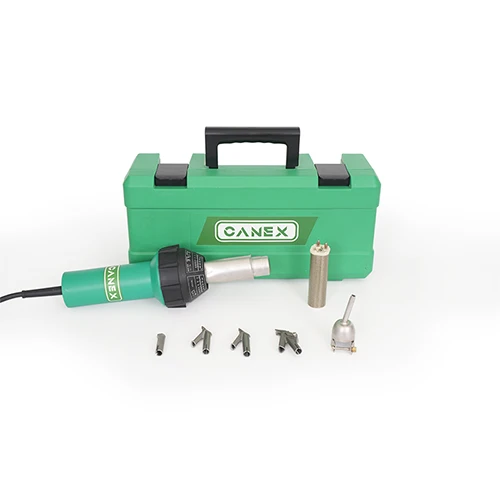
Hot Air Welder: uses hot air to heat and pressure bond seams, suitable for complex shapes or repair welding.
Extrusion Welder: Extrude molten plastic to fill joints, suitable for welding thick film or irregular parts.
How to ensure the welding quality of Geomembrane Welding Machine?
Surface cleaning: Before welding, it is necessary to remove dust, moisture, or oil stains from the film surface.
Parameter adjustment: Set the temperature, speed, and pressure according to the thickness of the film material (such as HDPE film usually requires 300400 ° C).
Weld seam testing: Use pressure testing, vacuum testing, or peel testing to verify sealing.
Common problems and solutions during the welding process of Geomembrane Welding Machine?
Weld cracking → Insufficient temperature or too fast speed, it is necessary to reduce the walking speed or increase the temperature.
The film material is burnt through → the temperature is too high, it needs to be lowered and the parameters tested.
Poor adhesion → Insufficient pressure or misalignment of film material, check the roller pressure and reposition.
How to maintain Geomembrane Welding Machine?
Regularly clean the heating wedge or hot air nozzle to prevent residual plastic from carbonizing.
Check cables, air circuits, and moving parts to avoid on-site malfunctions.
Store in a dry environment to prevent electronic components from getting damp.

Related Products
Related Video
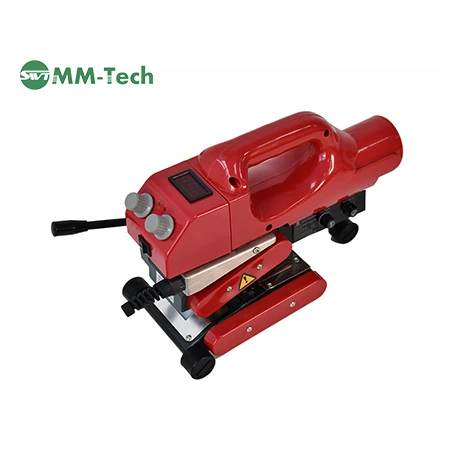

Geo Hot Wedge Welder With Digital Display SWT NS800D Operation Guide
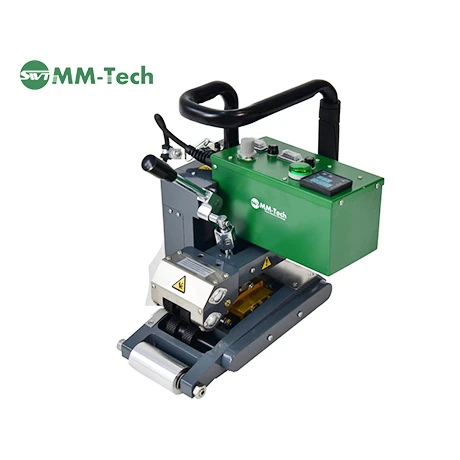
Heavy-Duty Geo Hot Wedge Welder SWT-NS900 Operation Guide
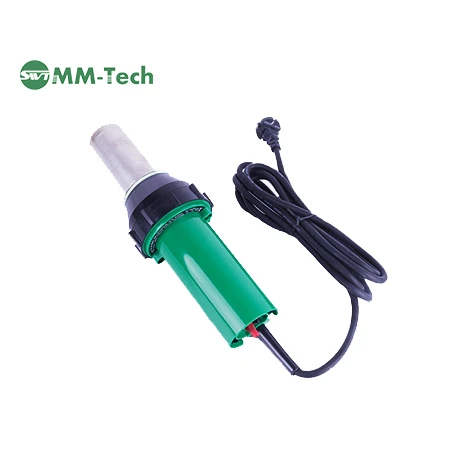
Powerful Professional Hot Air Tool SWT-NS3400A Operation Guide
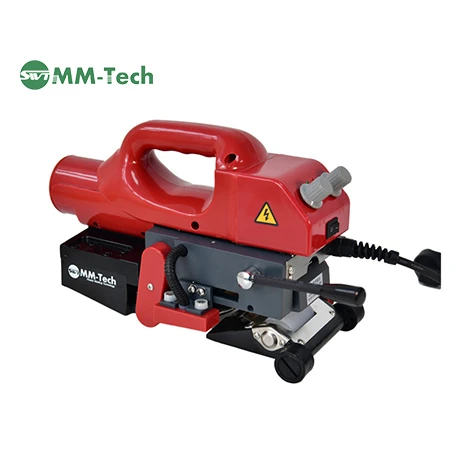
Geo Hot Wedge Welder SWT NS800 Operation Guide
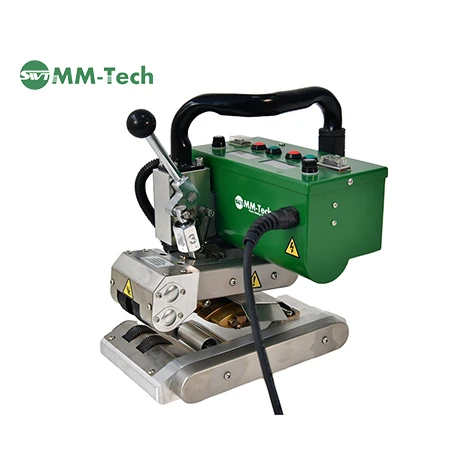
Compact HDPE Hot Wedge Welding Machine SWT-NSGM1 Operation Guide
Related News
2026-04-16 03:09:36
Improve Production Quality Using an Inline Coil Tester System
In the high-precision world of electrical component manufacturing, ensuring the integrity of every single wind is critical. An inline coil tester serves as the ultimate guardian of quality, integrating seamless testing directly into the production line. By detecting defects in real-time, manufacturers can eliminate the risk of faulty coils reaching the assembly stage, thereby reducing waste and protecting brand reputation. Whether you are producing inductors, transformers, or specialized electromagnets, implementing a robust testing strategy is no longer optional—it is a competitive necessity. This guide explores how inline testing transforms efficiency and precision in modern workshops.
2026-04-09 03:15:45
Industrial Leak Detection Using Electronic Spark Tester Guide
In the world of industrial maintenance and pipeline integrity, identifying microscopic leaks can be a daunting challenge. An electronic spark tester serves as a critical diagnostic tool, allowing technicians to pinpoint holidays—tiny pinholes or discontinuities in protective coatings—that are invisible to the naked eye. By applying a high-voltage current to the coating, these devices create a visible spark where the coating is compromised, ensuring that assets are fully protected against corrosion. In this guide, we will explore how this technology works and why it is indispensable for maintaining long-term structural safety.
2026-04-07 03:06:14
Enhancing Weld Quality with a Versatile Dynamic Spark Tester
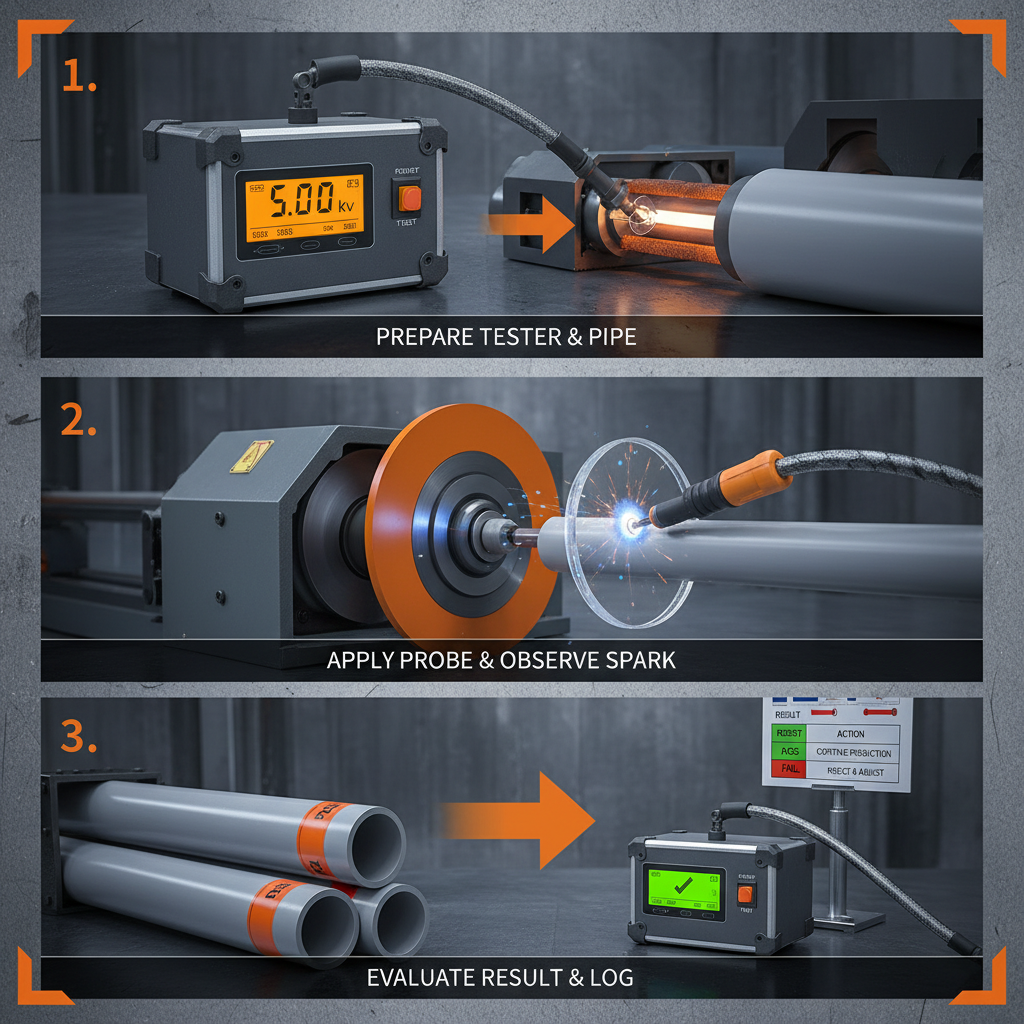
In the realm of welding and fabrication, ensuring the quality and integrity of welds is paramount. A dynamic spark tester is an indispensable tool for quickly and reliably assessing weld quality. This article will delve into the functionality, benefits, applications, and considerations when selecting a dynamic spark tester, particularly focusing on how Aqua Fusion Welder's offerings meet industry demands. We’ll explore how this crucial piece of equipment can enhance your quality control processes and reduce costly rework.
2026-04-04 03:16:07
Understanding the Power of a Digital Spark Tester for Weld Quality Assurance
In the realm of welding, particularly fusion welding, ensuring the integrity of the weld is paramount. A reliable method for quickly verifying weld quality is crucial for efficiency, safety, and cost-effectiveness. A digital spark tester offers a non-destructive testing solution, providing immediate feedback on weld penetration. This article will explore the benefits, applications, and key considerations when selecting a digital spark tester, especially concerning Aqua Fusion Welder's offerings. Effective weld quality control is not merely a best practice; it's a necessity for ensuring long-lasting, dependable results.
2026-03-31 03:08:14
Understanding and Utilizing a Calibrated Spark Tester for Quality Welding
In the realm of welding, ensuring quality and safety is paramount. A crucial tool for achieving this is the calibrated spark tester. This device is vital for verifying the correct settings on a hot gas welding machine, ensuring consistent and reliable welds. This article delves into what a calibrated spark tester is, how it works, its importance in various applications, choosing the right tester, maintenance best practices, and safety precautions. We’ll explore its role in optimizing welding processes and upholding industry standards.
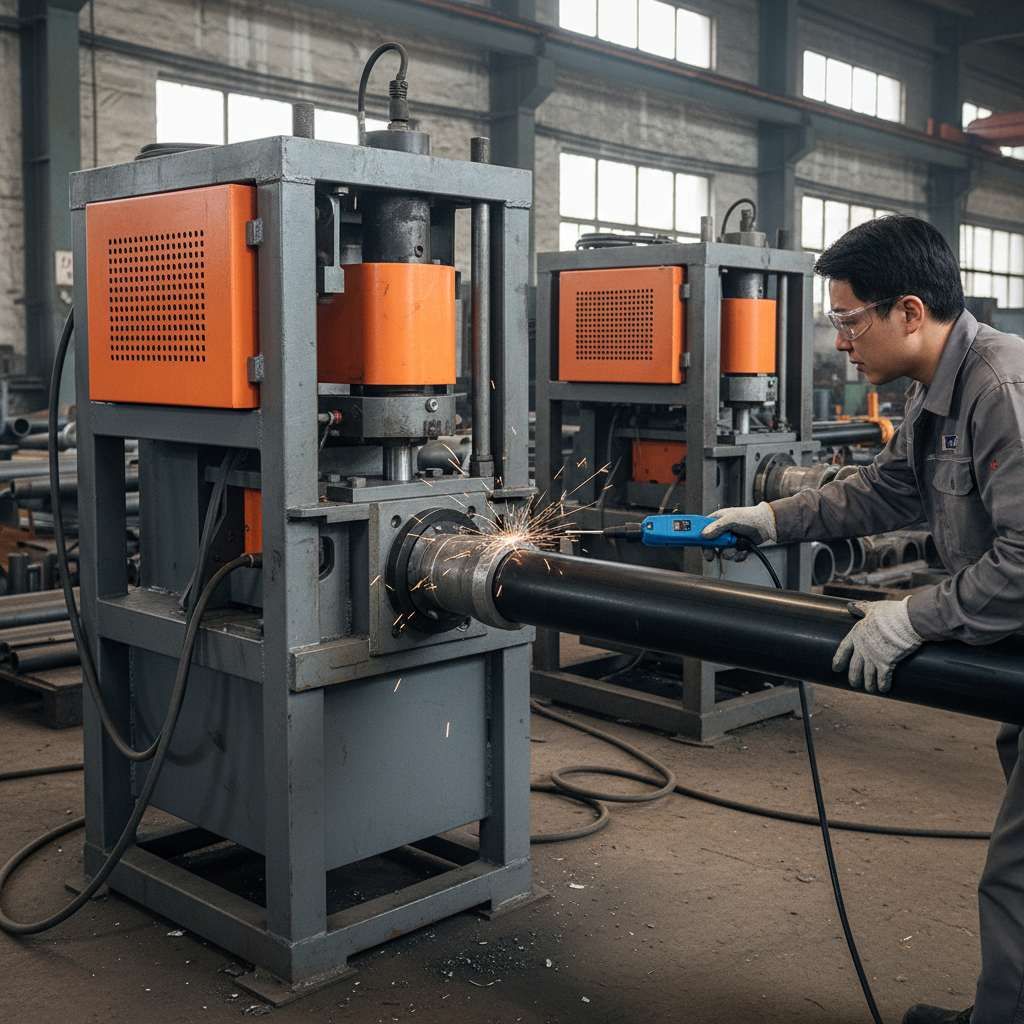
2026-03-28 03:25:06
Comprehensive Guide to the Blue Point Spark Tester for Welding Optimization
When dealing with gas metal arc welding (GMAW) and flux-cored arc welding (FCAW), ensuring a proper arc and consistent weld quality is critical. The Blue Point Spark Tester is an invaluable tool for verifying proper electrical connections and detecting potential issues before welding begins. This article provides a detailed overview of the Blue Point Spark Tester, its functionality, applications, and how it can improve your welding outcomes. Investing in a reliable spark tester like this can save time, materials, and ensure a higher quality of weld.
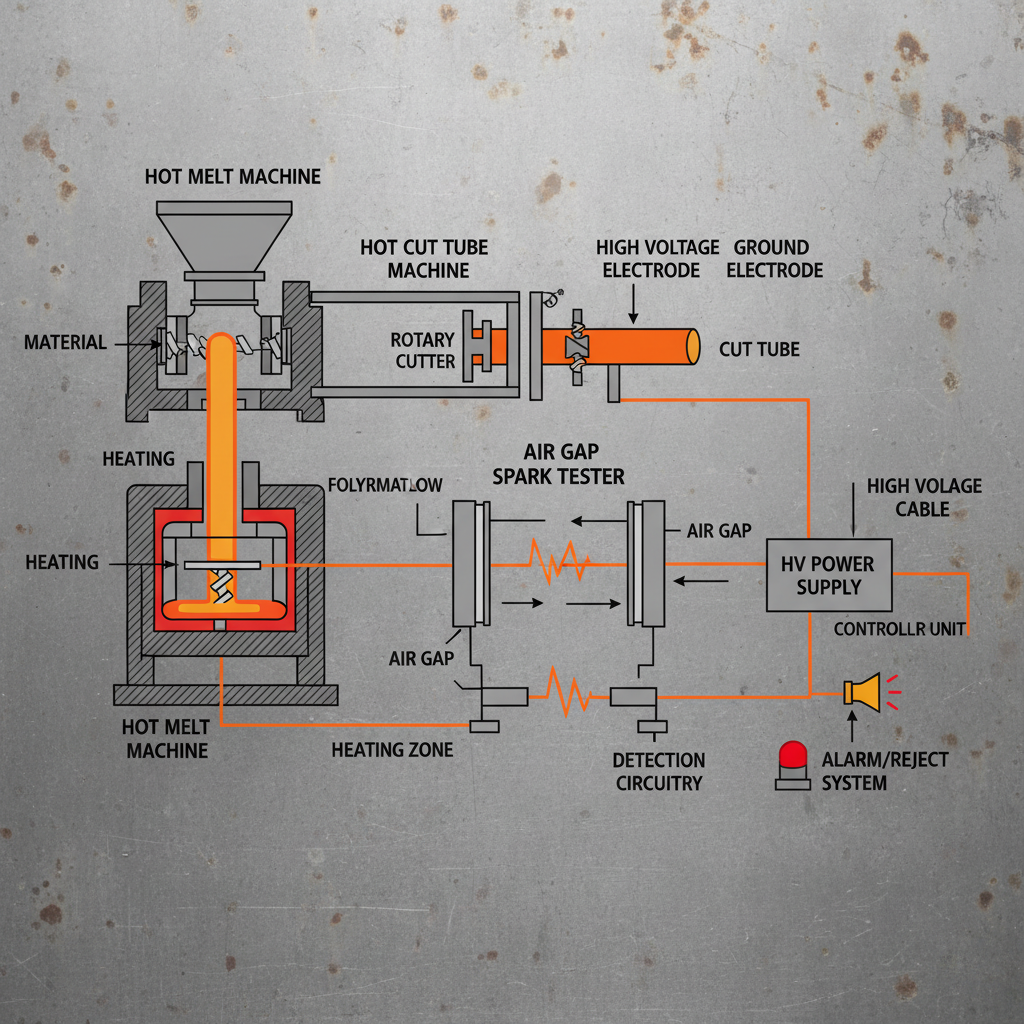
2026-03-26 03:15:05
Comprehensive Guide to Air Gap Spark Tester Applications and Selection
In the realm of welding and metal fabrication, ensuring the quality and integrity of welds is paramount. An air gap spark tester is a vital tool for non-destructive testing, allowing professionals to quickly and accurately identify potential issues in welds. This article provides an in-depth exploration of air gap spark testers, their applications, benefits, and considerations for choosing the right model. From quality control to safety, understanding this technology is crucial for maintaining high standards in your welding processes. Aqua Fusion Welder provides high-quality solutions for all your welding testing needs. An air gap spark tester, also known as a porosity tester, is a device used to detect the presence of air gaps, porosity, or incomplete fusion in welds. It works by applying a high-voltage electrical discharge across the weld surface. If flaws exist, the spark will travel through the air gap, producing a visible arc and indicating a defect. This provides a quick and efficient method for identifying potential weaknesses that could compromise the weld's structural integrity.
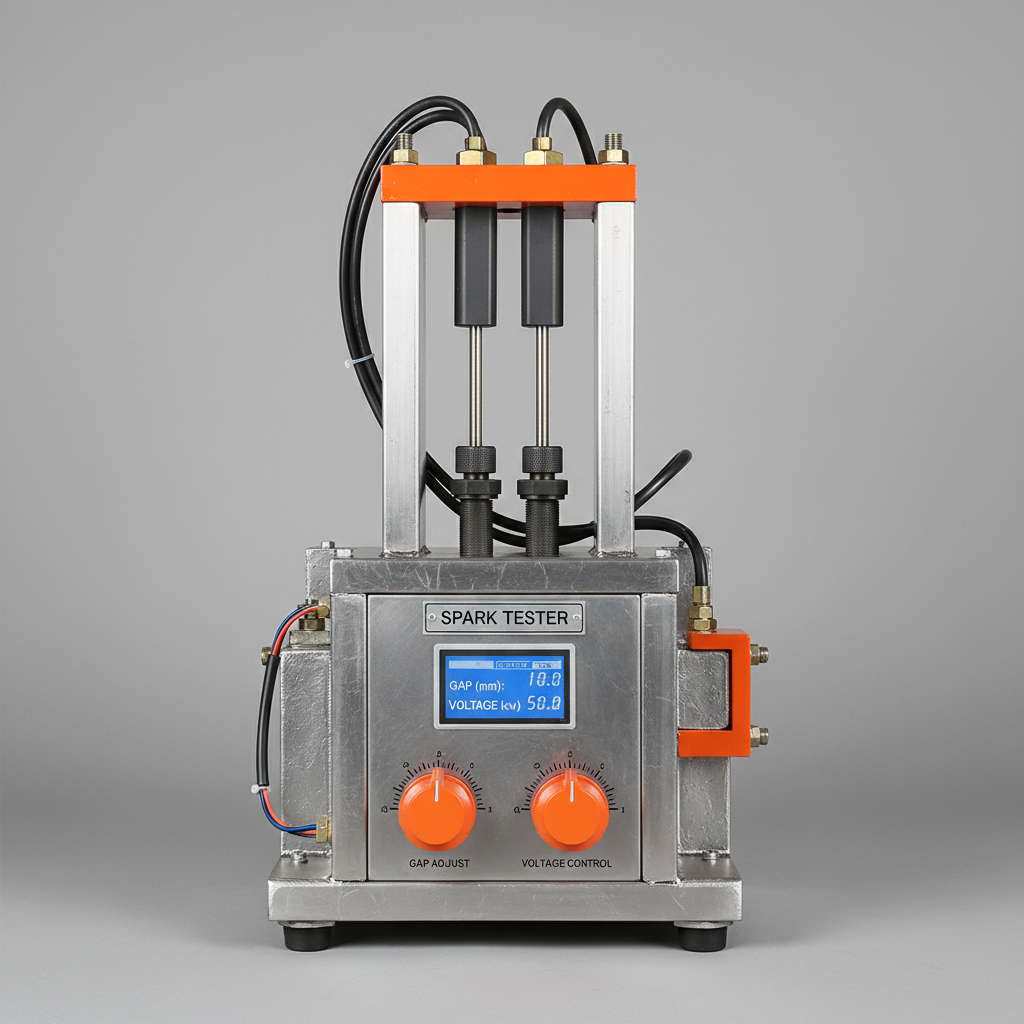
2026-03-24 03:17:19
Comprehensive Guide to the Adjustable Gap Spark Tester for Weld Quality Assurance
The adjustable gap spark tester is an essential tool for quality control in welding applications, particularly for polyethylene (PE) and polypropylene (PP) piping systems. This article dives deep into its functionality, benefits, applications, and why choosing a reliable tester like those from Aqua Fusion Welder is critical for ensuring weld integrity. Properly assessing weld quality prevents costly failures and maintains the long-term reliability of critical infrastructure. Let's explore the core principles and advantages of using an adjustable gap spark tester. An adjustable gap spark tester is a non-destructive testing (NDT) device used to identify gaps or voids within a weld. It operates on the principle of high voltage discharge. When a high voltage is applied across the weld, it arcs across any gaps or imperfections, creating a visible spark. The size of the adjustable gap determines the sensitivity of the test; a smaller gap detects smaller flaws.
SUBSCRIBE NEWSLETTER
Dear customer, thank you for your attention! We provide high-quality machinery and equipment and look forward to your orders. Please inform us of your needs and we will respond quickly!






 English