
-
 Email:news@peweldingmachine.com
-
 +86-137 3974 5191
-
 Add:
Add:NO.355,Youyi Street,Qiaoxi District,Shijiazhuang,Hebei,China.



Hot Air Gun Technology and Its Applications

Hot Air Gun Technology and Its Applications
May . 15, 2025 11:44
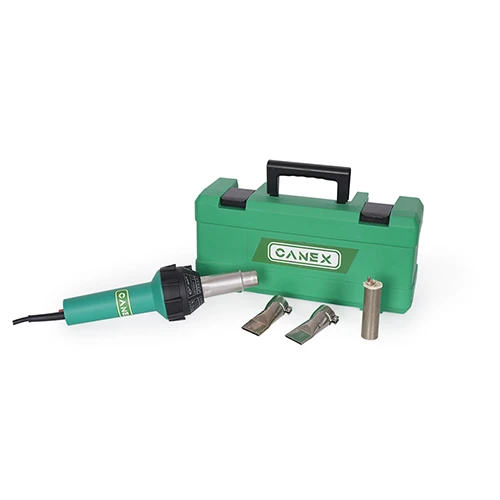
Hot air welding gun, As an important welding method, it has been widely used in multiple industries due to its high efficiency and flexibility. It uses hot air as a heat source to heat and melt the welding material, thereby achieving the connection between materials. This article will explore the basic principles, main advantages, and wide application areas of hot air gun.
The basic principle of a hot air welder is to use the hot air generated by a hot air gun to accurately heat the surface of the material to be welded
Hot air guns are usually equipped with controllers that can adjust temperature and air volume, allowing users to flexibly adjust the parameters of the hot air according to the characteristics of the material and welding requirements. When the temperature of the hot air reaches or exceeds the melting point of the welding material, the surface of the material begins to melt. By applying a certain pressure, the melted materials can be fused together to form a strong connection. According to the type of welding material and application scenario, hot air welder for plastic can use different welding methods, such as spot welding, wire welding, and surface welding.
Compared with traditional welding methods, hot air guns have many advantages
Firstly, it has a high degree of flexibility. Due to its compact size and easy operation, the hot air gun can be applied to various complex welding situations, especially in areas with limited space or difficult access. Secondly, the cost of plastic hot air guns is relatively low. The simple equipment and low maintenance costs make it an ideal choice for small businesses and individual users. In addition, the hot air welder has strong process controllability. By precisely controlling the temperature and volume of hot air, it is possible to effectively avoid excessive melting or burning of materials and ensure welding quality. More importantly, welding guns typically do not require additional filler materials, reducing the complexity of the welding process and lowering material costs.
The application fields of hot air welders are very extensive
In the plastic processing industry, it is widely used for welding plastic sheets, pipes, and films, such as in the production of plastic water tanks, drainage pipes, and packaging materials. In the automotive industry, heat gun for tpo are used to repair connections between plastic bumpers, interior panels, and electronic components. In the medical device industry, hot air welders are used to manufacture medical equipment and consumables due to their pollution-free and highly controllable characteristics. In addition, in the textile industry, hot air welders are also used to sew waterproof fabrics, tents, and inflatable products.
Heat guns also have certain limitations
It is usually suitable for welding thermoplastic materials and has relatively poor welding performance for metal materials. In addition, the welding strength and pressure resistance of plastic heat guns are relatively low, making them unsuitable for welding applications that require high strength.
In summary, hot air welders play an important role in multiple industry sectors due to their unique advantages. With the continuous development and improvement of technology, the application scope of hot air welders will be further expanded, providing more efficient, economical, and flexible welding solutions for various industries. In the future, we can expect hot air welder technology to make greater breakthroughs in intelligence and automation, thus better meeting the growing industrial demand.
Hot Air Gun FAQs
What is the working principle of Hot Air Gun?
The hot air welding gun generates a high-temperature airflow (usually adjustable from 100~600 ° C) through an electric heating element, which directly acts on the plastic welding site or welding rod, causing it to melt and then press and bond. Suitable for welding thermoplastic materials such as PVC, PE, PP, etc.
What materials are suitable for welding with a hot air welding gun?
Common materials: PVC waterproofing membrane, PE geomembrane, PP sheet, ABS plastic, etc.
Not applicable materials: thermosetting plastics (such as epoxy resin), metals, or materials sensitive to high temperatures (such as TPU, caution should be exercised).
How to adjust the parameters of the hot air welding gun?
Adjust according to material thickness and type:
Temperature: PVC about 300-400 ° C, HDPE about 350-450 ° C.
Wind speed: Use high air volume for thick materials and low air volume for thin materials to avoid wrinkling.
Welding speed: usually 0.1~0.3m/s, too fast can lead to insufficient fusion.
Common defects and solutions of heat gun?
Weld seam bubbles → If the material is damp or the temperature is too high, it needs to be pre dried or cooled.
Virtual welding/cracking → Insufficient pressure or excessive speed, pressure or deceleration is required.
Material deformation → If the hot air stays for too long, it is necessary to shorten the heating time or use auxiliary cooling.
What are the daily maintenance points for hot air welding guns?
Clean the nozzle after use to prevent plastic residue from clogging.
Regularly check the heating wire and temperature control system to ensure temperature accuracy.
Avoid prolonged full load operation to prevent overheating and damage.
Disconnect the power supply during storage and keep it dry and dust-proof.

Related Products
Related Video

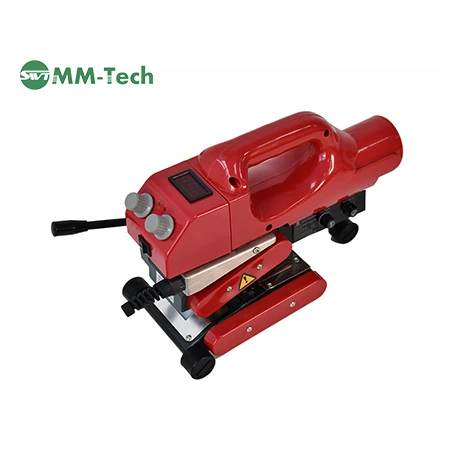

Geo Hot Wedge Welder With Digital Display SWT NS800D Operation Guide
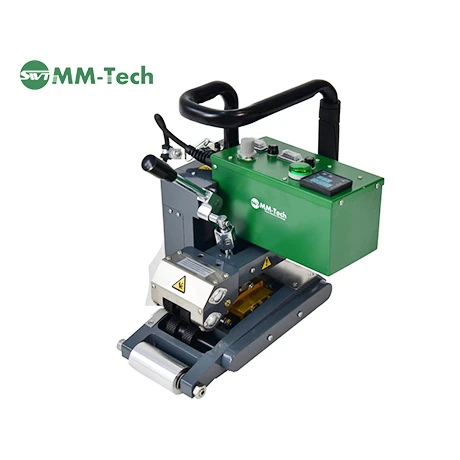
Heavy-Duty Geo Hot Wedge Welder SWT-NS900 Operation Guide
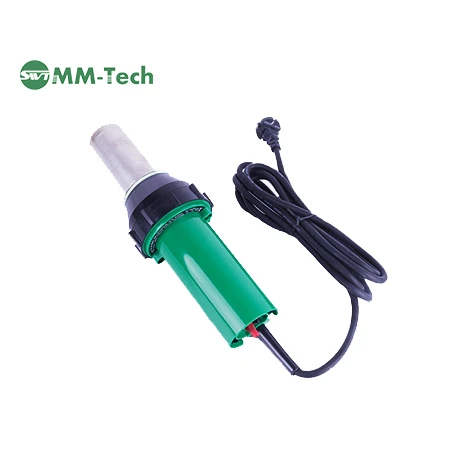
Powerful Professional Hot Air Tool SWT-NS3400A Operation Guide
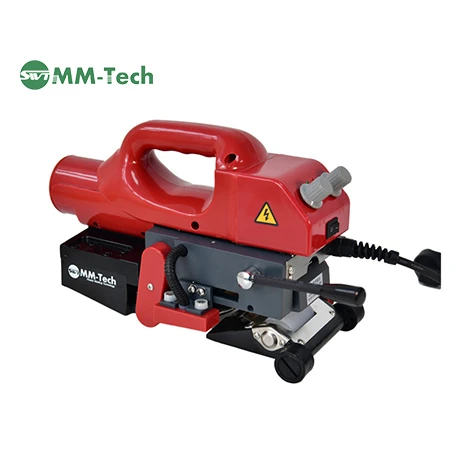
Geo Hot Wedge Welder SWT NS800 Operation Guide
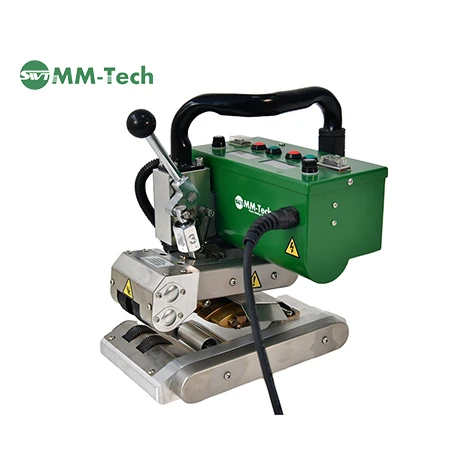
Compact HDPE Hot Wedge Welding Machine SWT-NSGM1 Operation Guide
Related News
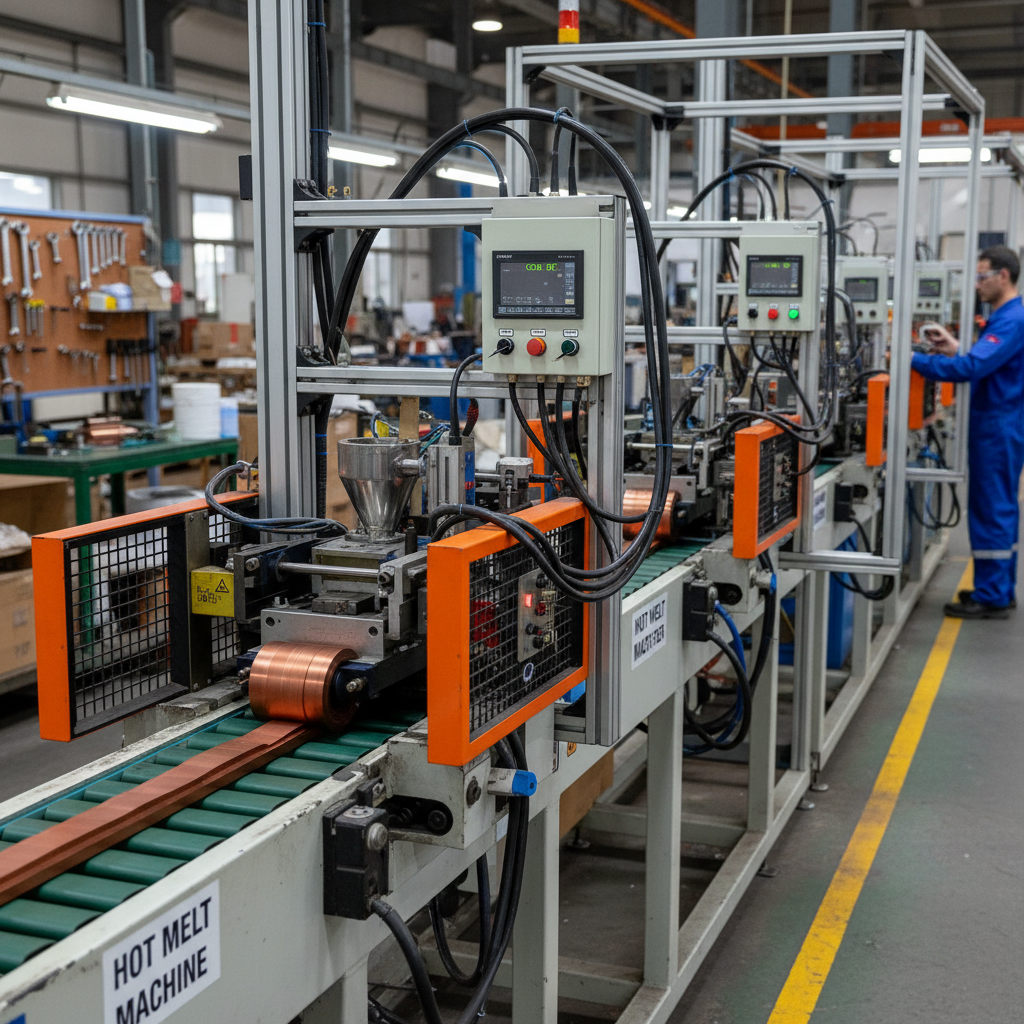
2026-04-16 03:09:36
Improve Production Quality Using an Inline Coil Tester System
In the high-precision world of electrical component manufacturing, ensuring the integrity of every single wind is critical. An inline coil tester serves as the ultimate guardian of quality, integrating seamless testing directly into the production line. By detecting defects in real-time, manufacturers can eliminate the risk of faulty coils reaching the assembly stage, thereby reducing waste and protecting brand reputation. Whether you are producing inductors, transformers, or specialized electromagnets, implementing a robust testing strategy is no longer optional—it is a competitive necessity. This guide explores how inline testing transforms efficiency and precision in modern workshops.
2026-04-09 03:15:45
Industrial Leak Detection Using Electronic Spark Tester Guide
In the world of industrial maintenance and pipeline integrity, identifying microscopic leaks can be a daunting challenge. An electronic spark tester serves as a critical diagnostic tool, allowing technicians to pinpoint holidays—tiny pinholes or discontinuities in protective coatings—that are invisible to the naked eye. By applying a high-voltage current to the coating, these devices create a visible spark where the coating is compromised, ensuring that assets are fully protected against corrosion. In this guide, we will explore how this technology works and why it is indispensable for maintaining long-term structural safety.
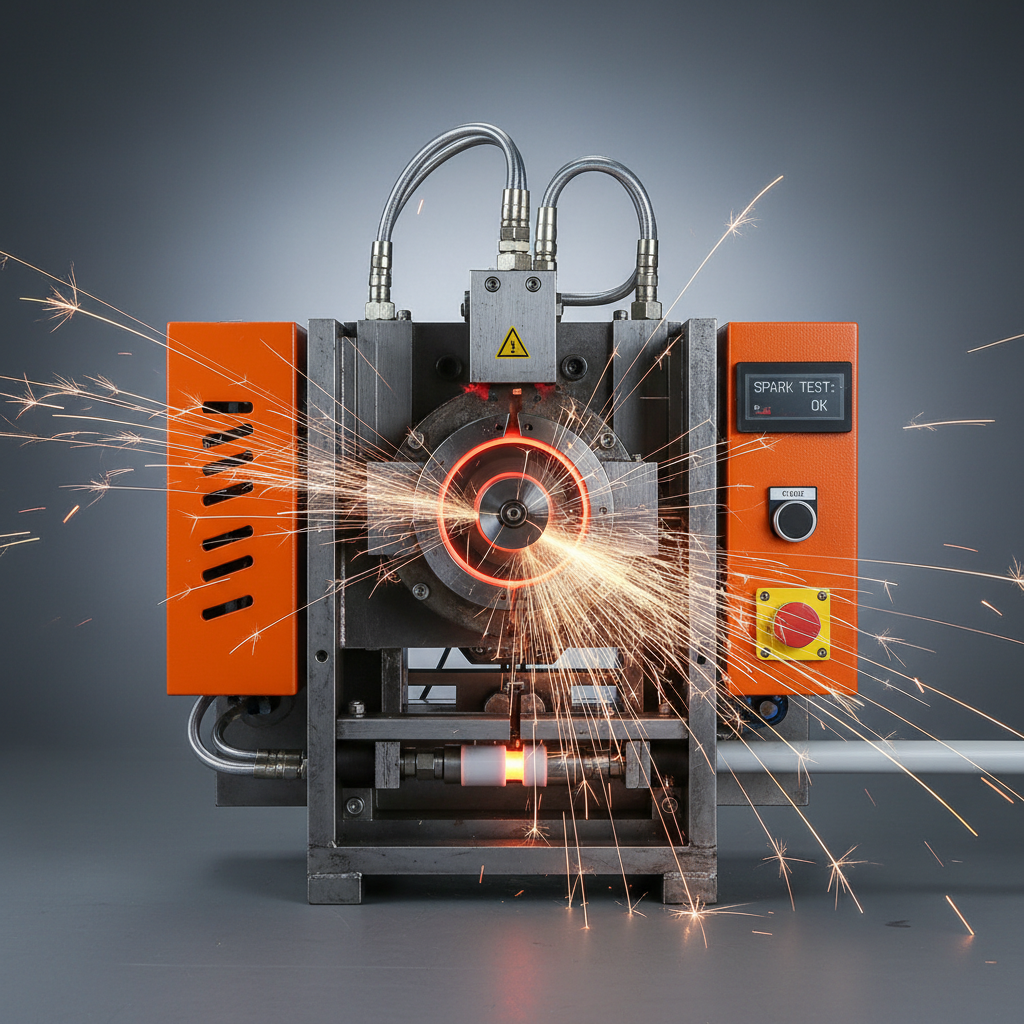
2026-04-07 03:06:14
Enhancing Weld Quality with a Versatile Dynamic Spark Tester
In the realm of welding and fabrication, ensuring the quality and integrity of welds is paramount. A dynamic spark tester is an indispensable tool for quickly and reliably assessing weld quality. This article will delve into the functionality, benefits, applications, and considerations when selecting a dynamic spark tester, particularly focusing on how Aqua Fusion Welder's offerings meet industry demands. We’ll explore how this crucial piece of equipment can enhance your quality control processes and reduce costly rework.
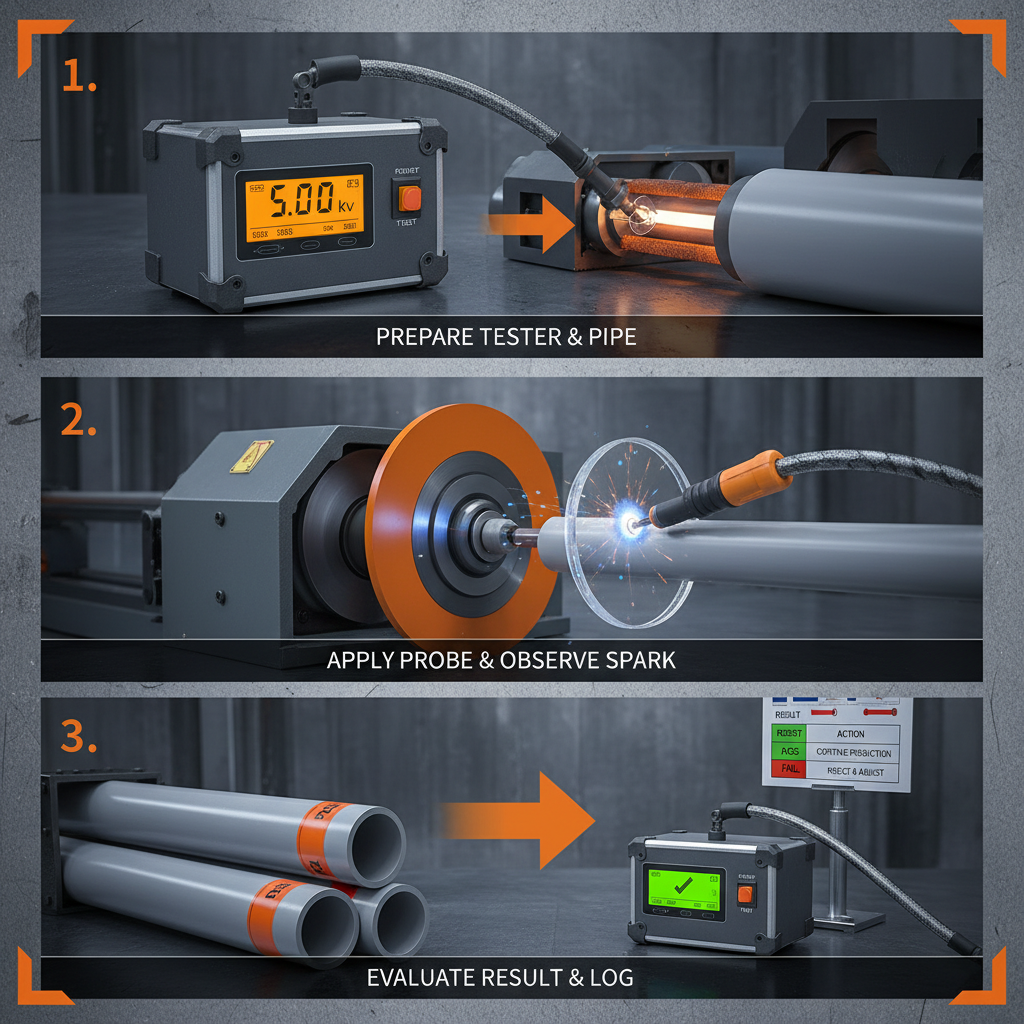
2026-04-04 03:16:07
Understanding the Power of a Digital Spark Tester for Weld Quality Assurance
In the realm of welding, particularly fusion welding, ensuring the integrity of the weld is paramount. A reliable method for quickly verifying weld quality is crucial for efficiency, safety, and cost-effectiveness. A digital spark tester offers a non-destructive testing solution, providing immediate feedback on weld penetration. This article will explore the benefits, applications, and key considerations when selecting a digital spark tester, especially concerning Aqua Fusion Welder's offerings. Effective weld quality control is not merely a best practice; it's a necessity for ensuring long-lasting, dependable results.
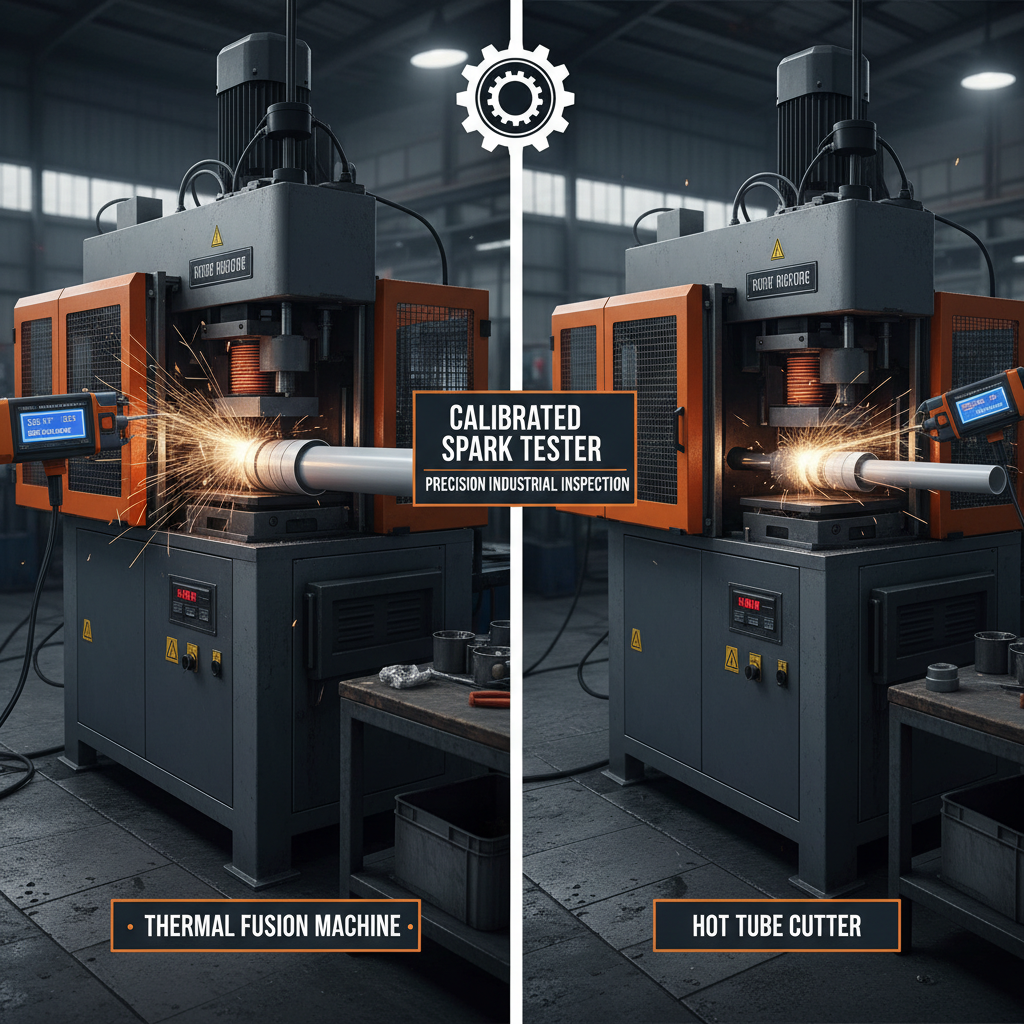
2026-03-31 03:08:14
Understanding and Utilizing a Calibrated Spark Tester for Quality Welding
In the realm of welding, ensuring quality and safety is paramount. A crucial tool for achieving this is the calibrated spark tester. This device is vital for verifying the correct settings on a hot gas welding machine, ensuring consistent and reliable welds. This article delves into what a calibrated spark tester is, how it works, its importance in various applications, choosing the right tester, maintenance best practices, and safety precautions. We’ll explore its role in optimizing welding processes and upholding industry standards.
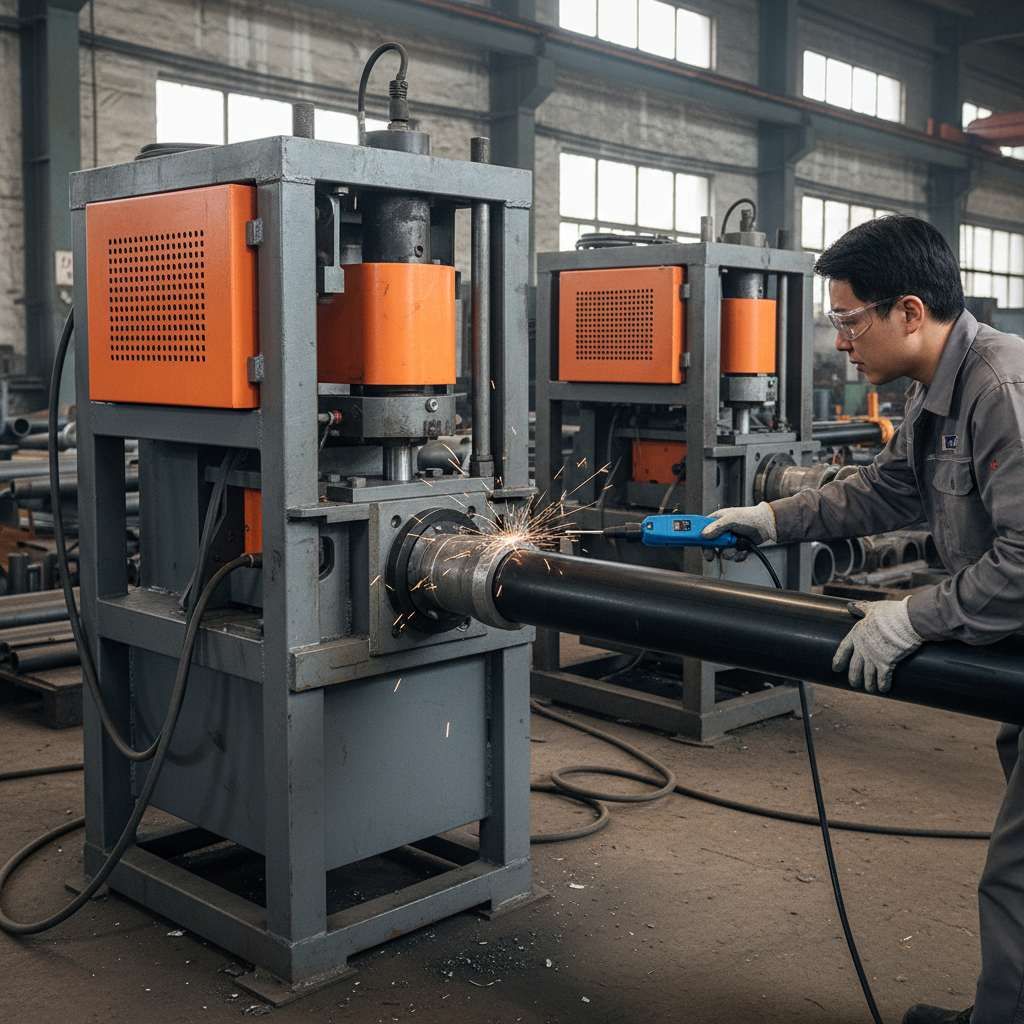
2026-03-28 03:25:06
Comprehensive Guide to the Blue Point Spark Tester for Welding Optimization
When dealing with gas metal arc welding (GMAW) and flux-cored arc welding (FCAW), ensuring a proper arc and consistent weld quality is critical. The Blue Point Spark Tester is an invaluable tool for verifying proper electrical connections and detecting potential issues before welding begins. This article provides a detailed overview of the Blue Point Spark Tester, its functionality, applications, and how it can improve your welding outcomes. Investing in a reliable spark tester like this can save time, materials, and ensure a higher quality of weld.
2026-03-26 03:15:05
Comprehensive Guide to Air Gap Spark Tester Applications and Selection
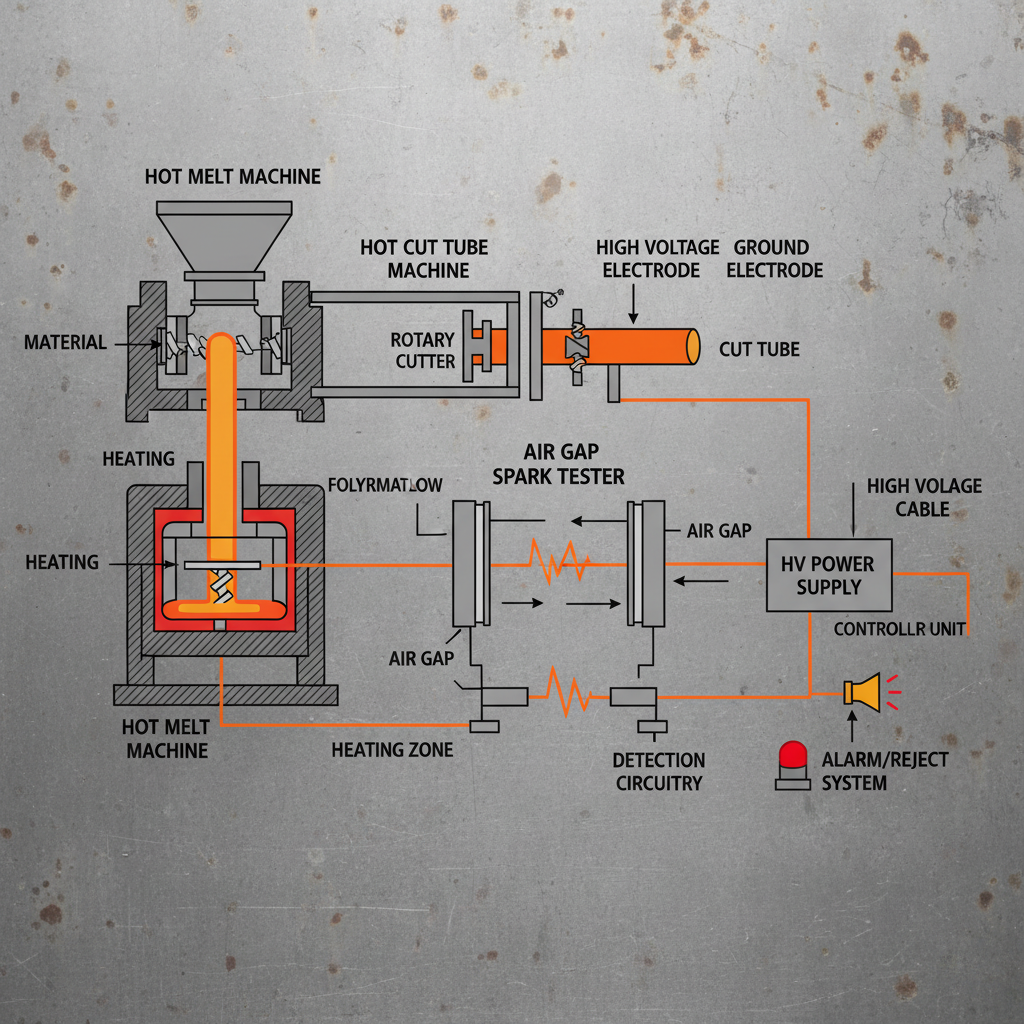
In the realm of welding and metal fabrication, ensuring the quality and integrity of welds is paramount. An air gap spark tester is a vital tool for non-destructive testing, allowing professionals to quickly and accurately identify potential issues in welds. This article provides an in-depth exploration of air gap spark testers, their applications, benefits, and considerations for choosing the right model. From quality control to safety, understanding this technology is crucial for maintaining high standards in your welding processes. Aqua Fusion Welder provides high-quality solutions for all your welding testing needs. An air gap spark tester, also known as a porosity tester, is a device used to detect the presence of air gaps, porosity, or incomplete fusion in welds. It works by applying a high-voltage electrical discharge across the weld surface. If flaws exist, the spark will travel through the air gap, producing a visible arc and indicating a defect. This provides a quick and efficient method for identifying potential weaknesses that could compromise the weld's structural integrity.
2026-03-24 03:17:19
Comprehensive Guide to the Adjustable Gap Spark Tester for Weld Quality Assurance
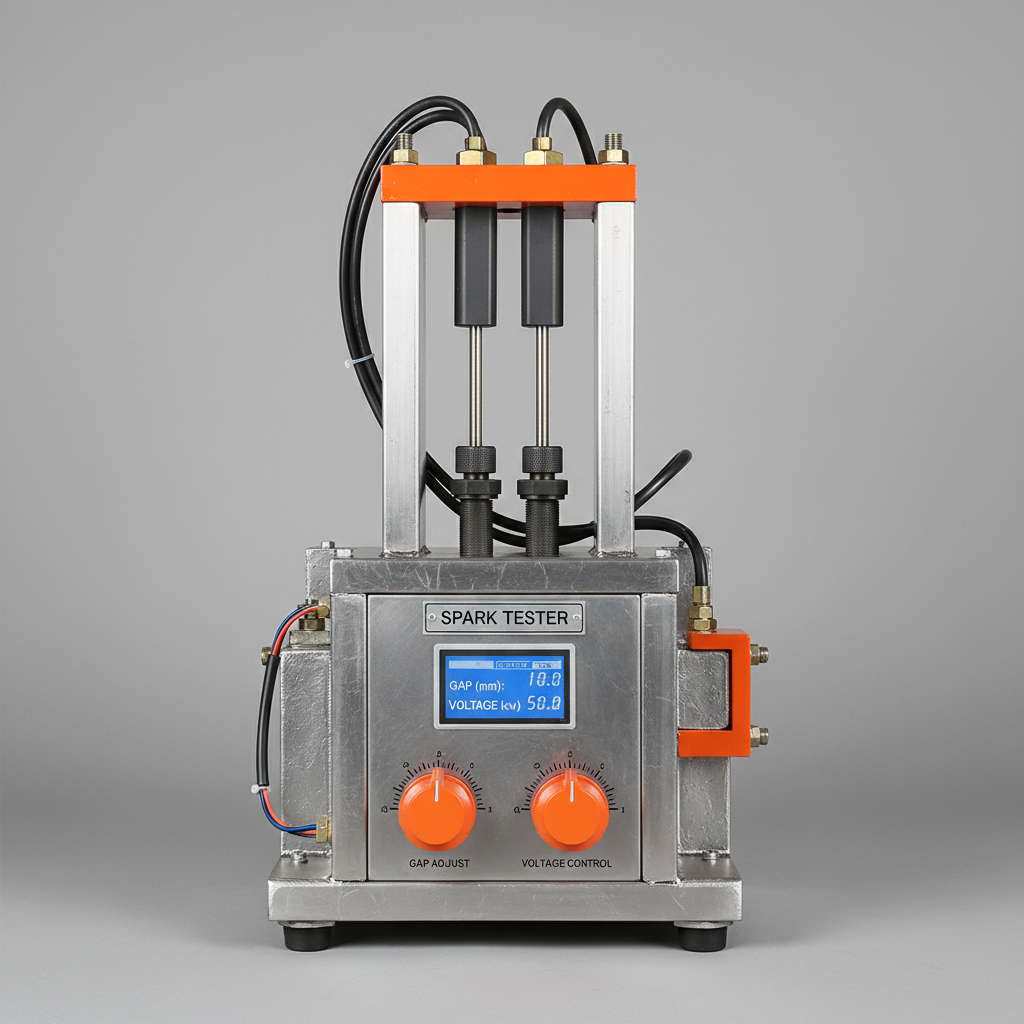
The adjustable gap spark tester is an essential tool for quality control in welding applications, particularly for polyethylene (PE) and polypropylene (PP) piping systems. This article dives deep into its functionality, benefits, applications, and why choosing a reliable tester like those from Aqua Fusion Welder is critical for ensuring weld integrity. Properly assessing weld quality prevents costly failures and maintains the long-term reliability of critical infrastructure. Let's explore the core principles and advantages of using an adjustable gap spark tester. An adjustable gap spark tester is a non-destructive testing (NDT) device used to identify gaps or voids within a weld. It operates on the principle of high voltage discharge. When a high voltage is applied across the weld, it arcs across any gaps or imperfections, creating a visible spark. The size of the adjustable gap determines the sensitivity of the test; a smaller gap detects smaller flaws.
SUBSCRIBE NEWSLETTER
Dear customer, thank you for your attention! We provide high-quality machinery and equipment and look forward to your orders. Please inform us of your needs and we will respond quickly!






 English