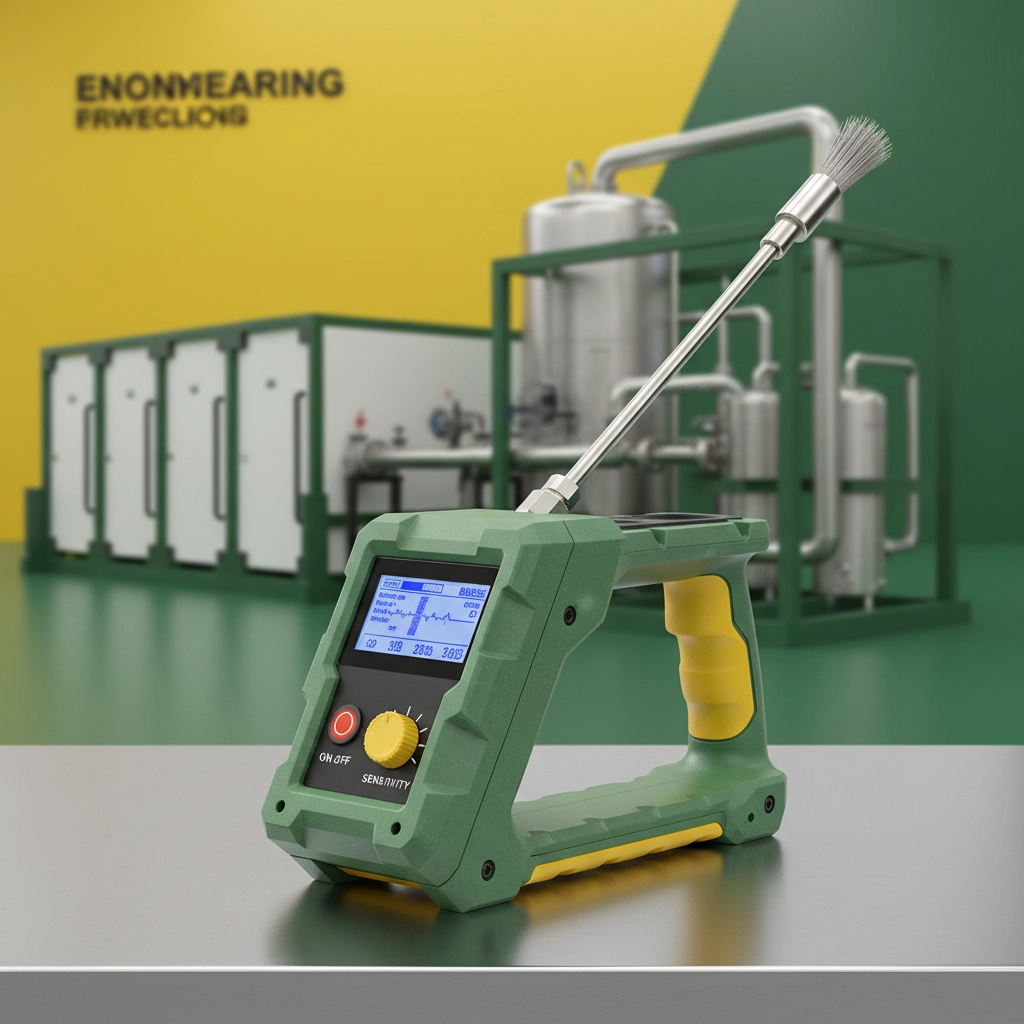
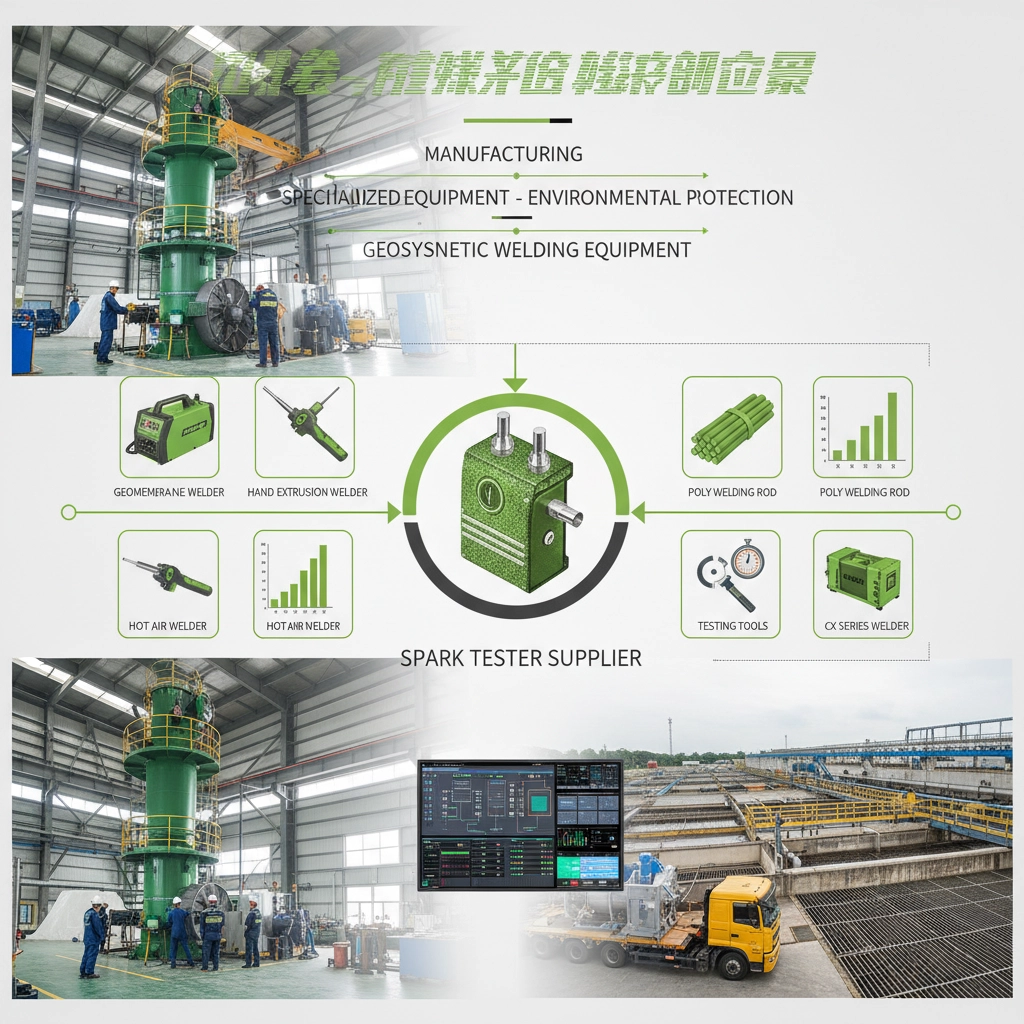
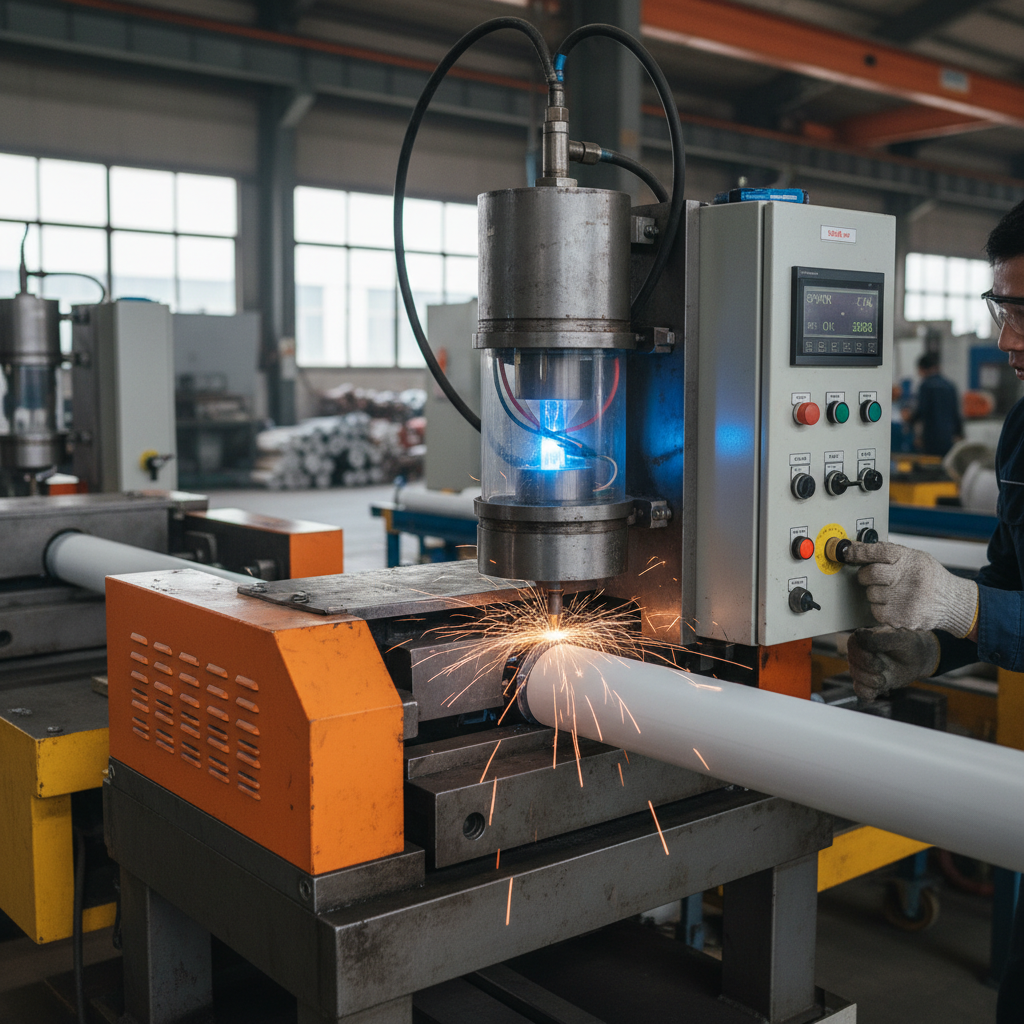
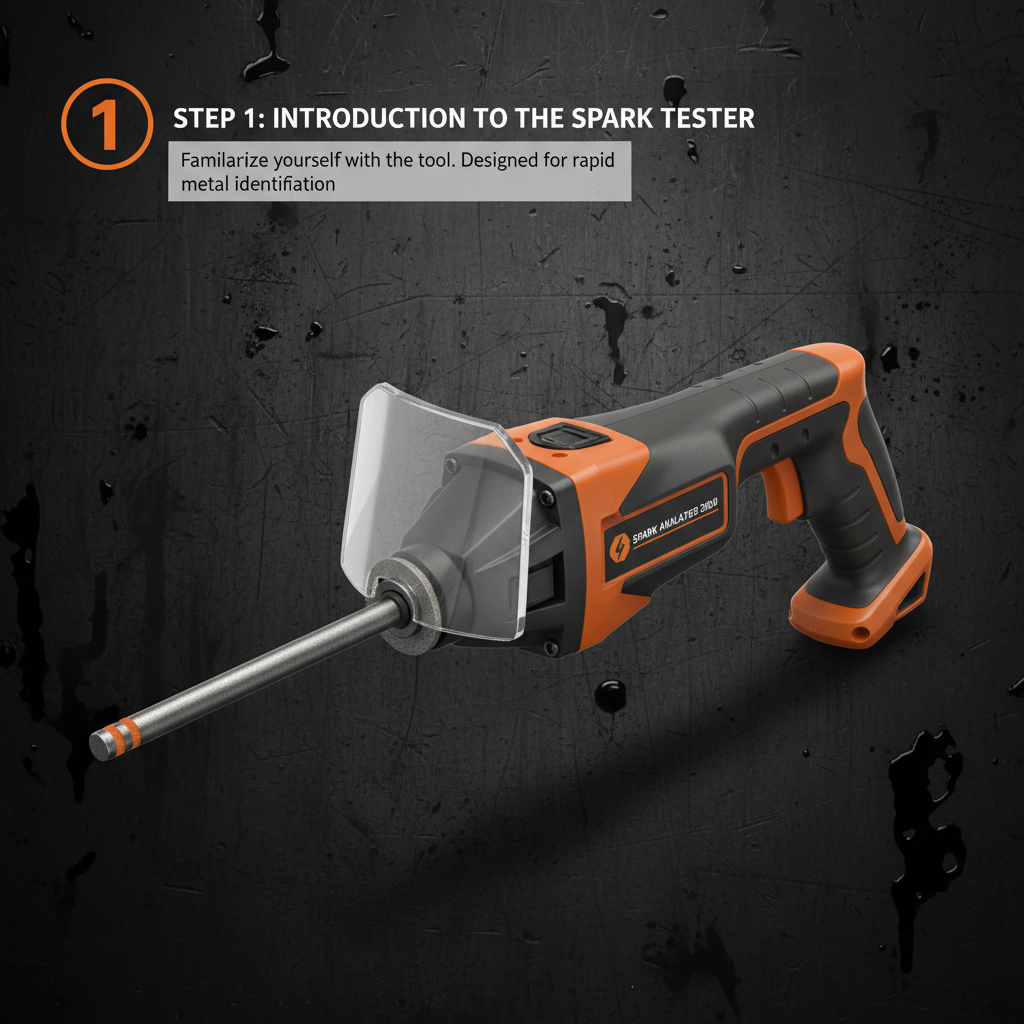
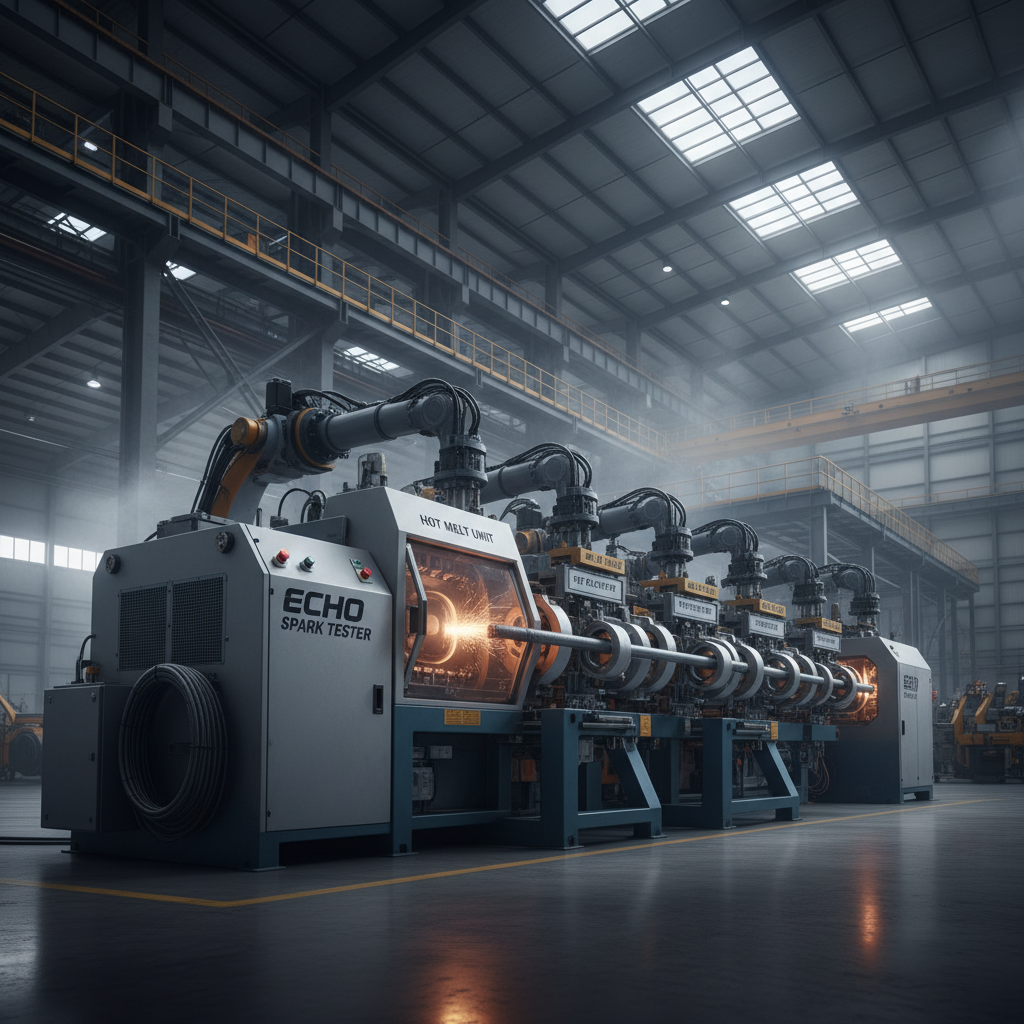
Ensuring the integrity of geomembrane liners is a critical requirement for environmental protection, making the role of a professional spark tester supplier indispensable in modern construction. These specialized tools allow engineers to detect microscopic punctures and leaks that are invisible to the naked eye, preventing catastrophic soil and groundwater contamination in landfills and mining projects.
Across the globe, the demand for high-precision leak detection has surged as environmental regulations become more stringent. A reliable spark tester supplier does not merely provide equipment; they provide the assurance that complex containment systems are airtight and compliant with international safety standards, such as ISO and GRI.
Understanding the nuances of spark testing—from voltage calibration to probe sensitivity—is essential for any contractor aiming for long-term project success. By partnering with an experienced spark tester supplier, firms can minimize the risk of costly rework and environmental liability, ensuring that their protective barriers remain impenetrable for decades.
Global Relevance of Spark Tester Supplier in Environmental Safety
The global shift toward sustainable infrastructure has placed immense pressure on waste management and mining sectors to prevent leakage. A qualified spark tester supplier supports this transition by providing the tools necessary to verify the continuity of synthetic liners. Without these high-voltage testing tools, the risk of hazardous chemicals leaching into the ecosystem remains unacceptably high.
Statistically, the failure of geomembrane seams is one of the primary causes of containment breaches. By implementing rigorous testing protocols provided by a trusted spark tester supplier, project managers can reduce leak-related failures by up to 90%, aligning their operations with global environmental protection goals and reducing the likelihood of heavy regulatory fines.
Defining the Role of a Spark Tester Supplier
In simple terms, a spark tester supplier provides the high-voltage equipment used to detect holes in non-conductive membranes. By applying a voltage that exceeds the dielectric strength of the material but is below the breakdown voltage of the liner itself, the device creates a "spark" only where there is a puncture, allowing the operator to pinpoint the exact location of the defect.
Beyond the hardware, a professional supplier acts as a technical consultant. They guide users through the selection of the correct voltage for different materials, such as HDPE, PVC, or EPDM, ensuring that the testing process identifies leaks without damaging the integrity of the liner.
This connection to modern industry is vital because it bridges the gap between theoretical design and practical reliability. As urban centers grow and industrial zones expand, the ability to certify a "zero-leak" environment becomes a humanitarian necessity to ensure clean drinking water for surrounding populations.
Core Components of High-Quality Leak Detection Systems
Durability is the first cornerstone for any equipment sourced from a spark tester supplier. Since these devices are used in harsh environments—ranging from muddy landfill sites to salty coastal regions—the housing must be impact-resistant and weather-proof to maintain consistent electrical output.
Precision calibration is equally critical. A leading spark tester supplier ensures that the voltage delivery is stable; too low a voltage will miss small pinholes, while too high a voltage may burn through the membrane. This balance is what separates industrial-grade tools from amateur equipment.
Finally, user accessibility and safety cannot be overlooked. Modern systems include audible alarms and visual indicators that alert the technician the moment a spark occurs, reducing human error and ensuring that the testing process is both efficient and safe for the operator.
Practical Applications Across Industrial Sectors
Real-world application of spark testing is most prominent in the construction of hazardous waste cells and wastewater treatment plants. In these scenarios, a spark tester supplier provides the critical verification tools used after the welding of geomembrane seams, ensuring that every inch of the liner is perfectly sealed before the facility becomes operational.
Beyond industrial zones, these tools are used in specialized agricultural applications, such as lining ponds for aquaculture or irrigation. In remote regions where environmental monitoring is difficult, the immediate feedback provided by high-voltage spark testers allows for on-the-spot repairs, preventing long-term soil degradation.
Efficiency Comparison of Leak Detection Methods from Spark Tester Supplier
Long-Term Value and Sustainability Benefits
The investment in equipment from a professional spark tester supplier yields significant financial returns by preventing environmental disasters. The cost of repairing a leak after a landfill is filled is exponentially higher than the cost of testing the liner during installation. This proactive approach ensures operational continuity and protects the company's brand reputation.
From a sustainability perspective, precise leak detection reduces the carbon footprint associated with emergency remediation. By ensuring the first-time success of containment barriers, industries can minimize material waste and prevent the contamination of precious groundwater resources, contributing to a healthier planet for future generations.
Emerging Trends in Spark Testing Technology
The industry is currently seeing a shift toward digital transformation and automation. A forward-thinking spark tester supplier is now integrating data logging capabilities into their devices, allowing technicians to generate digital maps of the tested areas. This creates a verifiable "audit trail" that can be submitted to regulatory bodies as proof of quality.
Furthermore, there is a growing trend toward the development of portable, battery-operated units that offer the same power as traditional mains-powered machines. This mobility allows for easier testing in remote industrial zones where power infrastructure is lacking, increasing the speed of deployment and testing.
We are also seeing the integration of smart sensors that can automatically adjust the voltage based on the material thickness. This innovation, driven by leading spark tester supplier R&D, reduces the risk of human error and ensures a higher standard of safety across different project types.
Overcoming Common Challenges in Field Testing
One of the most common challenges in the field is the presence of moisture, which can cause "false positives" or conductive paths that mask actual leaks. To solve this, an expert spark tester supplier recommends a thorough cleaning and drying of the surface before testing, or the use of specialized probes that can filter out surface conductivity.
Another limitation is the skill level of the operator. Many failures in leak detection aren't due to the tool, but due to improper probe handling. The solution lies in comprehensive training programs provided by the supplier, ensuring that staff can distinguish between a genuine puncture and a surface artifact.
Finally, the challenge of testing very thick membranes requires specialized high-voltage units. By consulting with a spark tester supplier, companies can acquire equipment with adjustable voltage ranges (up to 30kV or more), ensuring that even the most robust barriers are tested effectively without compromising the material.
Comparison of Spark Testing Equipment Specifications by Material Type
|
Liner Material
|
Recommended Voltage (kV)
|
Detection Sensitivity
|
Supplier Tooling Grade
|
| HDPE (1.5mm) |
12 - 15 kV |
High |
Industrial |
| PVC (2.0mm) |
10 - 12 kV |
Medium-High |
Standard |
| EPDM (1.0mm) |
8 - 10 kV |
High |
Precision |
| Composite Liner |
15 - 20 kV |
Medium |
Heavy Duty |
| Thin Film (0.5mm) |
5 - 7 kV |
Ultra-High |
Light Duty |
| Reinforced HDPE |
18 - 25 kV |
Medium |
Industrial Plus |
FAQS
A professional spark tester supplier specializes in high-voltage dielectric testing. Unlike general vendors, they provide calibrated equipment tailored to specific membrane thicknesses and materials, offering critical technical support and training to ensure that the user doesn't accidentally damage the liner during the testing process.
Spark testing is designed for non-conductive materials. It is highly effective for HDPE, PVC, and EPDM. However, it cannot be used on conductive liners (such as some GCLs or metal-backed liners) because the electrical current would not concentrate at the leak point, rendering the tool ineffective.
To maintain accuracy and safety, it is recommended to have your equipment calibrated by your spark tester supplier every 12 months. Regular calibration ensures that the voltage output remains stable, which is essential for avoiding false negatives in critical environmental containment projects.
Yes, when using equipment from a reputable spark tester supplier. Industrial spark testers are designed with safety grounding and insulated probes to protect the user. However, operators should always follow standard safety protocols and wear appropriate PPE to avoid accidental shocks.
Vacuum testing is typically used for seams and involves creating a pressure differential. Spark testing is a faster, more comprehensive method used for the entire surface area of the liner. Most high-end projects use a combination of both, provided by a full-service spark tester supplier, for maximum security.
The voltage depends on the material's thickness and dielectric strength. Your spark tester supplier will typically provide a chart based on the material's technical data sheet. As a general rule, the voltage must be high enough to jump the gap at a puncture but low enough to avoid punching a new hole in the material.
Conclusion
In summary, the role of a professional spark tester supplier extends far beyond the simple sale of equipment; it is about providing the technical precision and reliability needed to safeguard our environment. By combining high-voltage detection tools with expert calibration and training, these suppliers ensure that geomembrane liners perform their primary function—total containment—without fail.
As we look toward a future of increased environmental accountability and smarter construction, the integration of digital logging and automated voltage adjustment will further refine the leak detection process. For any project manager or contractor, investing in high-quality testing tools is not just a regulatory requirement, but a commitment to long-term safety and ecological sustainability. Visit our website: www.aquafusionwelder.com

 Email:news@peweldingmachine.com, sales2@peweldingmachine.com
 +86-137 3974 5191