
-
 Email:news@peweldingmachine.com
-
 +86-137 3974 5191
-
 Add:
Add:NO.355,Youyi Street,Qiaoxi District,Shijiazhuang,Hebei,China.



Shrink Tube Heat Gun – Comprehensive Guide on Uses, Benefits, & Trends

Shrink Tube Heat Gun – Comprehensive Guide on Uses, Benefits, & Trends
Nov . 29, 2025 18:25
A Practical Guide to Shrink Tube Heat Guns: Why They're Key in Industry and Beyond
In a world rapidly advancing towards smarter and safer technologies, the humble shrink tube heat gun quietly plays a vital role. From wiring harnesses in electric vehicles to safeguarding cables in harsh environments, its importance touches industries globally. Understanding what a shrink tube heat gun does — and why it matters — gives insight into quality control, safety, and material longevity that often goes unnoticed but is essential for operational success. This article takes you through the nuts and bolts of these tools, their applications, advantages, and future trends.
Why the Shrink Tube Heat Gun Matters Worldwide
According to ISO standards, protective insulation in electrical and mechanical assemblies is non-negotiable for safety and reliability. The World Bank reports ongoing industrialization growth in Asia and Africa with increased electrification needs — which calls for efficient cable protection solutions.
But with expanding urban environments and increasingly complex machinery, exposed wiring and connections become weak points prone to environmental damage and mechanical failure. That’s where shrink tube heat guns come in: tools designed to apply just the right amount of heat to shrink protective tubes, sealing connections quickly and effectively.
Mini takeaway: Shrink tube heat guns are crucial devices that ensure wire protection across expanding industries worldwide, answering a growing demand for safety and durability.
What Exactly Is a Shrink Tube Heat Gun?
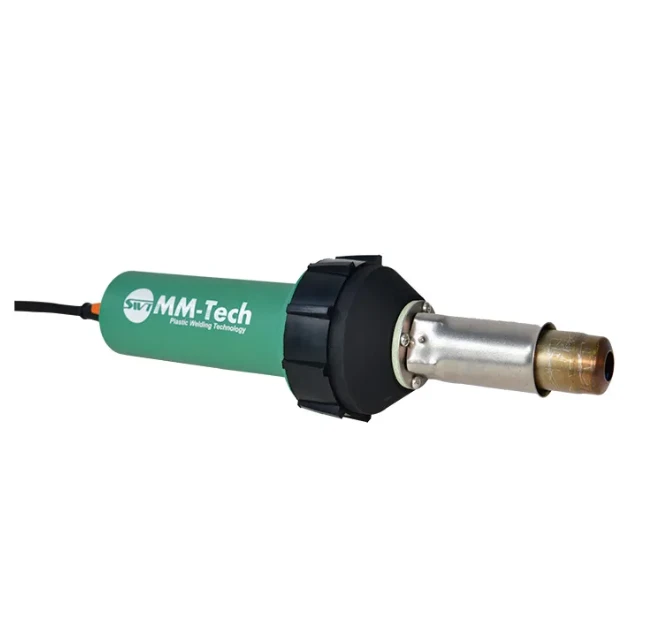
Simply put, a shrink tube heat gun is a specialized handheld tool that emits hot air to shrink plastic tubing tightly around cables or components. The tubing, made from materials like polyolefin, adjusts its diameter under heat to provide mechanical support and insulation.
Modern industry relies heavily on these guns because they provide a consistent, adjustable heat source that's safer and more precise than open flames or makeshift solutions. In humanitarian efforts, such as temporary power setups in disaster zones, these guns help maintain safe, reliable electrical connections under challenging conditions.
Core Components and Key Features of Shrink Tube Heat Guns
1. Adjustable Temperature Settings
Most shrink tube heat guns come with variable heat control, generally ranging from 100°C to 600°C (212°F to 1112°F). This flexibility allows operators to tailor the heat output to different tubing materials and thicknesses — crucial for preventing scorching or inefficient shrinking.
2. Airflow Control and Nozzle Design
Precise airflow uniformity combined with interchangeable nozzles means even heat distribution. Depending on the task, wide flat nozzles are great for wrapping cables, while concentrated nozzles work well for tight spots.
3. Ergonomics and Safety Features
Comfortable grips and lightweight builds reduce operator fatigue, especially during extended use. Additional safety features like automatic shutoff and cool-down modes help prevent accidental burns or overheating.
4. Durability and Portability
Industries need tools that survive rough conditions – dust, moisture, and drops. Many heat guns are sealed and ruggedized. Wireless models, powered by lithium-ion batteries, enable work in remote locations without plugging into mains.
Mini takeaway: A good shrink tube heat gun balances power, precision, and user-friendliness — the kind of tool you want on-site, not something you'll fuss over.
Typical Specifications for Shrink Tube Heat Guns
| Feature | Typical Range / Value |
|---|---|
| Temperature Range | 100°C – 600°C (212°F – 1112°F) |
| Power Supply | 120V/230V AC or 18V-36V DC (cordless) |
| Airflow Rate | 120 – 500 L/min |
| Weight | 0.8 – 1.5 kg (1.75 – 3.3 lbs) |
| Nozzle Types | Flat, Round, Reflector |
How Shrink Tube Heat Guns are Changing Industry and Aid
Their use ranges from heavy industry and automotive manufacturing to field repair and even humanitarian aid. For instance:
- Automotive Manufacturing: Protecting wiring harnesses in electric vehicles where compact, moisture-resistant sealing is critical.
- Telecommunications: Weatherproofing fiber optic connections in outdoor installations.
- Disaster Relief: Quickly securing temporary power connections in areas hit by natural disasters, ensuring safety under tough conditions.
- Solar Energy Installations: Shielding solar panel wiring from UV and rain exposure in remote sites.
Regions with expanding infrastructure, such as Southeast Asia and Sub-Saharan Africa, benefit tremendously from these tools, enabling safer and more robust electrical networks.
Mini takeaway: Shrink tube heat guns bridge gaps between high-tech manufacturing floors and rugged, unpredictable environments like disaster zones.
The Advantages of Using Shrink Tube Heat Guns for Cable Protection
It’s not just about shrinking plastic. It’s about peace of mind:
- Cost-Efficiency: Saving on rework, cable replacements, and downtime. It’s a lot cheaper than fixing electrical faults caused by damaged insulation.
- Safety & Reliability: Proper insulation prevents short circuits, fires, and shocks — literally protecting lives.
- Sustainability: Durable seals reduce waste by extending the lifespan of cables and equipment.
- Ease of Use: Lightweight, ergonomic design means better job quality in less time.
And personally, I’ve noticed that operators appreciate how smoothly a professional heat gun handles — no guesswork, just reliable results.
Looking Ahead: Innovations in Shrink Tube Heat Gun Technology
The future looks pretty interesting. Manufacturers are integrating:
- Smart Controls: Digital displays and preset modes for different tubing types, reducing operator error.
- Eco-friendly Materials: Development of biodegradable shrink tubing paired with heat guns operating at lower temperatures.
- Battery Improvements: Longer-lasting, quick-charge lithium-ion batteries enabling cordless freedom in the field.
- Automation: Industrial-scale heat gun arrays working in sync for mass production lines.
Oddly enough, the simplest designs sometimes hold up longest in the field, but these advancements create room for efficiency and sustainability — something customers keep pushing for.
Overcoming Common Challenges with Shrink Tube Heat Guns
Some issues persist — unsteady heat that damages tubing, guns that get heavy after hours, or incompatible nozzles for complex shapes.
Experts recommend:
- Regular calibration to ensure accurate temperature.
- Modular design guns that allow quick switching of nozzles.
- Choosing models with balanced weight and ergonomic grips.
- Training operators to apply heat evenly and avoid lingering in one spot.
Frankly, a trusty shrink tube heat gun combined with skilled hands can fix much of what goes wrong.
Vendor Comparison: What Does the Market Offer?
| Feature | Brand A | Brand B | Brand C |
|---|---|---|---|
| Temperature Range | 120°C – 600°C | 100°C – 550°C | 150°C – 650°C |
| Cordless Option | Yes | No | Yes |
| Weight | 1.1 kg | 1.3 kg | 0.95 kg |
| Digital Display | Yes | No | Yes |
| Price Range | $$$ | $$ | $$$ |
Frequently Asked Questions About Shrink Tube Heat Guns
Q1: How do I choose the right temperature setting for my shrink tubing?
A: Always check your shrink tubing’s specifications first. Most polyolefin tubes shrink between 120°C to 150°C, but thicker or specialized materials might require higher heat. Start lower, apply heat evenly, and adjust gradually to avoid burning or incomplete shrinking.
Q2: Are cordless heat guns as powerful as corded ones?
A: Modern cordless heat guns with lithium-ion batteries have improved significantly. They generally offer enough heat and airflow for most shrinking tasks, especially in fieldwork. However, for prolonged heavy-duty industrial use, corded models still have an edge in consistent power.
Q3: Can I use a regular heat gun for shrink tubing?
A: While possible, regular heat guns often lack precise temperature control and appropriate nozzle options. Shrink tube heat guns are designed to optimize airflow and heat for tubing tasks, reducing material damage and ensuring a tight seal.
Q4: What safety precautions should I follow?
A: Always wear heat-resistant gloves and protective eyewear. Avoid pointing the heat gun at yourself or others. Use in ventilated areas to prevent inhalation of any fumes released from the tubing during heating.
Q5: How often should I calibrate or maintain a shrink tube heat gun?
A: For frequent professional use, calibrate temperature settings every 6–12 months. Regularly clean nozzles and inspect power cords or batteries to keep the tool operating safely and efficiently.
Wrapping Up: Why Investing in Quality Shrink Tube Heat Guns Makes Sense
In the end, a shrink tube heat gun is more than just a hotspot for plastic tubing– it’s a tool of precision, reliability, and safety. From the production line to disaster zones, these heat guns ensure electrical connections last longer and perform better, ultimately supporting technological progress and safety worldwide.
Curious to see which model fits your needs? Visit our website to explore options, get expert advice, and invest in a shrink tube heat gun designed to make your work easier and safer.
References

Related Products
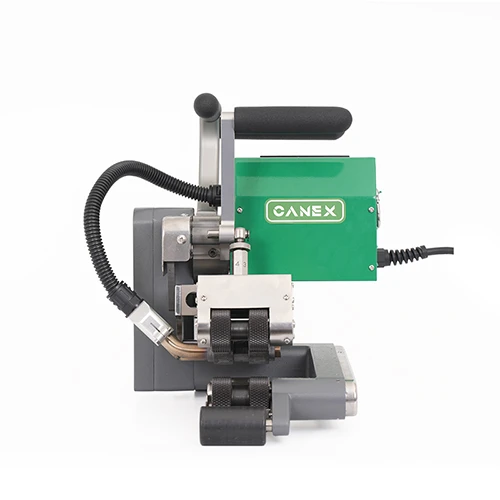
Related Video

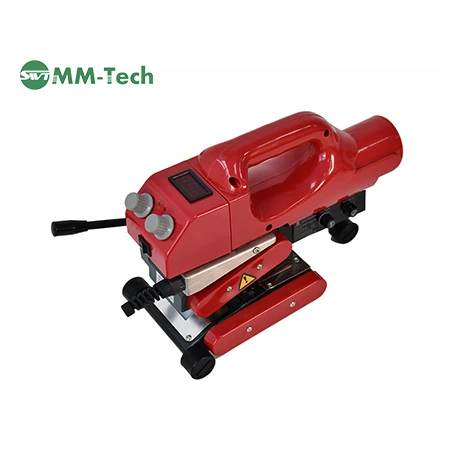

Geo Hot Wedge Welder With Digital Display SWT NS800D Operation Guide
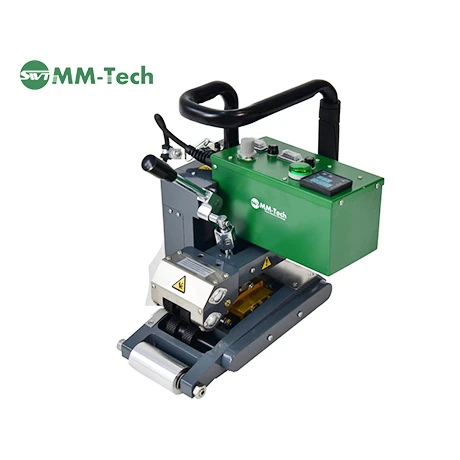
Heavy-Duty Geo Hot Wedge Welder SWT-NS900 Operation Guide
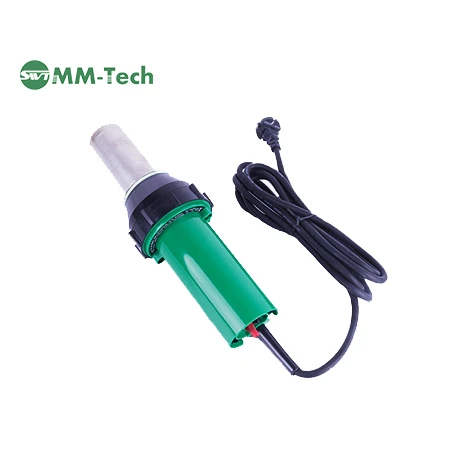
Powerful Professional Hot Air Tool SWT-NS3400A Operation Guide
Geo Hot Wedge Welder SWT NS800 Operation Guide
Compact HDPE Hot Wedge Welding Machine SWT-NSGM1 Operation Guide
Related News
2026-04-30 17:37:47
Split-Type Hot Air Gun: The Next-Generation Welding Solution for Southeast Asia Industrial Fabrication
In the demanding industrial landscapes of Indonesia, Malaysia, and Thailand, efficiency, durability, and adaptability are the keys to staying competitive.
2026-04-24 16:42:25
How to Choose the Best HDPE Liner Welder for Water Conservancy in Africa: A 2026 Guide
In the arid regions of Egypt and the developing agricultural landscapes of Tanzania and Kenya, water is more than a resource—it is life. Whether you are building a massive reservoir, an irrigation canal, or a high-yield fish farm, the integrity of your HDPE liner is only as good as its seams.
2026-04-20 09:54:35
Efficient PVC/TPO Welding (0.8–1.2mm) for Advertising & Truck Curtains on a Budget
Three Functions in One Machine: Breaking Through Process Limitations. Traditional fabrication workshops often require purchasing multiple pieces of equipment to meet diverse processing needs.
2026-04-20 09:53:16
Headline: Maximizing Aquaculture Profits in Peru & Chile: The Ultimate Geomembrane Welding Solution
In the thriving aquaculture industries of Peru and Chile, the integrity of your pond liner is non-negotiable. Whether you are constructing vast square breeding reservoirs or intensive circular tanks, the quality of your seams determines your ROI.
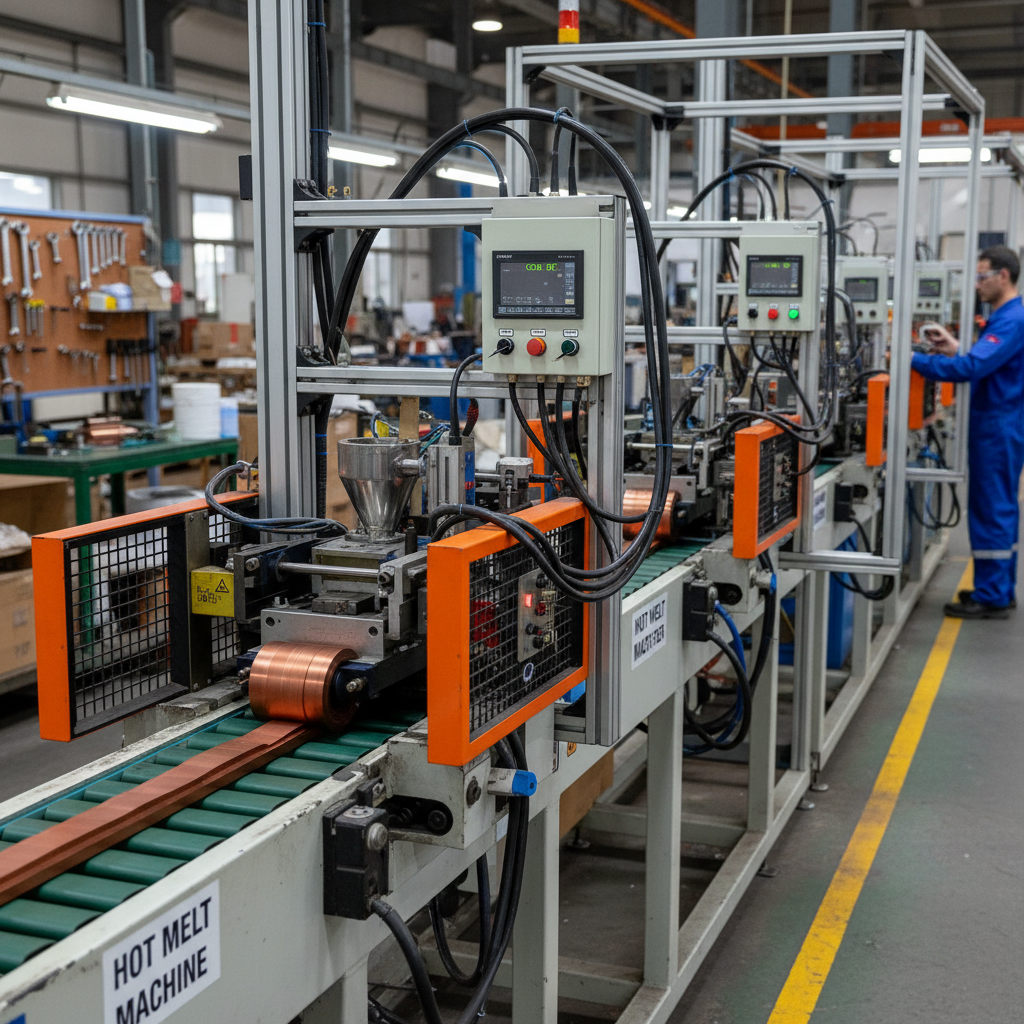
2026-04-16 03:09:36
Improve Production Quality Using an Inline Coil Tester System
In the high-precision world of electrical component manufacturing, ensuring the integrity of every single wind is critical. An inline coil tester serves as the ultimate guardian of quality, integrating seamless testing directly into the production line. By detecting defects in real-time, manufacturers can eliminate the risk of faulty coils reaching the assembly stage, thereby reducing waste and protecting brand reputation. Whether you are producing inductors, transformers, or specialized electromagnets, implementing a robust testing strategy is no longer optional—it is a competitive necessity. This guide explores how inline testing transforms efficiency and precision in modern workshops.
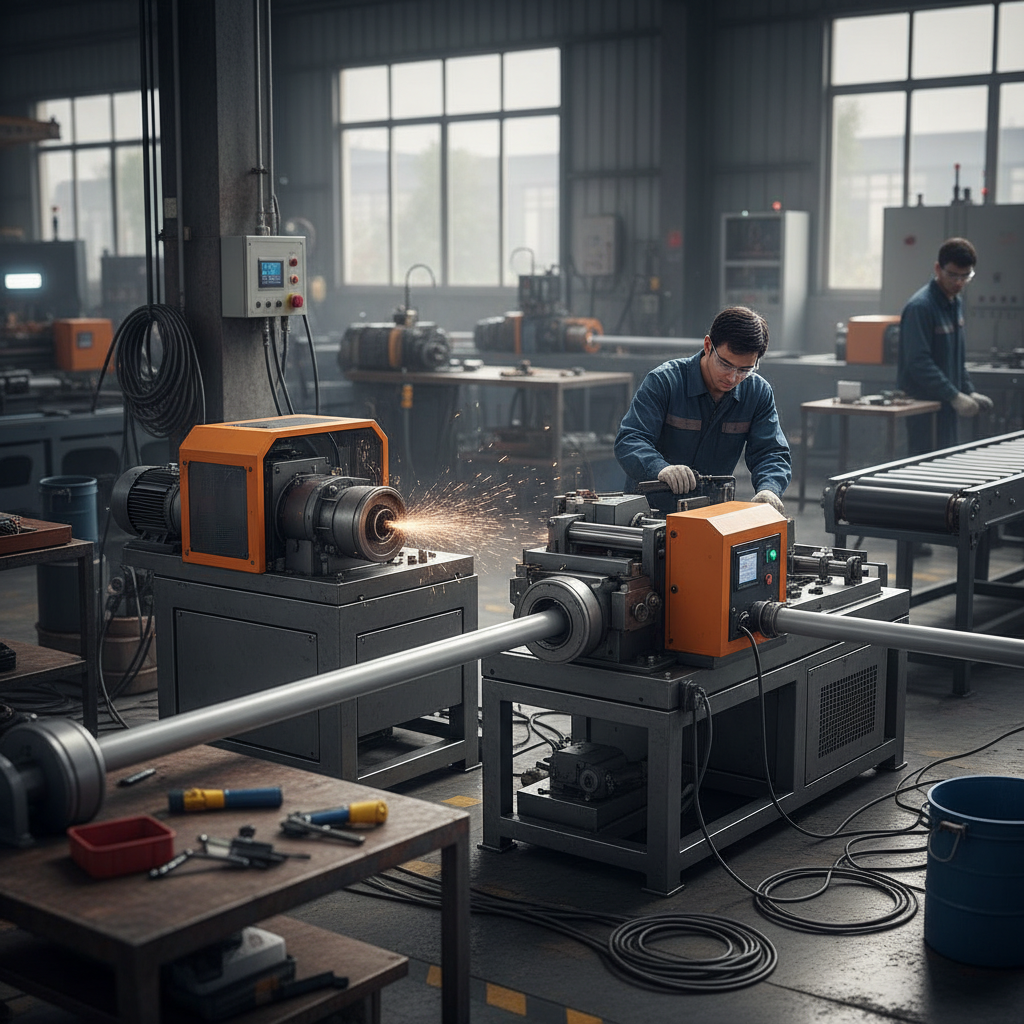
2026-04-09 03:15:45
Industrial Leak Detection Using Electronic Spark Tester Guide
In the world of industrial maintenance and pipeline integrity, identifying microscopic leaks can be a daunting challenge. An electronic spark tester serves as a critical diagnostic tool, allowing technicians to pinpoint holidays—tiny pinholes or discontinuities in protective coatings—that are invisible to the naked eye. By applying a high-voltage current to the coating, these devices create a visible spark where the coating is compromised, ensuring that assets are fully protected against corrosion. In this guide, we will explore how this technology works and why it is indispensable for maintaining long-term structural safety.
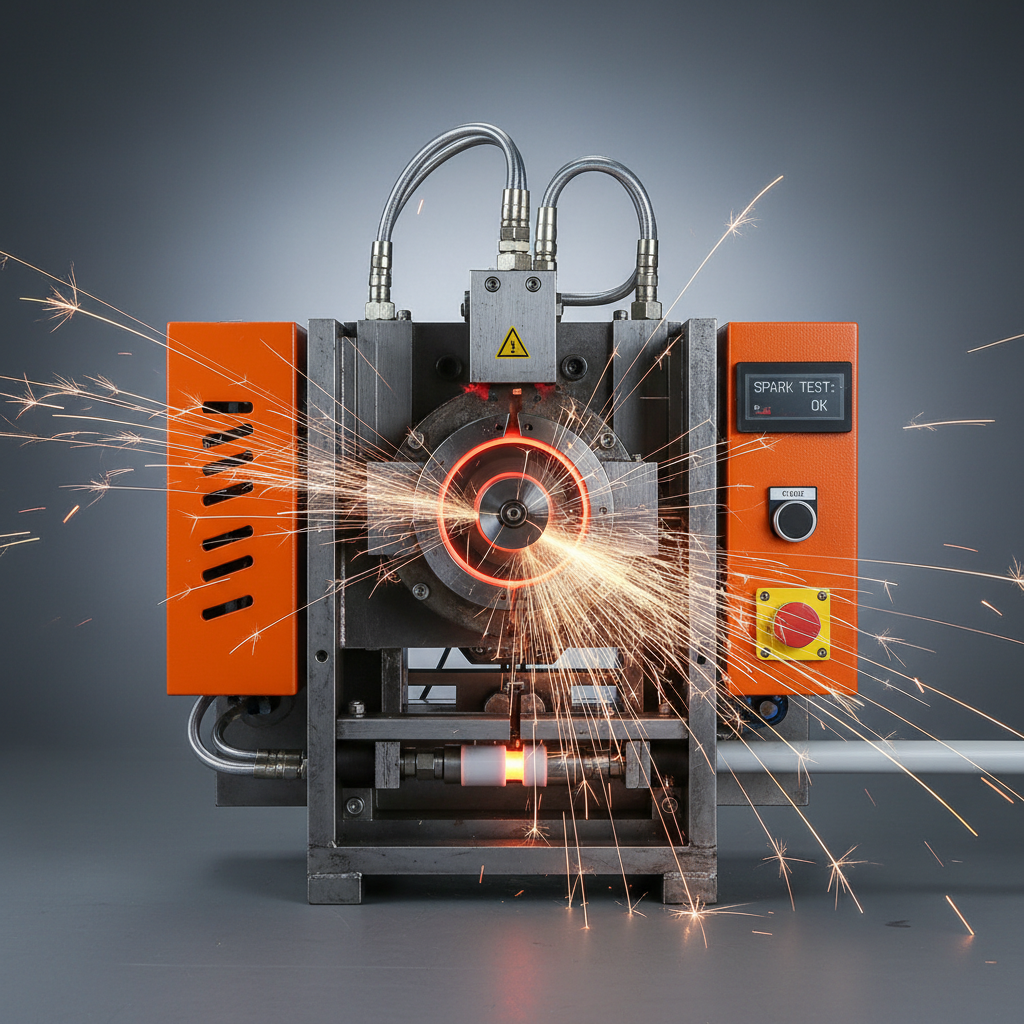
2026-04-07 03:06:14
Enhancing Weld Quality with a Versatile Dynamic Spark Tester
In the realm of welding and fabrication, ensuring the quality and integrity of welds is paramount. A dynamic spark tester is an indispensable tool for quickly and reliably assessing weld quality. This article will delve into the functionality, benefits, applications, and considerations when selecting a dynamic spark tester, particularly focusing on how Aqua Fusion Welder's offerings meet industry demands. We’ll explore how this crucial piece of equipment can enhance your quality control processes and reduce costly rework.
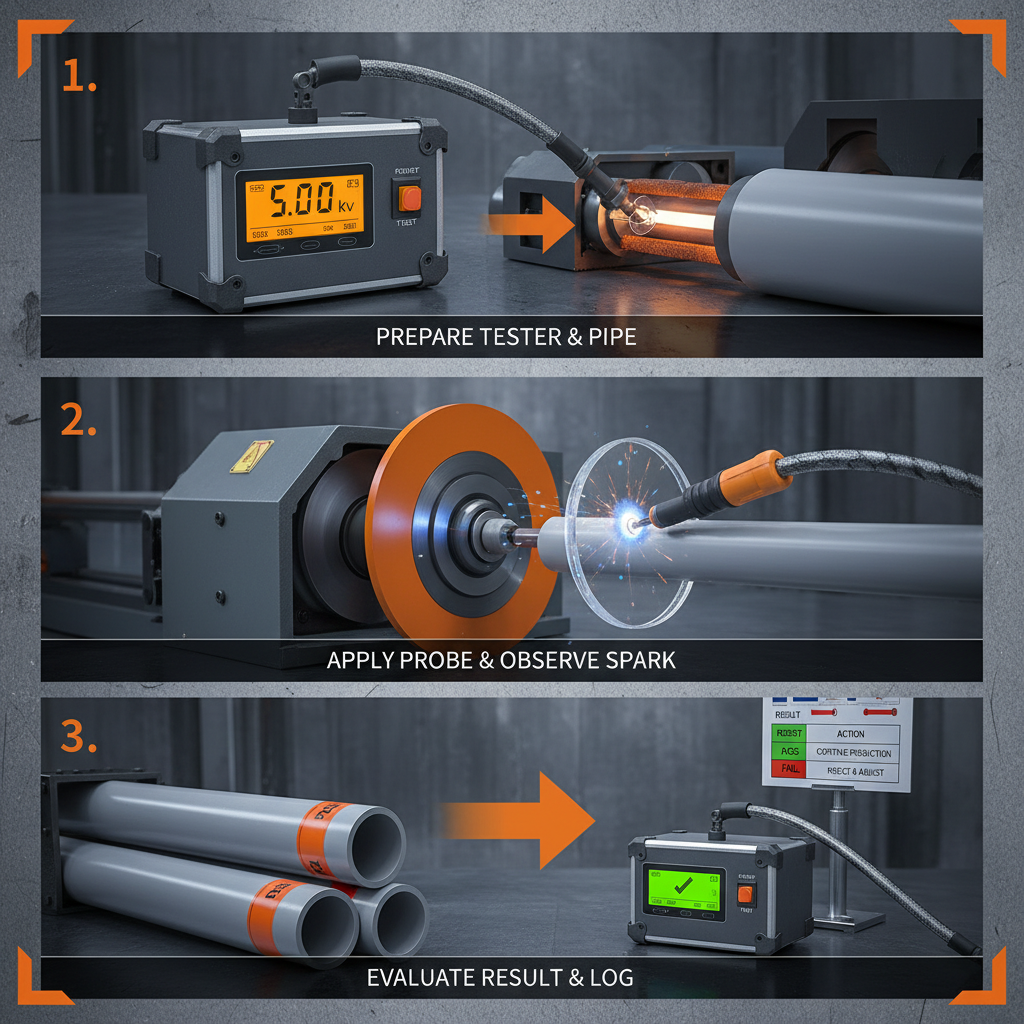
2026-04-04 03:16:07
Understanding the Power of a Digital Spark Tester for Weld Quality Assurance
In the realm of welding, particularly fusion welding, ensuring the integrity of the weld is paramount. A reliable method for quickly verifying weld quality is crucial for efficiency, safety, and cost-effectiveness. A digital spark tester offers a non-destructive testing solution, providing immediate feedback on weld penetration. This article will explore the benefits, applications, and key considerations when selecting a digital spark tester, especially concerning Aqua Fusion Welder's offerings. Effective weld quality control is not merely a best practice; it's a necessity for ensuring long-lasting, dependable results.
SUBSCRIBE NEWSLETTER
Dear customer, thank you for your attention! We provide high-quality machinery and equipment and look forward to your orders. Please inform us of your needs and we will respond quickly!






 English