
-
 Email:news@peweldingmachine.com
-
 +86-137 3974 5191
-
 Add:
Add:NO.355,Youyi Street,Qiaoxi District,Shijiazhuang,Hebei,China.



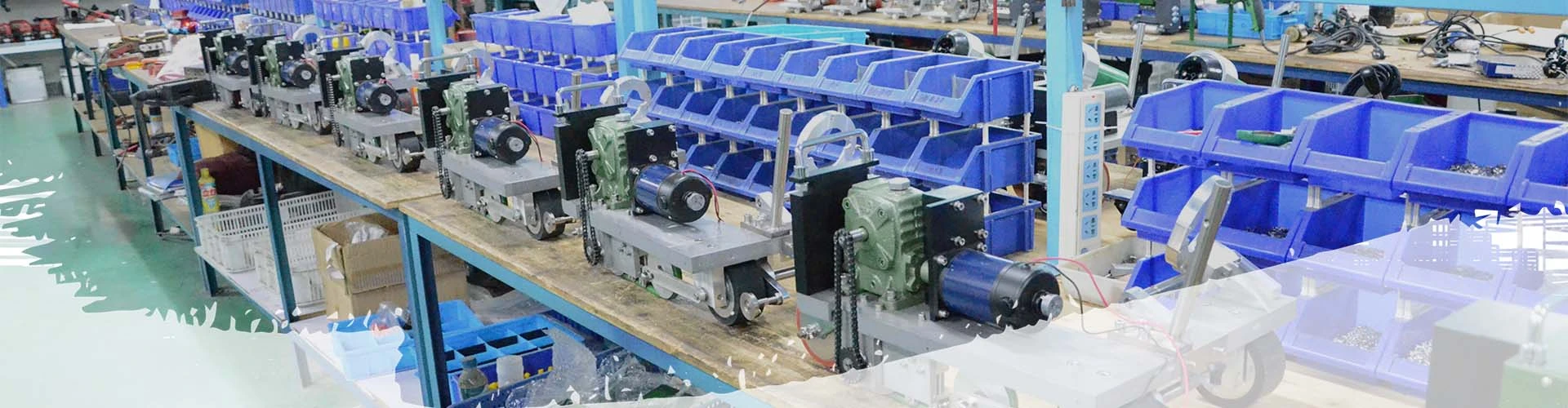
SWT-PAU Banner Welder: Precision, Power & Efficiency for Professional PVC TPO Welding

SWT-PAU Banner Welder: Precision, Power & Efficiency for Professional PVC TPO Welding
Jul . 07, 2025 17:46
Unlock seamless, durable, and professional-grade fabric joins with the SWT-PAU Industrial Banner Welder. Engineered for demanding environments, the SWT-PAU sets the standard for reliability and performance in advertising banner, tarpaulin, and awning production. Whether you're crafting billboards, event tents, or custom covers, this machine delivers consistent, high-strength welds that withstand the elements.
Product Advantage :
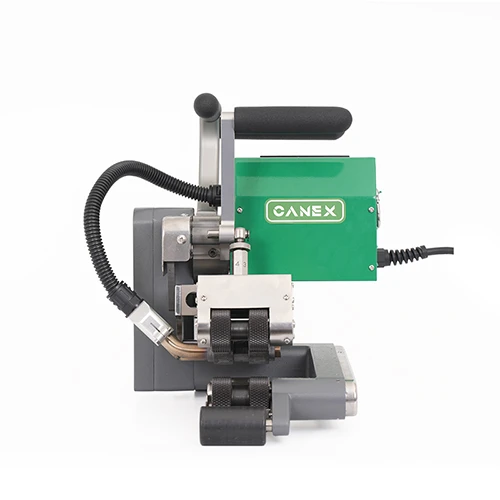
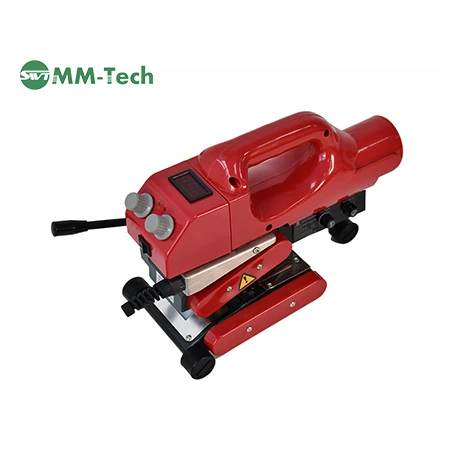
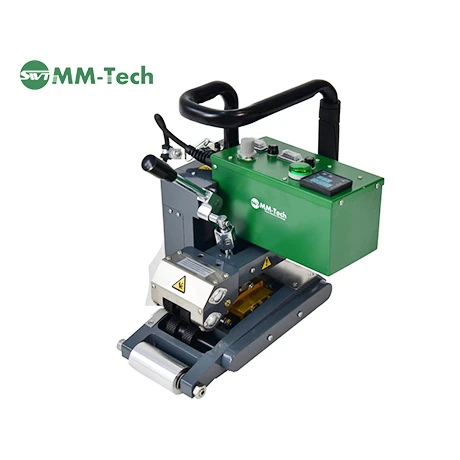
1.It support table welding:hem/ pole pocket welding with rope
2.With temperature and speed LCD screens and air volume adjust nut. It is easy to be operated.
3.The built-in weight of the press wheel can adjust the welding pressure infinitely. Various sizes of nozzle and press wheels are available to customizes and press wheels are available to customize to suit the user’s different applications.
4.One hem guide-three applications:closed hem welding (default 30mm seam,20mm or 40mm can be customized), hem welding with rope ,and pole pockets welding up to 180mm.
5.The machine can be mounted both onto sitting or standing table by the quick-clamp lock.
6.Thanks to the foot pedal, your hand are free to guide the material.
Use SWT-PAU (or similar brands such as LEISTER) hot air plastic welder to weld the door curtain of PVC fast rolling door:
一、Prepare the work area:
(1)Make sure the work area is clean, flat and windless (wind will affect the hot air temperature and welding effect).
Prepare all tools and materials and keep them at hand.
(2)Material preparation and cutting:
Accurately cut the PVC door curtain cloth according to the door frame size. The key to butt welding is that the edges of the two pieces of cloth must be cut very straight, vertically and without gaps or burrs. Use a sharp blade and ruler for cutting.
If you need to splice multiple pieces of cloth, calculate the size and splicing position.
(3)Clean the welding area:
Use a non-woven cloth with a cleaning agent (isopropyl alcohol) to thoroughly wipe the front and back of the edges of the two pieces of cloth to be welded (an area about 2-3cm wide). Remove all dust, grease, fingerprints, mold release agents and other contaminants. This step is crucial, stains will cause a weak weld!
Wait for the cleaning agent to evaporate and dry completely.
(4)Alignment and fixation:
Align the edges of the two curtains to be joined closely, ensuring that there is no overlap or gap. Ideally, they should just touch.
Use a clamp (heavy clamp, special welding clamp) or high-temperature tape (such as Kapton tape) to firmly fix the two pieces of cloth on a flat workbench, ensuring that the welding area is flat, wrinkle-free and non-shifted. The fixing point is about 5-10cm away from the weld. Alignment and fixation are the basis for successful welding.
(5)Welding machine settings and preheating:
(6)Install a suitable butt welding nozzle for SWT-PAU.
Temperature setting: This is the most critical parameter! The thickness of PVC fast-moving curtains is usually around 0.8mm-1.5mm. Starting reference temperature:
Hot air temperature: about 350°C - 450°C (adjusted according to equipment model, ambient temperature, cloth thickness and specific PVC formula). Always test on inconspicuous scrap first!
Temperature of the heating plate at the bottom of the welding nozzle (if the welding nozzle has a heating plate): usually lower than the hot air temperature, about 250°C - 350°C, mainly used for preheating materials.
Air volume setting: Medium air volume (such as 4-6 gears, depending on the equipment). Too much air volume may blow away the molten material or cool too quickly; too little air volume will result in low heating efficiency.
Turn on the welding machine and preheat the welding nozzle to the set temperature (usually takes a few minutes). Do not blow at the material during preheating.
(7)Test welding:
It is strongly recommended to use the same batch of curtain fabric scraps for test welding before formal welding! Test the same docking method, temperature, speed and pressure. After cooling, tear the test weld hard:
If the fabric itself is torn and the weld is intact: it means the welding is successful.
If the weld is easily torn: it means the temperature is too low, the speed is too fast or the pressure is insufficient.
If the fabric is charred, yellowed, severely thinned or perforated: it means the temperature is too high or the speed is too slow.
(8)Formal welding:
Wear heat-resistant gloves.
Gently place the front end of the preheated welding nozzle (guide block) into the starting end of the joint between the two pieces of cloth.
Start the welder: The hot air begins to heat the edges of the two pieces of cloth below.
Advance at a constant speed: Move the welder forward along the joint at a steady and constant speed (usually slow, such as 1-3 cm per second, the specific speed is determined by testing). Uniform speed is the key to ensuring consistent weld width and strength.
Observe the melting state: Observe the melting of the cloth through the observation window or the back of the welding nozzle. The ideal melting state is that the surface of the material becomes bright and slightly "flowing" but not carbonized. The silicone pressure wheel at the back of the welding nozzle will follow and roll the molten area.
Apply appropriate downward pressure: Keep the welder stable and apply slight and uniform downward pressure to the welding nozzle to ensure that the pressure wheel can effectively compact the molten PVC. Excessive pressure will thin the material; insufficient pressure will not fully fuse.
Continuous welding: Try to complete the entire weld in one go. If you have to interrupt, when you restart, the welding nozzle should slightly cover the welded part (about 1-2cm) before moving forward.
(9)Cooling:
After welding, let the weld cool naturally without stress. Do not pull, bend or use water to cool the newly welded area, otherwise it will weaken the weld or cause deformation.
Inspection and trimming:
After cooling, carefully inspect the weld:
Appearance: Is it continuous, uniform, and of uniform width? Are there any burns, perforations, unfused, or bubbles?
Strength: Try to tear the sides of the weld by hand (simulating the force of the door curtain) to feel the firmness. The strength of a reliable weld should be close to the fabric itself.
If there are small defects (such as small bubbles or slight unfused), you can use a spot welding nozzle or a hot air gun with a small pressure wheel to make local repairs.
If there are burns or serious defects, you need to cut off the section of the weld, cut and weld again (very troublesome, so testing and careful operation are important).
Trim off excess burrs (if any).
CONTACT OUR EXPERTS TODAY FOR MORE INFORMATION

Related Products
Related Video

Geo Hot Wedge Welder With Digital Display SWT NS800D Operation Guide
Heavy-Duty Geo Hot Wedge Welder SWT-NS900 Operation Guide
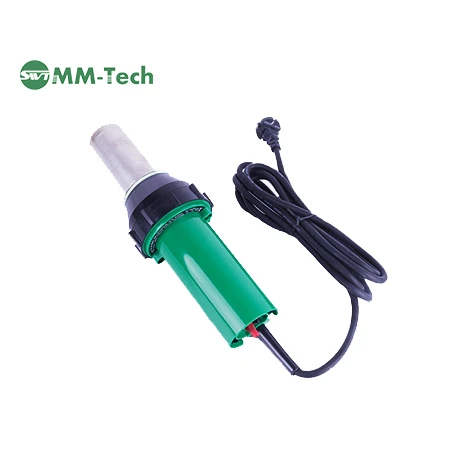
Powerful Professional Hot Air Tool SWT-NS3400A Operation Guide
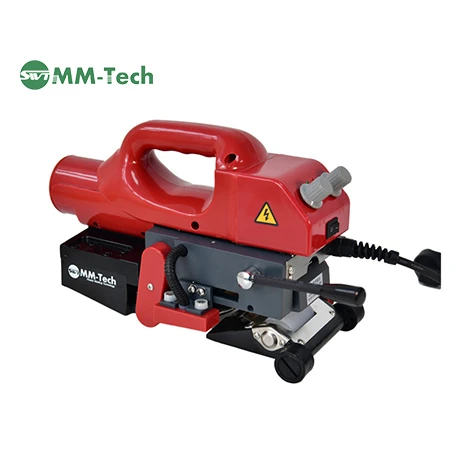
Geo Hot Wedge Welder SWT NS800 Operation Guide
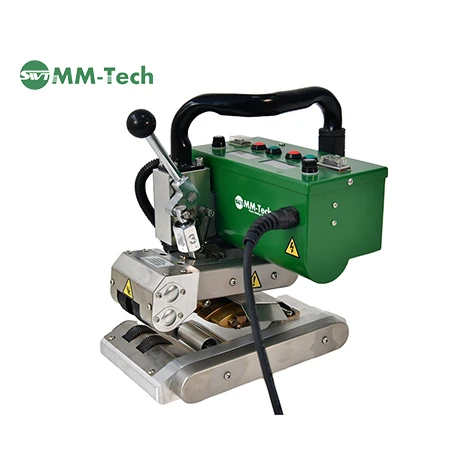
Compact HDPE Hot Wedge Welding Machine SWT-NSGM1 Operation Guide
Related News
2026-04-16 03:09:36
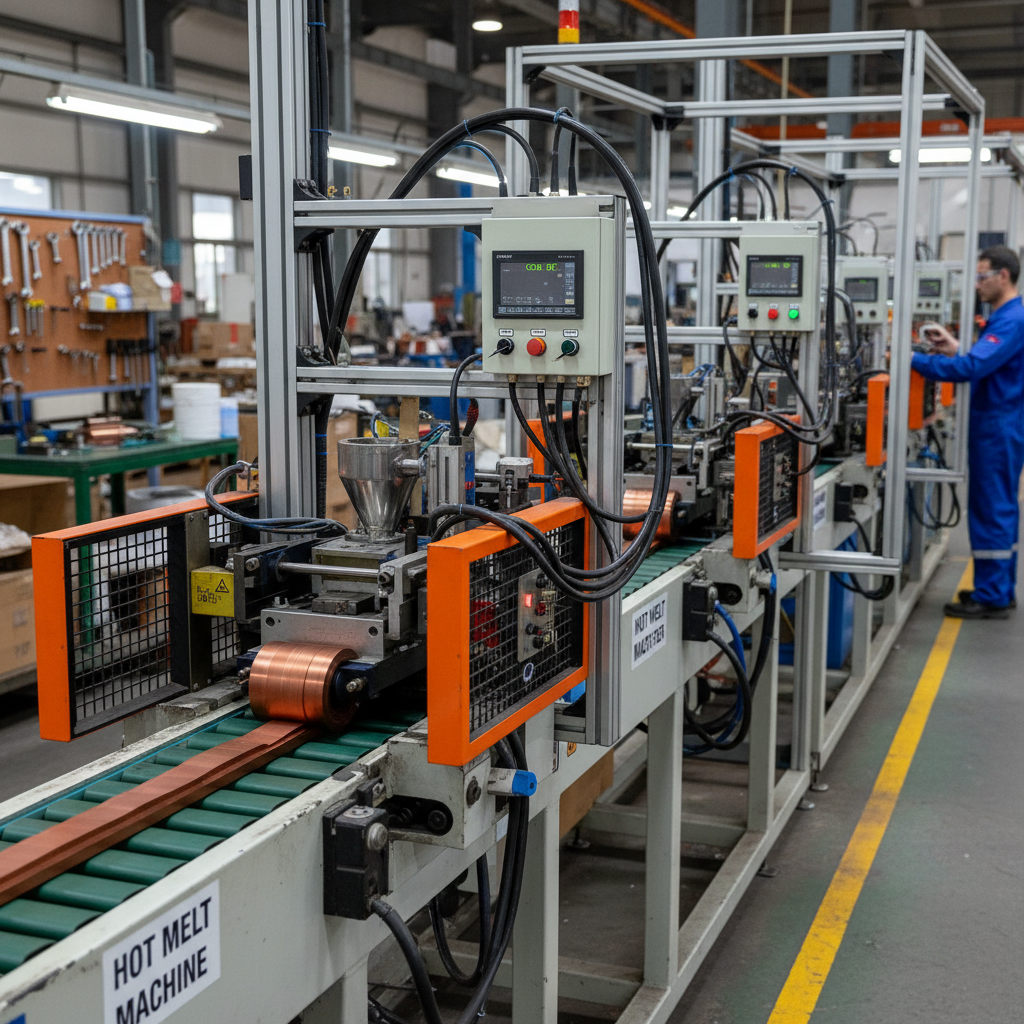
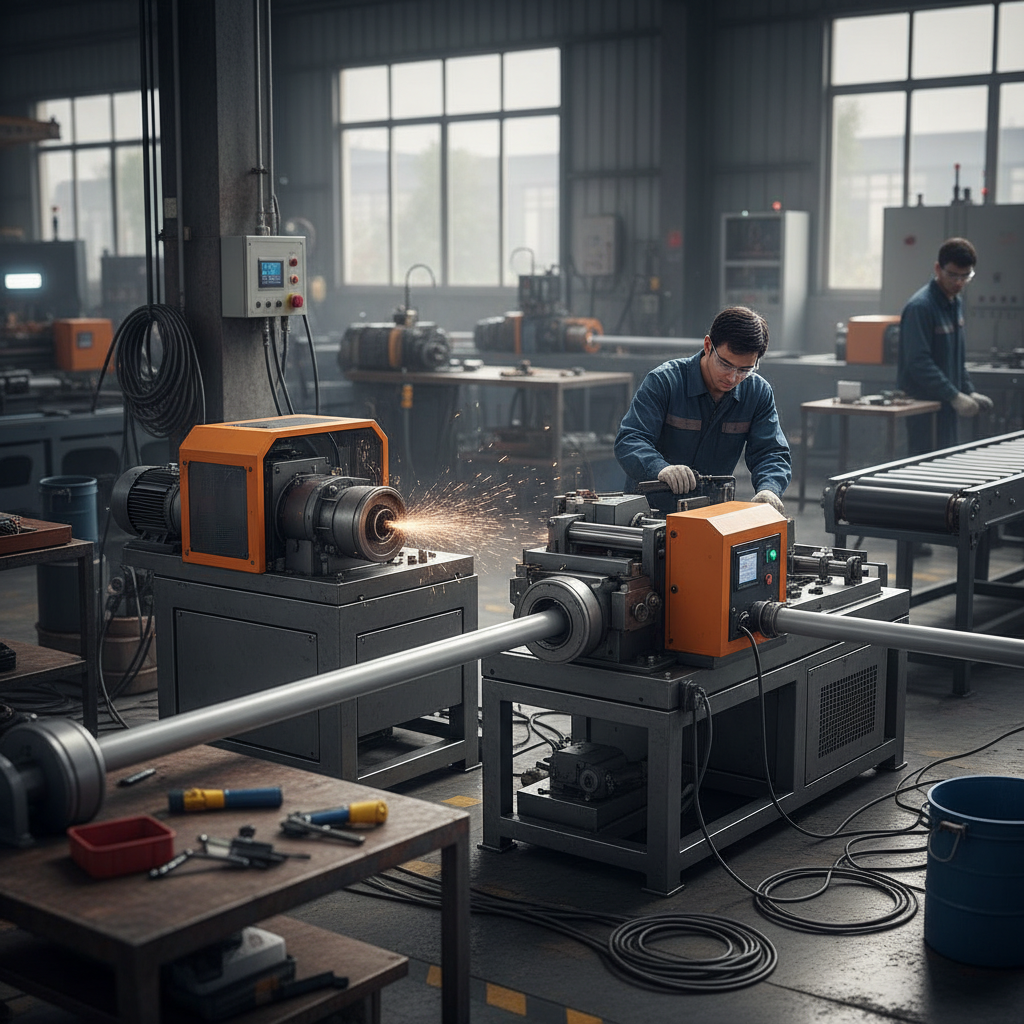
Improve Production Quality Using an Inline Coil Tester System
In the high-precision world of electrical component manufacturing, ensuring the integrity of every single wind is critical. An inline coil tester serves as the ultimate guardian of quality, integrating seamless testing directly into the production line. By detecting defects in real-time, manufacturers can eliminate the risk of faulty coils reaching the assembly stage, thereby reducing waste and protecting brand reputation. Whether you are producing inductors, transformers, or specialized electromagnets, implementing a robust testing strategy is no longer optional—it is a competitive necessity. This guide explores how inline testing transforms efficiency and precision in modern workshops.
2026-04-09 03:15:45
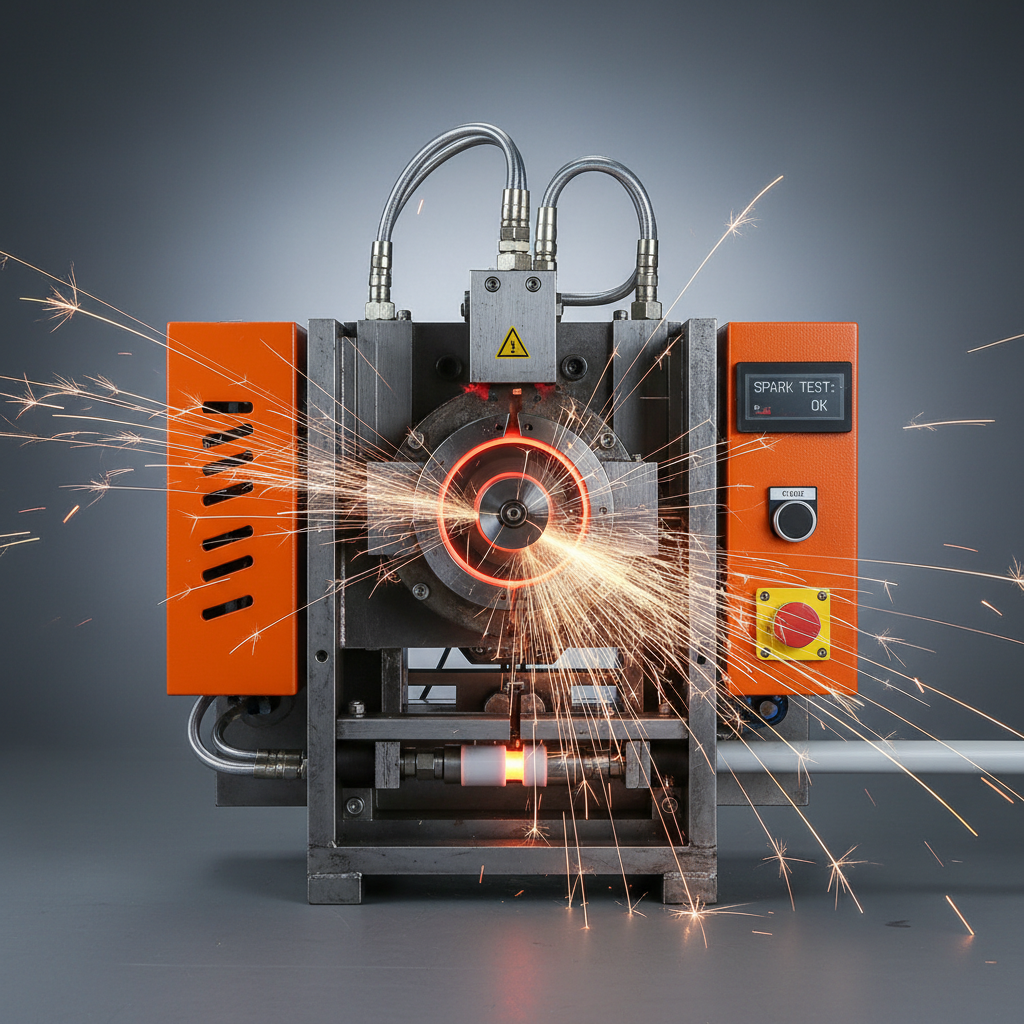
Industrial Leak Detection Using Electronic Spark Tester Guide
In the world of industrial maintenance and pipeline integrity, identifying microscopic leaks can be a daunting challenge. An electronic spark tester serves as a critical diagnostic tool, allowing technicians to pinpoint holidays—tiny pinholes or discontinuities in protective coatings—that are invisible to the naked eye. By applying a high-voltage current to the coating, these devices create a visible spark where the coating is compromised, ensuring that assets are fully protected against corrosion. In this guide, we will explore how this technology works and why it is indispensable for maintaining long-term structural safety.
2026-04-07 03:06:14
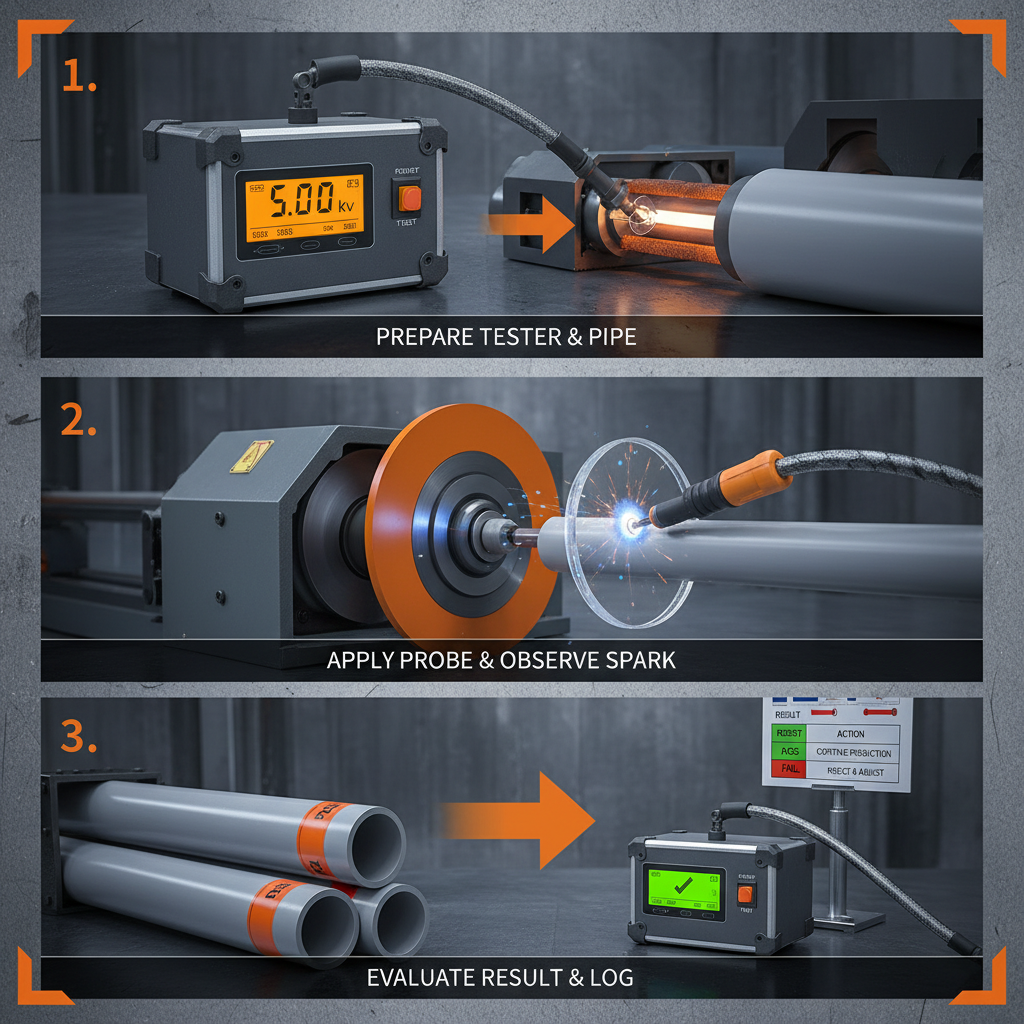
Enhancing Weld Quality with a Versatile Dynamic Spark Tester
In the realm of welding and fabrication, ensuring the quality and integrity of welds is paramount. A dynamic spark tester is an indispensable tool for quickly and reliably assessing weld quality. This article will delve into the functionality, benefits, applications, and considerations when selecting a dynamic spark tester, particularly focusing on how Aqua Fusion Welder's offerings meet industry demands. We’ll explore how this crucial piece of equipment can enhance your quality control processes and reduce costly rework.
2026-04-04 03:16:07
Understanding the Power of a Digital Spark Tester for Weld Quality Assurance
In the realm of welding, particularly fusion welding, ensuring the integrity of the weld is paramount. A reliable method for quickly verifying weld quality is crucial for efficiency, safety, and cost-effectiveness. A digital spark tester offers a non-destructive testing solution, providing immediate feedback on weld penetration. This article will explore the benefits, applications, and key considerations when selecting a digital spark tester, especially concerning Aqua Fusion Welder's offerings. Effective weld quality control is not merely a best practice; it's a necessity for ensuring long-lasting, dependable results.
2026-03-31 03:08:14
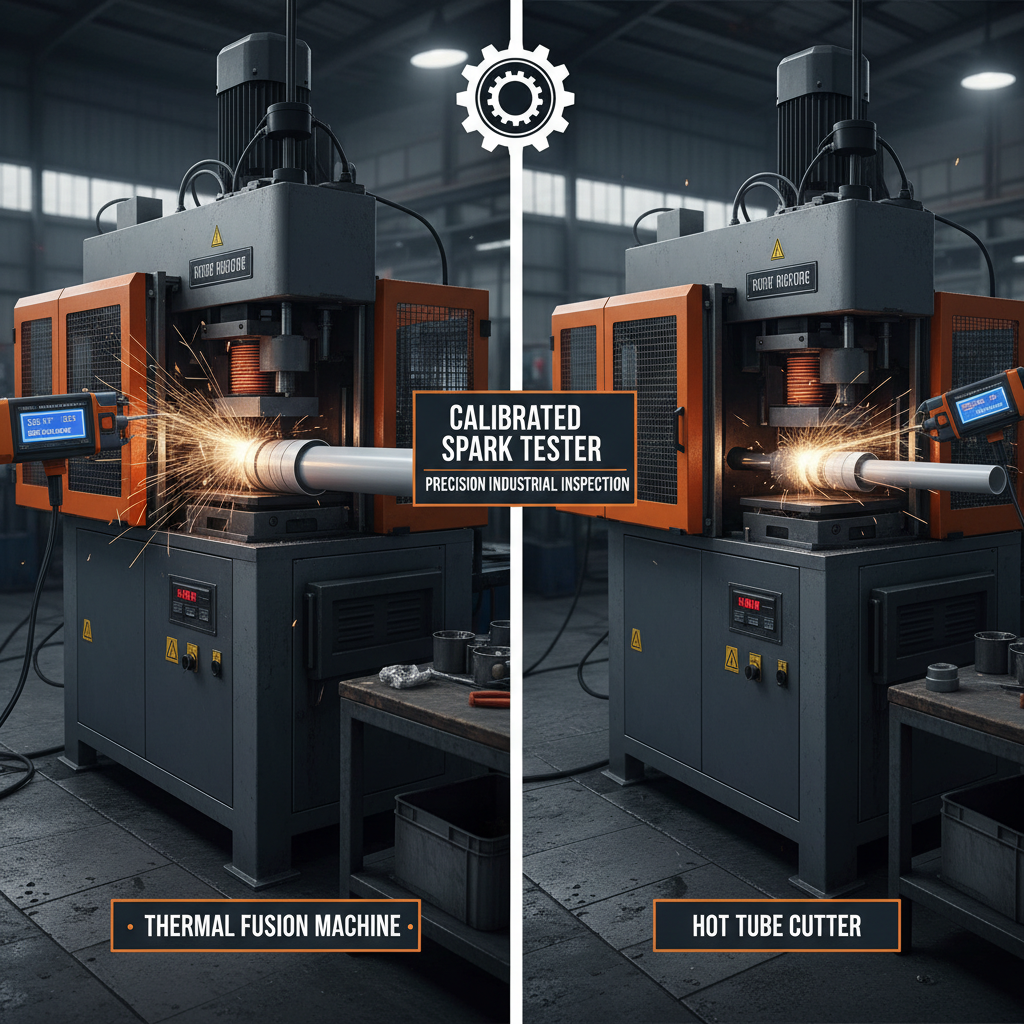
Understanding and Utilizing a Calibrated Spark Tester for Quality Welding
In the realm of welding, ensuring quality and safety is paramount. A crucial tool for achieving this is the calibrated spark tester. This device is vital for verifying the correct settings on a hot gas welding machine, ensuring consistent and reliable welds. This article delves into what a calibrated spark tester is, how it works, its importance in various applications, choosing the right tester, maintenance best practices, and safety precautions. We’ll explore its role in optimizing welding processes and upholding industry standards.
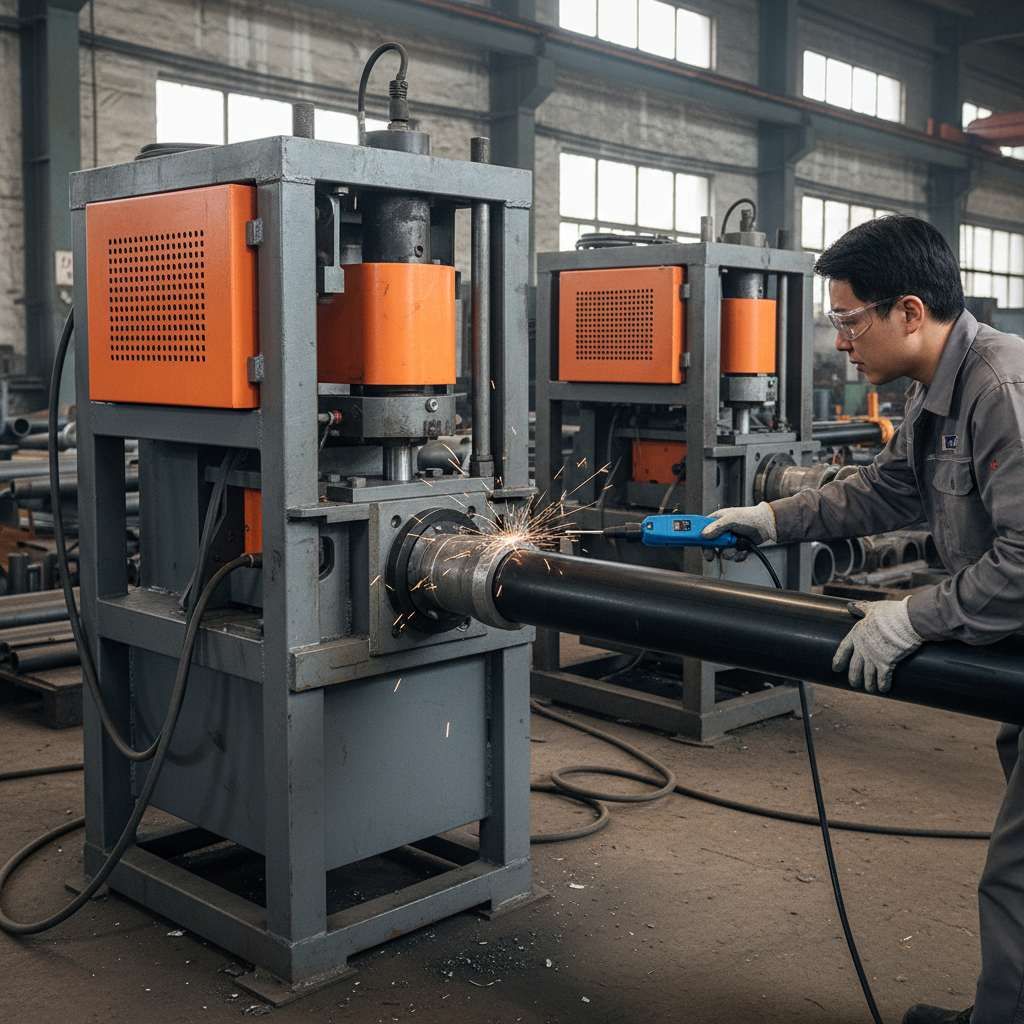
2026-03-28 03:25:06
Comprehensive Guide to the Blue Point Spark Tester for Welding Optimization
When dealing with gas metal arc welding (GMAW) and flux-cored arc welding (FCAW), ensuring a proper arc and consistent weld quality is critical. The Blue Point Spark Tester is an invaluable tool for verifying proper electrical connections and detecting potential issues before welding begins. This article provides a detailed overview of the Blue Point Spark Tester, its functionality, applications, and how it can improve your welding outcomes. Investing in a reliable spark tester like this can save time, materials, and ensure a higher quality of weld.
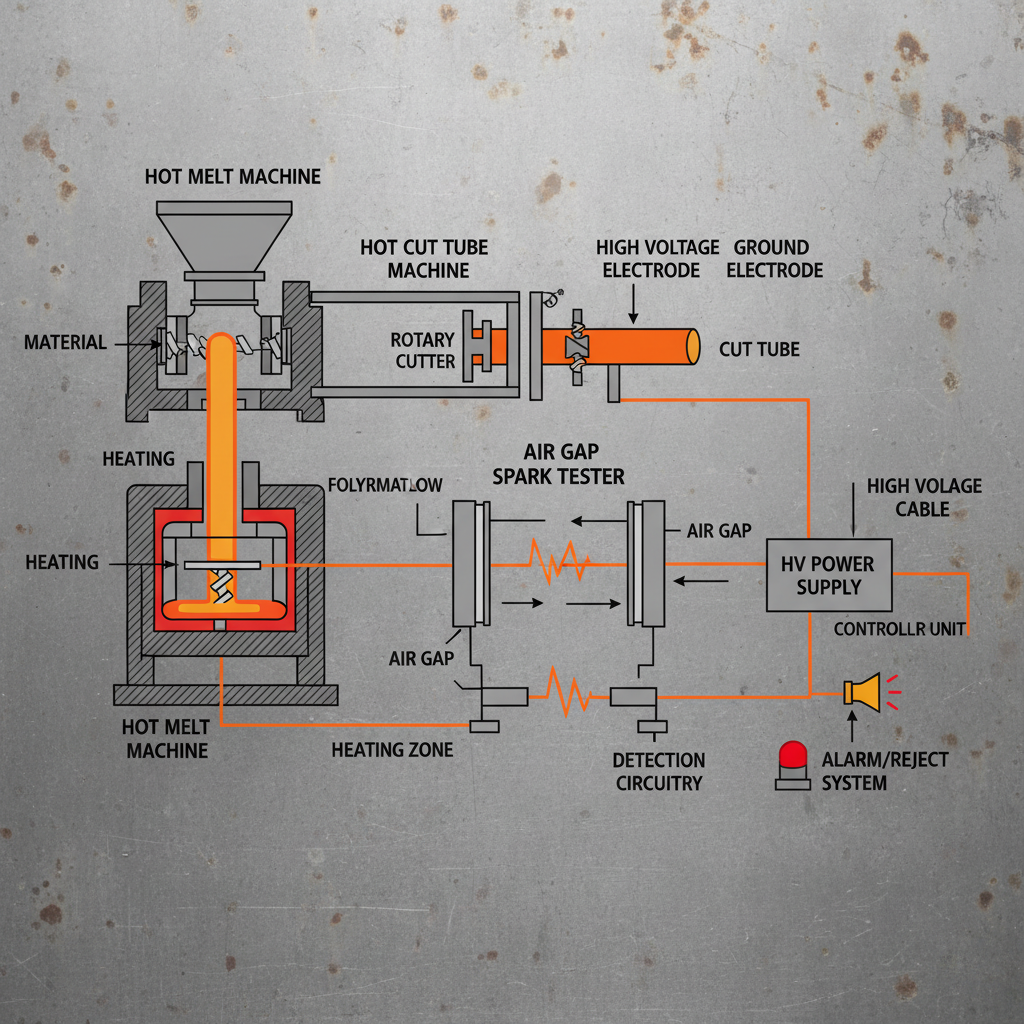
2026-03-26 03:15:05
Comprehensive Guide to Air Gap Spark Tester Applications and Selection
In the realm of welding and metal fabrication, ensuring the quality and integrity of welds is paramount. An air gap spark tester is a vital tool for non-destructive testing, allowing professionals to quickly and accurately identify potential issues in welds. This article provides an in-depth exploration of air gap spark testers, their applications, benefits, and considerations for choosing the right model. From quality control to safety, understanding this technology is crucial for maintaining high standards in your welding processes. Aqua Fusion Welder provides high-quality solutions for all your welding testing needs. An air gap spark tester, also known as a porosity tester, is a device used to detect the presence of air gaps, porosity, or incomplete fusion in welds. It works by applying a high-voltage electrical discharge across the weld surface. If flaws exist, the spark will travel through the air gap, producing a visible arc and indicating a defect. This provides a quick and efficient method for identifying potential weaknesses that could compromise the weld's structural integrity.
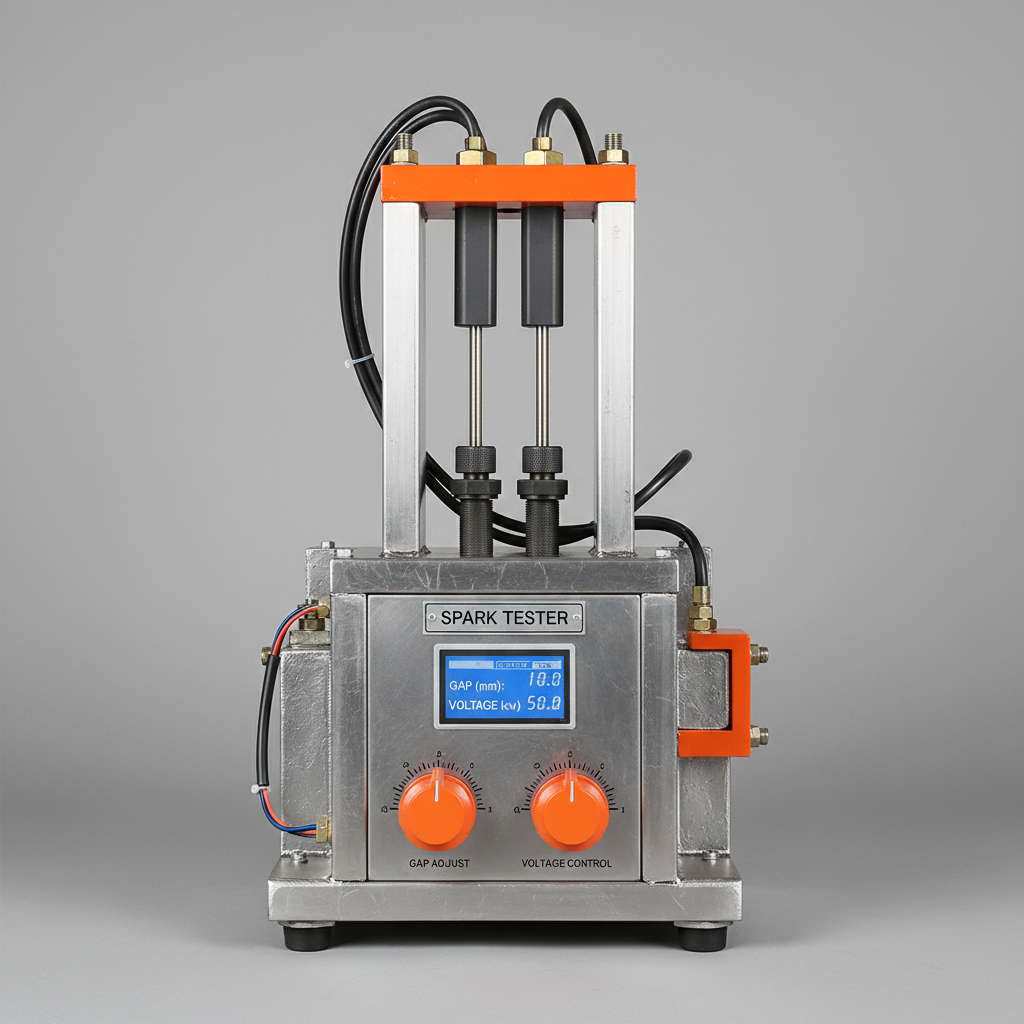
2026-03-24 03:17:19
Comprehensive Guide to the Adjustable Gap Spark Tester for Weld Quality Assurance
The adjustable gap spark tester is an essential tool for quality control in welding applications, particularly for polyethylene (PE) and polypropylene (PP) piping systems. This article dives deep into its functionality, benefits, applications, and why choosing a reliable tester like those from Aqua Fusion Welder is critical for ensuring weld integrity. Properly assessing weld quality prevents costly failures and maintains the long-term reliability of critical infrastructure. Let's explore the core principles and advantages of using an adjustable gap spark tester. An adjustable gap spark tester is a non-destructive testing (NDT) device used to identify gaps or voids within a weld. It operates on the principle of high voltage discharge. When a high voltage is applied across the weld, it arcs across any gaps or imperfections, creating a visible spark. The size of the adjustable gap determines the sensitivity of the test; a smaller gap detects smaller flaws.
SUBSCRIBE NEWSLETTER
Dear customer, thank you for your attention! We provide high-quality machinery and equipment and look forward to your orders. Please inform us of your needs and we will respond quickly!






 English