
-
 Email:news@peweldingmachine.com, sales2@peweldingmachine.com
-
 +86-137 3974 5191
-
 Add:
Add:NO.355,Youyi Street,Qiaoxi District,Shijiazhuang,Hebei,China.



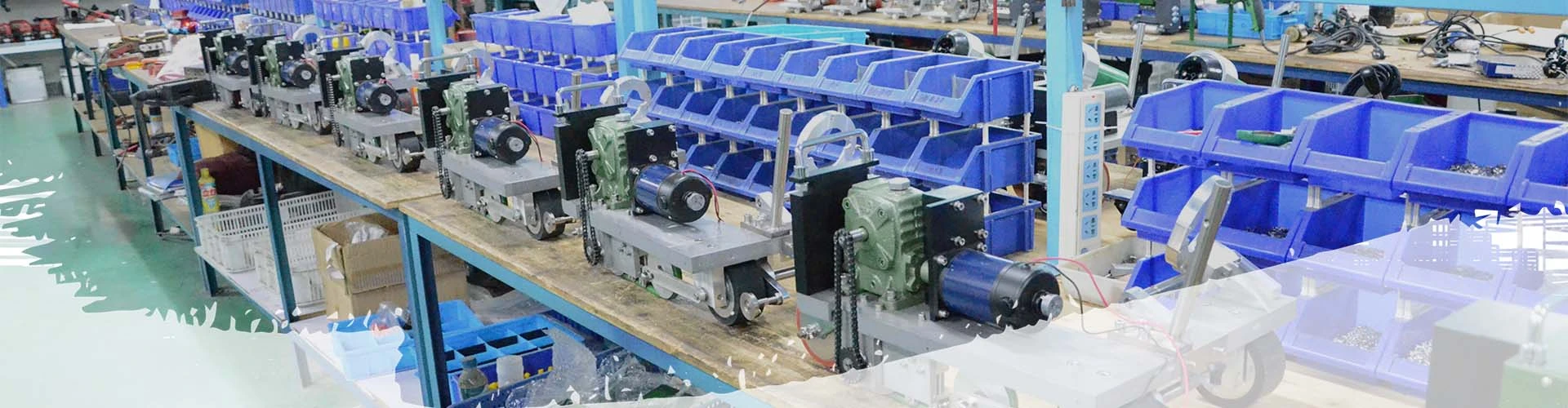
Comprehensive Guide to Welding Bend Test Machines and Their Applications

Comprehensive Guide to Welding Bend Test Machines and Their Applications
Feb . 11, 2026 03:20
Understanding the Welding Bend Test Machine
In the realm of welding quality control, the welding bend test machine stands as a critical piece of equipment. It’s essential for verifying the ductility and soundness of welded joints, ensuring structural integrity in a vast array of applications. This article delves into the functionality, applications, benefits, and considerations when selecting a welding bend test machine. Understanding these machines is paramount for engineers, quality control personnel, and anyone involved in welding processes. Aqua Fusion Welder offers comprehensive solutions for your testing needs.
What is a Welding Bend Test Machine?
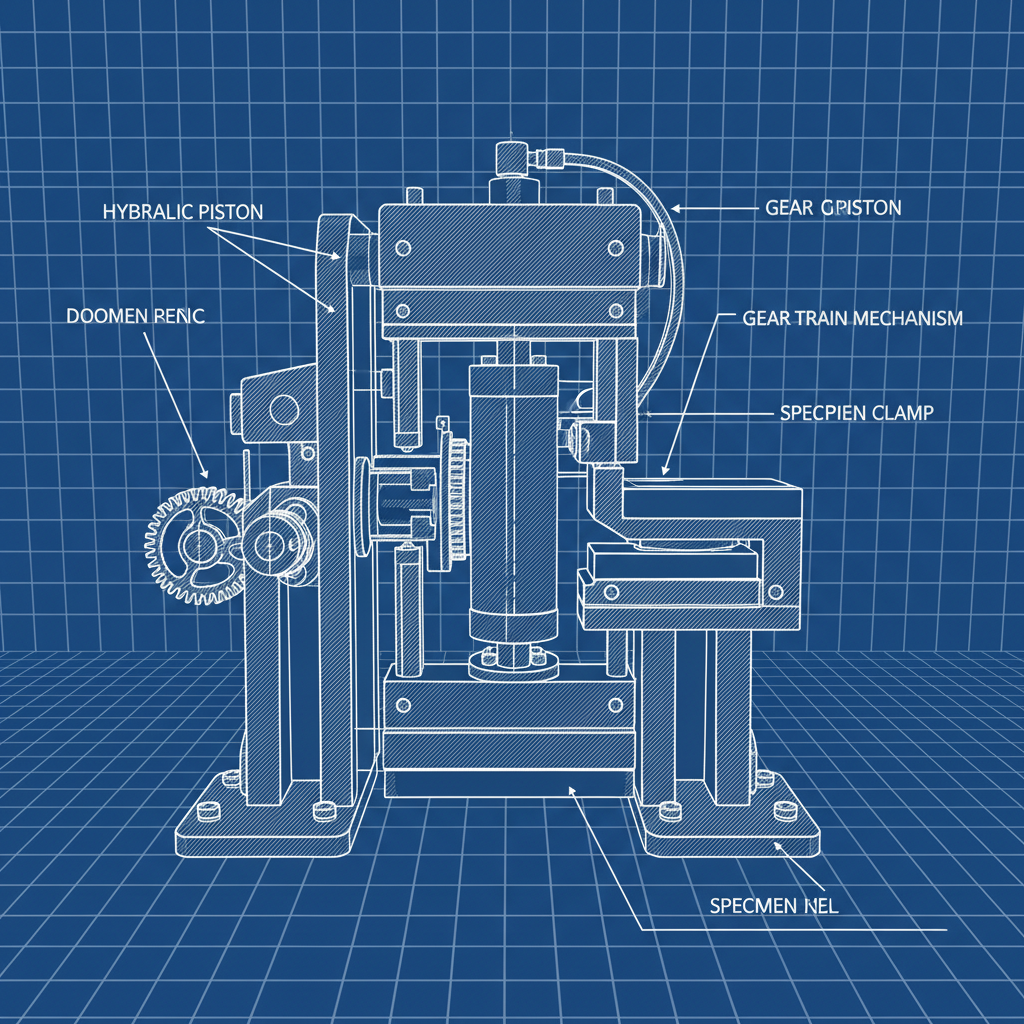
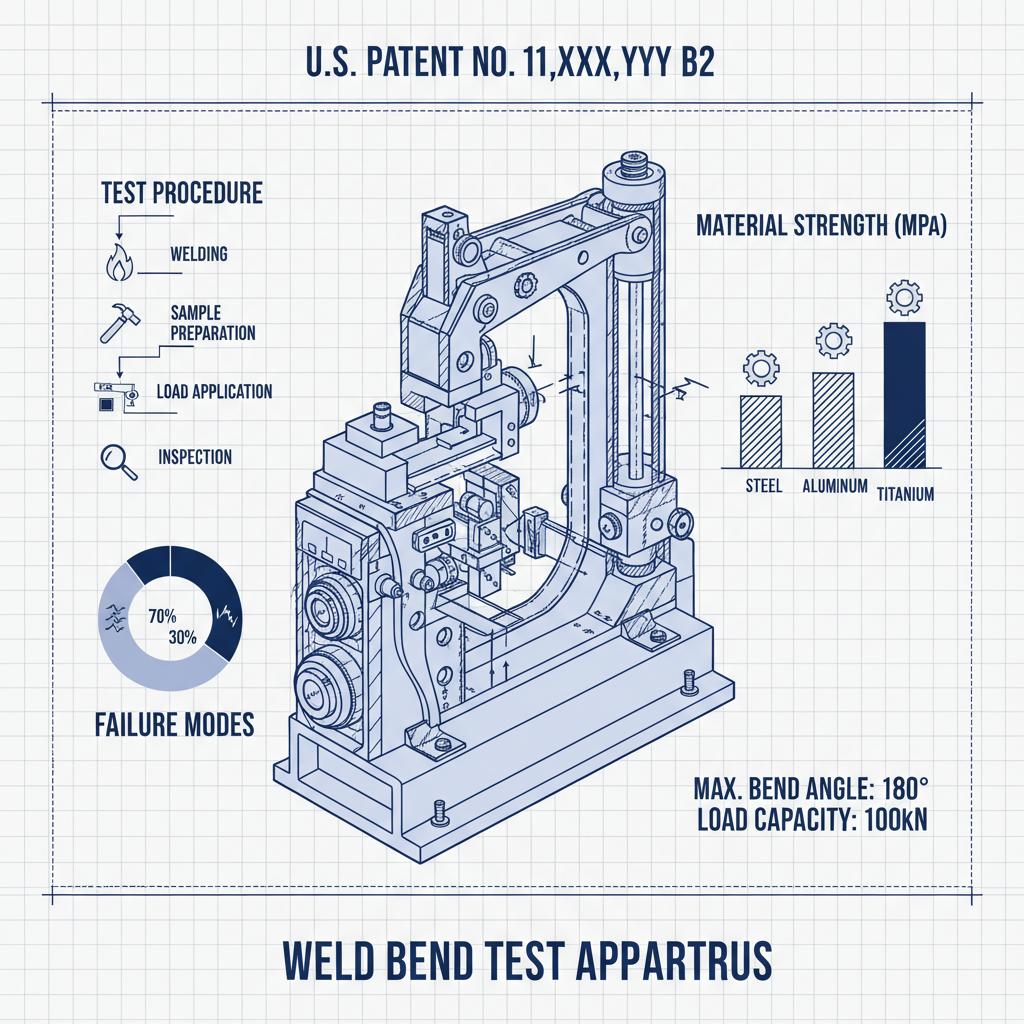
A welding bend test machine is designed to evaluate the bendability of a welded specimen without fracture. The test involves bending the specimen to a specified angle, and the machine precisely controls the bending radius and force. The primary goal is to assess the weld’s ability to withstand deformation without cracking, indicating the weld's ductility and the absence of significant defects. Different standards, like those from AWS (American Welding Society), require specific bend tests for various welding procedures and materials. Explore our range of bend testing machines designed for optimal performance.
Key Benefit: Ensures welds meet quality standards, preventing structural failures and improving product reliability.
Applications of Welding Bend Test Machines
Welding bend test machines find application across numerous industries. In pipeline construction, they verify the integrity of welds joining pipe sections. Aerospace relies on them to ensure the reliability of welds in critical aircraft components. Automotive manufacturing utilizes them to assess welds in chassis and body structures. The energy sector, including oil and gas, employs these machines extensively for quality control of welds in pipelines and pressure vessels. Furthermore, industries like shipbuilding and pressure vessel manufacturing depend on accurate bend testing. Aqua Fusion Welder caters to a diverse range of industry needs.
Key Application Areas:
• Pipeline Construction
• Aerospace Engineering
• Automotive Manufacturing
• Energy Sector (Oil & Gas)
Choosing the Right Welding Bend Test Machine
Selecting the appropriate welding bend test machine requires careful consideration of several factors. The size and shape of the specimens to be tested are crucial. The capacity of the machine (bending force) should align with the materials and welding procedures used. Automation level – manual, semi-automatic, or fully automatic – affects throughput and operator skill requirements. Compliance with relevant standards (AWS, ISO, etc.) is paramount. Finally, consider the machine’s ease of use, maintenance requirements, and the availability of support and calibration services. Contact us to discuss your specific testing requirements.
Benefits of Implementing Bend Testing
Regular bend testing delivers significant benefits. It contributes to improved product quality, reducing the risk of field failures and costly repairs. It enhances safety by ensuring structural integrity in critical applications. It aids in process optimization by identifying potential welding issues early on. Furthermore, it demonstrates a commitment to quality control, building trust with customers and stakeholders. Ultimately, investing in robust bend testing procedures translates to long-term cost savings and increased operational efficiency. Our machines offer a reliable solution for consistent testing results.
Maintenance and Calibration of Your Bend Test Machine
To ensure accurate and reliable results, regular maintenance and calibration of your welding bend test machine are essential. This includes lubricating moving parts, inspecting for wear and tear, and verifying the accuracy of force and angle measurements. Calibration should be performed by a qualified technician using traceable standards. Proper maintenance not only extends the lifespan of the machine but also minimizes the risk of errors that could compromise weld quality. Aqua Fusion Welder provides comprehensive maintenance and calibration services.
Conclusion: Investing in Quality and Reliability
The welding bend test machine is an indispensable tool for ensuring the quality and reliability of welded structures. Choosing the right machine, implementing proper testing procedures, and maintaining it effectively are crucial for achieving optimal results. By prioritizing weld quality, you safeguard your operations, protect your reputation, and deliver products that meet the highest standards. Aqua Fusion Welder is your trusted partner in welding quality control.
Frequently Asked Questions (FAQs)
What standards govern welding bend tests?
Several standards dictate the procedures for welding bend tests, with the most prominent being those published by the American Welding Society (AWS). AWS D1.1 is widely used for structural steel welding, while AWS D1.6 addresses stainless steel. International standards such as ISO 9708 also provide guidelines. These standards specify the specimen geometry, bending angle, support span, and acceptance criteria based on the material and welding process. Compliance with these standards is crucial for ensuring the validity and reliability of test results.
What types of bend tests are commonly performed?
The most common types include the root bend test, face bend test, and guided bend test. The root bend test examines the quality of the weld root, which is the most susceptible to defects. The face bend test assesses the soundness of the weld face. The guided bend test uses supports to control the bending radius. The choice of test depends on the specific requirements of the welding procedure and the material being tested.
How do I interpret bend test results?
Acceptance criteria for bend tests are defined in the applicable standards. Generally, a weld passes if it bends to the specified angle without cracking. Any cracks, regardless of size, indicate a failure. The location and orientation of any defects are also important factors in determining the weld's acceptability. Detailed documentation of the test results, including photographs, is essential for quality control records.
What materials can be bend tested?
A wide range of materials can be subjected to bend testing, including carbon steel, stainless steel, aluminum alloys, and nickel alloys. The specific testing parameters, such as bending angle and support span, must be adjusted based on the material's properties and the applicable standard. Different materials exhibit varying degrees of ductility, so the test procedure must be tailored accordingly.

Related Products
Related Video
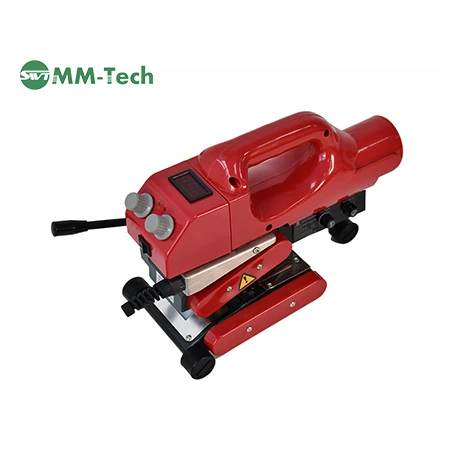

Geo Hot Wedge Welder With Digital Display SWT NS800D Operation Guide
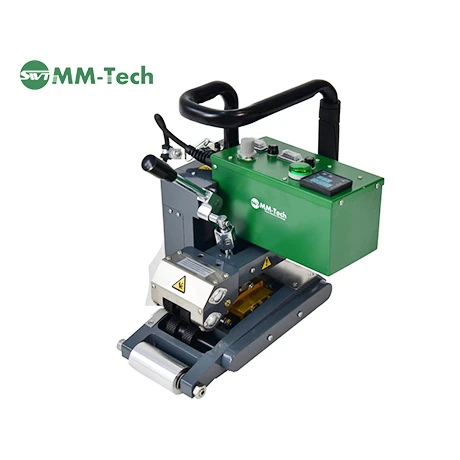
Heavy-Duty Geo Hot Wedge Welder SWT-NS900 Operation Guide
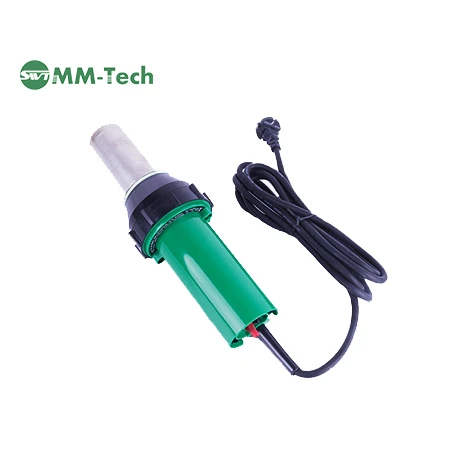
Powerful Professional Hot Air Tool SWT-NS3400A Operation Guide
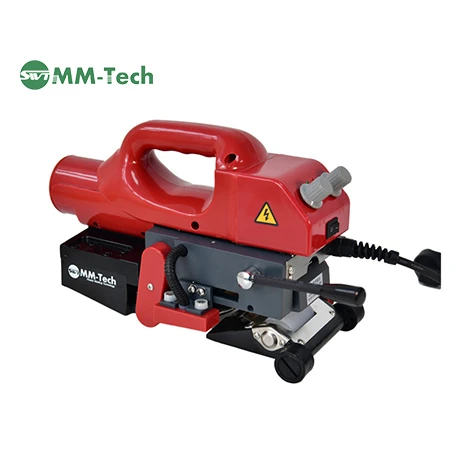
Geo Hot Wedge Welder SWT NS800 Operation Guide
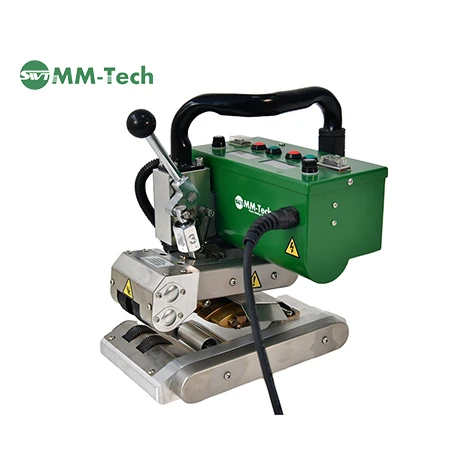
Compact HDPE Hot Wedge Welding Machine SWT-NSGM1 Operation Guide
Related News
2026-05-09 16:58:39
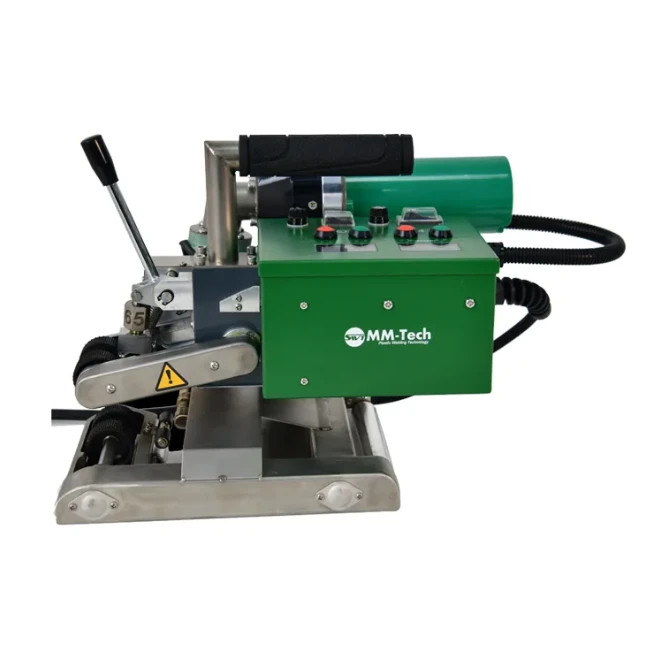
2026 Guide to Roofing Waterproofing in Saudi Arabia and the UAE: Why is a 40mm Weld Seam Crucial for Industrial Facilities?
Amid the extreme climatic conditions of Saudi Arabia and the UAE, industrial construction projects face a relentless combination of scorching heat, intense UV radiation, sandstorms, and occasional heavy rainfall.
2026-04-30 17:37:47
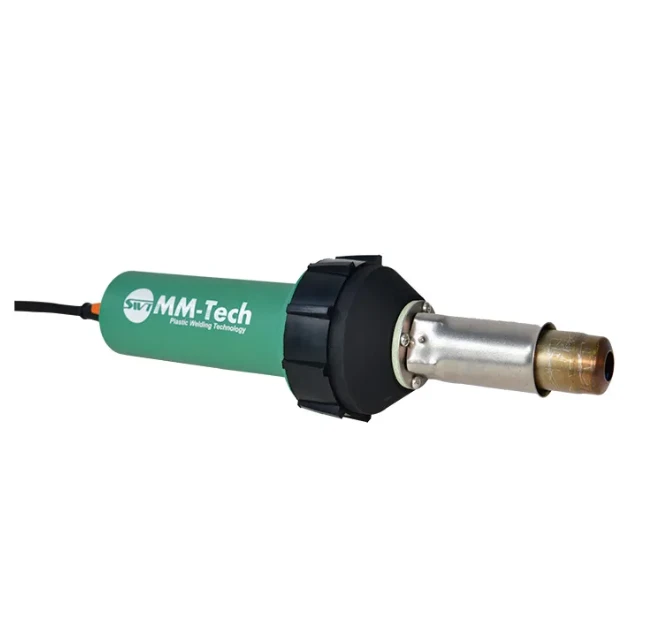
Split-Type Hot Air Gun: The Next-Generation Welding Solution for Southeast Asia Industrial Fabrication
In the demanding industrial landscapes of Indonesia, Malaysia, and Thailand, efficiency, durability, and adaptability are the keys to staying competitive.
2026-04-24 16:42:25
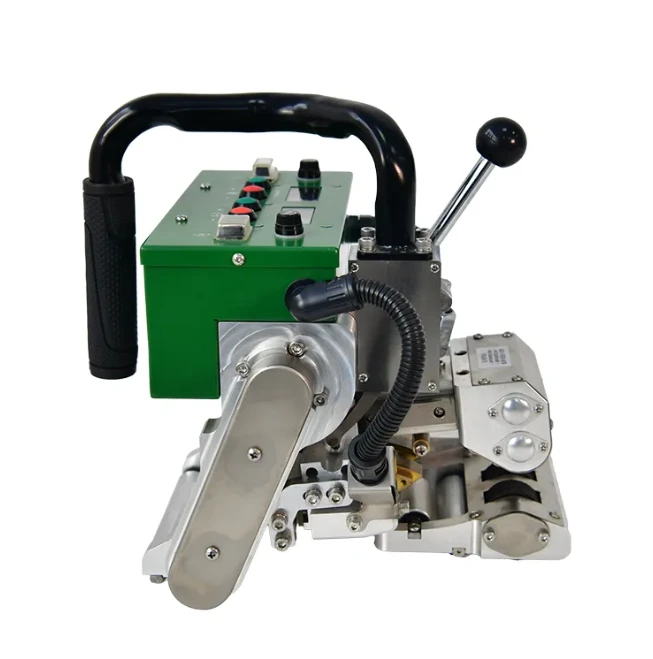
How to Choose the Best HDPE Liner Welder for Water Conservancy in Africa: A 2026 Guide
In the arid regions of Egypt and the developing agricultural landscapes of Tanzania and Kenya, water is more than a resource—it is life. Whether you are building a massive reservoir, an irrigation canal, or a high-yield fish farm, the integrity of your HDPE liner is only as good as its seams.
2026-04-20 09:54:35
Efficient PVC/TPO Welding (0.8–1.2mm) for Advertising & Truck Curtains on a Budget
Three Functions in One Machine: Breaking Through Process Limitations. Traditional fabrication workshops often require purchasing multiple pieces of equipment to meet diverse processing needs.
2026-04-20 09:53:16
Headline: Maximizing Aquaculture Profits in Peru & Chile: The Ultimate Geomembrane Welding Solution
In the thriving aquaculture industries of Peru and Chile, the integrity of your pond liner is non-negotiable. Whether you are constructing vast square breeding reservoirs or intensive circular tanks, the quality of your seams determines your ROI.
2026-04-16 03:09:36
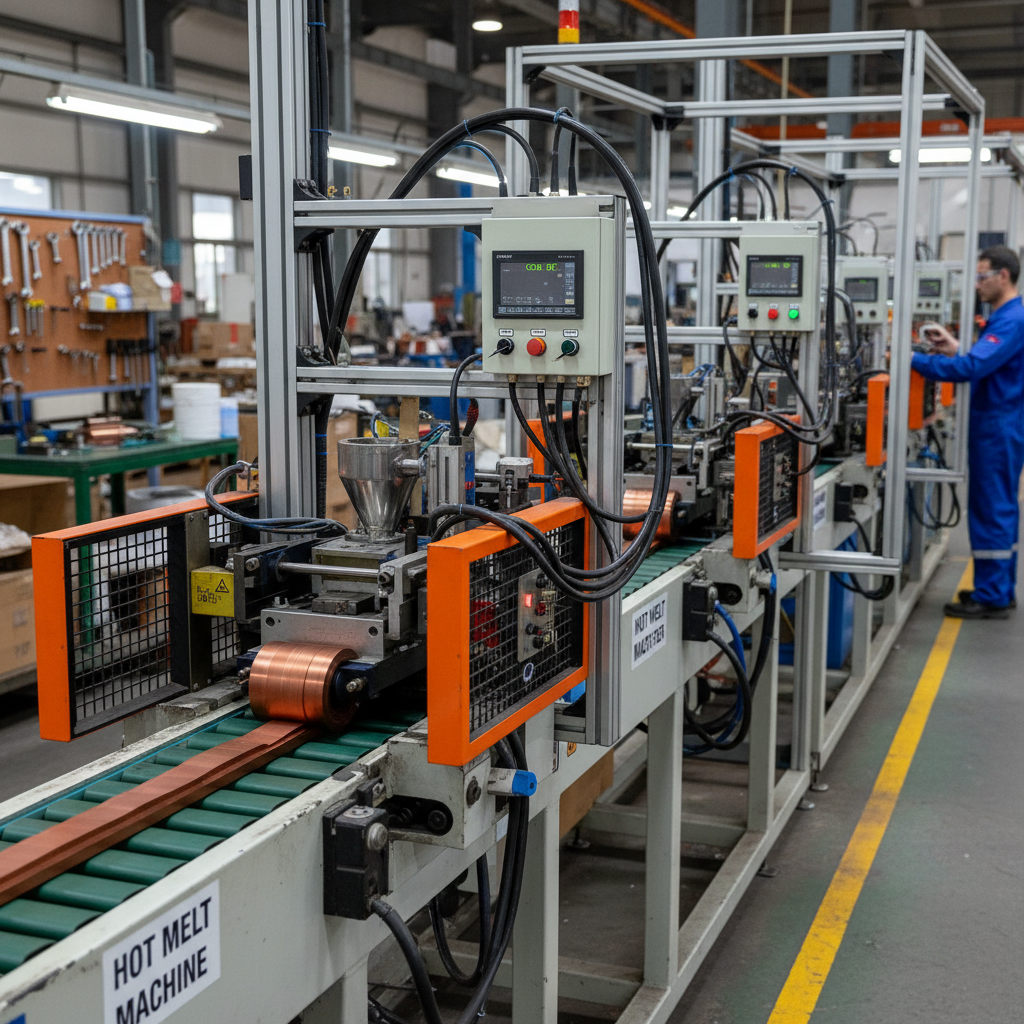
Improve Production Quality Using an Inline Coil Tester System
In the high-precision world of electrical component manufacturing, ensuring the integrity of every single wind is critical. An inline coil tester serves as the ultimate guardian of quality, integrating seamless testing directly into the production line. By detecting defects in real-time, manufacturers can eliminate the risk of faulty coils reaching the assembly stage, thereby reducing waste and protecting brand reputation. Whether you are producing inductors, transformers, or specialized electromagnets, implementing a robust testing strategy is no longer optional—it is a competitive necessity. This guide explores how inline testing transforms efficiency and precision in modern workshops.
2026-04-09 03:15:45
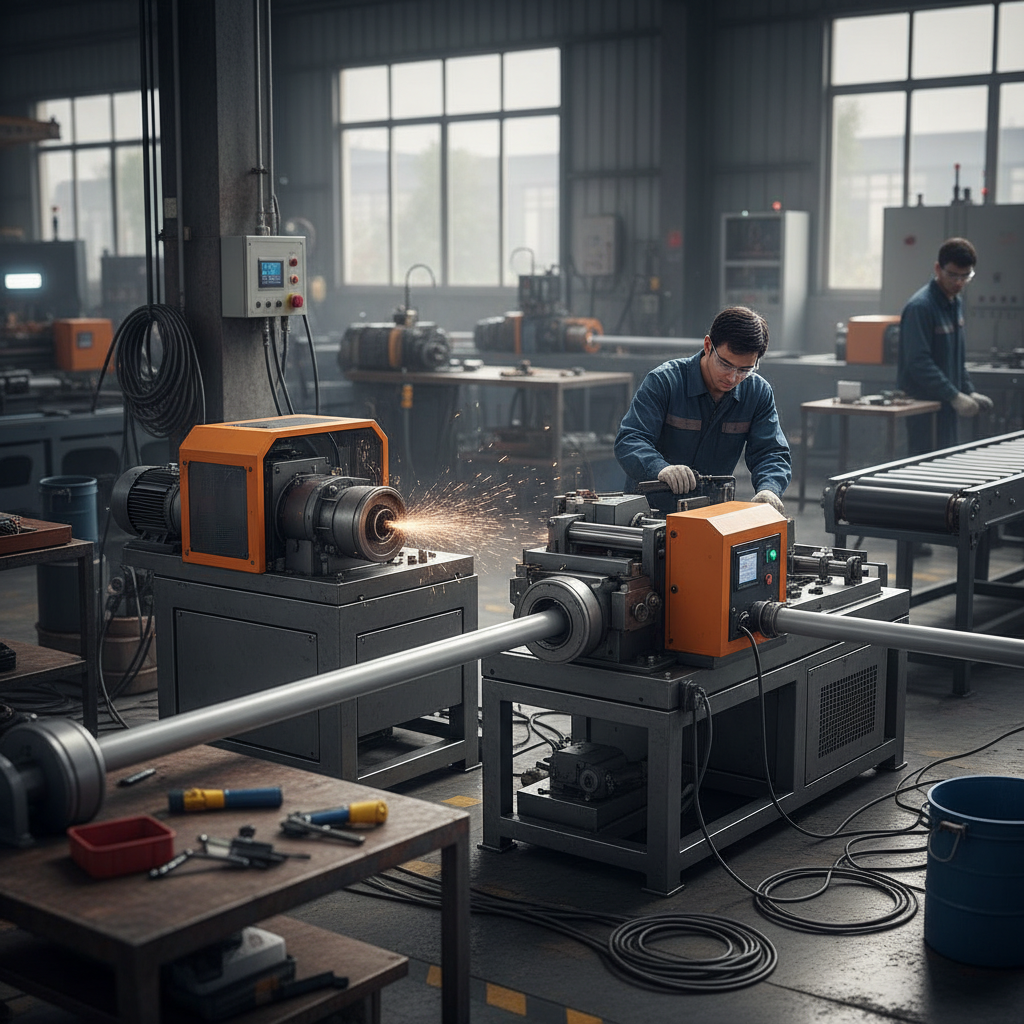
Industrial Leak Detection Using Electronic Spark Tester Guide
In the world of industrial maintenance and pipeline integrity, identifying microscopic leaks can be a daunting challenge. An electronic spark tester serves as a critical diagnostic tool, allowing technicians to pinpoint holidays—tiny pinholes or discontinuities in protective coatings—that are invisible to the naked eye. By applying a high-voltage current to the coating, these devices create a visible spark where the coating is compromised, ensuring that assets are fully protected against corrosion. In this guide, we will explore how this technology works and why it is indispensable for maintaining long-term structural safety.
2026-04-07 03:06:14
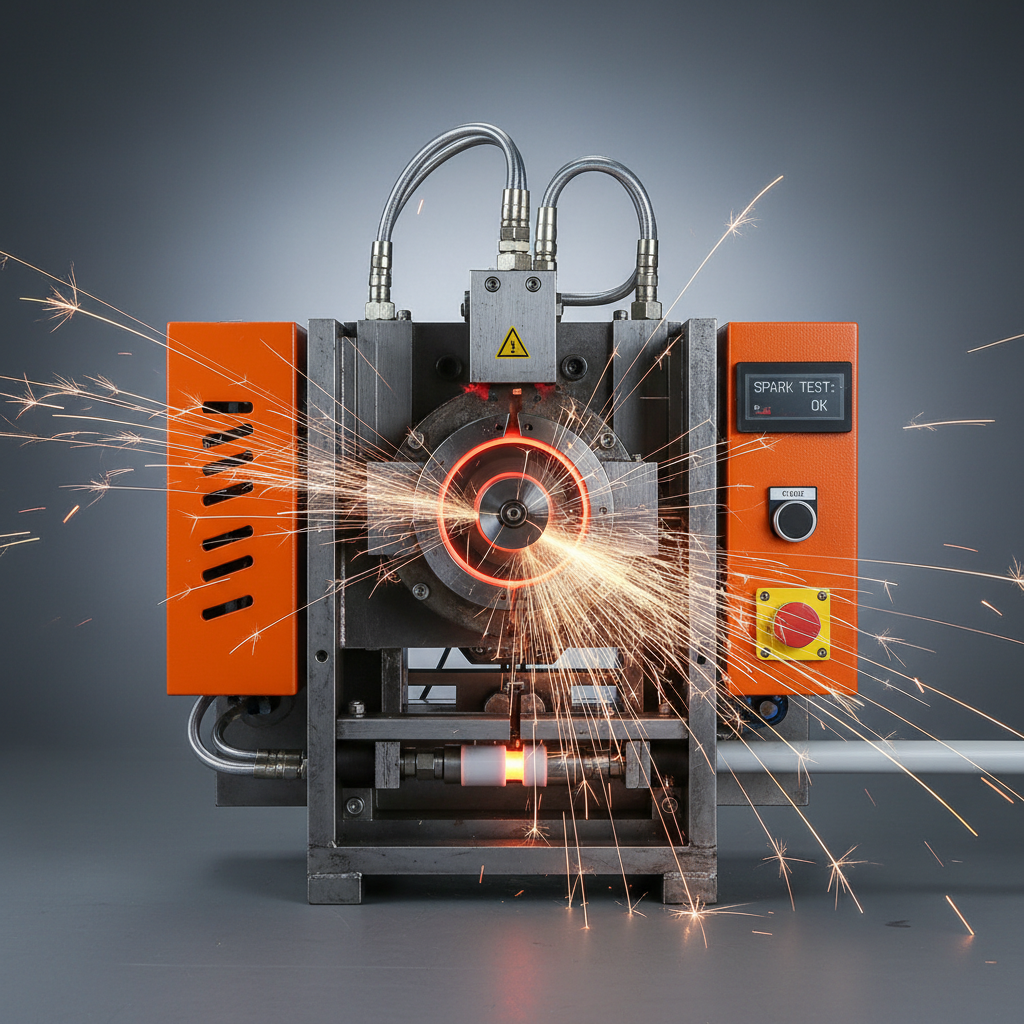
Enhancing Weld Quality with a Versatile Dynamic Spark Tester
In the realm of welding and fabrication, ensuring the quality and integrity of welds is paramount. A dynamic spark tester is an indispensable tool for quickly and reliably assessing weld quality. This article will delve into the functionality, benefits, applications, and considerations when selecting a dynamic spark tester, particularly focusing on how Aqua Fusion Welder's offerings meet industry demands. We’ll explore how this crucial piece of equipment can enhance your quality control processes and reduce costly rework.
SUBSCRIBE NEWSLETTER
Dear customer, thank you for your attention! We provide high-quality machinery and equipment and look forward to your orders. Please inform us of your needs and we will respond quickly!






 English